
Система контроля безопасности пищевых продуктов на основе HACCP для переработки паприки навалом
Компания Dinweys® Qingdao использует систему управления безопасностью пищевых продуктов, основанную на принципах HACCP и опирающуюся на стандарты ISO 22000, проверенные меры контроля и цифровую систему отслеживания партий продукции.
Наша цель проста: выявлять, оценивать и контролировать биологические, химические и физические опасности на протяжении всего паприка производственная цепочка — от закупки сырья до окончательной экспортной упаковки.
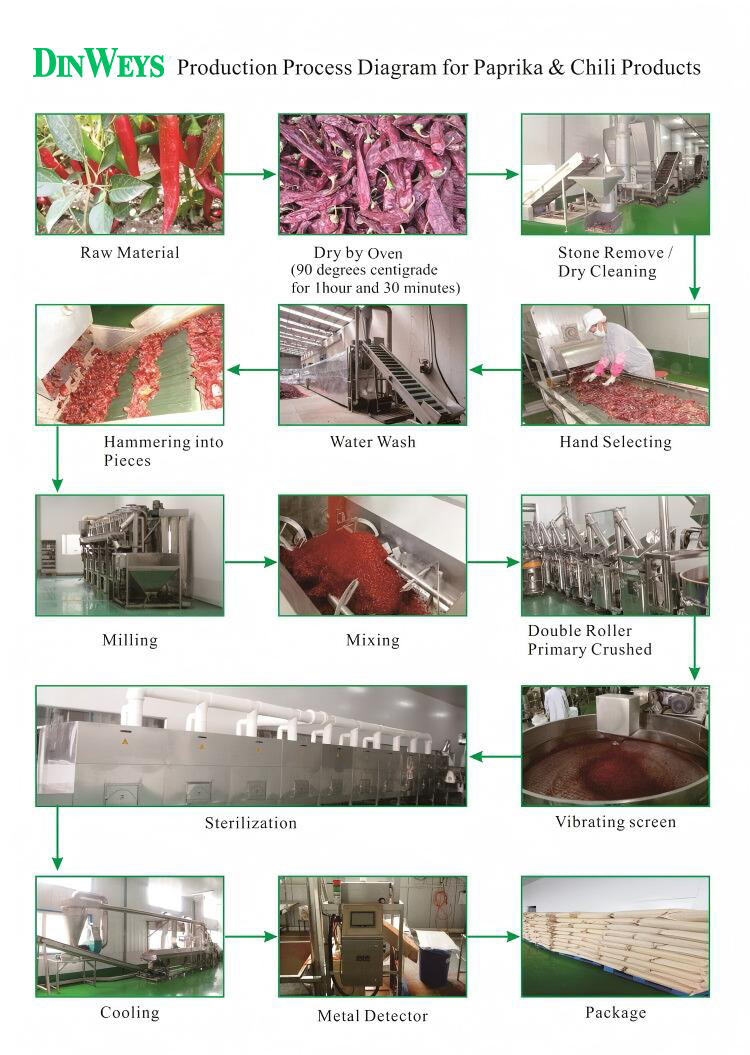
Сертификаты HACCP и безопасности пищевых продуктов
Наша система управления безопасностью пищевых продуктов опирается на:
- Система управления безопасностью пищевых продуктов HACCP
- ISO 22000 «Система управления безопасностью пищевых продуктов»
- GMP (Надлежащая производственная практика)
- Программа квалификации поставщиков
- Программа отслеживания продукции
- Независимая лабораторная проверка
Все производство Деятельность осуществляется в соответствии с задокументированными процедурами и протоколами проверки.
HACCP — Система анализа рисков и контроля
Наш план обеспечения безопасности пищевых продуктов включает:
| Тип управления | Цель |
|---|---|
| PRP | Обеспечить соблюдение санитарных норм при производстве |
| OPRP | Обеспечить контроль над значительными источниками опасности с помощью эксплуатационных мер |
| КПК | Устранить или снизить критические риски в области безопасности пищевых продуктов |
| Мероприятия по проверке | Подтвердить сохраняющуюся эффективность |
Группа HACCP проводит периодические проверки при внесении изменений в технологический процесс, появлении новых нормативных требований или технических условий заказчика.
Схема технологического процесса и матрица контроля опасностей
Приемка сырья (OPRP)
Основные опасности
- Остатки пестицидов
- Микотоксины
- Тяжёлые металлы
- Избыток влаги
Меры контроля
- Программа сертифицированных поставщиков
- Проверка входящего COA
- Лабораторные исследования с учетом рисков
- Проверка влажности
Проверка
- Анализ методом LC-MS/MS
- Анализ методом ГХ-МС/МС
- Аудиты поставщиков
- Цифровые записи об утверждении партий продукции
Очистка и удаление камней (PRP)
Основные опасности
- Камни
- Частицы почвы
- Сельскохозяйственные отходы
Меры контроля
- Разделение воздуха
- Разделение по плотности
- Вибрационное просеивание
Проверка
- Протоколы проверки оборудования
- Ежедневные санитарные проверки
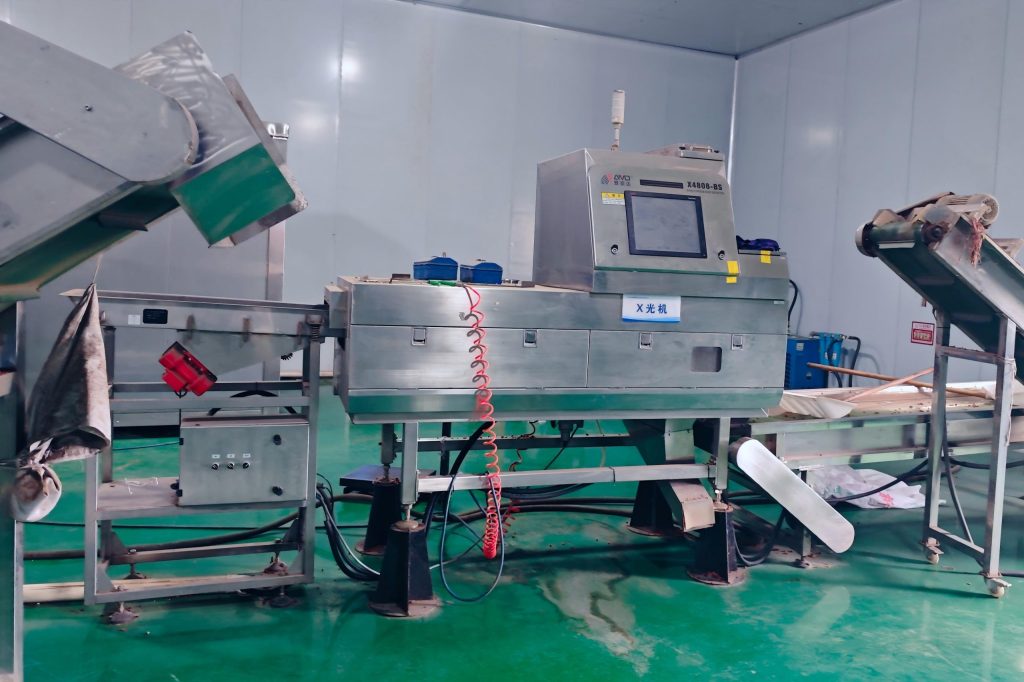
Обнаружение посторонних предметов (CCP 1)
Основные опасности
- Осколки стекла
- Плотные пластиковые обломки
- Минеральные примеси
- Твердые посторонние предметы
Меры контроля
- Многоступенчатая оптическая сортировка
- Системы рентгеновского контроля
Проверка
- Тестирование на пределе возможностей
- Проверка работоспособности детектора
- Записи об автоматическом отклонении
Процесс контролируемой сушки (OPRP)
Основные опасности
- Избыток влаги
- Разработка пресс-форм
- Снижение качества
Меры контроля
- Регулируемые температуры сушки
- Контроль влажности
- Контроль за состоянием окружающей среды
Проверка
- Записи мониторинга ПЛК
- Отчеты о проверке влажности
- Протоколы калибровки
Прецизионное шлифование (контрольный пункт качества)
Основные риски
- Чрезмерное выделение тепла
- Потеря цвета
- Потери эфирного масла
Меры контроля
- Контролируемые параметры шлифования
- Мониторинг температуры
- Профилактическое техническое обслуживание
Проверка
- Тестирование цвета по шкале ASTA
- Журналы проверки оборудования
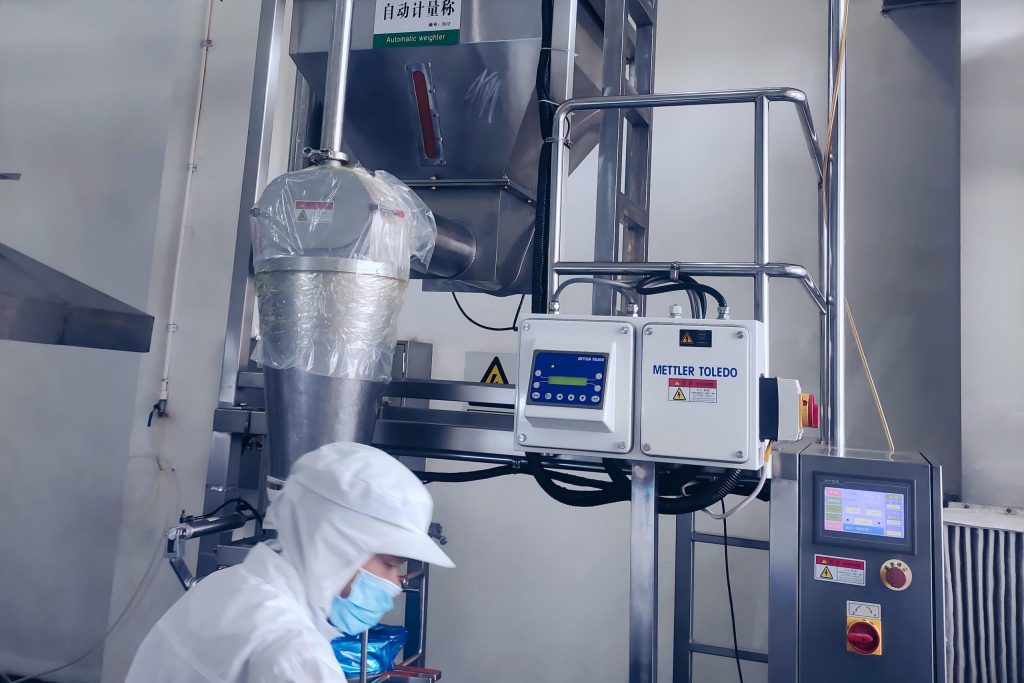
Обнаружение металла и окончательный контроль (CCP 2)
Основные опасности
- Черные металлы
- Цветной металл
- Осколки из нержавеющей стали
Меры контроля
- Магнитная сепарация редкоземельных элементов
- Встроенный металлодетектор
Проверка
- Сертифицированные испытательные образцы
- Ежечасная проверка исправности датчиков
- Журналы технического обслуживания
Упаковка и идентификация партий (OPRP)
Основные опасности
- Перекрестное загрязнение
- Нарушения целостности упаковки
- Потеря прослеживаемости
Меры контроля
- Упаковочные материалы пищевого назначения
- Контролируемая среда упаковки
- Уникальная кодировка партии
Проверка
- Проверки герметичности уплотнений
- Проверка штрих-кода
- Документация о соответствии требованиям к упаковке
Методология оценки рисков
Риски оцениваются с учетом вероятности их возникновения и серьезности последствий.
Формула оценки риска:
R = Вероятность × Серьезность
На основании рассчитанного показателя риска опасности классифицируются следующим образом:
| Оценка риска | Классификация |
|---|---|
| Низкий | PRP |
| Средний | OPRP |
| Высокий | КПК |
Данная структурированная оценка помогает определить периодичность мониторинга, требования к проверке и порядок принятия корректирующих мер.
Система цифровой прослеживаемости
Каждая производственная партия получает уникальный идентификационный код, который связывает:
Сельскохозяйственное происхождение
- Источник: ферма
- Сезон сбора урожая
- Информация о поставщике
Обработка записей
- Контроль влажности
- Параметры шлифования
- Протоколы проверок
Выпуск готовой продукции
- Результаты лабораторных исследований
- Упаковочные документы
- Информация об экспортных поставках
Эта система отслеживания позволяет оперативно идентифицировать партию продукции и обеспечить готовность к отзыву в случае необходимости.
Мероприятия по проверке и валидации
Меры контроля безопасности пищевых продуктов регулярно проверяются следующими способами:
- Внутренние аудиты HACCP
- Калибровка оборудования
- Проверка работоспособности металлоискателя
- Контрольные испытания с использованием рентгеновского излучения
- Мониторинг состояния окружающей среды
- Лабораторные испытания, проводимые сторонними организациями
- Оценка поставщиков
Документы по проверке хранятся в соответствии с задокументированными процедурами хранения.
Типичные параметры лабораторных исследований
[Вставить скриншот отчета SGS или Eurofins]
| Параметр | Типичное требование |
|---|---|
| Сальмонелла | Не обнаружено в 25 г |
| E. coli | Соответствующий требованиям |
| Общее количество микроорганизмов | Техническое задание заказчика |
| Афлатоксин B1 | Техническое задание заказчика |
| Свинец (Pb) | Применимые нормативные пределы |
| Кадмий (Cd) | Применимые нормативные пределы |
| Влажность | Техническое задание заказчика |
Фактические параметры испытаний могут варьироваться в зависимости от требований целевого рынка и технических условий заказчика.
Процедура принятия корректирующих мер
В случае выявления критического отклонения:
- Зараженный материал немедленно изолируется.
- Проводится анализ производственной отчетности.
- Начато расследование первопричин.
- Принимаются корректирующие меры.
- Эффективность продукта проверяется до его выпуска на рынок.
Ни один из затронутых продуктов не может быть выпущен в продажу до тех пор, пока не будет подтверждено его соответствие применимым требованиям безопасности пищевых продуктов.
Часто задаваемые вопросы
Как убедиться в том, что система HACCP работает эффективно?
Система HACCP проверяется посредством проведения внутренних аудитов, калибровки оборудования, ведения документации по мониторингу, лабораторных испытаний, проводимых сторонними организациями, а также периодических обзоров со стороны руководства.
Как обеспечивается отслеживаемость продукции?
Каждая производственная партия получает уникальный номер партии, который связывает сырье, записи об обработке, лабораторные отчеты и отгрузочную документацию в рамках нашей цифровой системы отслеживания.
Могут ли клиенты запросить проведение дополнительных испытаний?
Да. Перед отправкой можно организовать проведение дополнительных микробиологических испытаний, а также анализов на наличие остатков пестицидов, тяжелых металлов, аллергенов или других анализов в соответствии с требованиями заказчика.
Запрос документации по системе HACCP
Для квалифицированных покупателей компания Dinweys® Qingdao может предложить:
- Сертификат HACCP
- Сертификат ISO 22000
- Технические характеристики продукта
- Сертификат анализа (COA)
- Отчеты о лабораторных испытаниях
- Документация по отслеживаемости
Свяжитесь с нашей службой контроля качества, чтобы запросить техническую документацию или обсудить индивидуальные требования клиента в области безопасности пищевых продуктов.