
HACCP-Based Food Safety Control System for Bulk Paprika Processing
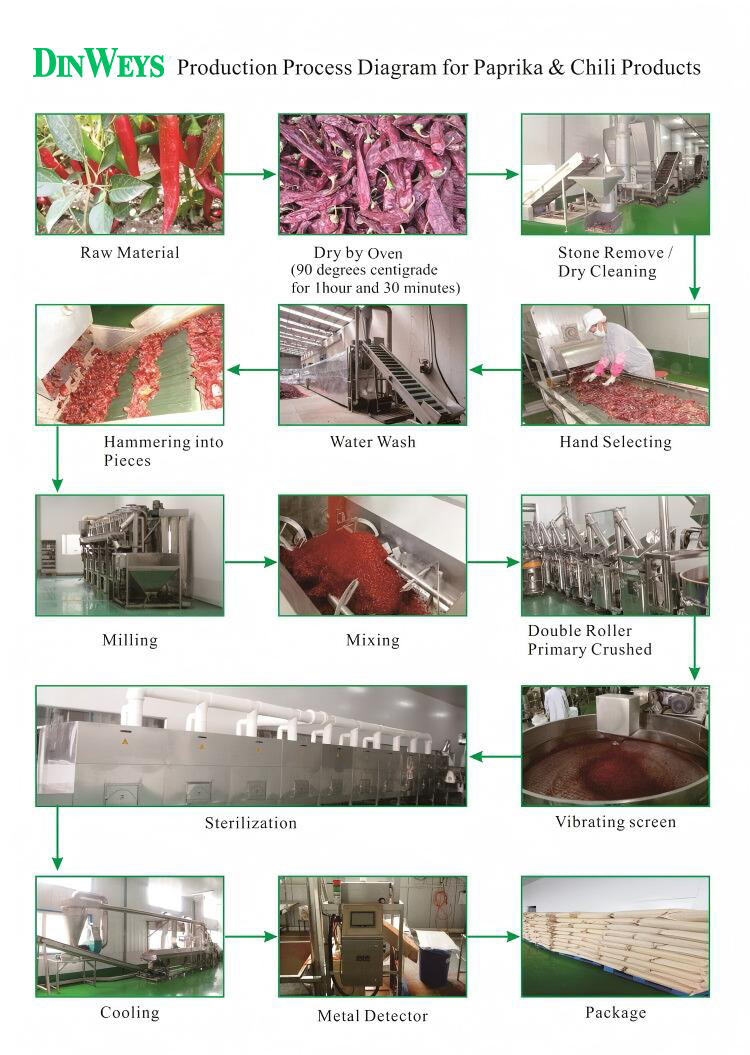
Dinweys® Qingdao operates a HACCP-based food safety management system supported by ISO 22000 principles, validated control measures, and digital batch traceability.
Our objective is simple: identify, evaluate, and control biological, chemical, and physical hazards throughout the entire paprika processing chain, from raw material sourcing to final export packaging.
HACCP & Food Safety Certifications
Our food safety management system is supported by:
- HACCP Food Safety Management System
- ISO 22000 Food Safety Management System
- GMP (Good Manufacturing Practices)
- Supplier Qualification Program
- Product Traceability Program
- Third-Party Laboratory Verification
All production activities are conducted according to documented procedures and verification protocols.
HACCP Hazard Analysis & Control Structure
Our food safety plan incorporates:
| Control Type | Purpose |
|---|---|
| PRP | Establish sanitary production conditions |
| OPRP | Control significant hazards through operational measures |
| CCP | Eliminate or reduce critical food safety risks |
| Verification Activities | Confirm ongoing effectiveness |
The HACCP team performs periodic reviews whenever process changes, new regulatory requirements, or customer specifications are introduced.
Process Flow & Hazard Control Matrix
Raw Material Receiving (OPRP)
Primary Hazards
- Pesticide residues
- Mycotoxins
- Heavy metals
- Excess moisture
Control Measures
- Approved supplier program
- Incoming COA verification
- Risk-based laboratory testing
- Moisture inspection
Verification
- LC-MS/MS testing
- GC-MS/MS testing
- Supplier audits
- Digital batch approval records
Cleaning & De-Stoning (PRP)
Primary Hazards
- Stones
- Soil particles
- Agricultural debris
Control Measures
- Air separation
- Density separation
- Vibratory screening
Verification
- Equipment inspection records
- Daily sanitation checks
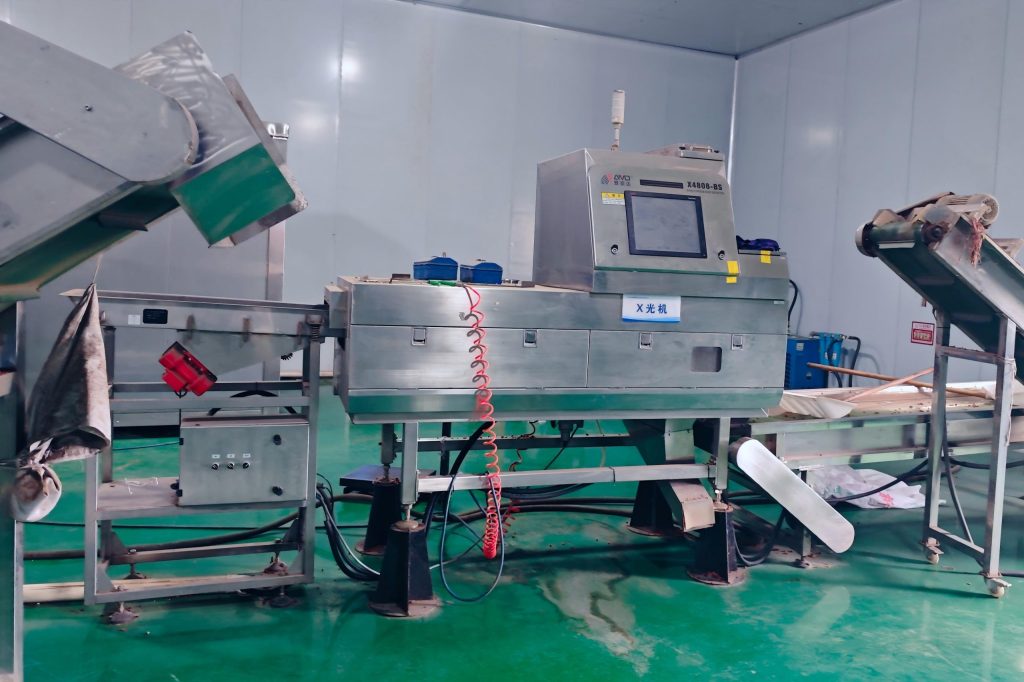
Foreign Material Detection (CCP 1)
Primary Hazards
- Glass fragments
- Dense plastic fragments
- Mineral contaminants
- Hard foreign materials
Control Measures
- Multi-stage optical sorting
- X-ray inspection systems
Verification
- Challenge testing
- Detector performance validation
- Automated rejection records
Controlled Drying Process (OPRP)
Primary Hazards
- Excess moisture
- Mold development
- Quality deterioration
Control Measures
- Controlled drying temperatures
- Moisture monitoring
- Environmental control
Verification
- PLC monitoring records
- Moisture testing reports
- Calibration records
Precision Grinding (Quality Control Point)
Primary Risks
- Excessive heat generation
- Color degradation
- Volatile oil loss
Control Measures
- Controlled grinding parameters
- Temperature monitoring
- Preventive maintenance
Verification
- ASTA color testing
- Equipment inspection logs
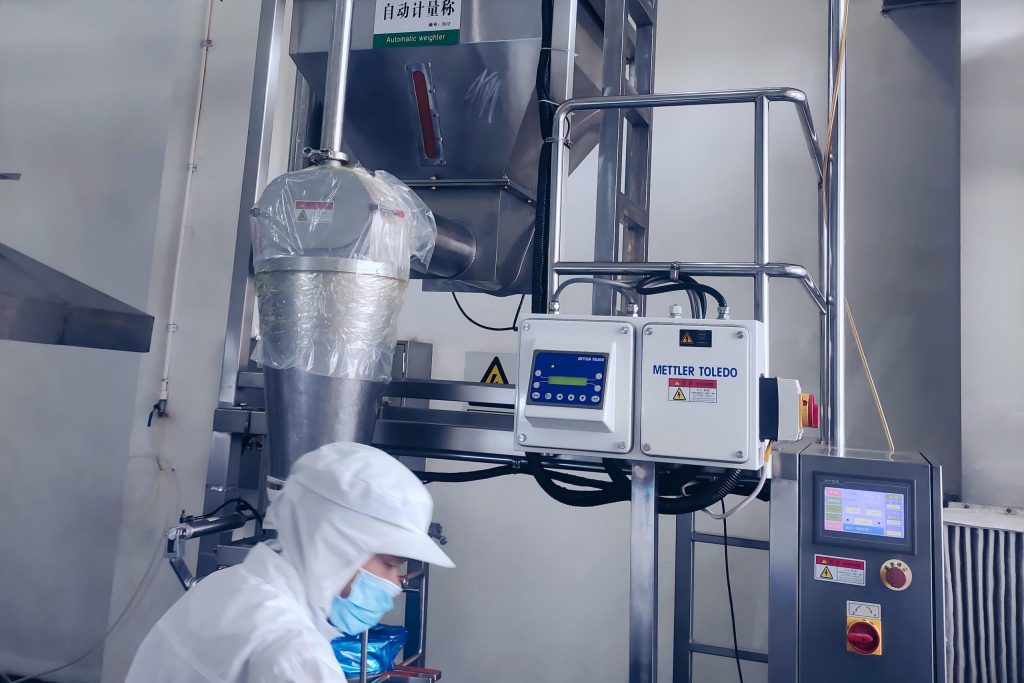
Metal Detection & Final Screening (CCP 2)
Primary Hazards
- Ferrous metal
- Non-ferrous metal
- Stainless steel fragments
Control Measures
- Rare-earth magnetic separation
- Inline metal detection
Verification
- Certified test pieces
- Hourly detector validation
- Maintenance records
Packaging & Batch Identification (OPRP)
Primary Hazards
- Cross-contamination
- Packaging integrity failures
- Traceability loss
Control Measures
- Food-grade packaging materials
- Controlled packing environment
- Unique lot coding
Verification
- Seal integrity inspections
- Barcode verification
- Packaging compliance records
Risk Assessment Methodology
Hazards are evaluated according to their likelihood of occurrence and severity of impact.
Risk Assessment Formula:
R = Likelihood × Severity
Based on the calculated risk score, hazards are classified as:
| Risk Score | Classification |
|---|---|
| Low | PRP |
| Medium | OPRP |
| High | CCP |
This structured assessment helps determine monitoring frequency, verification requirements, and corrective action procedures.
Digital Traceability System
Every production batch receives a unique identification code that links:
Agricultural Origin
- Farm source
- Harvest season
- Supplier information
Processing Records
- Moisture monitoring
- Grinding parameters
- Inspection records
Finished Product Release
- Laboratory testing results
- Packaging records
- Export shipment information
This traceability system enables rapid lot identification and recall readiness when required.
Verification & Validation Activities
Food safety controls are routinely verified through:
- Internal HACCP audits
- Equipment calibration
- Metal detector challenge testing
- X-ray validation testing
- Environmental monitoring
- Third-party laboratory testing
- Supplier assessments
Verification records are maintained according to documented retention procedures.
Typical Laboratory Testing Parameters
[插入 SGS 或 Eurofins 报告截图]
| Parameter | Typical Requirement |
|---|---|
| Salmonella | Not Detected in 25 g |
| E. coli | Compliant |
| Total Plate Count | Customer Specification |
| Aflatoxin B1 | Customer Specification |
| Lead (Pb) | Applicable Regulatory Limits |
| Cadmium (Cd) | Applicable Regulatory Limits |
| Moisture | Customer Specification |
Actual testing parameters may vary according to destination market requirements and customer specifications.
Corrective Action Procedure
If a critical deviation is identified:
- Affected material is immediately isolated.
- Production records are reviewed.
- Root cause investigation is initiated.
- Corrective actions are implemented.
- Effectiveness is verified before product release.
No affected product may be released until compliance with applicable food safety requirements has been confirmed.
Frequently Asked Questions
How do you verify that the HACCP system is functioning effectively?
The HACCP system is verified through internal audits, equipment calibration, documented monitoring records, third-party laboratory testing, and periodic management reviews.
How is product traceability maintained?
Each production batch receives a unique lot number linking raw materials, processing records, laboratory reports, and shipment documentation within our digital traceability system.
Can customers request additional testing?
Yes. Additional microbiological, pesticide residue, heavy metal, allergen, or customer-specific testing programs can be arranged prior to shipment.
Request HACCP Documentation
For qualified buyers, Dinweys® Qingdao can provide:
- HACCP Certificate
- ISO 22000 Certificate
- Product Specifications
- Certificate of Analysis (COA)
- Laboratory Test Reports
- Traceability Documentation
Contact our quality assurance team to request technical documentation or discuss customer-specific food safety requirements.