Как приготовить паприку — промышленное производство и приготовление в домашних условиях
Это не просто вопрос о кулинарии.
За этим запросом, как правило, стоит желание покупателей узнать:
- Почему паприка почему товары от разных поставщиков выглядят одинаково, но отличаются по своим характеристикам?
- Как на самом деле производится промышленная паприка в промышленных масштабах?
- Откуда возникают риски, связанные с качеством, при поставках навалом?
- Является ли “естественным» паприка в порошке”Это действительно просто сушеный перец, или за этим скрывается какая-то дополнительная обработка?»
В реальной практике закупок (например, у таких поставщиков, как paprikabulk.com) паприка не является “продуктом по рецептуре” — это контролируемая промышленная система сушки, измельчения и стандартизации цвета.
1. ОБЗОР
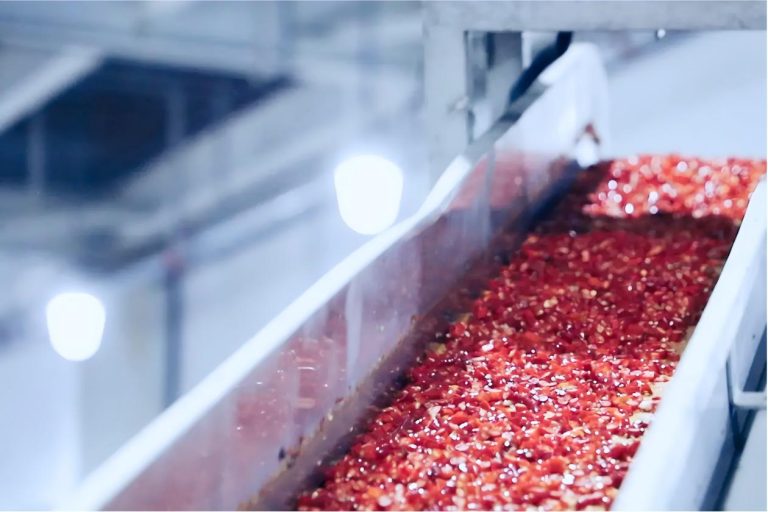
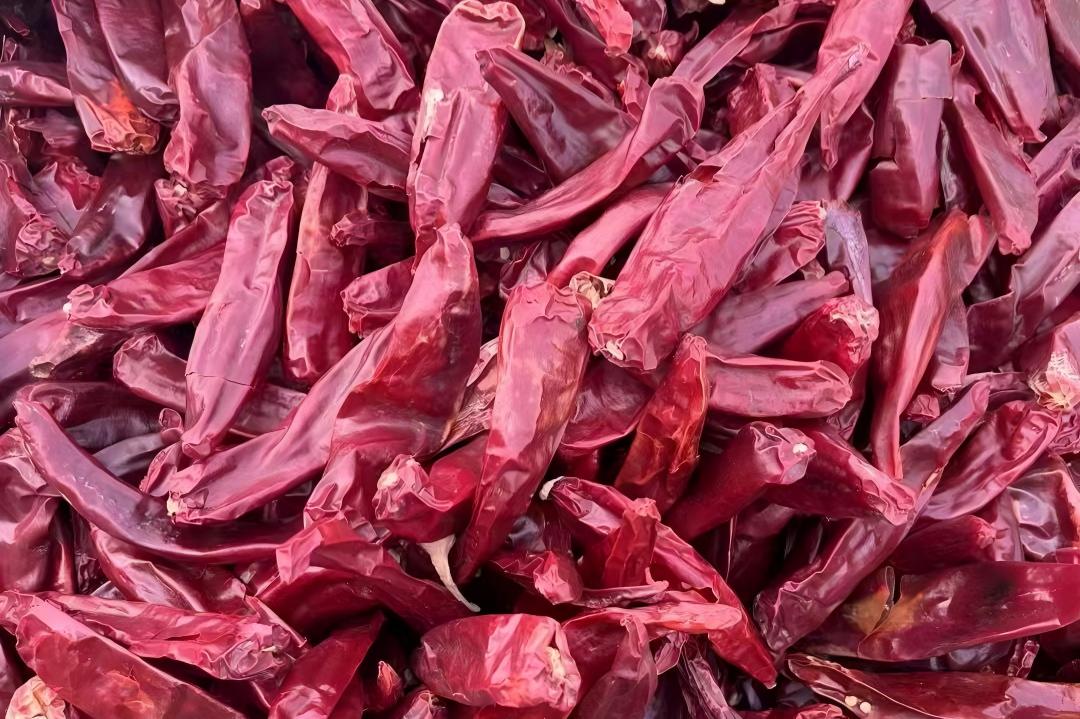
Паприку получают путем сушки красного перца и измельчения его в порошок, однако в промышленных условиях производство гораздо более строго контролируется, чем приготовление пищи в домашних условиях. При производстве в промышленных масштабах на фабриках контролируются сорт перца, температура сушки, интенсивность цвета и микробиологическая безопасность, что позволяет выпускать партии продукции с неизменным качеством для пищевой промышленности.
Главный вопрос заключается не в том, “как это сделать”, а в том, как добиться стабильного качества. Один завод может производить 10 тонн в день, и даже небольшие различия во времени сушки могут повлиять на цвет и срок хранения продукта.
Представьте себе, что это как приготовление апельсинового сока: выжать апельсины — это легко, но обеспечить одинаковый вкус и цвет каждой бутылки — вот в чём заключается настоящая производственная задача. Покупателей больше интересует стабильность партии, чем сама рецептура.
2. ЧТО ЭТО ТАКОЕ
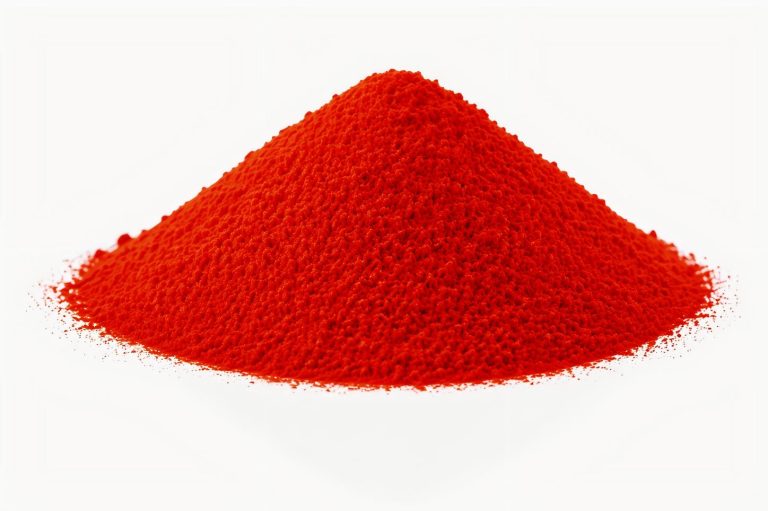
Паприка — это порошок из сушеного красного перца, который в основном используется для:
- цвет (естественный красно-оранжевый оттенок)
- незначительное усиление вкуса
- указание на этикетках информации о “натуральном цвете” в переработанных пищевых продуктах
Идея промышленного производства
Свежий красный перец → сортировка → промывка → сушка → удаление плодоножек → измельчение → просеивание → определение цвета стандартный смешивание → расфасовка
Однако на реальных предприятиях критическими контрольными точками являются не сами этапы, а:
- кривая сушки (температура + время)
- желаемая консистенция влажности
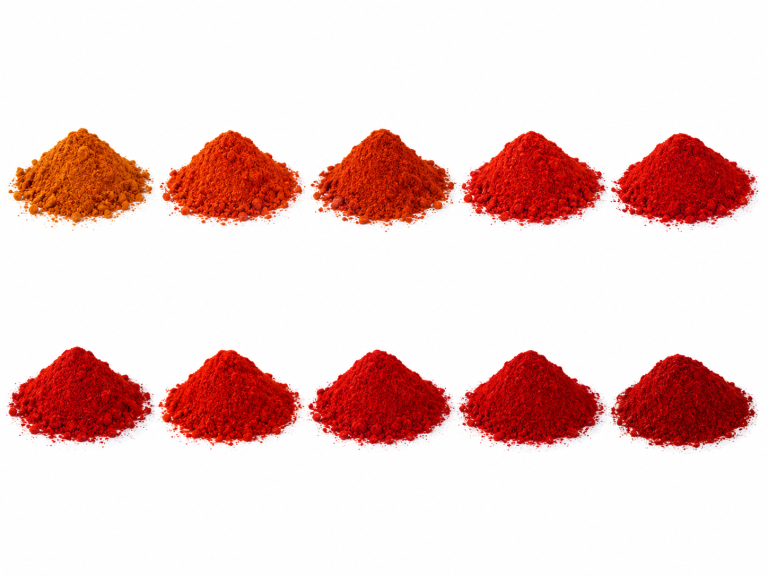
- стандарт цветовой единицы (ASTA / E-value в зависимости от рынка)
- контроль микроорганизмов после сушки
Простая аналогия:
Производство паприки похоже на изготовление порошкового пигмента из фруктов — если сушка проходит неравномерно, конечный “цветной пигмент” становится нестабильным, даже если фрукты выглядят идеально.
3. ПРОМЫШЛЕННОЕ ПРОИЗВОДСТВО
Именно в этом плане большинство объяснений в Интернете носят слишком поверхностный характер.
В цепочках поставок оптовых товаров паприку не “производят” — она разработано с учетом стабильности.
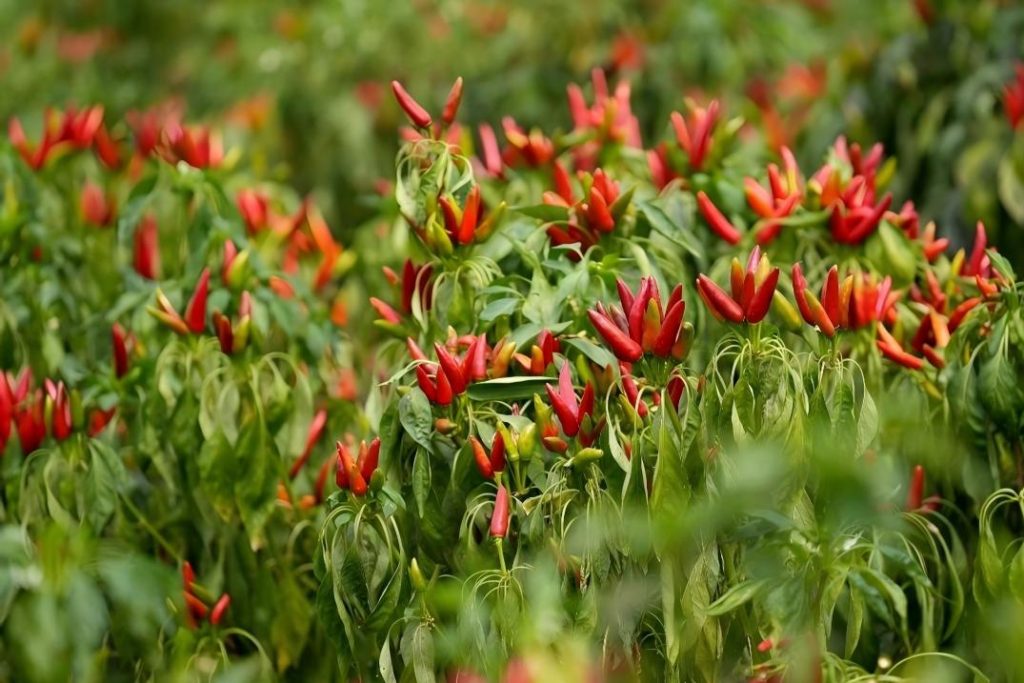
Шаг 1: Выбор сырья (самый недооцененный этап)
Заводы не закупают перец просто так, наугад.
Они выбирают:
- определенные сорта Capsicum (цвет плодов имеет большее значение, чем вкус)
- степень зрелости (полная зрелость = более высокие показатели цвета)
- партии урожая с низким уровнем повреждений
Риск: разные фермы = разный потенциал содержания пигмента ещё до начала переработки
Шаг 2: Контролируемая сушка (САМЫЙ ВАЖНЫЙ ЭТАП)
Методы:
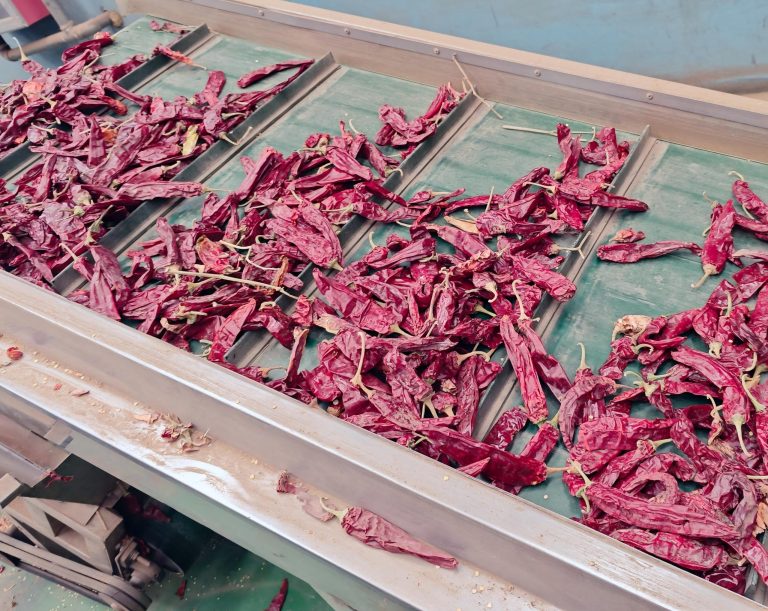
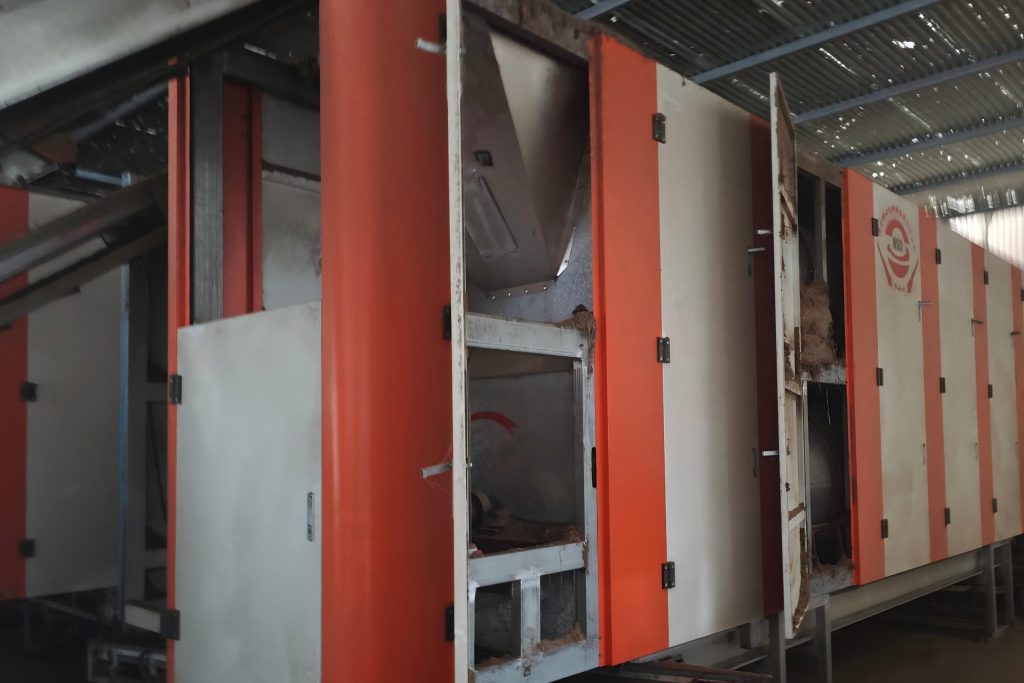
- сушка в туннеле с горячим воздухом (промышленный стандарт)
- сушка на солнце (более дешевый способ, но с более высоким риском колебаний качества)
- гибридные системы сушки
Управление ключами:
- Целевой уровень влажности обычно составляет 8–12% в зависимости от технических характеристик
- Температура не должна приводить к деградации пигмента
Настоящая проблема:
Если сушка происходит слишком быстро → внешний слой высыхает, но внутри остается влага
Если сушка происходит слишком медленно → повышается риск развития микроорганизмов
Пример сбоя в отрасли:
Поставщик прошел испытание на влажность в соответствии с сертификатом соответствия (COA), однако в отдельных участках партии по-прежнему наблюдается высокая влажность → это приводит к комкованию или появлению плесени во время морской перевозки.
👉 Аналогия:
Это как сушка одежды в сушильной машине — снаружи одежда кажется сухой, но если ее перегрузить, внутренние слои могут остаться влажными.
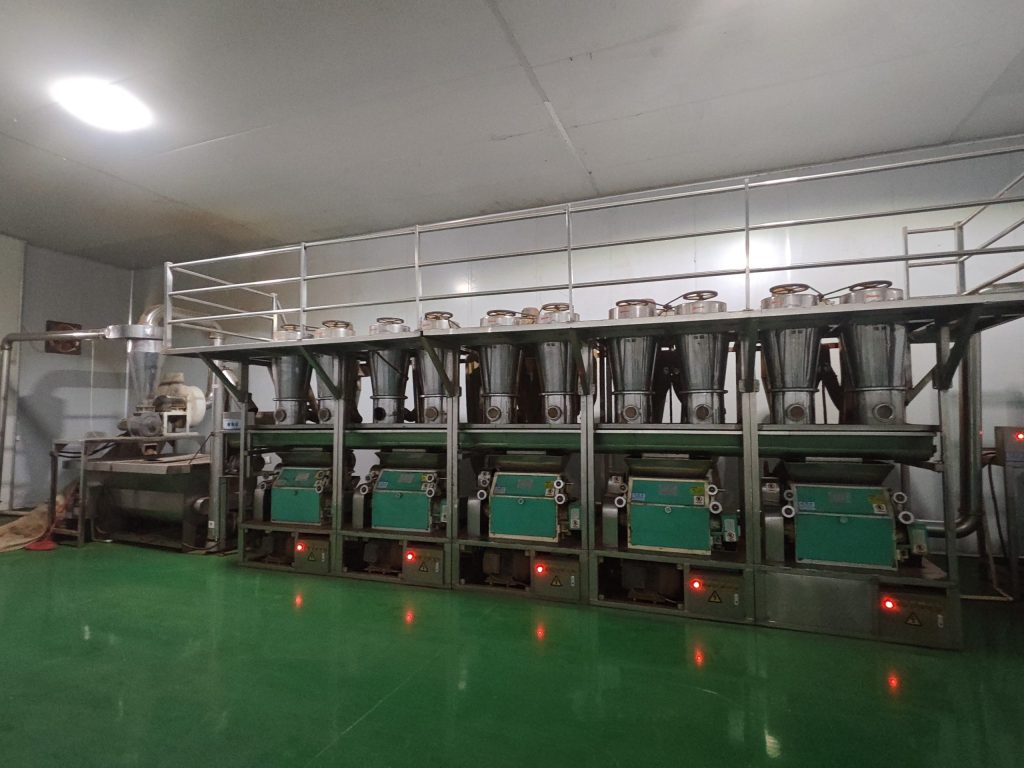
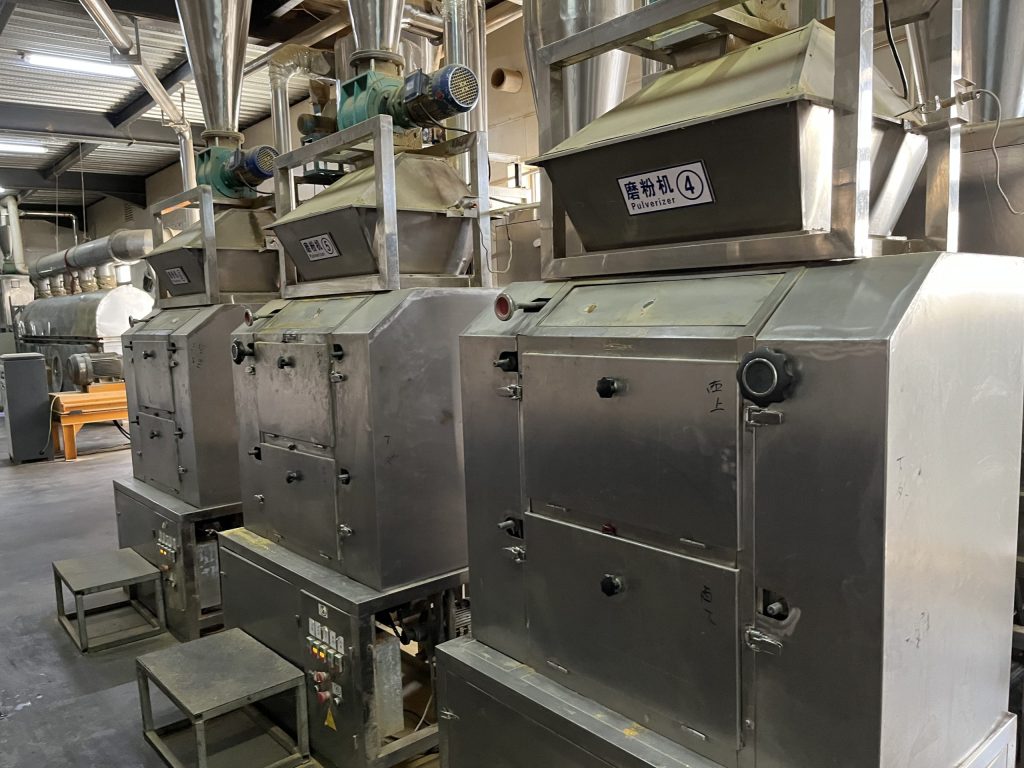
Шаг 3: Измельчение + регулирование температуры
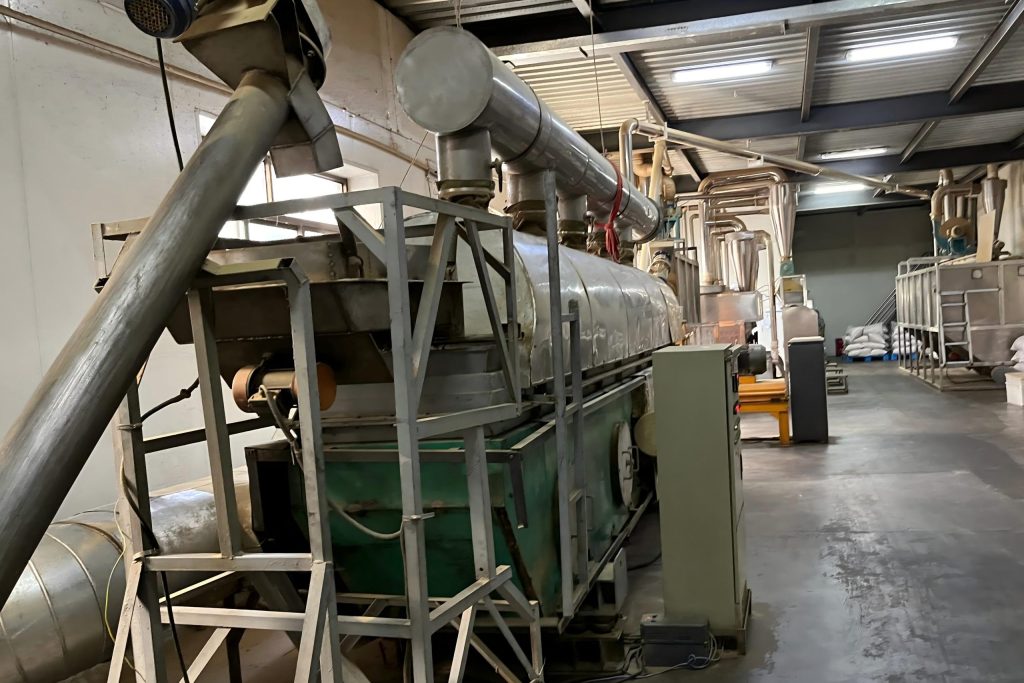
При шлифовании выделяется тепло.
Слишком высокая температура = ухудшение цвета.
Предприятия должны контролировать:
- температура мельницы
- распределение частиц по размерам
Шаг 4: Стандартизация (где возникает “иллюзия спецификаций”)
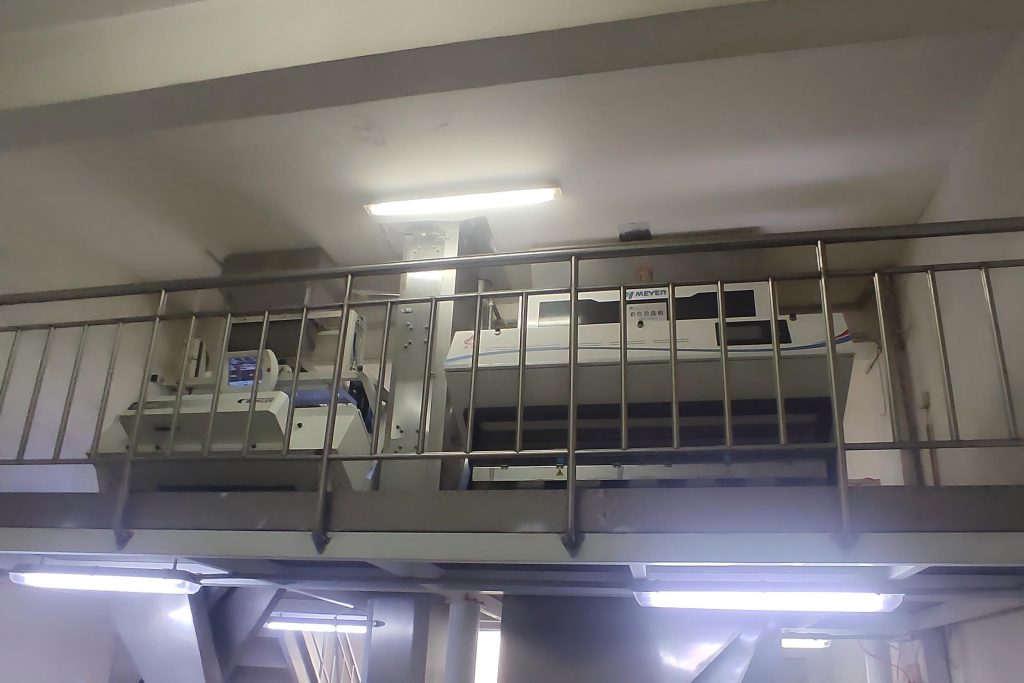
На заводах осуществляется смешивание нескольких подпартий для достижения следующих показателей:
- целевые значения цвета
- целевые цены
- целевые показатели стабильности
Скрытая реальность:
Две партии “паприки ASTA 120” могут поступить из:
- одна партия продукции с одной фермы
- или несколько смешанных партий низкого качества, стоимость которых была скорректирована в сторону повышения
Это не отображается в COA.
Аналогия:
Это как смешивать несколько сортов кофе среднего качества и заявлять о “вкусе кофе премиум-класса” — конечный вкус может соответствовать техническим требованиям, но качество сырья при этом снижается.
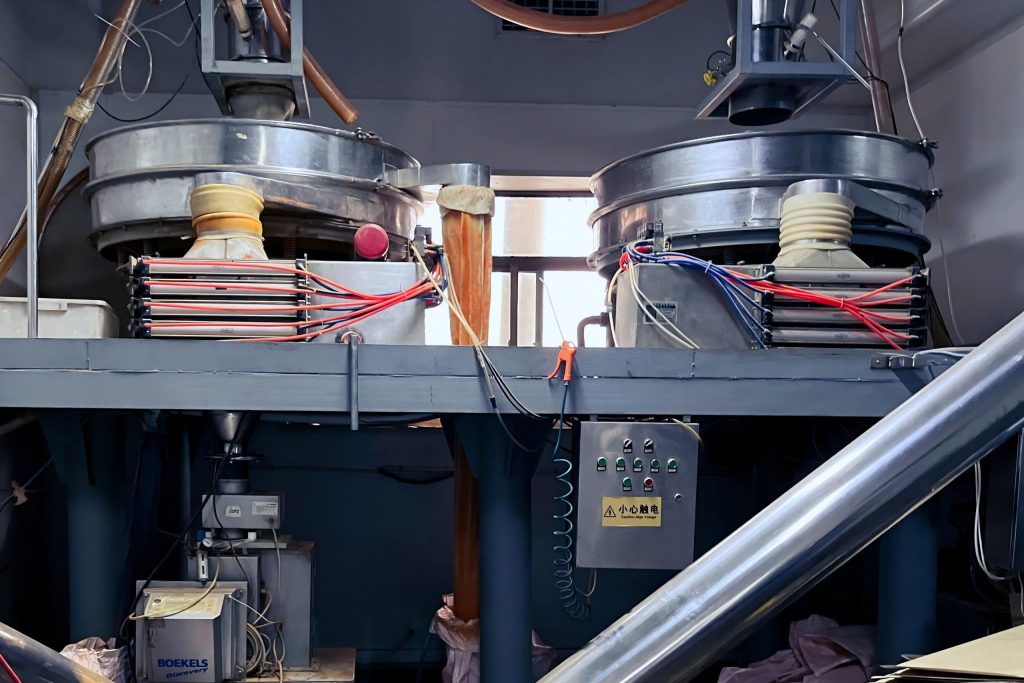
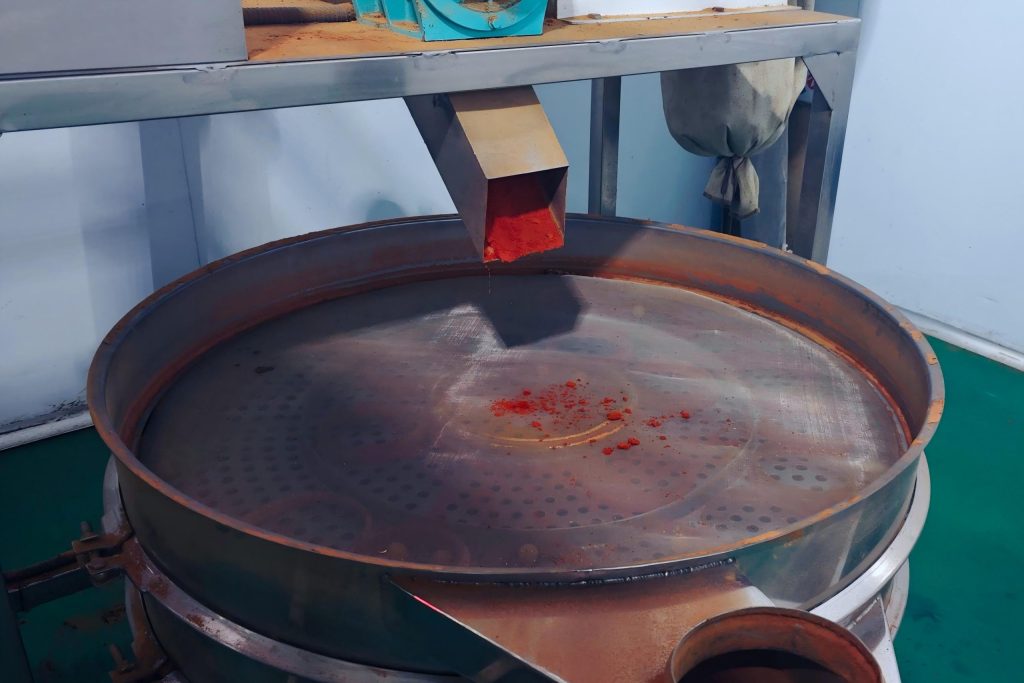
Шаг 5: Упаковка и контроль содержания кислорода
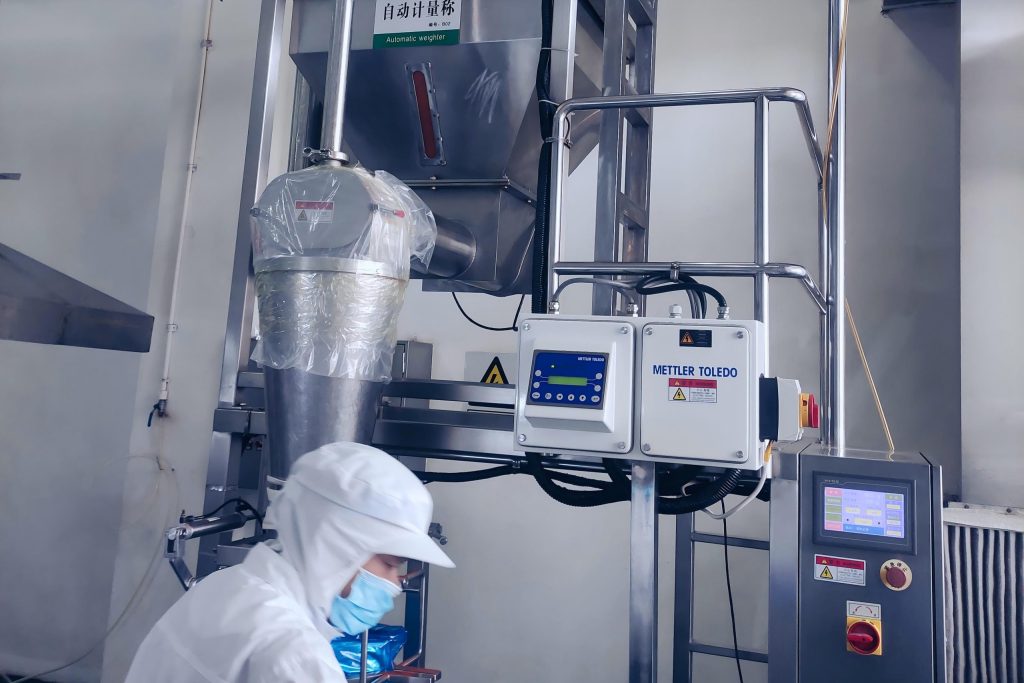
Паприка чувствительна к окислению:
- воздействие света = выцветание цвета
- кислород = потеря вкуса
В промышленной упаковке часто используются:
- вакуумная герметизация или продувка азотом
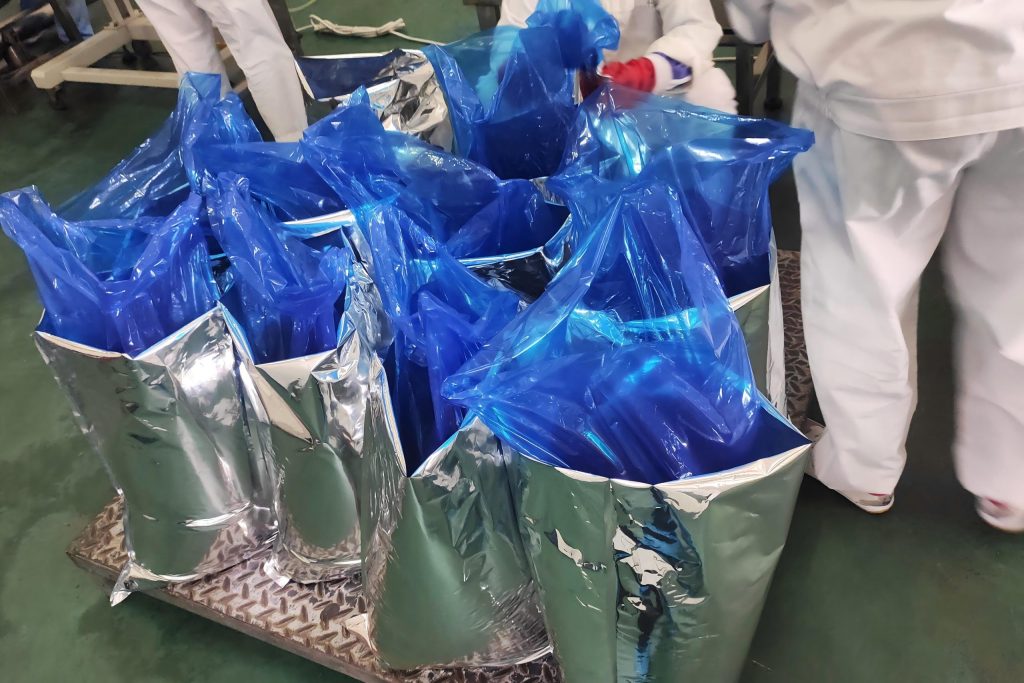
4. ГЛАВНАЯ / МЕЛКОСЕРИЙНОЕ ПРОИЗВОДСТВО
Дома приготовить паприку очень просто:
Свежий красный перец → сушка на солнце/в духовке → измельчение → хранение
Распространенные домашние методы:
- сушка в печи (при низкой температуре 60–80 °C)
- сушка на воздухе (естественная, но медленная)
- измельчение с помощью мельницы для специй
Реальность:
Домашняя паприка — это:
- менее стойкий по цвету
- более значительные колебания влажности
- более короткий срок хранения
Аналогия:
Домашняя паприка — это как свежевыжатый сок: насыщенная, но нестойкая. Промышленная паприка — это как сок в упаковке: стабильная по качеству, но подвергнутая обработке.
5. Сравнение промышленного и бытового использования
| Фактор | Промышленное производство | Домашнее производство |
|---|---|---|
| Последовательность | Высокий (стандартизированное смешивание) | Низкий |
| Контроль безопасности | HACCP / микробиологические испытания | Нет |
| Стойкость цвета | Контролируемый | Переменная |
| Масштаб | Тонн в день | Небольшая партия |
| Риск | Скрытая изменчивость смешивания | Нестабильность хранения |
Основной вывод:
Промышленная паприка не “лучше” — она просто разработанный с учетом повторяемости, а не свежесть.
6. ПОЧЕМУ ЭТО ВАЖНО ДЛЯ ПОКУПАТЕЛЕЙ В СФЕРЕ B2B (РЕАЛЬНЫЙ АНАЛИЗ)
Большинство покупателей считают, что паприка — это:
“просто сухой молотый перец”
Однако реальность в сфере закупок такова:
- Характеристики цвета зависят от способа обработки, а не от исходного перца
- COA отражает результаты только для контрольной пробы, а не для всей партии
- смешивание скрывает изменчивость
- Процесс сушки в большей степени определяет срок хранения, чем происхождение продукта
Настоящее недоразумение в сфере снабжения:
Заказчики отклоняют или утверждают поставщиков на основании лабораторных данных, но сталкиваются с проблемами на этапе производства по следующим причинам:
- Несоответствия в партиях не выявляются при проведении отдельных тестов
Аналогия: это все равно что одобрить автомобиль на основании одного тест-драйва по идеальной дороге — реальные эксплуатационные характеристики зависят от условий длительной эксплуатации.
7. РАСПРОСТРАНЕННЫЕ ЗАБЛУЖДЕНИЯ ПОКУПАТЕЛЕЙ
- “Одинаковый показатель ASTA означает одинаковое качество” ❌
- “COA гарантирует стабильность партии” ❌
- “Происхождение не имеет значения” ❌
- “Паприка — это простой пищевой ингредиент” ❌
Реальность:
Paprika ведет себя как “управляемая природная система”, а не как готовый продукт.
👉 Аналогия:
Читать этикетку — все равно что читать краткое содержание фильма: оно не передает тех ощущений, которые вызывает сам фильм.
8. Часто задаваемые вопросы (8–12 вопросов)
1. Паприка — это просто сушеный порошок из перца чили?
Да, но промышленная паприка обрабатывается с использованием контролируемых систем сушки и измельчения. Это имеет значение, поскольку условия сушки в большей степени определяют цвет и стабильность, чем сам перец.
2. Почему паприка от разных поставщиков выглядит одинаково, но по своим свойствам отличается?
Поскольку методы смешивания и сушки различаются. Две партии с одинаковыми техническими характеристиками могут вести себя по-разному в реальных производственных условиях, особенно при воздействии высоких температур или длительном хранении.
3. Какой этап является самым важным в производстве паприки?
Сушка. Она обеспечивает контроль влажности, микробиологическую безопасность и стабильность цвета. Даже небольшие отклонения на этом этапе приводят к значительным различиям на последующих этапах.
4. Может ли компания COA гарантировать качество паприки?
Нет. COA представляет собой моментальный срез по одной пробе. Он не может отразить всю вариабельность содержимого контейнера.
5. Почему на заводах смешивают партии паприки?
Для стабилизации цвета и цены. Однако купажирование может скрывать различия, связанные с происхождением сырья, что сказывается на стабильности качества при производстве.
6. Лучше ли паприка, высушенная на солнце, чем промышленно высушенная?
Не всегда. Сушка на солнце может сохранить естественный вкус, но повышает риски загрязнения и неравномерности качества.
7. Что вызывает выцветание паприки?
Окисление, воздействие высоких температур и ненадлежащий контроль процесса сушки. Это проблема технологического процесса, а не только хранения.
8. Почему контроль влажности так важен?
Высокая влажность приводит к размножению микроорганизмов и образованию комков. Даже если результаты анализа соответствуют сертификату анализа (COA), неравномерное распределение влаги внутри мешков для сыпучих материалов может привести к их повреждению в дальнейшем.
Аналогия:
Контроль влажности похож на выпечку хлеба — корочка может выглядеть хорошо, но внутри хлеб всё ещё может быть недопечённым.
9. РЕЗЮМЕ
Паприка не просто производится — её изготовление контролируется с помощью промышленных систем сушки, измельчения и смешивания.
Основные выводы:
- Степень сушки в большей степени определяет качество, чем сам сырой перец
- В промышленном производстве главное — стабильность, а не свежесть
- COA не отражает реальную картину всей партии
- Средние показатели скрывают изменчивость, скрывающуюся за стабильными цифрами
Общая аналогия:
Производство паприки — это как создание “цветового двигателя” из натурального перца: готовый порошок выглядит просто, но за ним стоит тщательно отлаженная система, обеспечивающая баланс между природой и промышленной точностью.
Если данная статья не дает исчерпывающего ответа на ваши вопросы технического или нормативного характера, обратитесь в наш коммерческий отдел для получения прямой поддержки, включая подробные технические характеристики продукции, сертификаты качества (COA) по конкретным партиям, заявления о соответствии нормативным требованиям, отчеты о проверке на наличие аллергенов, а также варианты индивидуальной упаковки.