Паприка в мясоперерабатывающей промышленности: полное руководство по цвету, вкусу и естественной консервации
Почему производители мясных продуктов выбирают паприку
Паприка (Capsicum annuum) является одной из наиболее широко используемых специй в мировой мясоперерабатывающей промышленности. От немецких братвурстов до испанского чоризо, от американских хот-догов до китайских копчёных мясных изделий — паприка выполняет три важнейшие функции в мясных продуктах:
- Естественное усиление цвета — Обладает насыщенным оттенком от красного до оранжевого, который свидетельствует о качестве и свежести
- Анализ вкусовых характеристик — Придает легкую сладость с землистыми нотками, которые прекрасно сочетаются с белками мяса
- Антиоксидантная защита — Природные каротиноиды (капсантин, капсорубин) способствуют замедлению окисления липидов, продлевая срок хранения
Для промышленных предприятий по переработке мяса, закупающих сырье в Китае, важно понимать технические характеристики паприки — в частности, Значение цвета ASTA, распределение частиц по размерам, и микробиологическая чистота — имеет решающее значение для обеспечения стабильного качества продукции.
Как значение цвета паприки (по шкале ASTA) влияет на мясные продукты
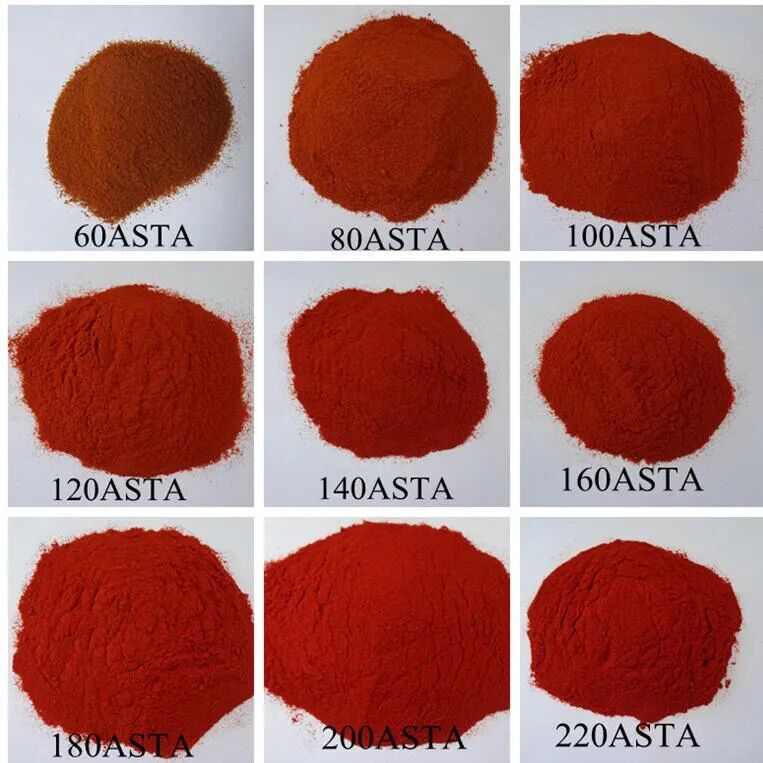
Цветовой индекс ASTA (Американской ассоциации торговцев специями) является универсальным стандартный для определения красящей способности паприки. При использовании в мясных продуктах выбор класса ASTA напрямую влияет как на внешний вид, так и на экономическую эффективность.
| Класс ASTA | Интенсивность цвета | Типичные способы приготовления мяса | Рекомендуемая норма расхода |
|---|---|---|---|
| ASTA 80–100 (стандарт) | Умеренно красный | Вареные колбасы, хот-доги, болонская колбаса | 0,5–1,51 TP3T от общей массы |
| ASTA 100–120 (Премиум) | Насыщенный красный | Сухая колбаса, салями, пепперони | 0,3–1,01 TP3T от общей массы |
| ASTA 120–150 (высший класс) | Насыщенный темно-красный | Чоризо, мясо в пряной панировке | 0,2–0,81 TP3T от общей массы |
| ASTA 150+ (ультра-премиум) | Максимальная цветопередача | Высококачественные копчёные мясные изделия, визуальные акценты | 0,1–0,51 TP3T от общей массы |
Ключевые выводы для предприятий мясоперерабатывающей промышленности
Более высокие уровни ASTA позволяют вам используйте меньшее количество средства для получения того же оттенка, что позволяет снизить общую стоимость ингредиентов на одну партию. Переход с ASTA 80 на ASTA 120 позволяет сократить расход паприки на 30–40% при сохранении тех же цветовых характеристик.
В Dinweys® Циндао, мы предлагаем четыре стандартизированных сорта ASTA, специально разработанных для применения в мясоперерабатывающей промышленности. Наши Руководство по техническим характеристикам порошка паприки содержит полные технические характеристики.
Паприка в производстве колбасных изделий
Колбаса производство является крупнейшей категорией применения промышленной паприки. Эта специя добавляется на разных этапах в зависимости от вида продукта:
Эмульгированные колбасы (франкфуртские, венские, болонские)
- Дополнительная информация: На этапе эмульгирования, после измельчения
- Функция: Обеспечивает однородный розово-красный цвет по всей эмульсии
- Предпочтения ASTA: 80–100 (стандартный класс), так как краска равномерно распределяется в эмульсии
- Размер частиц: 0,3–0,5 мм (60 меш) — рекомендуется для получения гладкой текстуры
- Коэффициент использования: 0.3–0.8%
Сухие и полусухие колбасы (салями, пепперони, летняя колбаса)
- Дополнительная информация: Смешивается с другими сухими ингредиентами перед начинением
- Функция: Изменение цвета в процессе ферментации и сушки; антиоксидантная роль в процессе выдержки
- Предпочтения ASTA: 100–120 (высший сорт), для сохранения цвета при длительном высыхании
- Размер частиц: 0,5–0,8 мм (30–40 меш) для создания визуального эффекта «спекл»
- Коэффициент использования: 0.5–1.2%
Свежие колбасы (братвурст, итальянская колбаса, колбаски для завтрака)
- Дополнительная информация: Смешано с мясным блоком вместе с приправами
- Функция: Визуальная привлекательность в розничной торговле; влияние на вкус при приготовлении
- Предпочтения ASTA: 80–100
- Коэффициент использования: 0.3–0.8%
Паприка в копчёных и переработанных мясных изделиях
Продукты сухого вяления (типа прошутто, коппа, бильтонг)
Паприка в продуктах сухого вяления выполняет двойную функцию: придание поверхности красного оттенка и регулирование влажности. Гигроскопические свойства этой специи помогают создать сухую поверхность, которая препятствует росту плесени, одновременно придавая продукту привлекательный красный оттенок.
Маринованные и инъецированные продукты
Для маринованного мяса, промаринованного методом инъекции или в барабане, олеорезин паприки (маслорастворимый экстракт) часто предпочитают молотой паприке, поскольку он:
- Равномерно распределяется с помощью впрыска рассола
- Не забивает иглы для инъекций
- Обеспечивает равномерный цвет по всей массе мяса
Китай является одним из крупнейших в мире производителей олеорезин паприки (E160c), благодаря чему китайская паприка является отличным источником сырья для получения олеорезины.
Преимущества антиоксидантов: естественное продление срока хранения
Одним из наиболее ценных — и зачастую недооцениваемых — свойств паприки в мясопереработке является её природная антиоксидантная активность.
Каротиноидные пигменты, содержащиеся в паприке, в частности капсантин и бета-каротин, выступают в качестве поглотителей свободных радикалов, замедляющих окисление липидов. Для предприятий мясоперерабатывающей промышленности это означает:
- Увеличенный срок хранения в розничной торговле — на 15–25% более длительная стабильность цвета по сравнению с рецептурами без паприки
- Снижение зависимости от синтетических антиоксидантов — паприка может частично заменить BHA/BHT в рецептурах с “чистой этикеткой”
- Повышенная эффективность хранения в замороженном состоянии — сохранение цвета и вкуса во время циклов замораживания-размораживания
Исследование, опубликованное в Журнал «Пищевая наука» было показано, что экстракт паприки в концентрации 0,05% демонстрировал антиоксидантную активность, сопоставимую с активностью BHA в концентрации 0,02%, в системах с приготовленным мясом.
Микробиологические требования к паприке мясного сорта
К предприятиям по переработке мяса предъявляются более строгие микробиологические требования, чем к большинству других секторов пищевой промышленности. При закупке паприки у китайских поставщиков необходимо проверить соответствие следующим техническим условиям:
| Параметр | Промышленный стандарт (мясной сорт) | Почему это важно |
|---|---|---|
| Общее количество микроорганизмов | ≤ 10 000 КОЕ/г | Не было занесено никаких микроорганизмов, вызывающих порчу продуктов |
| Дрожжи и плесень | ≤ 100 КОЕ/г | Стабильность поверхности в продуктах сухого вяления |
| Колиформные бактерии | ≤ 10 КОЕ/г | Показатель гигиены |
| E. coli | Отрицательный | Безопасность в отношении патогенов |
| Сальмонелла | Отрицательный/25 г | Имеет решающее значение для готовых к употреблению продуктов |
| Staphylococcus aureus | ≤ 100 КОЕ/г | Профилактика отравлений |
Dinweys® Циндао работает в соответствии с HACCP-сертифицированные протоколы обработки и предоставляет к каждой партии сертификат анализа, включающий полный комплекс микробиологических исследований.
Соблюдение требований по содержанию тяжелых металлов и пестицидов для экспортеров мяса
Если ваша готовая мясная продукция экспортируется на рынки ЕС, США или Ближнего Востока, соответствие требованиям по содержанию тяжелых металлов, предъявляемым к поставщику паприки, становится обязательным и для вашей компании. Основные предельные значения для паприки, предназначенной для мясопереработки:
| Хэви-метал | Предельное значение ЕС (мг/кг) | Предельное значение в США (мг/кг) |
|---|---|---|
| Свинец (Pb) | ≤ 3,0 | ≤ 5,0 |
| Кадмий (Cd) | ≤ 0,2 | — |
| Ртуть (Hg) | ≤ 0,1 | — |
| Мышьяк (As) | — | — |
Национальные стандарты Китая в области безопасности пищевых продуктов (GB 2762-2022) в значительной степени соответствуют предельным значениям, установленным в ЕС. Подробнее читайте в нашем Руководство по пределам в игре «Paprika Heavy Metal».
Практические советы для предприятий мясоперерабатывающей промышленности, закупающих паприку из Китая
- Запросить техническое описание, сертифицированное ASTA — Никогда не делайте покупку, ориентируясь исключительно на цену; проверьте цветовые характеристики с помощью независимых испытаний
- Подберите размер частиц в соответствии с условиями эксплуатации — Мелкое измельчение (60 меш) для эмульгированного мяса; среднее измельчение (30–40 меш) для сухой колбасы
- Определение водной активности — Паприка с показателем aw < 0,60 обладает устойчивостью к росту микроорганизмов при хранении
- Требуйте наличия сертификата HACCP — Это минимальный стандарт качества для экспортной паприки пищевого назначения из Китая
- Узнайте об облучении и вакуумной упаковке — На некоторых рынках требуются необлученные специи; уточните возможности вашего поставщика
Почему для переработки мяса используется китайская паприка?
Китай стал крупнейшим в мире производителем и экспортером паприки, что дает мясоперерабатывающим предприятиям ряд важных преимуществ:
- Масштаб и согласованность — Только в одном промышленном парке по переработке специй в городе Цзяолай провинции Шаньдун ежегодно перерабатываются тысячи тонн, что обеспечивает стабильность поставок
- Конкурентоспособные цены ASTA — Китайская паприка демонстрирует лучшее соотношение цвета по шкале ASTA и цены на мировом рынке
- Индивидуальная обработка — Размер помола, смешивание и упаковка в соответствии с требованиями мясной промышленности
- Стратегически выгодное расположение для судоходства — Порт Циндао обеспечивает прямые морские маршруты в Северную Америку, Европу и на Ближний Восток
В Dinweys® Циндао, мы специализируемся на поставках продукции, сертифицированной по стандарту ASTA паприка в порошке для промышленной переработки мяса. Обратитесь к нашему специалисту по мясной промышленности Джоанна для получения образцов и технических характеристик.
Связанные ресурсы: