البابريكا في صناعة اللحوم: الدليل الشامل للون والنكهة والحفظ الطبيعي
لماذا تختار شركات تصنيع اللحوم «بابريكا»؟
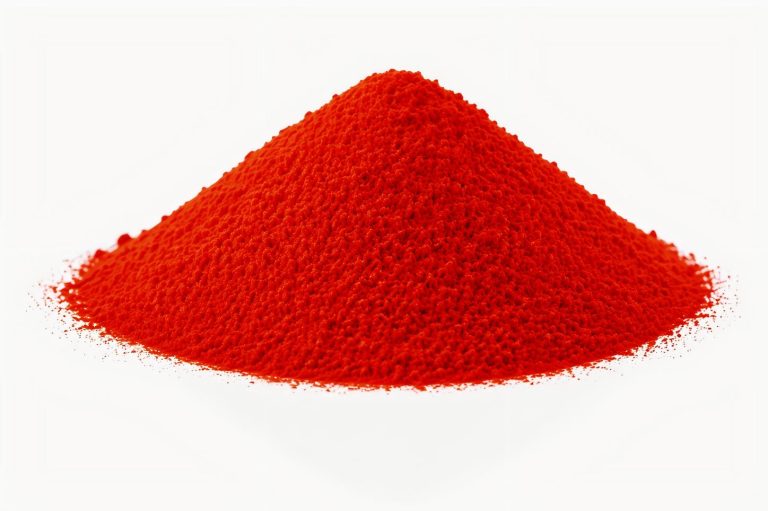
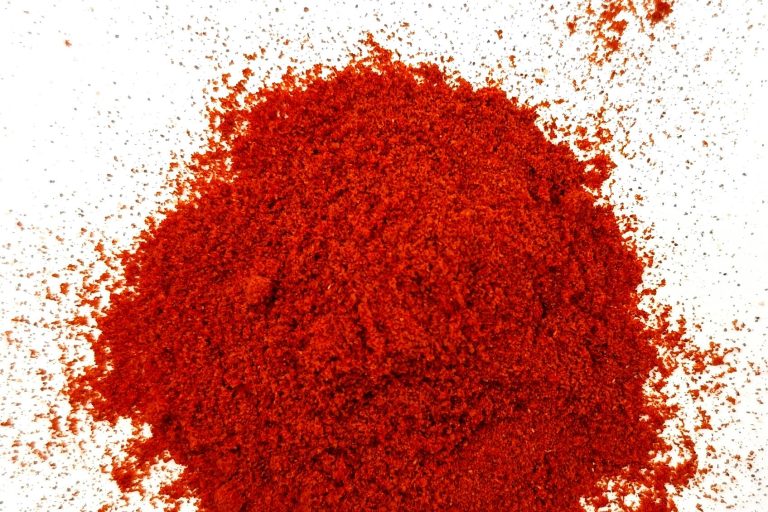
البابريكا (الفلفل الحلو) هي واحدة من أكثر التوابل استخدامًا في صناعة معالجة اللحوم على مستوى العالم. بدءًا من «براتفورست» الألمانية وصولاً إلى «تشوريزو» الإسبانية، ومن «الهوت دوغ» الأمريكية وصولاً إلى اللحوم المقددة الصينية، تؤدي البابريكا ثلاث وظائف أساسية في منتجات اللحوم:
- تحسين اللون الطبيعي — يمنح لونًا غنيًّا يتدرج من الأحمر إلى البرتقالي، مما يدل على الجودة والنضارة
- تحليل خصائص النكهة — يضفي مذاقاً حلواً خفيفاً مع نكهات ترابية تكمل نكهة بروتينات اللحوم
- الحماية المضادة للأكسدة — تساعد الكاروتينات الطبيعية (الكابسانثين، والكابسوروبين) على إبطاء أكسدة الدهون، مما يطيل مدة الصلاحية
بالنسبة لشركات تصنيع اللحوم الصناعية التي تستورد منتجاتها من الصين، فإن فهم المواصفات الفنية للبابريكا — ولا سيما قيمة اللون ASTA, توزيع حجم الجسيمات, ، و النقاء الميكروبيولوجي — أمر ضروري للحفاظ على جودة منتجات ثابتة.
كيف تؤثر درجة لون البابريكا (ASTA) على منتجات اللحوم
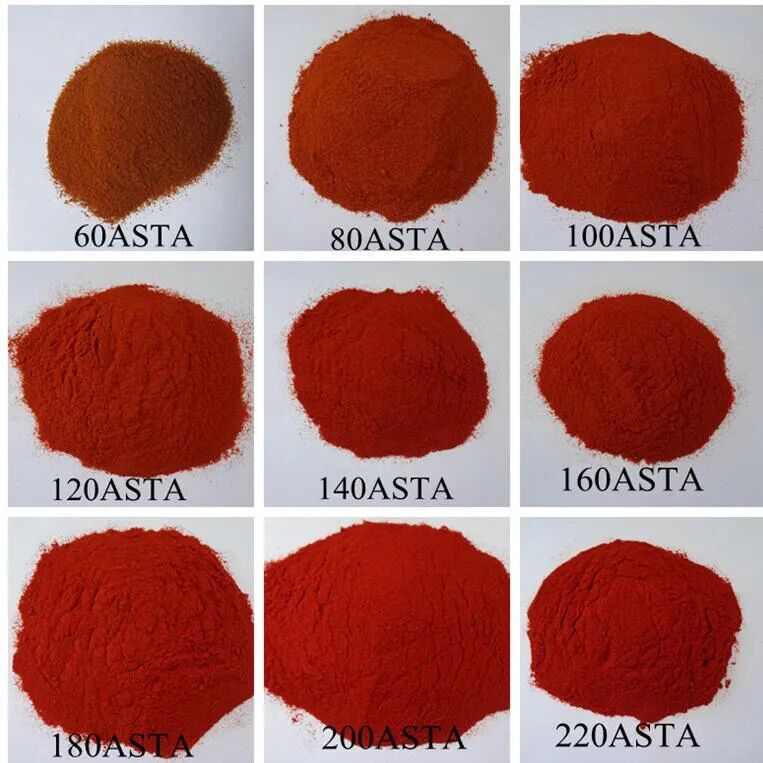
تُعد قيمة اللون التي تحددها جمعية تجارة التوابل الأمريكية (ASTA) هي المعيار العالمي قياسي لقياس قوة التلوين في البابريكا. وفيما يتعلق باستخدامات اللحوم، يؤثر اختيار درجة ASTA بشكل مباشر على كل من المظهر الجذاب والكفاءة من حيث التكلفة.
| تصنيف ASTA | شدة اللون | التطبيقات النموذجية للحوم | معدل الاستخدام الموصى به |
|---|---|---|---|
| ASTA 80–100 (قياسي) | أحمر معتدل | النقانق المطبوخة، والهوت دوغ، والبولونيا | 0.5–1.5% من الوزن الإجمالي |
| ASTA 100–120 (فئة ممتازة) | أحمر قوي | النقانق المجففة، السلامي، الببروني | 0.3–1.0% من الوزن الإجمالي |
| ASTA 120–150 (ممتاز) | أحمر غامق مكثف | الشوريزو، اللحوم المغطاة بالتوابل | 0.2–0.8% من الوزن الإجمالي |
| ASTA 150+ (فئة فائقة الجودة) | أقصى إنتاجية للألوان | لحوم مدخنة فاخرة، مظهر جذاب | 0.1–0.5% من الوزن الإجمالي |
رؤية أساسية لشركات تصنيع اللحوم
تتيح لك الدرجات الأعلى في اختبار ASTA استخدم كمية أقل من المنتج للحصول على نفس اللون, ، مما يقلل من التكلفة الإجمالية للمكونات لكل دفعة. ويمكن أن يؤدي التحول من ASTA 80 إلى ASTA 120 إلى تقليل كمية الفلفل الحلو المستخدمة بنسبة 30–40% مع الحفاظ على مواصفات اللون نفسها.
في دينويز® تشينغداو, ، نقدم أربع درجات قياسية من ASTA تمت معايرتها خصيصًا لتطبيقات معالجة اللحوم. منتجاتنا دليل مواصفات مسحوق البابريكا يقدم المعلمات الفنية الكاملة.
استخدام البابريكا في صناعة النقانق
النقانق الإنتاج وهي أكبر فئة استخدامات على الإطلاق للبابريكا الصناعية. وتُضاف هذه التوابل في مراحل مختلفة حسب نوع المنتج:
النقانق المستحلبة (فرانكفورت، فينر، بولونيا)
- نقطة إضافية: خلال مرحلة الاستحلاب، بعد الطحن
- الوظيفة: يمنح لونًا موحدًا يتراوح بين الوردي والأحمر في جميع أنحاء المستحلب
- تفضيلات ASTA: 80–100 (درجة قياسية)، حيث يتوزع اللون بالتساوي في المستحلب
- حجم الجسيمات: يُنصح باستخدام 0.3–0.5 مم (شبكة 60) للحصول على ملمس ناعم
- معدل الاستخدام: 0.3–0.8%
النقانق الجافة وشبه الجافة (السلامي، والبيبروني، ونقانق الصيف)
- نقطة إضافية: يُخلط مع المكونات الجافة الأخرى قبل الحشو
- الوظيفة: تطور اللون أثناء التخمير والتجفيف؛ ودور مضادات الأكسدة أثناء عملية النضج
- تفضيلات ASTA: 100–120 (درجة ممتازة)، للحفاظ على اللون خلال فترات التجفيف الطويلة
- حجم الجسيمات: 0.5–0.8 مم (30–40 ميش) للحصول على تأثير البقع المرئية
- معدل الاستخدام: 0.5–1.2%
النقانق الطازجة (براتورست، النقانق الإيطالية، نقانق الإفطار)
- نقطة إضافية: يُخلط مع كتلة اللحم مع التوابل
- الوظيفة: جاذبية بصرية في متاجر البيع بالتجزئة؛ وإضافة نكهة أثناء الطهي
- تفضيلات ASTA: 80–100
- معدل الاستخدام: 0.3–0.8%
الفلفل الحلو في اللحوم المقددة والمصنعة
المنتجات المُجففة (على غرار البروسكيوتو، والكوبا، والبيلتونغ)
يخدم البابريكا في اللحوم المُجففة غرضين: إضفاء لون على السطح والتحكم في الرطوبة. وتساعد الخصائص الاسترطابية لهذه التوابل على تهيئة بيئة سطحية جافة تمنع نمو العفن على السطح، مع توفير طبقة حمراء جذابة.
المنتجات المتبلة والمحشوة
بالنسبة للحوم المتبلة التي تم حقنها أو تعريضها لعملية الدوران،, راتنج البابريكا الزيتي (المستخلص القابل للذوبان في الزيت) غالبًا ما يُفضل على البابريكا المطحونة لأنه:
- يتم توزيعه بالتساوي عن طريق حقن المحلول الملحي
- لا يتسبب في انسداد إبر الحقن
- يضمن توزيعًا متجانسًا للون في جميع أنحاء نسيج اللحم
تعد الصين واحدة من أكبر منتجي راتنج البابريكا الزيتي (E160c), ، مما يجعل الفلفل الحلو الصيني مصدرًا ممتازًا للمواد الخام لاستخراج الراتنج الزيتي.
ميزة مضادات الأكسدة: إطالة مدة الصلاحية بطريقة طبيعية
تعد إحدى الخصائص الأكثر قيمة — والتي غالبًا ما يتم تجاهلها — للبابريكا في مجال تجهيز اللحوم هي النشاط المضاد للأكسدة الطبيعي.
أصباغ الكاروتينويد الموجودة في الفلفل الحلو، ولا سيما الكابسانثين و بيتا كاروتين, ، تعمل كمزيلات للجذور الحرة التي تبطئ عملية أكسدة الدهون. وبالنسبة لشركات تصنيع اللحوم، فإن هذا يعني:
- تمديد مدة الصلاحية في متاجر البيع بالتجزئة — استقرار لوني يدوم لفترة أطول تصل إلى 15–25% مقارنة بالتركيبات التي لا تحتوي على الفلفل الحلو
- تقليل الاعتماد على مضادات الأكسدة الاصطناعية — يمكن أن يحل البابريكا جزئيًا محل مركبي BHA/BHT في التركيبات ذات “الملصق النظيف”
- أداء أفضل في التخزين المجمد — الحفاظ على اللون والنكهة خلال دورات التجميد والذوبان
دراسة نُشرت في مجلة علوم الأغذية أثبتت الدراسة أن مستخلص البابريكا بتركيز 0.05% أظهر نشاطًا مضادًا للأكسدة مماثلاً لـ 0.02% من مادة BHA في أنظمة اللحوم المطبوخة.
المواصفات الميكروبيولوجية للبابريكا المخصصة للاستخدام في صناعة اللحوم
تتطلب شركات تصنيع اللحوم معايير ميكروبيولوجية أكثر صرامة مقارنة بمعظم قطاعات الأغذية الأخرى. عند شراء البابريكا من الموردين الصينيين، تأكد من استيفاء المواصفات التالية:
| المعلمة | المعيار الصناعي (درجة اللحوم) | لماذا هذا مهم؟ |
|---|---|---|
| إجمالي عدد الجراثيم | ≤ 10,000 وحدة تشكيل المستعمرة/غرام | لم يتم إدخال أي كائنات مسببة للتلف |
| الخميرة والعفن | ≤ 100 وحدة تشكيل المستعمرة/غرام | استقرار السطح في المنتجات المُعالجة بالتجفيف |
| البكتيريا القولونية | ≤ 10 وحدة تشكيل المستعمرة/غرام | مؤشر النظافة |
| إي. كولي | سلبي | سلامة العوامل الممرضة |
| السالمونيلا | سالب/25 غرام | أمر بالغ الأهمية بالنسبة للمنتجات الجاهزة للأكل |
| المكورات العنقودية الذهبية | ≤ 100 وحدة تشكيل المستعمرة/غرام | الوقاية من السموم |
دينويز® تشينغداو تعمل بموجب نظام تحليل المخاطر ونقاط التحكم الحرجة (HACCP)-بروتوكولات معالجة معتمدة، وتقدم شهادة تحليل مع كل شحنة، بما في ذلك الاختبارات الميكروبيولوجية الكاملة.
الامتثال للمعايير المتعلقة بالمعادن الثقيلة والمبيدات الحشرية لمصدري اللحوم
إذا كانت منتجات اللحوم الجاهزة الخاصة بك تُصدَّر إلى أسواق الاتحاد الأوروبي أو الولايات المتحدة أو الشرق الأوسط، فإن التزام مورد البابريكا الخاص بك بمعايير المعادن الثقيلة يصبح التزامًا عليك أنت أيضًا. القيم الحدية الرئيسية للبابريكا المخصصة لتصنيع اللحوم:
| المعادن الثقيلة | الحد الأقصى المسموح به في الاتحاد الأوروبي (ملغ/كغ) | الحد الأقصى المسموح به في الولايات المتحدة (ملغم/كجم) |
|---|---|---|
| الرصاص (Pb) | ≤ 3,0 | ≤ 5.0 |
| الكادميوم (Cd) | ≤ 0.2 | — |
| الزئبق (Hg) | ≤ 0.1 | — |
| الزرنيخ (As) | — | — |
تتوافق المعايير الوطنية الصينية لسلامة الأغذية (GB 2762-2022) بشكل وثيق مع الحدود القصوى المحددة من قبل الاتحاد الأوروبي. اقرأ المزيد في دليل حدود لعبة «Paprika Heavy Metal».
نصائح عملية لمصنعي اللحوم الراغبين في استيراد البابريكا من الصين
- اطلب ورقة مواصفات معتمدة من ASTA — لا تشترِ أبدًا بناءً على السعر وحده؛ تحقق من جودة الألوان من خلال اختبارات تجريها جهات خارجية
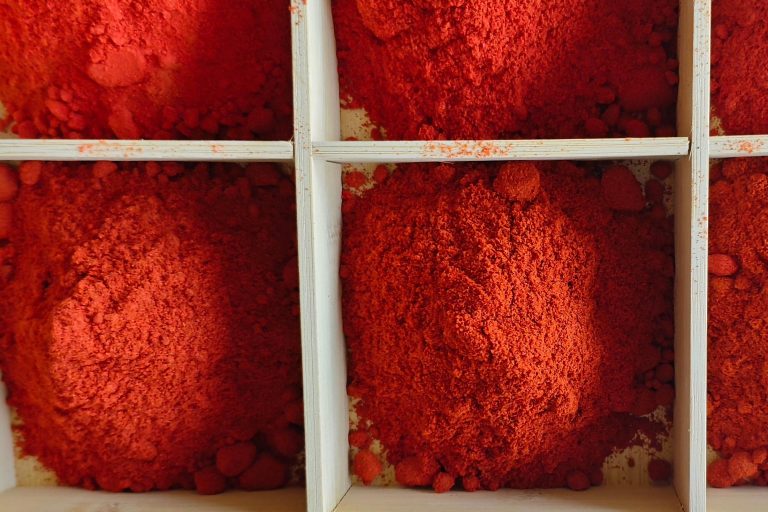
- اختر حجم الجسيمات المناسب لاستخدامك — طحن ناعم (60 ميش) للحوم المستحلبة؛ طحن متوسط (30–40 ميش) للنقانق الجافة
- اختبار النشاط المائي — البابريكا التي تقل نسبة «aw» فيها عن 0.60 تقاوم نمو الميكروبات أثناء التخزين
- الإصرار على الحصول على شهادة HACCP — هذا هو الحد الأدنى لمعايير الجودة الخاصة بصادرات الفلفل الحلو الصالحة للاستهلاك الغذائي من الصين
- استفسر عن التعبئة بالتشعيع/التعبئة بالفراغ — تتطلب بعض الأسواق توابلًا غير معالجة بالإشعاع؛ لذا تأكد من قدرات موردك
لماذا يُستخدم الفلفل الحلو الصيني في صناعة اللحوم؟
برزت الصين كأكبر منتج ومصدر للبابريكا في العالم، وتتمتع بمزايا رئيسية لشركات تصنيع اللحوم، وهي:
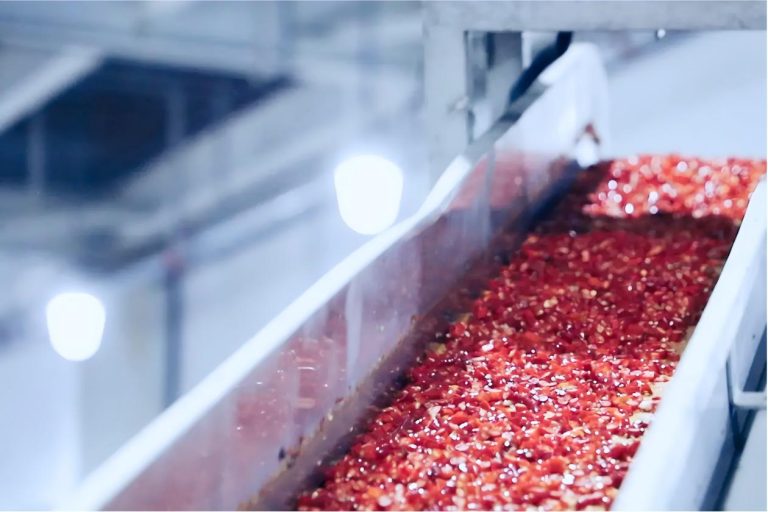
- الحجم والاتساق — يقوم «مجمع جياولاي الصناعي لتجهيز التوابل» في مقاطعة شاندونغ وحده بمعالجة آلاف الأطنان سنويًّا، مما يضمن استقرار الإمدادات
- أسعار تنافسية من ASTA — يُعد الفلفل الأحمر الصيني الأفضل من حيث نسبة اللون إلى السعر وفقًا لمعيار ASTA في السوق العالمية
- المعالجة حسب الطلب — حجم الطحن، والخلط، والتعبئة مصممة خصيصًا لتلبية متطلبات صناعة اللحوم
- موقع استراتيجي للشحن البحري — يوفر ميناء تشينغداو خطوطًا بحرية مباشرة إلى أمريكا الشمالية وأوروبا والشرق الأوسط
في دينويز® تشينغداو, ، نحن متخصصون في توريد المنتجات المصنفة وفقًا لمعايير ASTA مسحوق الفلفل الحلو لتجهيز اللحوم الصناعي. اتصل بأخصائي صناعة اللحوم لدينا جوانا للحصول على عينات والمواصفات الفنية.
الموارد ذات الصلة: