
Стандарты на паприку в США и Китае: руководство для покупателей
При поиске поставщиков паприка На международном уровне многие покупатели полагают, что стандарты в разных странах в целом схожи. На самом деле, США и Китай придерживаются совершенно разных подходы к определению понятия «паприка» качество, соответствие требованиям и стабильность.
Это различие носит не только нормативный характер — оно напрямую влияет на характеристики цвета, стабильность затрат, однородность партий и результаты производства пищевых продуктов.
Если вы являетесь импортером продуктов питания, производителем смесей специй или владельцем бренда под собственной торговой маркой, понимание этих различий поможет вам избежать несоответствия требований поставщиков и сократить производство риск.
Почему стандарты Paprika не являются универсальными
Паприка не подпадает под действие единой глобальной системы классификации. Вместо этого её качество оценивается на основе совокупности следующих факторов:
- Интенсивность цвета (по шкале ASTA или эквивалентному цветовому индексу)
- Устойчивость к влаге
- Микробная безопасность
- Соответствие нормативам по содержанию остаточных веществ (пестициды, загрязняющие вещества)
- Физические характеристики (размер ячейки, однородность частиц)
Каждая страна по-разному расставляет приоритеты среди этих факторов в зависимости от того, как паприка используется в её пищевой промышленности.
1. Стандарты США на паприку: приоритет соответствия требованиям, ориентация на практическое применение
В Соединенных Штатах паприку в основном рассматривают как пищевой ингредиент и добавка, придающая цвет используется в продуктах пищевой промышленности, смесях приправ и специях, продаваемых в розничной торговле.
Основные особенности системы США:
1. Безопасность и соблюдение нормативных требований — превыше всего
Американские покупатели уделяют особое внимание следующим аспектам:
- Соблюдение требований FDA в области безопасности пищевых продуктов
- HACCP / Системы производства в соответствии с GMP
- Процедуры по контролю аллергенов
- Документация и отслеживаемость
Основное внимание уделяется не столько классификации сельскохозяйственной продукции, сколько тому, является ли данный продукт безопасен, стабилен и соответствует законодательным требованиям для использования в пищевой промышленности.
2. В стране не существует строгих национальных категорий классификации паприки
В отличие от некоторых сельскохозяйственных товаров, в США не применяется единая национальная шкала оценки качества паприки.
Напротив, качество определяется следующим образом:
- Технические паспорта поставщиков
- Внутренние стандарты бренда
- Результаты тестирования, ориентированного на покупателя
Это означает, что качество паприки зачастую определённое в договоре, а не установленное правительством.
3. Характеристики цветопередачи являются ключевым функциональным показателем
В промышленности паприку ценят прежде всего за:
- Интенсивность цвета в продуктах питания, прошедших технологическую обработку
- Стабильность при термической обработке
- Согласованность между партиями
Производители часто используют лабораторные методы измерения цвета для обеспечения воспроизводимости результатов в процессе производства.
В Соединенных Штатах использование паприки в пищевых целях, как правило, регулируется в соответствии с требованиями Управления по контролю за продуктами и лекарствами (FDA) 21 CFR (Свод федеральных правил, раздел 21) нормативная база, в частности положения, регулирующие использование красящих добавок и пищевых ингредиентов.
Вместо того чтобы устанавливать требования к самой паприке, данное постановление уделяет основное внимание идентичность, безопасность и условия допустимого использования в системах производства пищевых продуктов.
2. Китайские стандарты на паприку: система производства, ориентированная на технические требования
Китай является одним из крупнейших в мире центров по переработке и экспорту паприки. Его система отличается высокой степенью ориентированные на производство и адаптированные к потребностям покупателя.
Вместо того чтобы опираться на единую национальную систему классификации, качество паприки, как правило, контролируется посредством условия экспорта, согласованные между поставщиком и покупателем.
1. Технические требования, определяемые заказчиком
К общим параметрам управления относятся:
- Интенсивность цвета (по шкале ASTA или аналогичному показателю)
- Уровень влажности (важен для стабильности при хранении)
- Однородность размера ячейки (например, мелкая, средняя, крупная) порошок)
- Пределы микробиологической безопасности
- Соответствие требований к остаточным веществам в зависимости от рынка сбыта
👉 На практике китайские поставщики часто производят паприку в соответствии с требования целевых рынков (ЕС, США, Ближний Восток и т. д.).
2. Особое внимание к эффективности производства
Отрасль производства паприки в Китае основана на следующих факторах:
- Поиск поставщиков сырья в крупных объемах
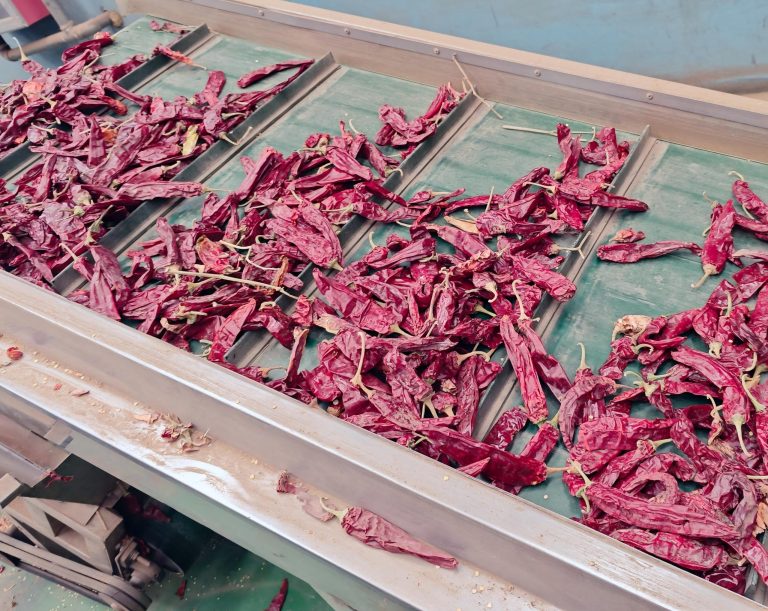
- Централизованные установки для сушки и измельчения
- Обработка экспортных партий большого объема
- Оптимизация затрат на единицу цвета
Благодаря этому Китай обладает высокой конкурентоспособностью в следующих областях:
- Контракты на оптовые поставки
- Сырье для промышленного производства продуктов питания
- Производство приправ под частной торговой маркой
3. Гибкость при корректировке технических требований
Одним из основных преимуществ китайской системы является гибкость:
- Уровень ASTA часто можно настроить индивидуально
- Размер ячейки можно регулировать в зависимости от конкретного применения
- Форматы упаковки могут быть адаптированы с учетом потребностей импортеров
Благодаря этому он подходит для покупателей, которым требуется специально разработанная промышленная паприка вместо стандартизированных розничных брендов специй.
В Китае контроль качества паприки, как правило, осуществляется в соответствии с национальными стандартами безопасности пищевых продуктов в рамках Система GB (Guobiao), в частности общие стандарты безопасности пищевых продуктов и контроля загрязнений, такие как GB 2762 (предельные значения содержания загрязняющих веществ) и GB 2763 (предельные значения содержания остатков пестицидов), а не единый закон о классификации, касающийся исключительно паприки.
3. Глобальный эталон: интенсивность цвета (значение ASTA)
Несмотря на различия в нормативно-правовом регулировании, поставщики как из США, так и из Китая в конечном итоге ориентируются на один ключевой отраслевой ориентир:
👉 Значение цвета по шкале ASTA (или эквивалентный индекс интенсивности цвета)
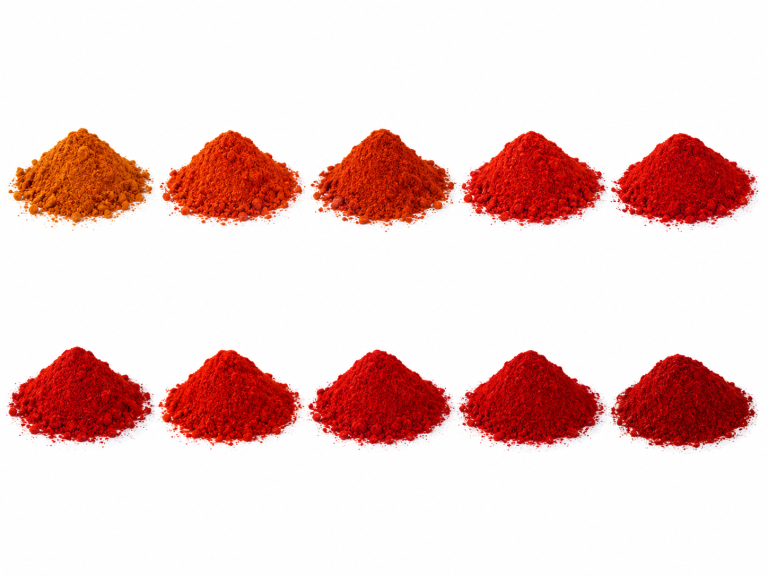
Этот показатель отражает концентрацию пигмента в паприке и напрямую влияет на:
- Интенсивность цвета в готовых пищевых продуктах
- Необходимая дозировка на одну партию
- Экономическая эффективность на килограмм продукции
Значение цвета по шкале ASTA — это не просто число, это стандартизированная система спектрофотометрических измерений, используемая для количественного определения концентрации экстрагируемого пигмента в паприке в контролируемых лабораторных условиях.
Однако результаты могут варьироваться в зависимости от метода экстракции, условий использования растворителя и калибровки лаборатории.
Типичное промышленное толкование:
| Насыщенность цвета | Значение в промышленности |
|---|---|
| Низкий | Основной материал для смешивания |
| Средний | Стандартный пищевой промышленный класс |
| Высокий | Класс «Премиум» по цветопередаче |
| Очень высокий | Высокоэффективный промышленный окрашивающий компонент |
👉 Чем выше интенсивность цвета, тем меньше паприки требуется при производстве.
4. Основные различия между системами выращивания паприки в США и Китае
1. Нормативно-правовая база
- США: Система, ориентированная на соблюдение нормативных требований и обеспечение безопасности
- Китай: Система экспортного производства, ориентированная на технические требования
2. Определение качества
- США: Определяется требованиями покупателей и соблюдением нормативных требований
- Китай: Определяется экспортными спецификациями и производственными параметрами
3. Ориентация на цепочку поставок
- США: Прослеживаемость, брендинг и обеспечение безопасности пищевых продуктов
- Китай: Масштабируемость, контроль затрат и настройка партий
4. Контроль однородности продукции
- США: Надежные системы документирования и аудита
- Китай: Эффективный контроль производства и соблюдение требований к партиям продукции
| Регион | Нормативно-правовая база | Фокус |
|---|---|---|
| Соединенные Штаты | Правила FDA по пищевым продуктам (21 CFR) | Безопасность, идентификация, соблюдение требований |
| Китай | Национальные стандарты Великобритании в области безопасности пищевых продуктов | Примеси, остатки, экспортные требования |
| Мировая торговля | Системы определения требований заказчика | Цвет, влажность, консистенция |
5. Распространённые ошибки, которые допускают покупатели при сравнении поставщиков
Ошибка № 1: Сравнение стран вместо сравнения технических характеристик
Сама по себе страна происхождения не определяет качество паприки. Два поставщика из одной и той же страны могут поставлять продукцию совершенно разного качества.
Ошибка № 2: Неучет влажности и стабильности при хранении
Даже паприка с насыщенным цветом может быстро испортиться, если в процессе переработки или транспортировки не обеспечивается надлежащий контроль влажности.
Ошибка № 3: Чрезмерное внимание к цене за кг
Более значимым показателем является:
стоимость одного функционального цветного оттиска
Иногда паприка по более высокой цене на самом деле оказывается более рентабельной в производстве.
Ошибка № 4: Отсутствие стандартизации методов тестирования
Различные лаборатории могут указывать разные значения цвета, если их методы не согласованы.
6. Как профессиональным закупщикам следует оценивать поставщиков паприки
Прежде чем утвердить какого-либо поставщика, запросите:
Основные технические характеристики:
- Проверенный отчет об испытании интенсивности цвета
- Требования к содержанию влаги
- Распределение размеров ячеи
- Результаты проверки на соответствие микробиологическим требованиям
Меры контроля в цепочке поставок:
- Регион поставки сырья
- Метод сушки и переработки
- Система отслеживания партий продукции
Показатели стабильности:
- Данные о сохранности цвета в течение срока хранения
- Метод защиты упаковки (кислородный/влагобарьер)
Почему возникает ситуация “одинаковые характеристики — разные результаты”
Даже если два поставщика заявляют о соответствии одной и той же спецификации ASTA или требованиям по влажности, фактические эксплуатационные характеристики могут различаться вследствие:
- изменения в профилях температуры сушки
- различия между сортами сырого перца
- степень окисления при хранении
- влияние высокой температуры при измельчении на стабильность пигмента
👉 Именно поэтому промышленные покупатели часто оценивают паприку по тестирование эффективности в реальных составах, а не только проверка сертификатов.
7. Вывод: Настоящее отличие заключается в архитектуре системы, а не в качестве
Стандарты на паприку в США и Китае не являются конкурирующими моделями — они различные промышленные системы, отвечающие различным потребностям рынка.
- В системе США приоритет отдается соответствие требованиям, безопасность и отслеживаемость
- В китайской системе приоритет отдается масштабируемость, гибкость и экономическая эффективность
Для международных закупщиков лучшая стратегия поиска поставщиков заключается не в том, чтобы отдавать предпочтение одной системе перед другой, а в том, чтобы понять, как их сочетать:
- Требования к соблюдению нормативных требований на уровне США
- Гибкость производства на уровне Китая
Именно на этом сочетании и основаны современные глобальные цепочки поставок специй.
8. Часто задаваемые вопросы: Стандарты на паприку в США и Китае
1. В чём же на самом деле заключается разница между стандартами на паприку в США и Китае? На первый взгляд они выглядят довольно похожими.
На первый взгляд, да — они кажутся похожими. Но логика, лежащая в их основе, различна.
Система США в основном ориентирована на безопасность пищевых продуктов, соблюдение нормативных требований и получение разрешений регулирующих органов, тогда как в Китае речь идет скорее о индивидуальные технические условия с учетом требований заказчика и системы контроля промышленного производства.
2. На что следует обратить больше внимания: на страну происхождения или на технические характеристики?
Большинство опытных покупателей скажут вам одно и то же: Не уделяйте чрезмерного внимания происхождению, сосредоточьтесь на технических характеристиках.
На самом деле важны такие характеристики ASTA, как цвет, уровень влажности, размер ячейки и консистенция, а не указание на этикетке места происхождения.
3. Всегда ли более высокий показатель ASTA — это лучше? Поставщики постоянно повторяют: “Чем выше — тем лучше”.”
Не обязательно.
Более высокий показатель ASTA означает более насыщенный цвет, но это не всегда означает лучшие эксплуатационные характеристики.
Если стабильность низкая, цвет может ухудшиться в процессе хранения или переработки. В реальных производственных условиях стабильность часто имеет большее значение, чем пиковое значение.
4. Почему два поставщика указывают “100 ASTA”, но цвет выглядит по-разному?
Такая ситуация на рынке встречается очень часто. Причины, как правило, следующие:
- Различные методы тестирования или лаборатории
- Колебания качества сырья
- Срок хранения и различия в окислении
Поэтому одно только число не даёт полного представления о ситуации — нужно знать, как оно было получено.
5. Действительно ли китайские поставщики могут адаптировать уровни ASTA по запросу?
Да, но при определенных условиях.
Крупные и опытные заводы, как правило, могут удерживать показатель ASTA в заданных пределах, тогда как более мелкие поставщики могут лишь “приблизительно” достигать целевого значения.
Рекомендуется установить четкий диапазон допуска, например ±5 или ±10 ASTA.
6. Действительно ли американские продукты из паприки качественнее китайских?
Не совсем. Это не простой рейтинг качества.
Система США более ориентированный на соблюдение нормативных требований и обеспечение прослеживаемости, в то время как Китай — это скорее гибкое производство и оптимизация затрат.
На самом деле, в зависимости от поставщика, оба сорта могут давать высококачественную паприку.
7. Почему цены у китайских поставщиков паприки так сильно различаются?
Даже если товары выглядят одинаково, структура затрат может значительно различаться по следующим причинам:
- Регион поставки сырья
- Технологии сушки и переработки
- Стабильность интенсивности цвета
- Стандарты микробиологического контроля
Таким образом, одинаковый внешний вид не означает одинаковую себестоимость.
8. С какой наиболее распространённой проблемой сталкиваются покупатели при закупке паприки?
Как правило, речь не идет о “плохом качестве” в прямом смысле этого слова.
На самом деле проблема заключается в том, что несоответствие партии— одна партия работает нормально, а следующая ведет себя по-другому в производственной среде.
Это вынуждает производителей постоянно корректировать рецептуры.
9. Можно ли использовать одну унифицированную спецификацию как для поставщиков из США, так и из Китая?
Да, и это, собственно, самый разумный способ.
Вам следует составить собственную внутреннюю спецификацию, включающую:
- Линейка ASTA
- Предельное содержание влаги
- Размер ячейки
- Микробиологические стандарты
В противном случае каждый поставщик будет руководствоваться собственным толкованием.
10. Что действительно имеет наибольшее значение при закупке паприки для пищевой промышленности?
Многие считают, что дело в цвете. На самом деле ключевым моментом является:
👉 стабильность + стабильность от партии к партии
Цвет — это всего лишь конечный результат. А вот стабильность — вот что определяет ваши реальные производственные затраты и эффективность.