
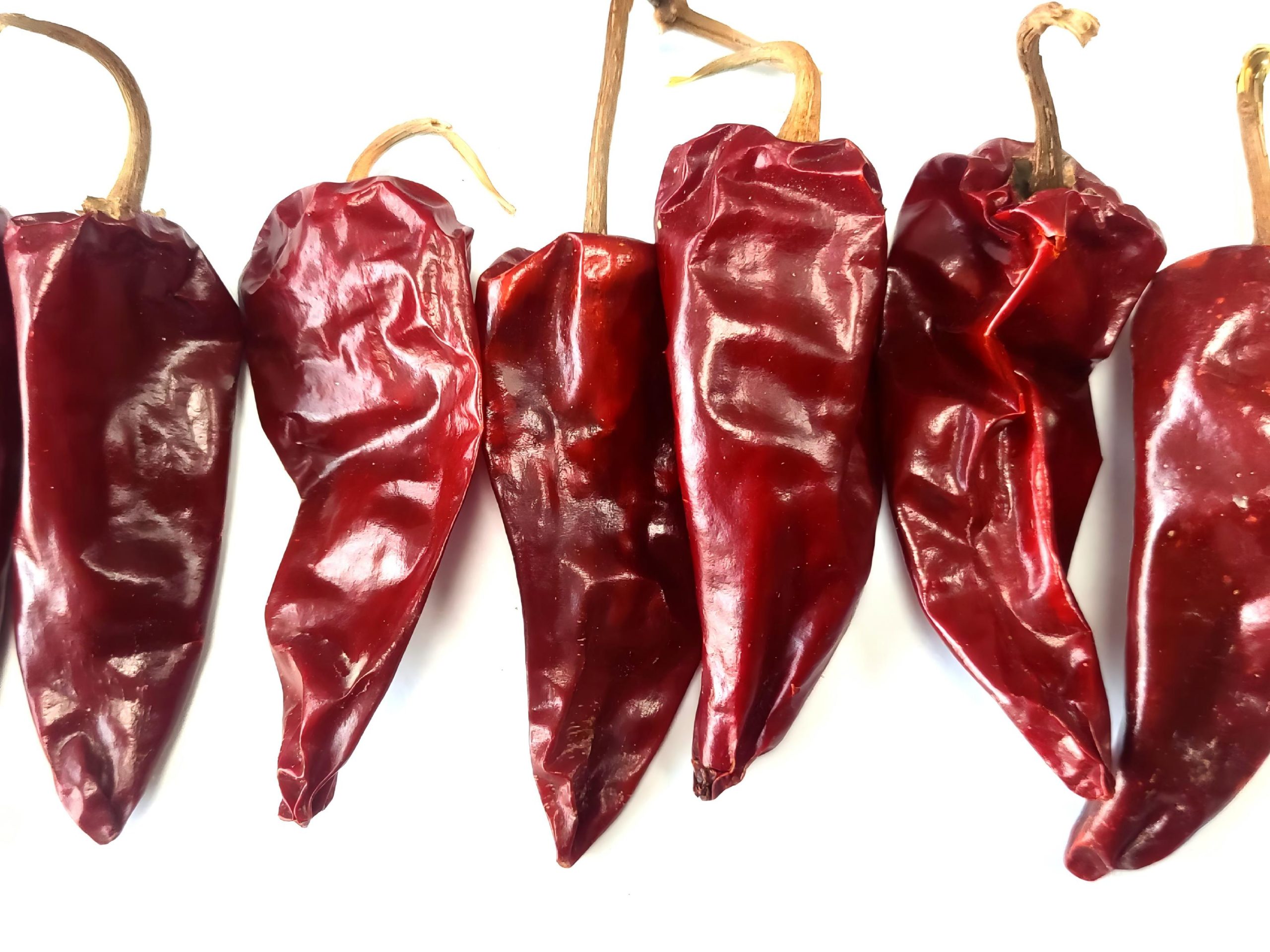
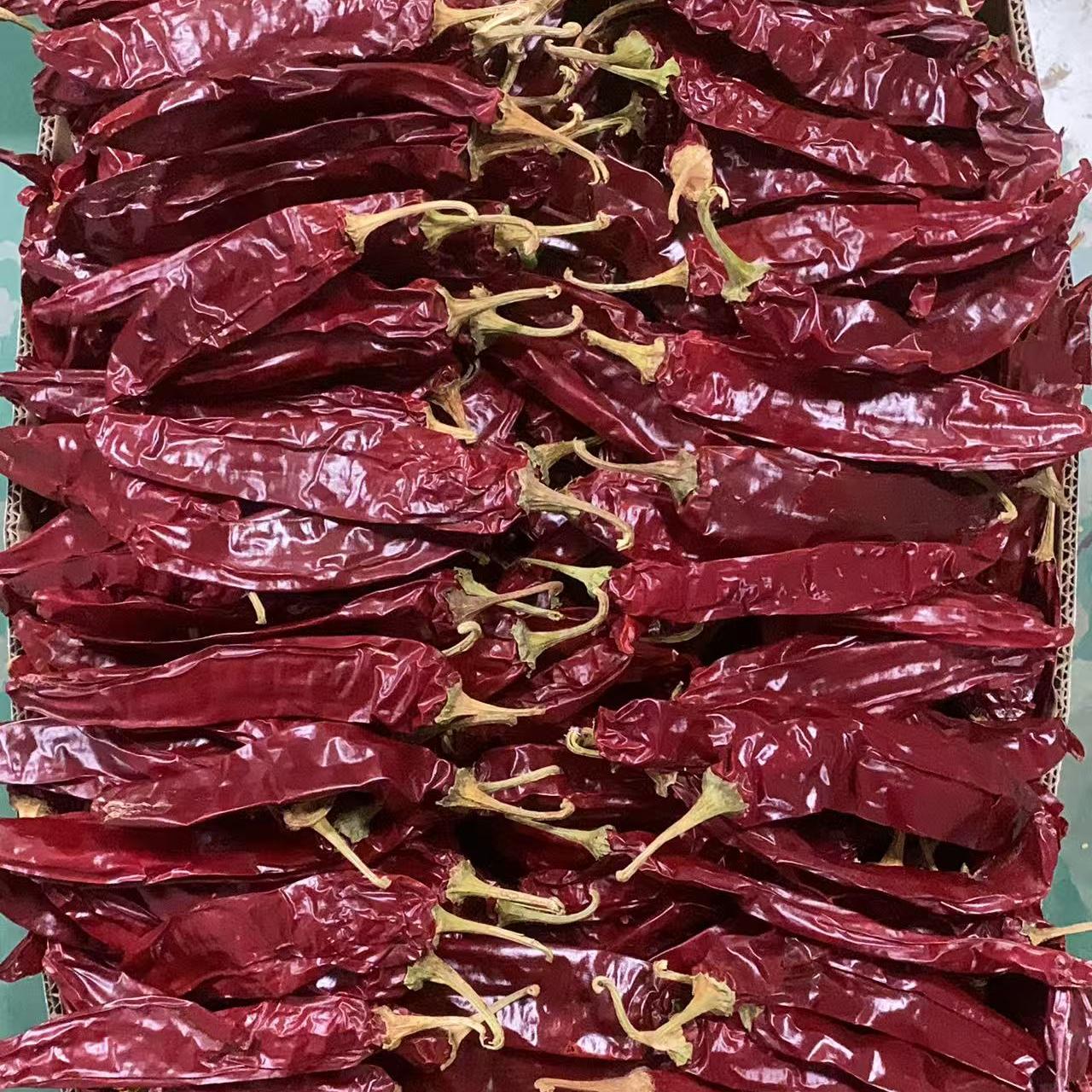
Сушеные целые стручки паприки (поставщик экспортного качества из Китая)
Скачать техническое описание цельных стручков паприки
Сушеные стручки паприки представляют собой сырьевую промышленную форму паприки, используемую в основном для последующей переработки, например, для измельчения в порошок или нарезки на хлопья. В отличие от готового порошка паприки, стручки позволяют производителям более точно контролировать стандартизацию по ASTA, смешивание и окончательную калибровку цвета.
На экспортных рынках мы часто наблюдаем, что крупные переработчики специй отдают предпочтение стручкам, когда стремятся снизить зависимость от колебаний качества готового молотого порошка. Многие производители продуктов питания выбирают этот сорт, если у них есть собственные мощности по измельчению или экстракции, особенно в Европе и на Ближнем Востоке.
Распространенной ошибкой при закупках является мнение, что капсулы — это продукт более низкого качества. На самом деле капсулы — это формат сырья с повышенным уровнем контроля, что позволяет предприятиям самостоятельно регулировать показатель ASTA, размер частиц и соотношения компонентов в смеси. Это придает им стратегическое значение для компаний, стремящихся оптимизировать долгосрочные затраты на разработку рецептур и обеспечить их стабильность.
С точки зрения производства сушеные стручки также снижают риски, связанные с окислением порошка во время длительной транспортировки, что является серьезной проблемой в тропических и влажных регионах-импортерах.
Dried paprika pods are whole dehydrated sweet pepper fruits used for further processing into paprika flakes, powder, or food applications. This export-grade sulfite-free material is widely used by food manufacturers, spice processors, and seasoning producers. Buyers select this grade for stable raw material sourcing, controlled ASTA output after grinding, and reliable bulk supply from China.
ОБЗОР ПРОДУКТА
Dried paprika pods represent the primary upstream raw material stage in the paprika processing supply chain. Unlike finished powder or flakes, pods are used by industrial buyers who require full control over grinding, blending, and ASTA standardization.
From 15+ years of export experience, we often observe that pod buyers fall into two categories:
- large-scale spice processors with milling capacity
- high-control formulation manufacturers seeking ASTA flexibility
This product is not simply an agricultural dried good—it is a strategic formulation input.
ASTA potential (after grinding) typically reaches 115–130, depending on final processing conditions. However, the real value of pods lies in their ability to allow manufacturers to adjust pigment concentration through blending multiple batches.
Many manufacturers choose paprika pods when they want to reduce dependency on pre-standardized powder supply. Powder suppliers often deliver fixed ASTA values, but pods allow internal optimization based on customer-specific formulations.
A common procurement mistake is underestimating the importance of drying uniformity. If pods are unevenly dried, downstream ASTA variation becomes difficult to control during grinding. This is why serious buyers evaluate not just color, but moisture distribution and structural integrity of the pod itself.
In export markets, we often observe that European spice processors prefer pods when they operate centralized milling systems, while Southeast Asian buyers tend to prefer finished powder due to lower capital investment.
From a cost-performance standpoint, pods reduce upstream processing cost but shift complexity to the buyer’s facility. This trade-off is why they are typically used by experienced industrial processors rather than entry-level importers.
ТЕХНИЧЕСКИЕ ХАРАКТЕРИСТИКИ
| Параметр | Технические характеристики |
|---|---|
| Название продукта | Dried Whole Paprika Pods |
| Форма | Whole dried pepper (stemless optional) |
| ASTA (after grinding) | 115–130 |
| Цвет | Ярко-красный |
| Влажность | ≤ 10% |
| Эш | ≤ 6% |
| Length | 10–16 cm |
| Посторонние вещества | ≤ 0.5% |
| Mold/Insect Damage | ≤ 0.5% |
| SO₂ | < 10 ppm (sulfite-free) |
| Упаковка | 12.5–25kg bags (foil liner optional) |
| Срок годности | 24 месяца |
| Хранение | Cool, dry, ventilated |
| Происхождение | Xinjiang, Gansu, China |
ОСНОВНЫЕ ХАРАКТЕРИСТИКИ И ПРЕИМУЩЕСТВА
- Full control over final ASTA output through internal grinding
- Reduced oxidation risk during transport compared to powder
- Ideal for industrial milling systems and spice factories
- Flexible formulation blending capability at buyer side
- Stable raw material structure for uniform grinding yield
- Sulfite-free processing for clean-label applications
- Lower dependency on supplier powder standardization
- High adaptability for flakes or powder production lines
РУКОВОДСТВО ДЛЯ ПОКУПАТЕЛЯ
Who should buy
- Spice grinding factories
- Paprika powder manufacturers
- Industrial seasoning producers
- Food ingredient processors with milling lines
Кому НЕ следует покупать
- Retail spice brands without processing equipment
- Small food manufacturers without grinding capacity
Real procurement logic
In export procurement, pods are selected not for simplicity but for control and cost engineering flexibility. Many large buyers switch from powder to pods when they want to reduce long-term ingredient cost volatility.
ПРИМЕНЕНИЕ
1. Paprika powder manufacturing
Pods are ground into powder to achieve customized ASTA levels. Dosage control happens at milling stage.
2. Flake production
Mechanical cutting systems convert pods into flakes for seasoning decoration.
3. Oleoresin extraction
Used as raw input for pigment extraction systems in industrial food coloring.
4. Ethnic cuisine supply chain
Used in Mediterranean and Middle Eastern cooking for stuffing and simmering applications.
АНАЛИТИКА В ОБЛАСТИ ЗАКУПОК
Typical purchasing behavior:
- Trial order: 3–5 tons
- Scaling phase: 10–20 tons
- Industrial buyers: multiple containers annually
In export markets, we often observe that pod buyers prioritize raw material integrity over immediate color value, because ASTA is determined later in their own facility.
Key cost strategy
Pods reduce supplier margin stacking (processing + grinding + packaging), shifting value creation to buyer-side optimization.
Seasonal impact
- Harvest season: highest quality structural integrity
- Off-season: higher moisture variation risk
ОБЪЯСНЕНИЕ ПОНЯТИЯ «ASTA VALUE»
ASTA is not fixed in pods—it is determined after grinding. This gives buyers control over:
- blending ratios
- pigment calibration
- final product consistency
This is why pods are considered a formulation control input rather than a finished ingredient.
Сравнение классов ASTA
| ASTA | Форма | Use Case | Control Level |
|---|---|---|---|
| 40–80 | Порошок | Low cost blending | Низкий |
| 80–120 | Порошок | Промышленный стандарт | Средний |
| 120–150 | Порошок | Export grade | Medium-high |
| Капсулы | Raw material | Full control processing | Highest |
ТЕХНОЛОГИЧЕСКИЙ ПРОЦЕСС
- Fresh paprika harvesting
- Мытье и сортировка
- Stem removal (optional)
- Low-temperature dehydration
- Color preservation drying
- Whole pod selection grading
- Foreign matter removal
- Moisture stabilization
- Packaging for export
- Container loading
КОНТРОЛЬ КАЧЕСТВА
- Moisture uniformity testing
- Mold & insect inspection
- Color retention evaluation
- Foreign matter control
- Traceability batch system
- Pesticide residue testing
- Heavy metal compliance
ОБЗОРЫ ОТРАСЛИ
- Pods reduce supplier dependency but increase buyer processing responsibility
- Drying inconsistency is the #1 cause of downstream ASTA variation
- Many buyers underestimate milling loss rate (5–12%)
- European processors prefer pods for long-term cost control
- Southeast Asia prefers powder due to lower CAPEX
АНАЛИЗ РЫНКА
- Europe: milling-based procurement model (high pod demand)
- Middle East: mixed use for flakes + powder systems
- Africa: limited pod usage (prefers powder imports)
- USA: niche processors + specialty food manufacturers
- Latin America: moderate industrial use
ЭКСПОРТ И ЛОГИСТИКА
- Packaging: 12.5–25kg bags (foil optional)
- Container load: 8–10 tons per 20FT
- Documents: COA, origin certificate, health certificate
- Shipping: FOB China ports
ОБРАЗЦЫ И ДОКУМЕНТАЦИЯ
- Pod samples available for inspection
- COA per batch
- Moisture & impurity report
- Export compliance documents
- Имеются фотографии со съемок
ПОЧЕМУ СТОИТ ВЫБРАТЬ PAPRIKABULK.COM
- Direct paprika manufacturer in China
- Надежная сеть поставок сырья
- Controlled drying system for pods
- Export experience to EU/US/Japan
- Flexible MOQ for industrial buyers
- Consistent grading system
- Long-term supply contracts available
Часто задаваемые вопросы
Q1: Why do some manufacturers prefer pods instead of powder?
Because pods provide full control over ASTA and final formulation at the processing stage.
Q2: Is ASTA fixed in paprika pods?
No, ASTA is determined after grinding and blending.
Q3: What is the main risk in buying pods?
Moisture inconsistency affecting grinding yield and color stability.
Q4: Who should NOT buy pods?
Buyers without milling or processing capability.
Q5: Why are pods cost-efficient?
They eliminate upstream processing costs such as grinding and standardization.
ЗАПРОС
👉 Request Pod Samples
👉 Get COA & Moisture Report
👉 Ask for FOB Pricing
👉 Request Container Quote
👉 Discuss Processing Partnership