
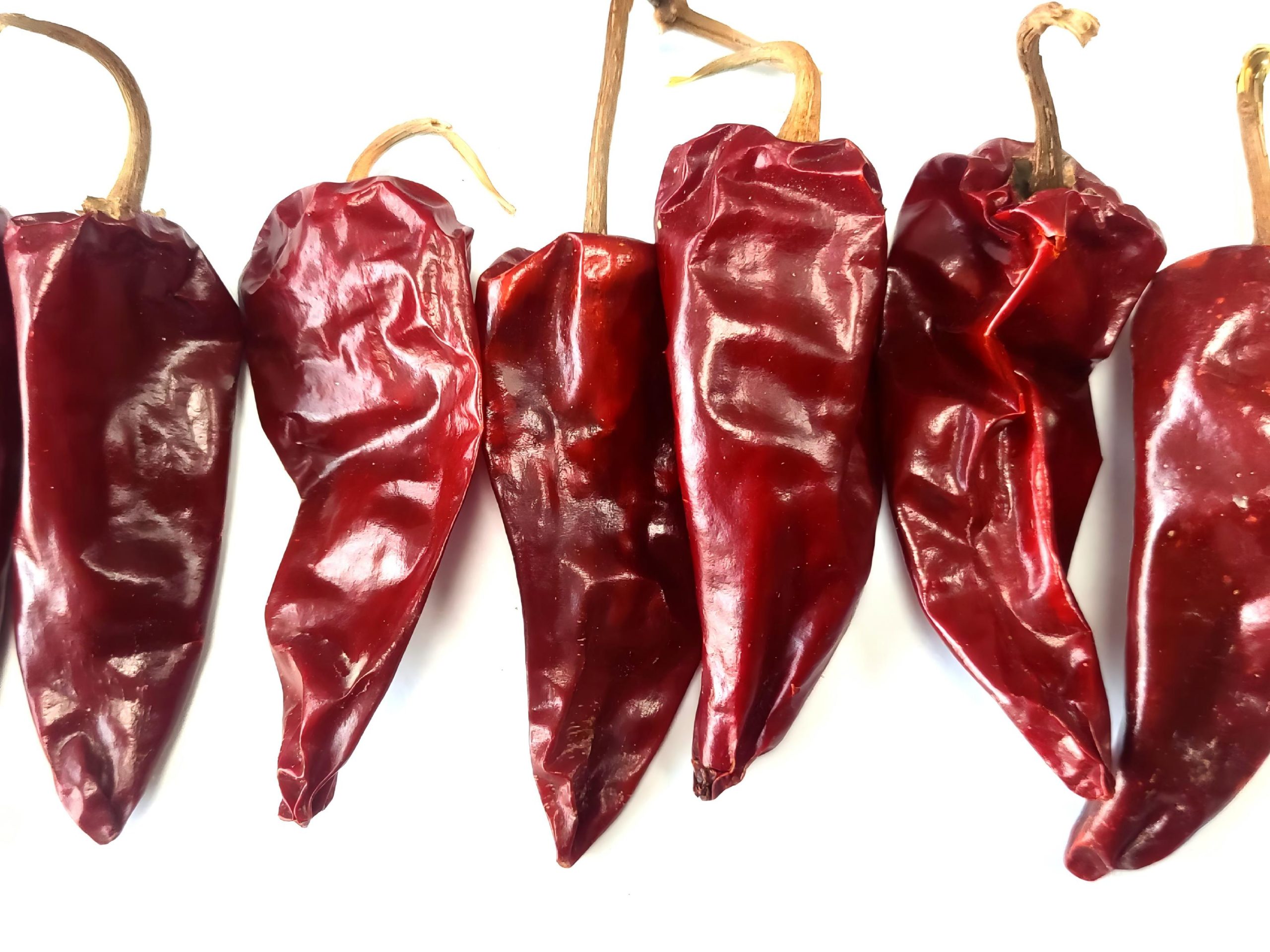
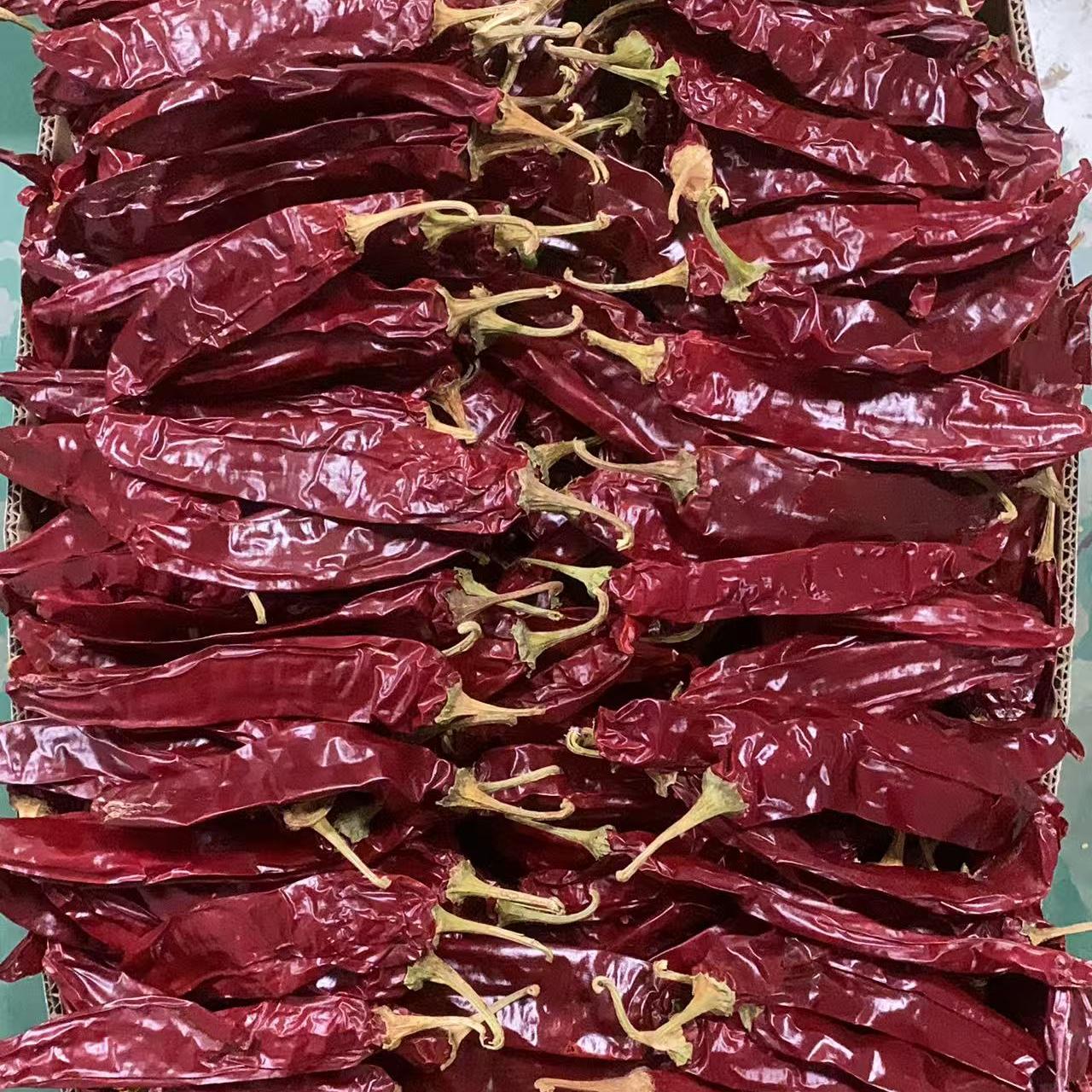
قرون الفلفل الحلو الكاملة المجففة (مورد من الصين بجودة التصدير)
تنزيل ورقة مواصفات حبات الفلفل الحلو الكاملة
تُعد حبات الفلفل الحلو المجففة شكلاً صناعيًّا خامًّا من الفلفل الحلو، وتُستخدم في المقام الأول في عمليات المعالجة اللاحقة، مثل طحنها إلى مسحوق أو تقطيعها إلى رقائق. وعلى عكس مسحوق الفلفل الحلو الجاهز، تتيح الحبات للمصنعين تحكماً أكبر في عملية التوحيد وفقاً لمعايير ASTA، وعملية المزج، ومعايرة اللون النهائية.
في أسواق التصدير، نلاحظ في كثير من الأحيان أن كبار مصنعي التوابل يفضلون استخدام الحبوب الكاملة عندما يرغبون في تقليل الاعتماد على التباين في جودة المسحوق المطحون مسبقًا. ويختار العديد من مصنعي الأغذية هذه الدرجة عندما يكون لديهم منشآت طحن أو استخلاص خاصة بهم، لا سيما في أوروبا والشرق الأوسط.
من الأخطاء الشائعة في مجال المشتريات الافتراض بأن الكبسولات منتج من الدرجة الثانية. في الواقع، الكبسولات هي صيغة المواد الخام ذات مستوى التحكم الأعلى, ، مما يتيح للمصانع ضبط معدل ASTA وحجم الجسيمات ونسب المزج داخليًّا. وهذا يجعلها ذات أهمية استراتيجية للشركات التي تسعى إلى تحسين تكلفة التركيبات واتساقها على المدى الطويل.
من الناحية الإنتاجية، تقلل القرون المجففة أيضًا من المخاطر المرتبطة بأكسدة المسحوق خلال فترات الشحن الطويلة، وهي مشكلة كبيرة في المناطق الاستوائية والرطبة التي تستورد هذه المنتجات.
Dried paprika pods are whole dehydrated sweet pepper fruits used for further processing into paprika flakes, powder, or food applications. This export-grade sulfite-free material is widely used by food manufacturers, spice processors, and seasoning producers. Buyers select this grade for stable raw material sourcing, controlled ASTA output after grinding, and reliable bulk supply from China.
نظرة عامة على المنتج
Dried paprika pods represent the primary upstream raw material stage in the paprika processing supply chain. Unlike finished powder or flakes, pods are used by industrial buyers who require full control over grinding, blending, and ASTA standardization.
From 15+ years of export experience, we often observe that pod buyers fall into two categories:
- large-scale spice processors with milling capacity
- high-control formulation manufacturers seeking ASTA flexibility
This product is not simply an agricultural dried good—it is a strategic formulation input.
ASTA potential (after grinding) typically reaches 115–130, depending on final processing conditions. However, the real value of pods lies in their ability to allow manufacturers to adjust pigment concentration through blending multiple batches.
Many manufacturers choose paprika pods when they want to reduce dependency on pre-standardized powder supply. Powder suppliers often deliver fixed ASTA values, but pods allow internal optimization based on customer-specific formulations.
A common procurement mistake is underestimating the importance of drying uniformity. If pods are unevenly dried, downstream ASTA variation becomes difficult to control during grinding. This is why serious buyers evaluate not just color, but moisture distribution and structural integrity of the pod itself.
In export markets, we often observe that European spice processors prefer pods when they operate centralized milling systems, while Southeast Asian buyers tend to prefer finished powder due to lower capital investment.
From a cost-performance standpoint, pods reduce upstream processing cost but shift complexity to the buyer’s facility. This trade-off is why they are typically used by experienced industrial processors rather than entry-level importers.
المواصفات الفنية
| المعلمة | المواصفات |
|---|---|
| اسم المنتج | Dried Whole Paprika Pods |
| نموذج | Whole dried pepper (stemless optional) |
| ASTA (after grinding) | 115–130 |
| اللون | أحمر فاقع |
| الرطوبة | ≤ 10% |
| الرماد | ≤ 6% |
| Length | 10–16 cm |
| المواد الغريبة | ≤ 0.5% |
| Mold/Insect Damage | ≤ 0.5% |
| ثاني أكسيد الكبريت (SO₂) | < 10 ppm (sulfite-free) |
| التغليف | 12.5–25kg bags (foil liner optional) |
| مدة الصلاحية | 24 شهراً |
| التخزين | Cool, dry, ventilated |
| الأصل | Xinjiang, Gansu, China |
الميزات والمزايا الرئيسية
- Full control over final ASTA output through internal grinding
- Reduced oxidation risk during transport compared to powder
- Ideal for industrial milling systems and spice factories
- Flexible formulation blending capability at buyer side
- Stable raw material structure for uniform grinding yield
- Sulfite-free processing for clean-label applications
- Lower dependency on supplier powder standardization
- High adaptability for flakes or powder production lines
BUYER GUIDE
Who should buy
- Spice grinding factories
- Paprika powder manufacturers
- Industrial seasoning producers
- Food ingredient processors with milling lines
من لا ينبغي له الشراء
- Retail spice brands without processing equipment
- Small food manufacturers without grinding capacity
Real procurement logic
In export procurement, pods are selected not for simplicity but for control and cost engineering flexibility. Many large buyers switch from powder to pods when they want to reduce long-term ingredient cost volatility.
APPLICATIONS
1. Paprika powder manufacturing
Pods are ground into powder to achieve customized ASTA levels. Dosage control happens at milling stage.
2. Flake production
Mechanical cutting systems convert pods into flakes for seasoning decoration.
3. Oleoresin extraction
Used as raw input for pigment extraction systems in industrial food coloring.
4. Ethnic cuisine supply chain
Used in Mediterranean and Middle Eastern cooking for stuffing and simmering applications.
PROCUREMENT INSIGHT
Typical purchasing behavior:
- Trial order: 3–5 tons
- Scaling phase: 10–20 tons
- Industrial buyers: multiple containers annually
In export markets, we often observe that pod buyers prioritize raw material integrity over immediate color value, because ASTA is determined later in their own facility.
Key cost strategy
Pods reduce supplier margin stacking (processing + grinding + packaging), shifting value creation to buyer-side optimization.
Seasonal impact
- Harvest season: highest quality structural integrity
- Off-season: higher moisture variation risk
شرح مفهوم «قيمة ASTA»
ASTA is not fixed in pods—it is determined after grinding. This gives buyers control over:
- blending ratios
- pigment calibration
- final product consistency
This is why pods are considered a formulation control input rather than a finished ingredient.
ASTA GRADE COMPARISON
| ASTA | نموذج | Use Case | Control Level |
|---|---|---|---|
| 40–80 | مسحوق | Low cost blending | منخفض |
| 80–120 | مسحوق | Industrial standard | متوسط |
| 120–150 | مسحوق | Export grade | Medium-high |
| الكبسولات | Raw material | Full control processing | Highest |
MANUFACTURING PROCESS
- Fresh paprika harvesting
- الغسل والفرز
- Stem removal (optional)
- Low-temperature dehydration
- Color preservation drying
- Whole pod selection grading
- Foreign matter removal
- Moisture stabilization
- Packaging for export
- Container loading
QUALITY CONTROL
- Moisture uniformity testing
- Mold & insect inspection
- Color retention evaluation
- Foreign matter control
- Traceability batch system
- Pesticide residue testing
- Heavy metal compliance
INDUSTRY INSIGHTS
- Pods reduce supplier dependency but increase buyer processing responsibility
- Drying inconsistency is the #1 cause of downstream ASTA variation
- Many buyers underestimate milling loss rate (5–12%)
- European processors prefer pods for long-term cost control
- Southeast Asia prefers powder due to lower CAPEX
MARKET INTELLIGENCE
- Europe: milling-based procurement model (high pod demand)
- Middle East: mixed use for flakes + powder systems
- Africa: limited pod usage (prefers powder imports)
- USA: niche processors + specialty food manufacturers
- Latin America: moderate industrial use
EXPORT & LOGISTICS
- Packaging: 12.5–25kg bags (foil optional)
- Container load: 8–10 tons per 20FT
- Documents: COA, origin certificate, health certificate
- Shipping: FOB China ports
SAMPLE & DOCUMENTATION
- Pod samples available for inspection
- COA per batch
- Moisture & impurity report
- Export compliance documents
- Production photos available
WHY CHOOSE PAPRIKABULK.COM
- Direct paprika manufacturer in China
- Stable raw material sourcing network
- Controlled drying system for pods
- Export experience to EU/US/Japan
- Flexible MOQ for industrial buyers
- Consistent grading system
- Long-term supply contracts available
الأسئلة الشائعة
Q1: Why do some manufacturers prefer pods instead of powder?
Because pods provide full control over ASTA and final formulation at the processing stage.
Q2: Is ASTA fixed in paprika pods?
No, ASTA is determined after grinding and blending.
Q3: What is the main risk in buying pods?
Moisture inconsistency affecting grinding yield and color stability.
Q4: Who should NOT buy pods?
Buyers without milling or processing capability.
Q5: Why are pods cost-efficient?
They eliminate upstream processing costs such as grinding and standardization.
INQUIRY
👉 Request Pod Samples
👉 Get COA & Moisture Report
👉 Ask for FOB Pricing
👉 Request Container Quote
👉 Discuss Processing Partnership