ASTA 120 — поставщик высококачественного порошка паприки для экспорта из Китая
ТЕХНИЧЕСКОЕ ОПИСАНИЕ ПРОДУКТА ПРЕМИУМ-КЛАССА (ASTA100+) — СКАЧАТЬ PDF
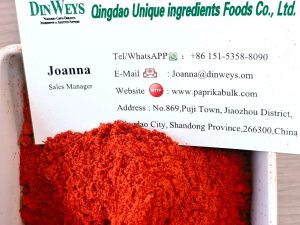
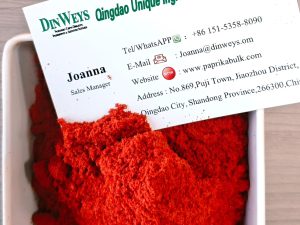
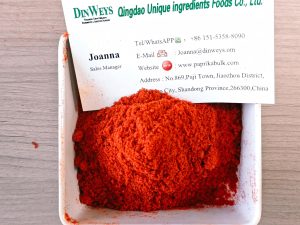
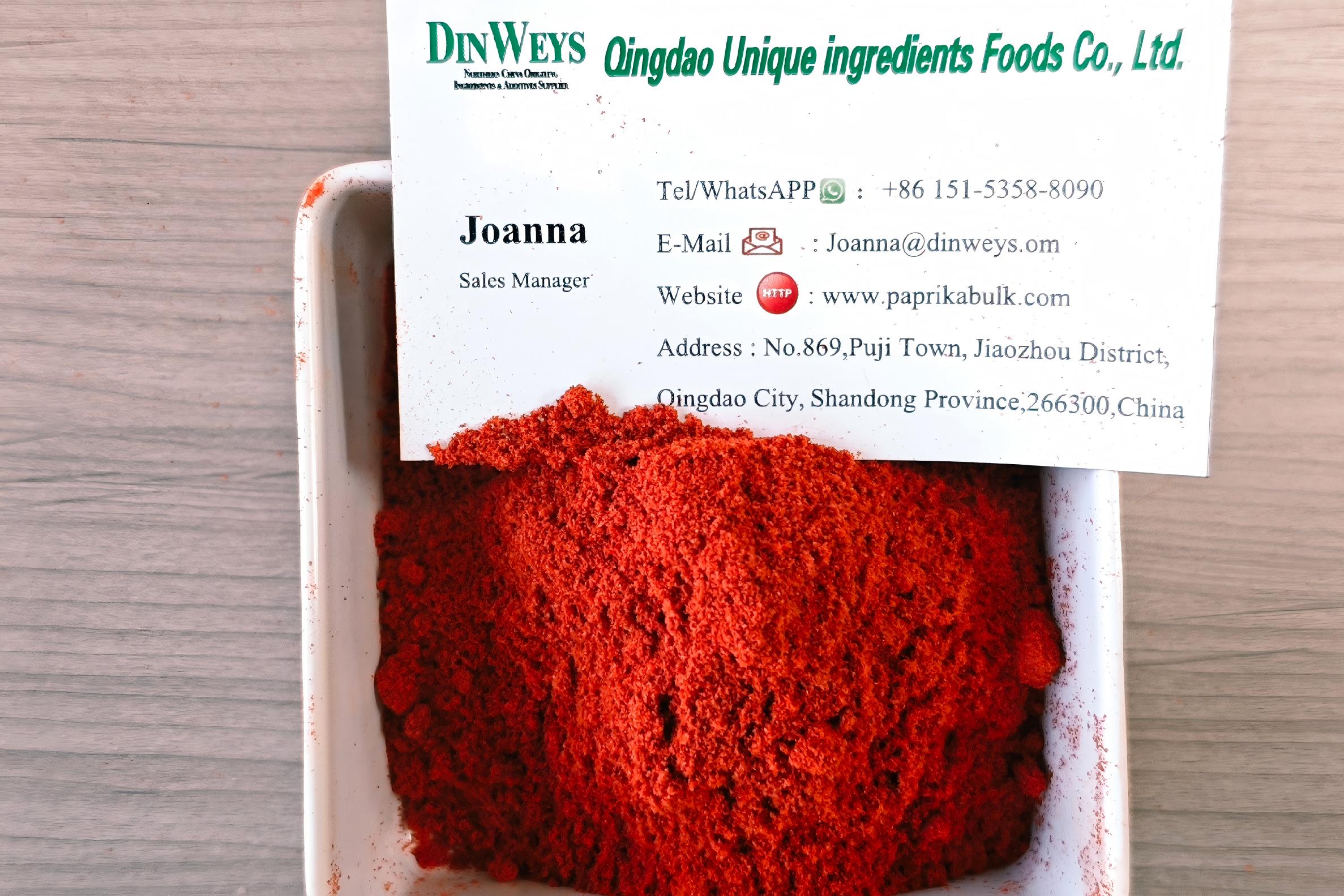
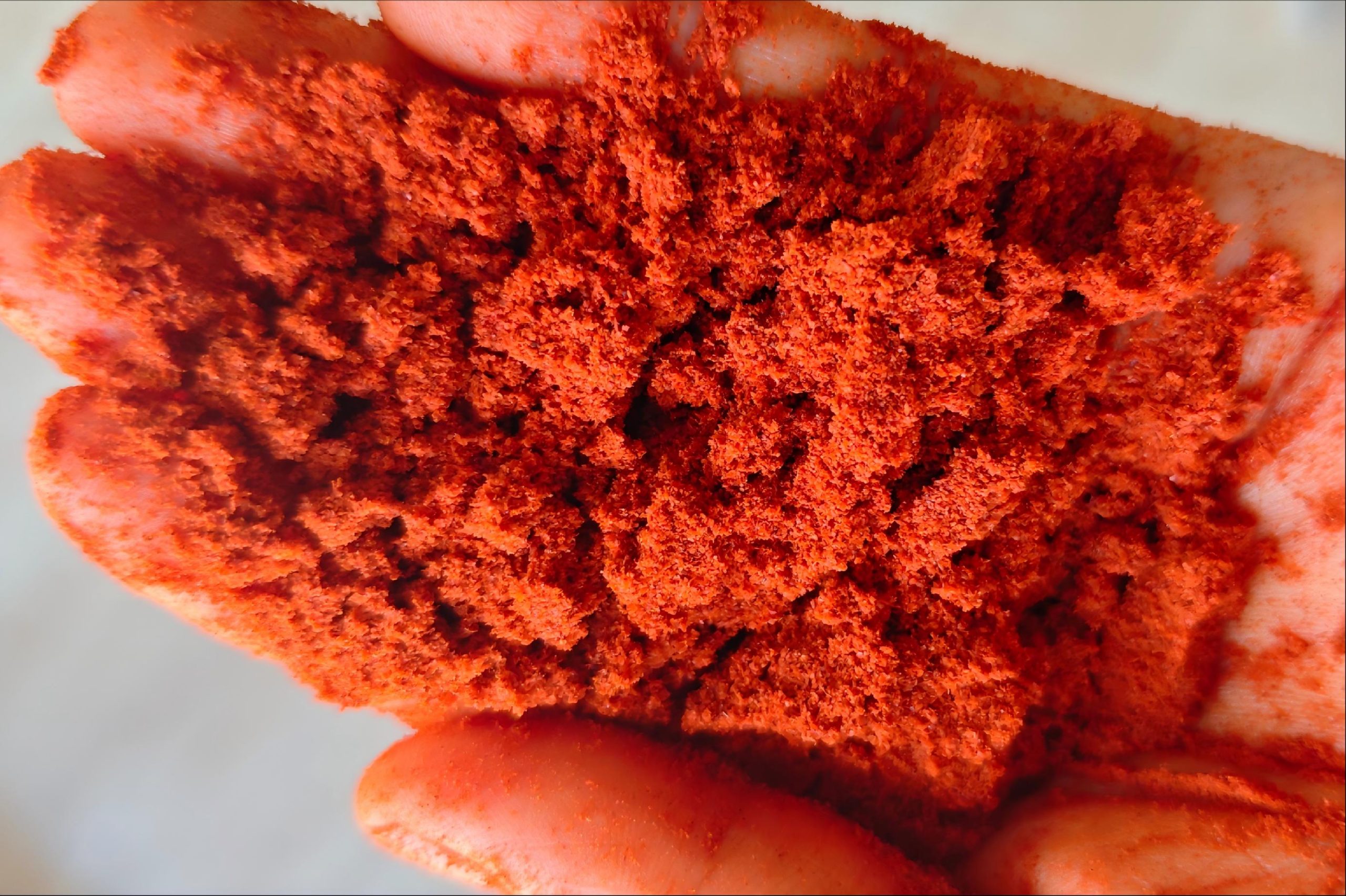
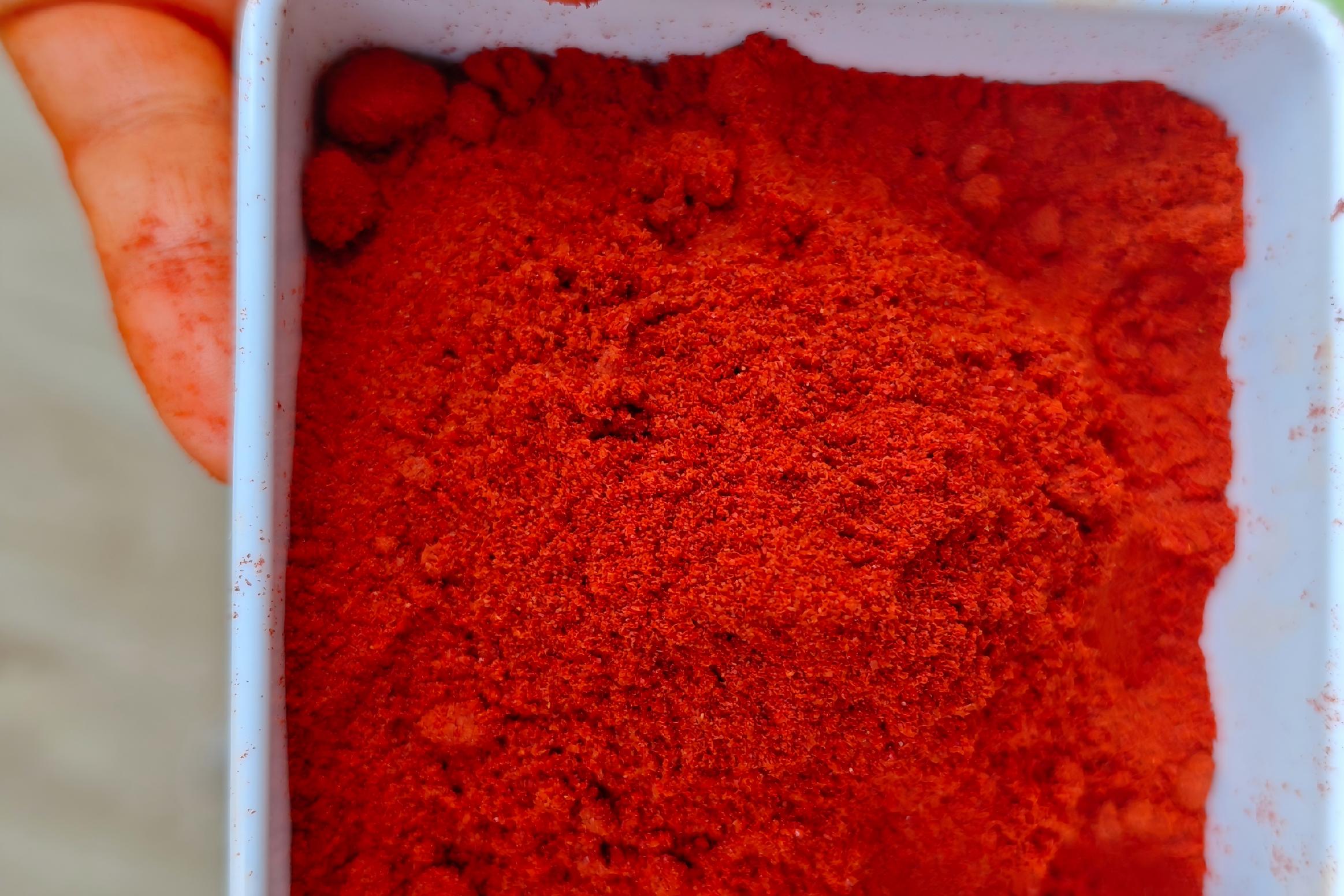
Паприка в порошке ASTA 120 — это наиболее широко используемый сорт паприки экспортного качества в мировой пищевой промышленности. Она занимает “золотую середину” между экономической эффективностью и насыщенным красным цветом, что делает её подходящей для рынков Европы, Северной Америки, Японии и других регионов, где к качеству предъявляются высокие требования.
Исходя из опыта экспортной деятельности, мы часто замечаем, что сорт ASTA 120 становится первым выбором международных покупателей после отказа от недорогих сортов ASTA 80–100. Основная причина заключается не только в повышенной интенсивности цвета, но и в необходимости соблюдения таких требований, как стерилизация паром, низкие пределы содержания микроорганизмов и надежная отслеживаемость партий.
Многие производители продуктов питания выбирают этот сорт, когда им требуется стабильная окраска в переработанном мясе, смесях приправ и глазурях для снеков, не переплачивая при этом за сорта премиум-класса ASTA 150+. Распространенной ошибкой при закупках является выбор более высоких уровней ASTA для эмульгированных систем, таких как колбасные изделия или соусы, где матрицы из жира и белка и так влияют на восприятие конечного цвета.
ASTA 120 обеспечивает оптимальный баланс между эффективностью состава и соответствием нормативным требованиям, особенно на таких рынках, как Германия, Испания, Япония и США.
DINWEYS — это бренд паприки премиум-класса для экспорта, управляемый компанией Paprikabulk.com. Вся промышленная паприка, поставляемая под брендом DINWEYS, производится и экспортируется через нашу интегрированную систему производства и экспорта в Китае.
ASTA 120 paprika powder is a standard export-grade red pepper powder widely used in industrial food manufacturing. It provides balanced color strength and cost efficiency for sausages, sauces, snack seasonings, and seasoning blends. Many global food manufacturers select this grade because it delivers stable color performance with high regulatory compliance and strong batch consistency for export markets.
ОБЗОР ПРОДУКТА
ASTA 120 paprika powder represents the global benchmark grade for industrial paprika applications, particularly in regulated export markets requiring both performance consistency and food safety compliance.
In real export operations, we often describe ASTA 120 as the “universal integration grade” because it fits seamlessly into a wide range of industrial food systems without requiring formulation redesign. Unlike lower ASTA grades that focus primarily on cost, ASTA 120 is selected for its balanced engineering between pigment strength, microbial safety, and processing stability.
With an ASTA range of 115–130, this grade provides a noticeably brighter red tone compared to ASTA 100, especially in low-fat or dry seasoning systems. However, its true value is not just color—it is process compatibility under heat, sterilization, and emulsification conditions.
From a procurement standpoint, many European buyers transition to ASTA 120 after encountering regulatory or customer complaints related to inconsistent color or microbial load in lower grades. A common procurement mistake is underestimating the importance of steam sterilization and microbial thresholds when entering EU or North American markets.
Many food manufacturers choose this grade when scaling from regional production to export-level compliance. For example, sausage manufacturers in Germany and Spain require consistent redness across batches, where ASTA 120 performs reliably even under smoking and thermal processing conditions.
From a production standpoint, ASTA 120 requires tighter raw material selection and controlled steam sterilization, which increases cost but significantly improves stability and export acceptance. This is why it is considered the industrial “safe zone” grade—not the cheapest, not the most premium, but the most universally accepted.
In export markets, we often observe that ASTA 120 becomes the default specification in RFQs because it minimizes formulation risk while meeting international food safety standards.
ТЕХНИЧЕСКИЕ ХАРАКТЕРИСТИКИ
| Параметр | Технические характеристики |
|---|---|
| Название продукта | 120 ASTA Paprika Powder |
| Ценность ASTA | 115–130 (Avg. 120) |
| Форма | Мелкий порошок |
| Цвет | Ярко-красный |
| Влажность | ≤ 8% |
| Эш | ≤ 6% |
| Размер частиц | 60–80 mesh (100+ mesh optional) |
| Уровень остроты | Sweet / Mild (SHU 500–1500 optional) |
| SO₂ | < 10 ppm |
| Микробиология | TPC ≤ 50 000 КОЕ/г |
| Патогенные микроорганизмы | Salmonella & E. coli: Not detected |
| Стерилизация | Steam sterilized (standard) |
| Упаковка | 20–25kg foil-lined bag/carton |
| Срок годности | 24 месяца |
| Хранение | В прохладном, сухом месте, защищённом от солнечных лучей |
| Происхождение | China (Xinjiang, Gansu) |
ОСНОВНЫЕ ХАРАКТЕРИСТИКИ И ПРЕИМУЩЕСТВА
- Export-compliant microbial safety system ensures EU/US regulatory acceptance
- Steam sterilization standard reduces contamination risk in high-volume food lines
- Balanced ASTA 120 color intensity ideal for meat and sauce systems
- High formulation stability under heat processing (smoking, boiling, frying)
- Widely accepted global specification reduces procurement friction in RFQs
- Optimized particle size distribution improves blending uniformity
- Consistent batch traceability system supports audit requirements
- Reduced risk in international shipments due to standardized export processing
РУКОВОДСТВО ДЛЯ ПОКУПАТЕЛЯ
Who should buy
- Sausage and processed meat manufacturers
- Sauce and condiment producers
- European seasoning brands
- Industrial snack seasoning factories
- Retail spice packers (mid-to-premium range)
Кому НЕ следует покупать
- Ultra-budget mass seasoning producers
- Applications where paprika is <0.3% of formulation (over-spec risk)
Real procurement logic
In export procurement, ASTA 120 is often selected after compliance testing reveals that lower ASTA grades fail microbial or consistency thresholds. It is commonly the “upgrade point” grade when entering regulated markets.
ПРИМЕНЕНИЕ
1. Sausage & processed meat
ASTA 120 is ideal because it maintains stable redness during smoking and cooking. Dosage: 0.3–1.2%. Lower ASTA often fades under thermal processing.
2. Sauce systems (ketchup, chili sauces)
Provides stable emulsified red tone. Higher ASTA grades offer no visible advantage due to oil-phase dilution.
3. Snack seasoning (chips, extruded snacks)
Ensures uniform coating with high visual consistency. Often chosen for EU snack brands.
4. Soup and seasoning cubes
Works well under high-temperature drying processes.
Региональные различия в употреблении
- Europe: strict compliance + sterilization priority
- Japan/Korea: consistency and clean label focus
- North America: microbial safety + batch traceability
- Latin America: cost-balanced mid-tier adoption
АНАЛИТИКА В ОБЛАСТИ ЗАКУПОК
Typical order behavior:
- Initial RFQ: 1–3 tons sampling
- Validation phase: 5–10 tons
- Stable contracts: 1–3 containers/month
In export markets, we often observe that ASTA 120 becomes the default long-term contract grade because it minimizes quality disputes between supplier and buyer.
Buyer psychology insight
Procurement managers prefer ASTA 120 because it reduces internal risk—quality teams approve it faster than lower grades, and finance teams accept it more easily than premium ASTA 150+.
Seasonal impact
- Harvest season: price stabilization
- Off-season: +6–15% increase depending on demand
ОБЪЯСНЕНИЕ ПОНЯТИЯ «ASTA VALUE»
ASTA is a spectrophotometric measure of color intensity in paprika. Higher ASTA = more pigment concentration.
Однако в промышленных системах:
- Heat processing reduces color differences
- Oil emulsions dilute visual impact
- Batch consistency matters more than peak ASTA
Thus, ASTA 120 is often the “functional optimum” grade for export manufacturing.
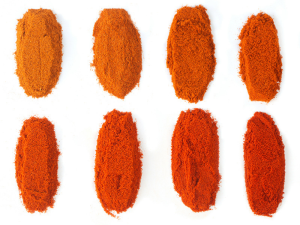
ASTA GRADE COMPARISON TABLE (40–240)
| ASTA | Цвет | Заявка | Cost | Тип покупателя |
|---|---|---|---|---|
| 40–60 | Очень низкий | Институциональные оптовые закупки | Lowest | Price-driven |
| 60–80 | Низкий | Basic blends | Низкий | Domestic food |
| 80–100 | Средний | Mass seasoning | Medium-low | Budget industry |
| 100–120 | Стандартный | Industrial base | Сбалансированный | Large factories |
| 120–150 | Strong | Export standard | Medium-high | Global brands |
| 150–200 | Very strong | Premium retail | Высокий | Branding-driven |
| 200–240 | Ultra | Специальность | Очень высокий | Niche premium |
Guidance
- Upgrade when color visibility is critical (retail packaging)
- Downgrade when paprika is <1% of formulation
ТЕХНОЛОГИЧЕСКИЙ ПРОЦЕСС
- Contract farming sourcing
- Raw pepper selection by maturity
- Промывка и удаление примесей
- Controlled drying (low-temp air drying)
- Grinding / micronizing
- ASTA blending standardization
- Steam sterilization (key for export)
- Metal detection & QC sampling
- Packaging (foil-lined export bags)
- Оптимизация загрузки контейнеров
КОНТРОЛЬ КАЧЕСТВА
- ASTA color testing (spectrophotometer)
- Moisture ≤8% control
- Microbial limits (EU export standards)
- Pathogen absence verification
- Heavy metal screening
- Соблюдение требований в отношении остатков пестицидов
- Full batch traceability system
ОБЗОРЫ ОТРАСЛИ
- Many buyers confuse ASTA with flavor intensity (incorrect)
- Color loss is mainly caused by oxidation, not ASTA level
- Steam sterilization improves export acceptance more than higher ASTA
- European buyers prioritize compliance over pigment strength
- Over-specifying ASTA increases cost without functional benefit
АНАЛИЗ РЫНКА
- Europe: compliance + sterilization critical (ASTA 120 dominant)
- North America: traceability + safety focus
- Japan/Korea: consistency and clean labeling
- Middle East: balanced cost-performance demand
- Latin America: flexible mid-range adoption
ЭКСПОРТ И ЛОГИСТИКА
- Packaging: 20/25kg foil-lined bags
- Грузоподъёмность: 12–14 тонн на 20-футовый контейнер
- Documents: COA, health certificate, origin certificate
- Shipping: FOB China ports (Qingdao, Shanghai, Tianjin)
SAMPLE & DOCUMENTATION SUPPORT
- Free/paid samples available
- COA per batch shipment
- Полная техническая спецификация
- Sterilization certificate
- Export compliance documents
- Production and packing photos
ПОЧЕМУ СТОИТ ВЫБРАТЬ PAPRIKABULK.COM
- Direct manufacturer in China
- Stable ASTA control system
- Export to EU/US/Japan markets
- Steam sterilization capability
- Flexible MOQ for testing phases
- Large-scale container supply
- Long-term contract reliability
- Full documentation support
Часто задаваемые вопросы
Q1: Why is ASTA 120 considered the most commonly used export grade in paprika powder?
ASTA 120 is widely recognized as the global “industrial standard grade” because it offers the most practical balance between color intensity, processing stability, and regulatory compliance. In real-world food manufacturing, it consistently meets the requirements of EU, US, and Asian markets while avoiding the unnecessary cost of over-specifying higher ASTA levels. For this reason, many international buyers adopt ASTA 120 as their default specification after initial validation trials.
Q2: Does a higher ASTA value always improve final product color performance?
Not necessarily. In industrial food systems such as sausages, sauces, and seasoning blends, final color is influenced by fat content, heat processing, and formulation matrix. These factors often reduce the visible difference between ASTA levels above 120. As a result, higher ASTA values may increase cost without delivering measurable visual improvement in finished products.
Q3: Why is steam sterilization important for export-grade paprika powder?
Steam sterilization is a critical food safety control step required by many international buyers, especially in Europe and North America. It significantly reduces microbial load and improves batch consistency, which lowers the risk of shipment rejection or failed quality audits. In practice, sterilization is often more important than minor differences in ASTA value when evaluating supplier reliability.
Q4: What is the most common mistake buyers make when sourcing paprika powder?
The most frequent procurement mistake is over-focusing on ASTA value while underestimating microbiological control and processing stability. Many buyers initially select higher ASTA grades expecting better performance, but later discover that compliance issues or batch inconsistency have a greater impact on production reliability than color intensity alone.
Q5: Why can ASTA 120 paprika powder vary between different batches?
Even within the same ASTA specification range, natural agricultural variability can still occur. Key factors include pepper maturity at harvest, drying conditions, and blending accuracy. Without strict raw material selection and standardized processing systems, these variables can lead to noticeable differences in color consistency across batches.
Q6: How do industrial buyers typically validate ASTA 120 before placing bulk orders?
Professional buyers rarely rely solely on laboratory reports. Instead, they conduct pilot-scale production tests under real manufacturing conditions such as cooking, smoking, or seasoning integration. This ensures that ASTA 120 performs consistently in the actual product matrix rather than only in isolated lab measurements.
Q7: Is ASTA 120 suitable for retail spice packaging or only industrial use?
ASTA 120 is suitable for both industrial and mid-to-premium retail applications. Its balanced color strength provides strong visual appeal in consumer packaging while maintaining cost efficiency. It is commonly used by seasoning brands that require stable appearance and consistent shelf performance across large production batches.
Q8: Why do many long-term buyers standardize their procurement on ASTA 120?
Most long-term buyers choose ASTA 120 because it minimizes total procurement risk. It is widely accepted by quality control teams, meets international compliance expectations, and provides stable performance across different applications. This reduces internal approval friction between technical, quality, and procurement departments, making it the most operationally efficient specification.
ЗАПРОС
👉 Request Samples (ASTA 120 evaluation)
👉 Get COA & Specification Sheet
👉 Ask for FOB/CIF Pricing
👉 Request Container Quotation
👉 Discuss Annual Supply Contract
Based on our experience supplying paprika ingredients to food manufacturers across Europe, North America, Japan, and the Middle East, ASTA 120 is consistently the most frequently requested specification because it balances regulatory compliance, color stability, and procurement efficiency. Most long-term contracts begin with 1–3 ton validation orders before scaling to container-level shipments.