Che cos'è l'ASTA in Paprika?
Se hai mai richiesto un preventivo per paprika in polvere, probabilmente avrete già visto specifiche del tipo:
- Paprika in polvere ASTA 120
- Paprika in polvere ASTA 140
- Paprika in polvere ASTA 180
Per molti acquirenti alle prime armi, la domanda che sorge spontanea è:
Cosa significa in realtà ASTA e perché influisce sul prezzo?
La risposta breve è semplice:
L'ASTA misura l'intensità cromatica della paprika.
Maggiore è il valore ASTA, maggiore è la quantità di pigmento rosso naturale contenuta nella paprika e maggiore è il suo potere colorante nei prodotti alimentari.
Tuttavia, l’ASTA viene spesso frainteso. Un valore ASTA più elevato non significa che la paprika sia più piccante, che abbia un sapore più intenso o che sia automaticamente di qualità migliore.
Comprendere correttamente l’ASTA può aiutare gli acquirenti a evitare di pagare più del dovuto per specifiche non necessarie, garantendo al contempo che i loro prodotti abbiano l’aspetto desiderato.
Pensate all’ASTA come alla concentrazione della vernice
Un'analogia semplice è quella della vernice.
Immaginate due secchi di vernice rossa:
- Il secchiello A contiene una piccola quantità di pigmento.
- Il secchio B contiene il doppio di pigmento.
Entrambi sono rossi, ma il secchio B produce un colore più intenso utilizzando meno materiale.
La paprika funziona in modo simile.
Il valore ASTA indica il grado di concentrazione dei pigmenti rossi naturali.
Una paprika con valore ASTA 160 contiene una quantità significativamente maggiore di composti coloranti rispetto a una paprika con valore ASTA 80.
Di conseguenza, i produttori possono spesso utilizzare una quantità minore di paprika ottenendo lo stesso effetto visivo.
Perché la paprika presenta valori ASTA diversi?
Il colore rosso della paprika deriva principalmente dai pigmenti carotenoidi naturali:
- Capsantina
- Capsorubina
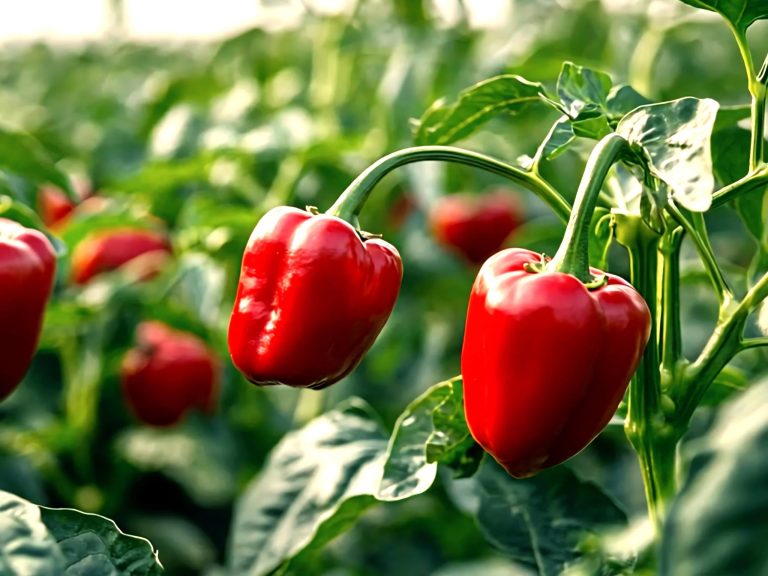
Questi composti si formano man mano che i peperoni maturano e assumono un colore rosso intenso.
Maggiore è la quantità di pigmento presente, più alto è il valore ASTA.
Diversi fattori influenzano i livelli finali di ASTA:
Varietà di peperoni
Alcune varietà di peperoni producono naturalmente più pigmento rispetto ad altre.
Clima e luce solare
I peperoni coltivati sotto una forte luce solare assumono spesso un colore più intenso.
Periodo di raccolta
I peperoni completamente maturi producono generalmente paprika ASTA di qualità superiore.
Tecnologia di essiccazione
Temperature di asciugatura non adeguate possono danneggiare i pigmenti colorati.
Condizioni di conservazione
Il calore, l’ossigeno, l’umidità e la luce solare riducono gradualmente l’ASTA durante lo stoccaggio.
Ecco perché due fornitori che vendono “paprika in polvere” possono offrire tonalità di colore nettamente diverse.
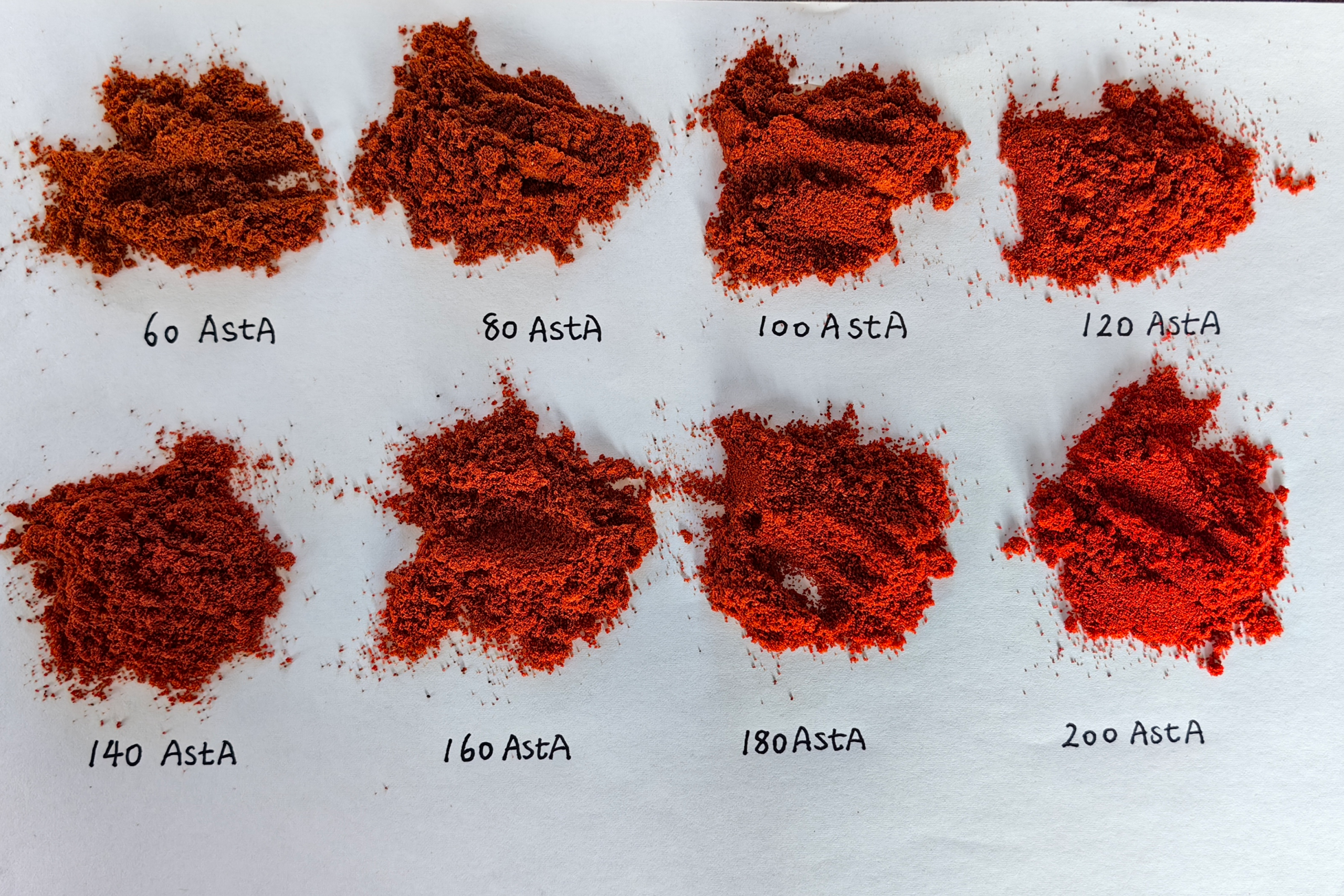
Come si presenta l’ASTA nella realtà?
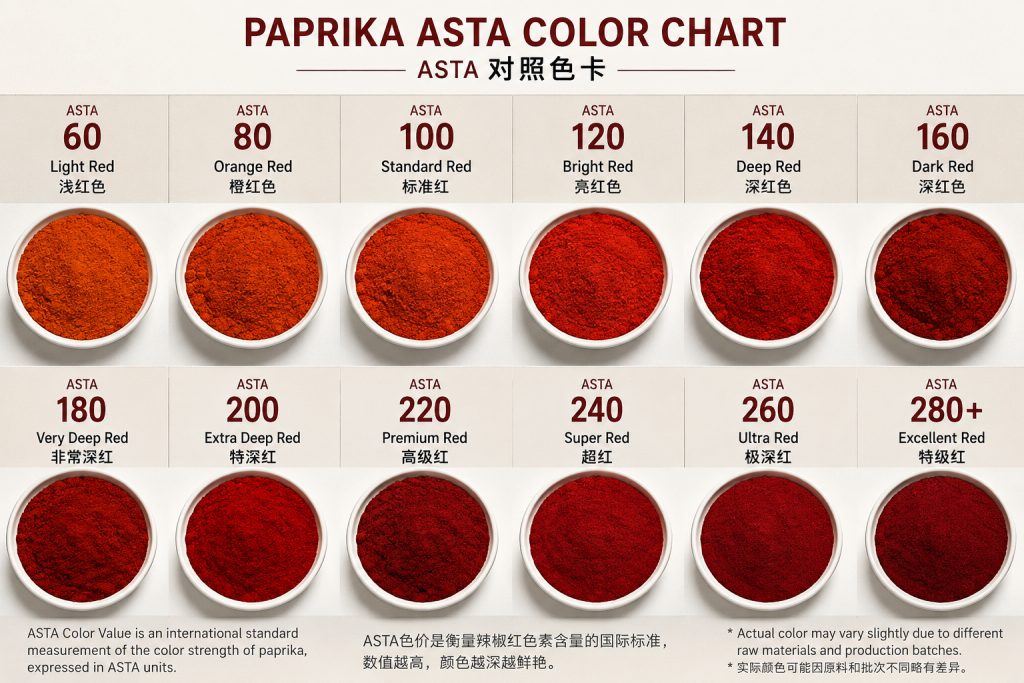
La maggior parte degli acquirenti non riesce a rendersi conto della differenza tra ASTA 80 e ASTA 180.
Ecco come si presenta un confronto pratico:
| ASTA | Aspetto visivo |
|---|---|
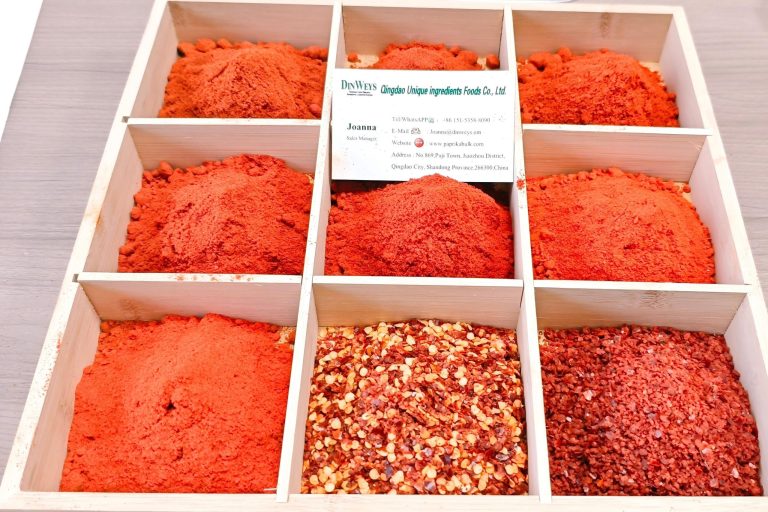
| 80 | Rosso-arancio chiaro |
| 100 | Standard rosso commerciale |
| 120 | Rosso vivo |
| 140 | Rosso intenso e vivace |
| 160 | Rosso intenso e pregiato |
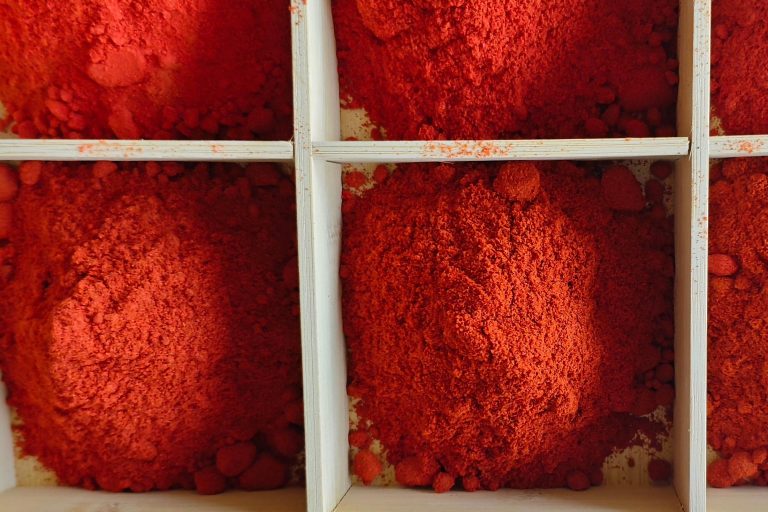
| 180+ | Rosso cremisi intenso |
La differenza risulta particolarmente evidente nei prodotti alimentari finiti.
La scala ASTA di Paprika
Perché i produttori alimentari danno importanza all’ASTA
Nel settore alimentare produzione, spesso i consumatori acquistano prima di tutto con gli occhi.
Una salsiccia di colore rosso più intenso, una miscela di spezie o un rivestimento per snack di solito sembrano più freschi e appetitosi.
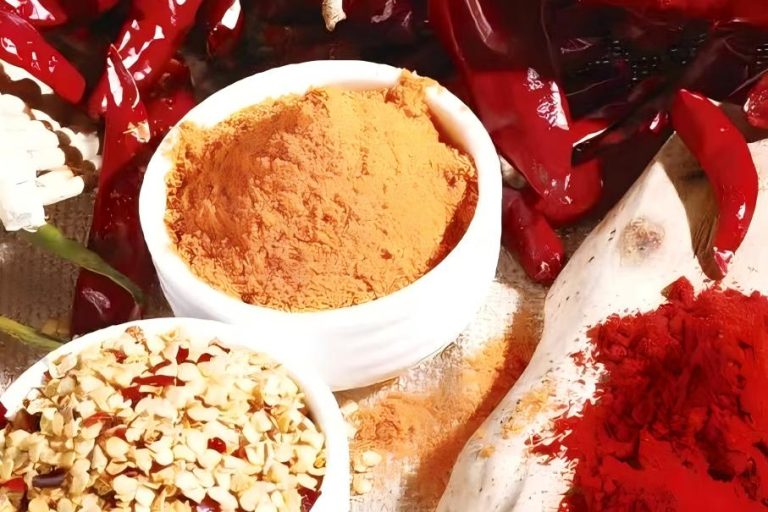
Per molti produttori, la paprika viene utilizzata principalmente come colorante naturale.
Tra le applicazioni più comuni figurano:
- Salsicce
- Chorizo
- Peperoni
- Miscele di spezie per barbecue
- Patatine
- Condimento per spaghetti istantanei
- Rivestimenti per snack
- Marinate
- Lavorazione delle carni
- Alimenti per animali domestici
In queste applicazioni, l'uniformità del colore è fondamentale.
Un esempio concreto di produzione
Immaginate una fabbrica di condimenti che produce patatine al gusto barbecue.
Scenario 1: ASTA 80 Paprika
La miscela di spezie sembra un po’ insipida.
Una volta prodotti, i chip appaiono pallidi e poco invitanti sugli scaffali dei negozi.
Il produttore aumenta la quantità di paprika utilizzata per compensare.
Aumento dei costi di produzione.
Scenario 2: ASTA 160 Paprika
La stessa miscela di spezie conferisce un colore rosso vivo utilizzando una quantità minore di paprika.
Queste patatine hanno un maggiore impatto visivo sugli scaffali e un colore più uniforme tra i vari lotti.
Sebbene la paprika abbia un costo unitario al chilogrammo più elevato, il consumo complessivo potrebbe risultare notevolmente inferiore.
Ecco perché molte aziende alimentari puntano sull’ASTA anziché limitarsi ad acquistare la paprika più economica disponibile.
Requisiti tipici dell'ASTA nelle diverse applicazioni alimentari
Prodotti diversi richiedono intensità di colore diverse.
Miscele di spezie economiche
Tipico dell'ASTA:
80–100
Applicazioni:
- Miscele di spezie economiche
- Miscele di spezie a basso costo
- Produzione alimentare su larga scala
Condimento per spaghetti istantanei
Tipico dell'ASTA:
100–140
I produttori cercano solitamente un equilibrio tra colore e costo.
Patatine e condimenti per snack
Tipico dell'ASTA:
120–160
Un aspetto visivo accattivante è importante per il gradimento da parte dei consumatori.
Salsicce e prodotti a base di carne lavorata
Tipico dell'ASTA:
140–180
Il colore rosso intenso contribuisce a conferire un aspetto di alta qualità.
Chorizo e salame piccante di prima qualità
Tipico dell'ASTA:
160–220
Spesso sono richieste una forte stabilità cromatica e un forte impatto visivo.
Applicazioni dei coloranti alimentari naturali
Tipico dell'ASTA:
180–240+
Si utilizza quando la paprika funge principalmente da colorante naturale.
Un valore ASTA più elevato indica sempre una paprika di qualità superiore?
No.
Questo è uno dei più grandi malintesi nel settore delle spezie.
Consideriamo due prodotti:
Paprika A
- ASTA 180
- Aroma debole
- Sapore insipido
Paprika B
- ASTA 140
- Aroma intenso di pepe
- Profilo aromatico eccellente
Per molte applicazioni alimentari, la Paprika B potrebbe effettivamente rivelarsi l'ingrediente migliore.
Il parere degli acquirenti professionali:
- ASTA
- Aroma
- Sapore
- SHU
- Umidità
- Microbiologia
- Metalli pesanti
- Residui di pesticidi
L'ASTA è importante, ma è solo uno degli indicatori di qualità.
ASTA vs SHU: la differenza che ogni acquirente dovrebbe conoscere
Molti nuovi acquirenti pensano che la paprika più scura sia più piccante.
Questo non è vero.
Misure ASTA:
Colore
Misure SHU:
Calore
Una paprika dolce può contenere:
- ASTA 180
- SHU inferiore a 500
Nel frattempo, una paprika piccante potrebbe contenere:
- ASTA 120
- SHU 20.000+
Le due misurazioni sono completamente indipendenti.
Che impatto ha l’ASTA?
Immaginate che un produttore abbia bisogno di una tonalità specifica di rosso in una miscela di spezie.
Con paprika ASTA 80:
- Quantità di utilizzo: 5 kg
Con paprika ASTA 160:
- Quantità necessaria: circa 2,5–3 kg
Le cifre esatte variano, ma il principio rimane lo stesso.
Una paprika ASTA di qualità superiore garantisce spesso una maggiore efficacia colorante.
Questo è uno dei motivi per cui le varietà di paprika di alta qualità raggiungono prezzi più elevati sui mercati internazionali.
Quale grado ASTA dovresti acquistare?
La risposta dipende interamente dal vostro prodotto.
Scegliere ASTA 80–120 se:
- Il costo è la preoccupazione principale
- Il colore non è fondamentale
- Produci prodotti economici
Scegliere ASTA 120–160 se:
- Produci condimenti
- Vendete spezie confezionate per il consumo al dettaglio
- È necessario trovare il giusto equilibrio tra costo e aspetto estetico
Scegliere ASTA 160–220 se:
- È importante che l'aspetto sia di alta qualità
- Produci salumi
- Hai bisogno di una colorazione naturale dall'elevata resa
Per la maggior parte dei mercati di esportazione, La gamma ASTA 120–160 rimane quella più venduta perché offre un eccellente equilibrio tra prestazioni e costo.
Domanda frequente: qual è un buon valore ASTA per la paprika?
Non esiste un valore ASTA “ottimale” valido per tutti.
Un buon valore ASTA è semplicemente quello che si adatta alla propria applicazione.
Ad esempio:
| Richiesta | Consigliato dall'ASTA |
|---|---|
| Miscela di spezie | 80–120 |
| Spaghetti istantanei | 100–140 |
| Patatine fritte | 120–160 |
| Condimento per barbecue | 120–160 |
| Salsiccia | 140–180 |
| Chorizo | 160–220 |
| Colorazione naturale | 180–240+ |
La maggior parte degli acquirenti internazionali acquista la paprika tra ASTA 120 e ASTA 180, rendendo questa gamma lo standard di riferimento nel settore della produzione alimentare.
Sintesi
L'ASTA è lo standard internazionale utilizzato per misurare l'intensità del colore della paprika. Aiuta gli acquirenti a confrontare i prodotti, a prevedere le prestazioni cromatiche e a selezionare la paprika più adatta a specifiche applicazioni alimentari.
La cosa più importante da ricordare è:
ASTA misura il colore, non il calore.
Se state cercando una fonte di paprika per la produzione alimentare, valutare l’ASTA insieme all’indice SHU, al sapore, all’aroma e alle specifiche relative alla sicurezza alimentare vi fornirà un quadro molto più accurato della qualità complessiva del prodotto.
Per la maggior parte delle applicazioni relative a condimenti, snack e alimenti trasformati, la paprika nella Intervallo ASTA 120–160 offre il miglior equilibrio tra estetica, efficienza e convenienza, rendendolo la scelta preferita dai produttori di tutto il mondo.