Di cosa è fatta la paprika?
Panoramica
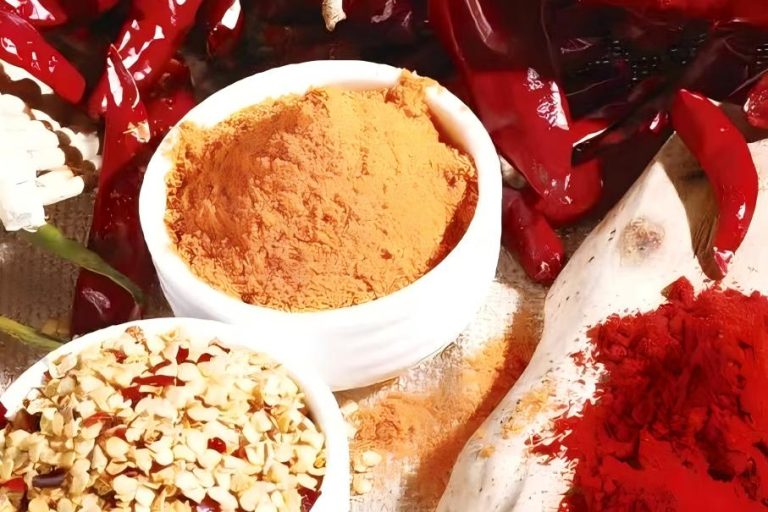
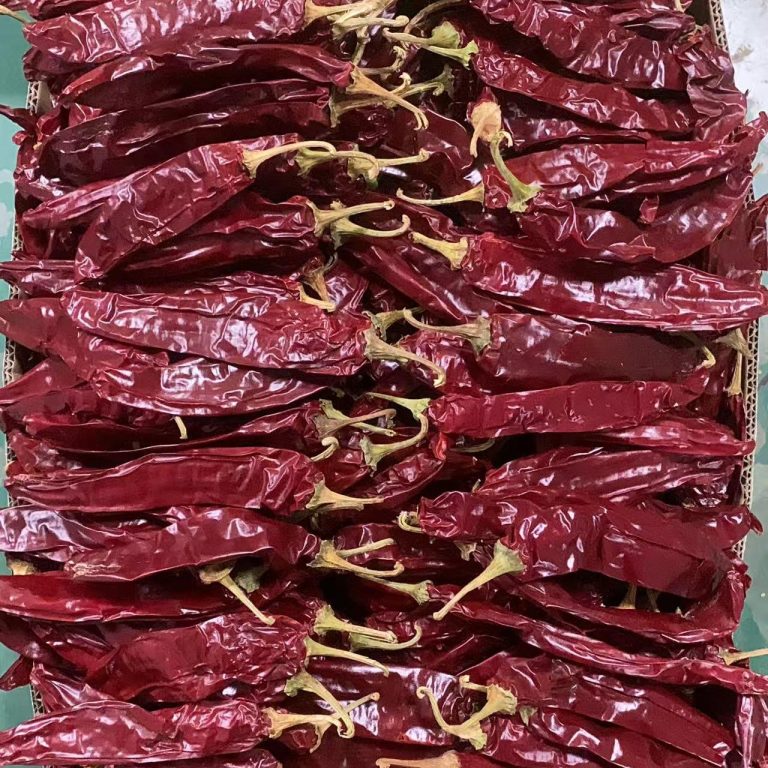
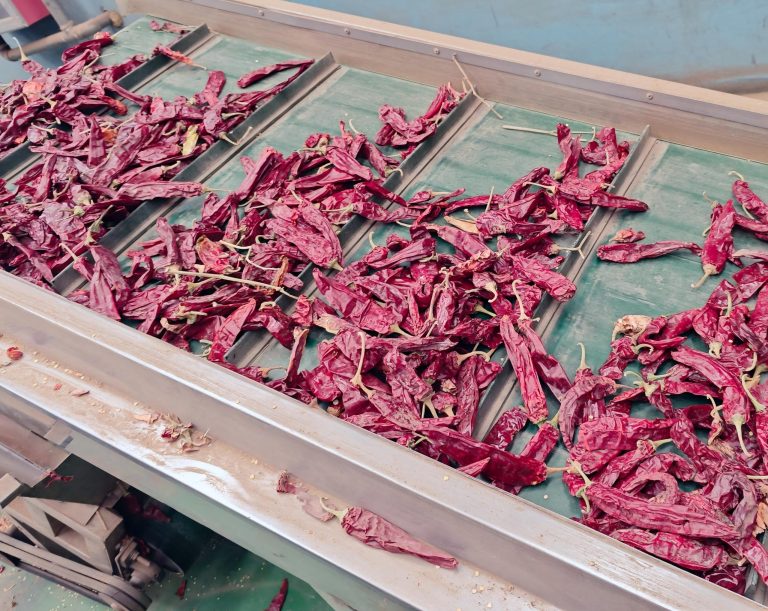
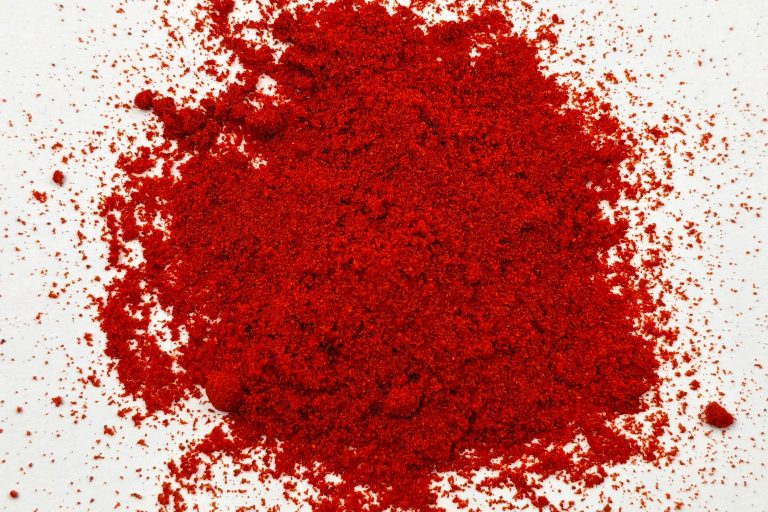
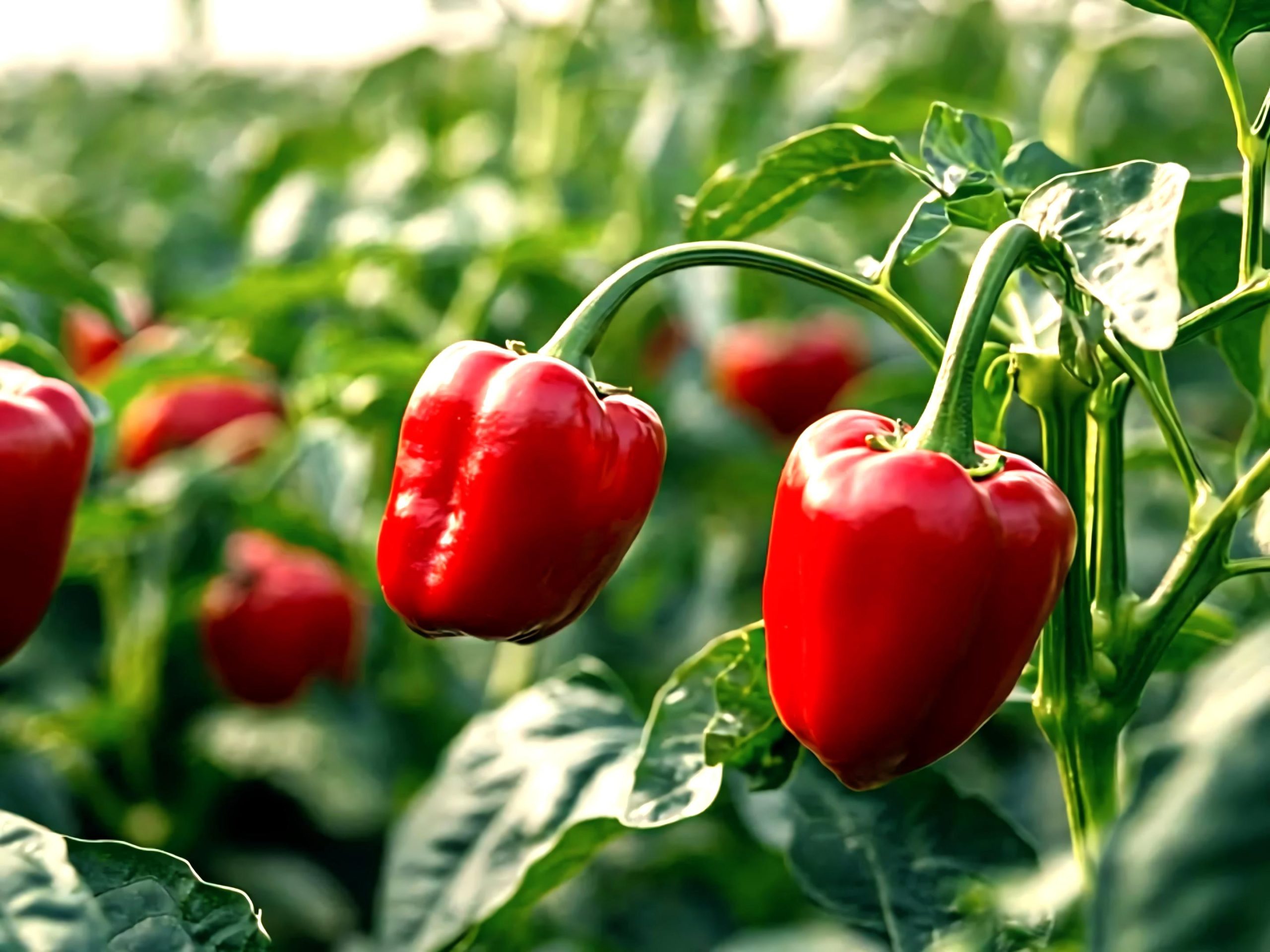
Paprika è prodotto con peperoni rossi completamente maturi (Capsicum annuum L.) che vengono raccolti, puliti, essiccati e macinati in polvere. La maggior parte della paprika in commercio viene prodotta da varietà di peperoni dolci che contengono livelli molto bassi di capsaicina, il che le conferisce un sapore delicato e un colore rosso vivo.
Tuttavia, dal punto di vista dell’approvvigionamento e della produzione, comprendere la composizione della paprika va ben oltre la semplice identificazione della specie di peperone. Le varietà di peperone, il contenuto di semi, la tecnologia di essiccazione, i metodi di macinazione e i sistemi di controllo della qualità influenzano tutti il prodotto finale.
Due tipi di paprika in polvere possono avere lo stesso nome, ma differire in modo significativo per intensità del colore, aroma, granulometria e stabilità di conservazione.
Per gli utenti industriali e gli acquirenti di ingredienti, la domanda spesso non è semplicemente:
“Di cosa è fatta la paprika?”
ma piuttosto:
“Perché fornitori diversi di paprika producono risultati diversi?”
Risposta rapida
La paprika viene solitamente prodotta con:
- Peperoni rossi dolci completamente maturi
- Varietà di peperoni appartenenti a Capsicum annuum L.
- Polpa di peperone con quantità variabili di semi
- Pigmenti carotenoidi presenti in natura
- Piccole quantità di capsaicina
- Zuccheri, fibre e composti volatili presenti in natura
A differenza del peperoncino in polvere, la paprika è apprezzata soprattutto per il suo colore e il suo sapore delicato, piuttosto che per la sua piccantezza.
Cosa conferisce alla paprika il suo colore rosso?
Il colore caratteristico della paprika deriva principalmente dai carotenoidi presenti in natura.
Capsantina
La capsantina è il pigmento più importante presente nella paprika e le conferisce il suo caratteristico colore rosso vivo.
Capsorubina
Capsorubin conferisce tonalità di rosso più intense e esalta l'intensità cromatica complessiva.
Beta-carotene
Il beta-carotene conferisce tonalità che vanno dall'arancione al rosso e funge anche da antiossidante naturale.
Zeaxantina
La zeaxantina appartiene alla famiglia delle xantofille e contribuisce alla complessità della pigmentazione.
Luteina
Presente in quantità minori, la luteina conferisce tonalità giallo-arancio.
Questi pigmenti determinano in larga misura il valore cromatico ASTA della paprika.
La paprika contiene capsaicina?
Sì.
La paprika contiene naturalmente capsaicina, ma le varietà di paprika dolce ne contengono concentrazioni molto basse.
Di conseguenza:
- La paprika dolce ha un sapore delicato.
- I livelli di calore sono solitamente trascurabili.
- La paprika viene utilizzata principalmente per il colore e il sapore, piuttosto che per il suo gusto piccante.
I prodotti a base di paprika piccante possono contenere concentrazioni più elevate di capsaicina e provocare una sensazione di piccantezza evidente.
Quali peperoni si usano per produrre la paprika?
Sebbene tutta la paprika in commercio appartenga alla specie Capsicum annuum L., in tutto il mondo vengono utilizzate numerose varietà.
| Regione | Varietà comuni | Caratteristiche |
|---|---|---|
| Cina | Peperoni Jinta, varietà dolci locali | Elevata resa e ampi intervalli ASTA |
| Spagna | Peperoni Bola | Sapore affumicato tradizionale |
| Ungheria | Varietà Édesnemes | Aroma dolce e qualità eccellente |
| India | Peperoni di Byadgi | Elevata intensità cromatica |
Le diverse cultivar contengono quantità variabili di:
- Capsantina
- Capsorubina
- Zuccheri
- Composti volatili
- Frazioni di semi
Pertanto, due tipi di paprika in polvere possono presentare caratteristiche diverse:
- Intensità del colore
- Aroma
- Dolcezza
- Profilo aromatico
- Stabilità durante la conservazione
È un po’ come per i chicchi di caffè. La categoria rimane la stessa, ma le caratteristiche finali dipendono in larga misura dalla materia prima.
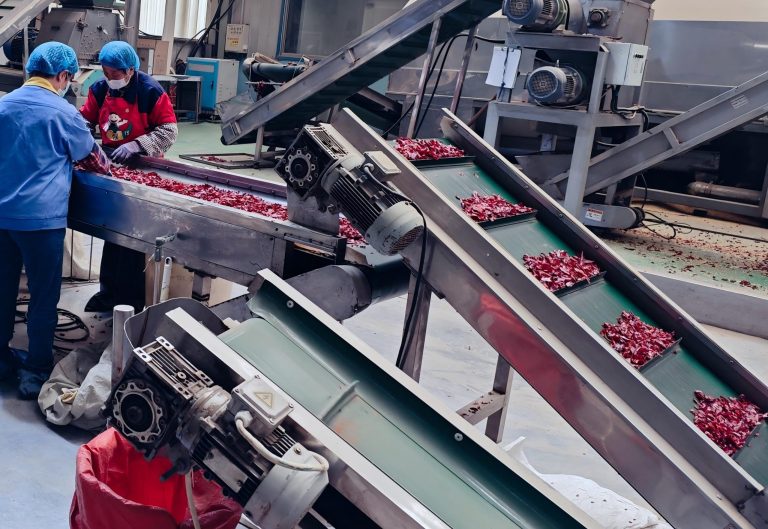
Processo di produzione della paprika
Paprika commerciale produzione prevede diverse fasi.
1. Raccolta
I peperoni vengono raccolti quando sono completamente maturi.
A questo punto:
- La concentrazione di carotenoidi raggiunge il suo picco.
- Il contenuto di zucchero è più elevato.
- Lo sviluppo del colore è ottimizzato.
I peperoni non ancora maturi presentano in genere valori cromatici inferiori.
2. Ordinamento
I frutti danneggiati, i gambi e i corpi estranei vengono eliminati.
Una corretta raccolta differenziata migliora:
- Uniformità del colore
- Sicurezza alimentare
- Uniformità del lotto
3. Pulizia
I peperoni raccolti vengono lavati e puliti per eliminare:
- Polvere
- Suolo
- Pietre
- Corpi estranei
Una pulizia efficace riduce i rischi di contaminazione e protegge le attrezzature di macinazione.
4. Rimozione dello stelo
La maggior parte dei produttori commerciali rimuove i gambi perché questi potrebbero contribuire a:
- Fibra
- Sapori indesiderati
- Intensità del colore inferiore
5. Rimozione dei semi
Il contenuto di semi varia a seconda delle specifiche del prodotto.
La rimozione dei semi può migliorare:
- Valore del colore
- Qualità del gusto
- Intensità dell'aroma
Un contenuto maggiore di semi produce in genere polveri di colore più chiaro.
6. Essiccazione
L'essiccazione è una delle fasi più critiche nella produzione della paprika.
Tra i metodi più diffusi figurano:
Essiccazione al sole
Vantaggi:
- Costo inferiore
Limiti:
- Dipendenza dalle condizioni meteorologiche
- Maggiore variabilità
Essiccazione ad aria calda
Vantaggi:
- Maggiore uniformità
- Produzione su larga scala
Essiccazione controllata a bassa temperatura
Vantaggi:
- Migliore conservazione dei carotenoidi
- Migliore conservazione dell'aroma
Limiti:
- Costi di produzione più elevati
Le condizioni di essiccazione influiscono direttamente su:
- Valore cromatico ASTA
- Stabilità dei pigmenti
- Composti aromatici
- Durata di conservazione
Temperature eccessivamente elevate possono causare la degradazione dei carotenoidi e l'oscuramento della polvere.
7. Macinazione
I peperoni secchi vengono macinati fino a ridurli in polvere.
Le dimensioni delle particelle comunemente utilizzate in ambito commerciale includono:
- 40 mesh
- 60 mesh
- 80 mesh
I metodi di macinazione influenzano:
- Fluidità
- Aspetto cromatico
- Caratteristiche di dispersione
8. Setacciatura
La setacciatura consente di ottenere:
- Granulometria uniforme
- Aspetto migliorato
- Migliori prestazioni dell'applicazione
9. Rilevamento di metalli
Le moderne linee di produzione utilizzano spesso metal detector per rimuovere i contaminanti metallici.
Tra gli obiettivi tipici figurano:
- Ferro
- Acciaio inossidabile
- Particelle non ferrose
10. Sterilizzazione a vapore
Alcuni produttori ricorrono al trattamento a vapore per ridurre la carica microbica.
La sterilizzazione a vapore può contribuire a ridurre:
- Conteggio totale delle colonie
- Lievito e muffa
- Rischi legati alla salmonella
Il controllo microbiologico è particolarmente importante per i mercati di esportazione.
11. Imballaggio
La paprika viene solitamente confezionata in:
- Sacchetti di carta Kraft
- Sacchetti di carta stagnola
- Scatole di cartone
- Confezionamento all'ingrosso
Un imballaggio adeguato riduce al minimo:
- Assorbimento dell'umidità
- Ossidazione
- Perdita di colore
12. Stoccaggio
Le condizioni di conservazione consigliate sono le seguenti:
- Ambienti freschi
- Bassa umidità
- Protezione dai raggi solari
- Controllo dell'ossigeno
Condizioni di conservazione inadeguate accelerano il degrado dei pigmenti.
Perché due tipi di paprika in polvere hanno un aspetto diverso?
Questa è una delle domande più frequenti tra gli acquirenti.
Anche quando due prodotti recano l’etichetta “paprika”, possono esserci differenze in:
Varietà di peperoni
Le diverse cultivar presentano concentrazioni diverse di carotenoidi.
Contenuto dei semi
Un elevato contenuto di semi spesso riduce l'intensità del colore.
Temperature di essiccazione
Le temperature elevate possono danneggiare i pigmenti.
Metodi di macinazione
La dimensione delle particelle influisce sull'aspetto e sulla dispersione.
Condizioni di conservazione
L'ossigeno e l'esposizione alla luce accelerano la perdita di colore.
Contenuto di umidità
Livelli di umidità più elevati potrebbero ridurre la durata di conservazione.
Le due varietà di paprika in polvere sono un po’ come chicchi di caffè di origini diverse.
La categoria è la stessa, ma le caratteristiche qualitative possono variare notevolmente.
Quali parametri di qualità dovrebbero valutare gli acquirenti?
Gli acquirenti professionisti di ingredienti raramente si basano solo sull'aspetto.
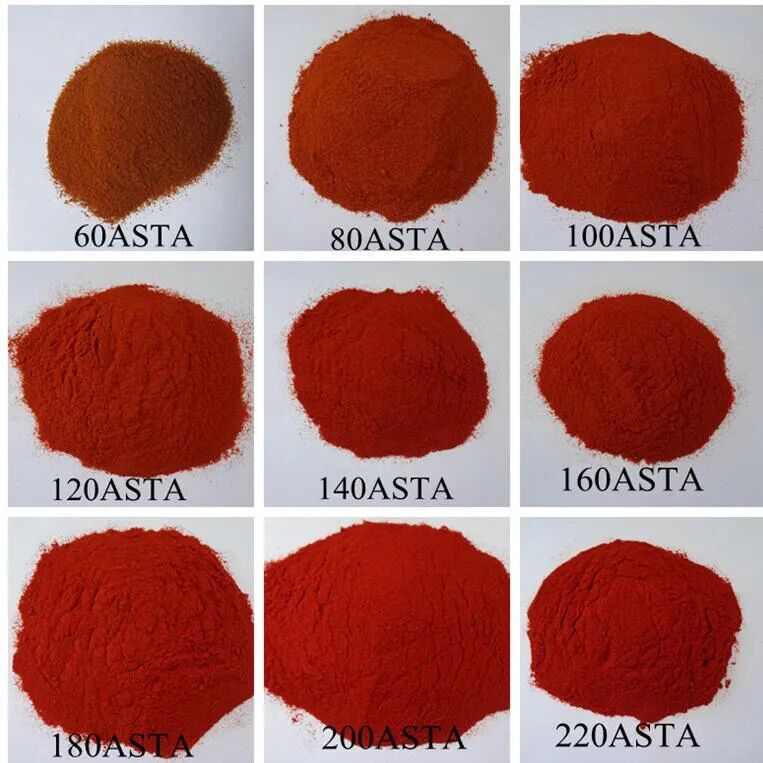
Valore cromatico ASTA
Il colore ASTA è uno degli indicatori più importanti.
Tra i gradi commerciali più diffusi figurano:
- 80 ASTA
- 100 ASTA
- 120 ASTA
- 140 ASTA
- 160 ASTA
- 180 ASTA
Valori più elevati indicano generalmente una maggiore intensità del colore.
Umidità
Specifiche tipiche:
≤12%
Un eccesso di umidità può accelerare:
- Formazione di muffa
- Degradazione dei pigmenti
- Agglomerazione
- Durata di conservazione ridotta
Attività dell'acqua
Destinatario tipico:
aw < 0,65
Un’attività dell’acqua più bassa contribuisce a inibire la proliferazione microbica.
Dimensione delle particelle
Dimensioni comuni delle maglie:
- 40 mesh
- 60 mesh
- 80 mesh
La dimensione delle particelle influisce su:
- Fluidità
- Dispersione
- Prestazioni dell'applicazione
Densità apparente
Intervallo tipico:
0,45–0,65 g/ml
La densità apparente influisce su:
- Efficienza dell'imballaggio
- Prestazioni di miscelazione
Durata di conservazione
Se conservata in condizioni adeguate, la paprika mantiene generalmente la propria qualità per:
18–24 mesi.
Parametri microbiologici
Tra i test più comuni figurano:
- Conteggio totale delle colonie
- Lievito e muffa
- Coliformi
- E. coli
- Salmonella
Metalli pesanti
Il monitoraggio può comprendere:
- Piombo
- Cadmio
- Arsenico
- Mercurio
Residui di pesticidi
I test vengono solitamente eseguiti secondo:
- Regolamento (CE) n. 396/2005 dell'Unione europea
- Requisiti della FDA
- Norme del Codex Alimentarius
Aflatossine
Tra i parametri tipici figurano:
- Aflatossina B1
- Aflatossine totali
Coloranti del Sudan
I produttori responsabili controllano inoltre la presenza di coloranti illegali quali:
- Sudan I
- Sudan II
- Sudan III
- Sudan IV
Queste sostanze sono vietate in molti mercati.
Rischi di contaminazione incrociata
La paprika di per sé ha un sapore naturalmente delicato, ma gli stabilimenti di produzione possono anche lavorare:
- Peperoncino in polvere
- Pepe nero
- Curcuma
- Cumino
- Senape
- Sesamo
In assenza di adeguate procedure di pulizia, può verificarsi una contaminazione incrociata.
Gli acquirenti dovrebbero valutare:
- Procedure di convalida della pulizia
- Sistemi di separazione della produzione
- Programmi di gestione degli allergeni
- Pratiche di cambio formato
I certificati, di per sé, non rivelano necessariamente la disciplina produttiva quotidiana.
La realtà della catena di approvvigionamento globale
Cina
La Cina è una delle principali regioni produttrici di paprika al mondo.
Zone di coltivazione tipiche
- Xinjiang
- Mongolia Interna
Vantaggi
- Elevata capacità produttiva
- Prezzi competitivi
- Imballaggi flessibili
- Ampie gamme ASTA
Rischi
La capacità di elaborazione varia notevolmente da un fornitore all'altro.
Raccomandazione
Valutare i singoli produttori anziché giudicare la qualità solo in base al Paese di provenienza.
Spagna
La Spagna vanta una lunga tradizione nella produzione di paprika.
Prodotto famoso
Pimentón de la Vera
Vantaggi
- Caratteristico sapore affumicato
- Elevata tracciabilità
- Sistemi di esportazione consolidati
Limiti
Prezzi premium e fluttuazioni dei raccolti.
Ungheria
L'Ungheria è nota per le sue varietà di paprika dolce di alta qualità.
Vantaggi
- Aroma intenso
- Colore eccellente
- Sapore caratteristico
Limiti
Volumi di produzione inferiori e costi più elevati.
India
L'India vanta una delle industrie delle spezie più grandi al mondo.
Vantaggi
- Approvvigionamento efficiente in termini di costi
- Un settore manifatturiero forte
Rischi
La qualità dei fornitori varia notevolmente.
I test in serie e la qualificazione dei fornitori sono fondamentali.
Standard di settore relativi a Paprika
I produttori professionali adottano comunemente sistemi di sicurezza alimentare quali:
HACCP
Analisi dei rischi e punti critici di controllo.
Garantisce controlli preventivi in materia di sicurezza alimentare.
ISO 22000
Sistema internazionale di gestione della sicurezza alimentare.
BRCGS
Ampiamente riconosciuta dai rivenditori e dai produttori alimentari di tutto il mondo.
FSSC 22000
Programma avanzato di certificazione in materia di sicurezza alimentare.
FDA FSMA
Il Food Safety Modernization Act disciplina i controlli preventivi relativi agli alimenti esportati negli Stati Uniti.
Metodi analitici ASTA
L'American Spice Trade Association mette a disposizione metodi analitici ampiamente utilizzati in tutto il settore delle spezie.
Codex Alimentarius
Norme alimentari internazionali elaborate congiuntamente dalla FAO e dall’OMS.
Regolamento (CE) n. 396/2005 dell'Unione europea
Stabilisce i limiti massimi di residui per i pesticidi.
Errori comuni commessi dagli acquirenti
Partendo dal presupposto che tutte le varietà di paprika siano uguali
I prodotti a base di paprika possono differire notevolmente per quanto riguarda:
- Valore del colore
- Aroma
- Contenuto dei semi
- Profilo aromatico
Eccessivo affidamento sui certificati
I certificati attestano la conformità, ma non garantiscono automaticamente la disciplina operativa.
Concentrarsi solo sul prezzo
La paprika a basso costo può causare:
- Variazioni di colore
- Sfide legate alla riformulazione
- Reclami dei clienti
- Incoerenza del prodotto
Ignorare la contaminazione incrociata
La convalida delle procedure di pulizia dovrebbe essere sottoposta a revisione, anziché essere data per scontata.
Giudicare la qualità esclusivamente in base al Paese di origine
All’interno dello stesso Paese possono coesistere fornitori eccellenti e fornitori scadenti.
La capacità del fornitore è più importante della posizione geografica.
Domande frequenti
La paprika si ricava dai peperoni?
Molti prodotti a base di paprika dolce vengono ottenuti da peperoni rossi maturi appartenenti alla varietà Capsicum annuum. Le cultivar esatte variano a seconda delle regioni e dei produttori.
La paprika è piccante?
La maggior parte della paprika non è piccante perché le varietà di peperone dolce contengono concentrazioni molto basse di capsaicina.
La paprika e il peperoncino in polvere sono la stessa cosa?
No.
Il peperoncino in polvere contiene spesso peperoncini piccanti e miscele di spezie, mentre la paprika è prodotta principalmente con peperoni rossi dolci.
Cosa conferisce alla paprika il suo colore rosso?
Il colore deriva principalmente dai carotenoidi, quali:
- Capsantina
- Capsorubina
- Beta-carotene
Perché le polveri di paprika hanno tonalità diverse?
Differenze in:
- Varietà di peperoni
- Contenuto dei semi
- Tecnologia di essiccazione
- Condizioni di conservazione
tutti questi fattori possono influire sull'intensità del colore.
La paprika contiene semi?
Sì.
A seconda delle specifiche, alcuni produttori rimuovono la maggior parte dei semi, mentre altri ne conservano una parte.
Che cos’è il colore ASTA?
Il colore ASTA è un parametro analitico utilizzato per valutare l'intensità del colore della paprika.
Valori ASTA più elevati indicano generalmente un colore più intenso.
La paprika può contenere la Salmonella?
Come altre spezie, la paprika può comportare rischi microbiologici se i controlli di lavorazione sono inadeguati.
Una corretta sterilizzazione e l'esecuzione di test adeguati contribuiscono a ridurre al minimo tali rischi.
Perché la paprika perde colore durante la conservazione?
Esposizione a:
- Ossigeno
- Luce
- Calore
- Umidità
accelera la degradazione dei pigmenti.
Quanto tempo si conserva la paprika?
In condizioni di conservazione adeguate, la durata di conservazione è in genere di 18–24 mesi.
La certificazione biologica garantisce una qualità migliore?
Non necessariamente.
La certificazione biologica disciplina i requisiti di produzione, ma la stabilità e l’uniformità del colore dipendono comunque dalle pratiche di lavorazione.
Il paese di origine è un criterio sufficiente per valutare la qualità?
No.
La capacità del fornitore è generalmente più importante della posizione geografica.
Considerazioni finali
La paprika è molto più di una semplice miscela di peperoni rossi macinati.
Sebbene la maggior parte della paprika in commercio sia prodotta con Capsicum annuum L., le differenze relative alle varietà di peperoncino, al contenuto di semi, alla tecnologia di essiccazione, ai metodi di macinazione, al controllo microbiologico e alla disciplina produttiva determinano variazioni significative tra i fornitori.
Per gli utenti del settore industriale, capire di cosa è composta la paprika significa comprendere l’intera filiera, piuttosto che limitarsi a leggere il nome dell’ingrediente.
In pratica, gli acquirenti esperti valutano non solo la varietà di pepe, ma anche il colore secondo la scala ASTA, il contenuto di umidità, gli standard microbiologici, il controllo delle sostanze contaminanti e la capacità del produttore di garantire una qualità costante da lotto a lotto.
Questo approccio contribuisce a ridurre i problemi legati alla formulazione, a garantire l'uniformità del prodotto e a garantire l'affidabilità dell'approvvigionamento a lungo termine.