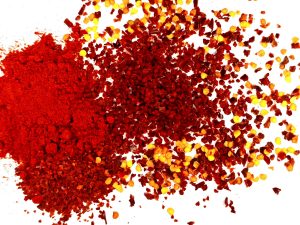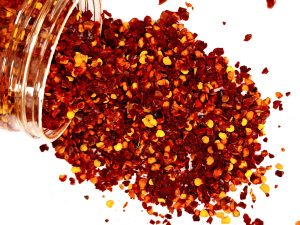
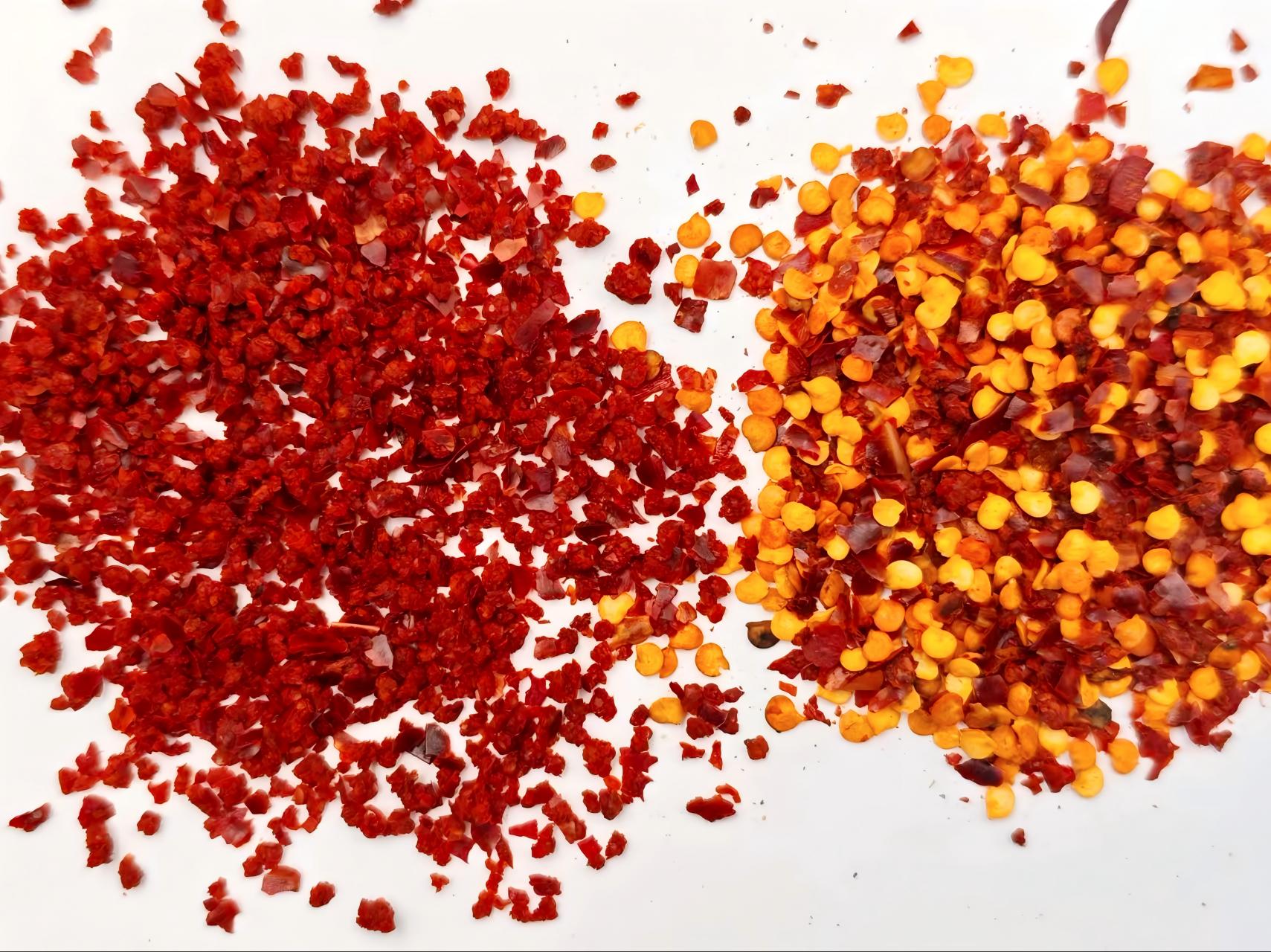
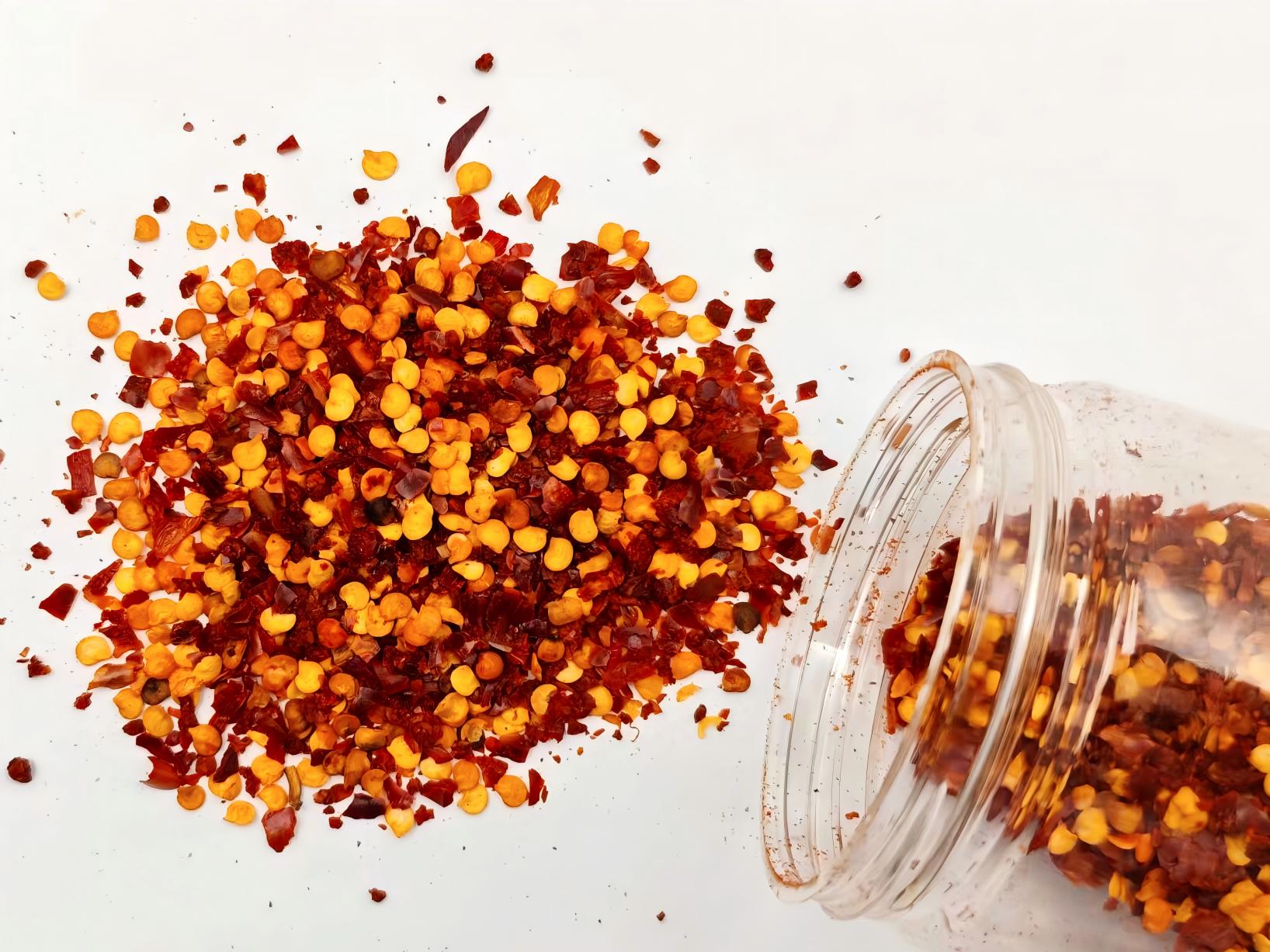
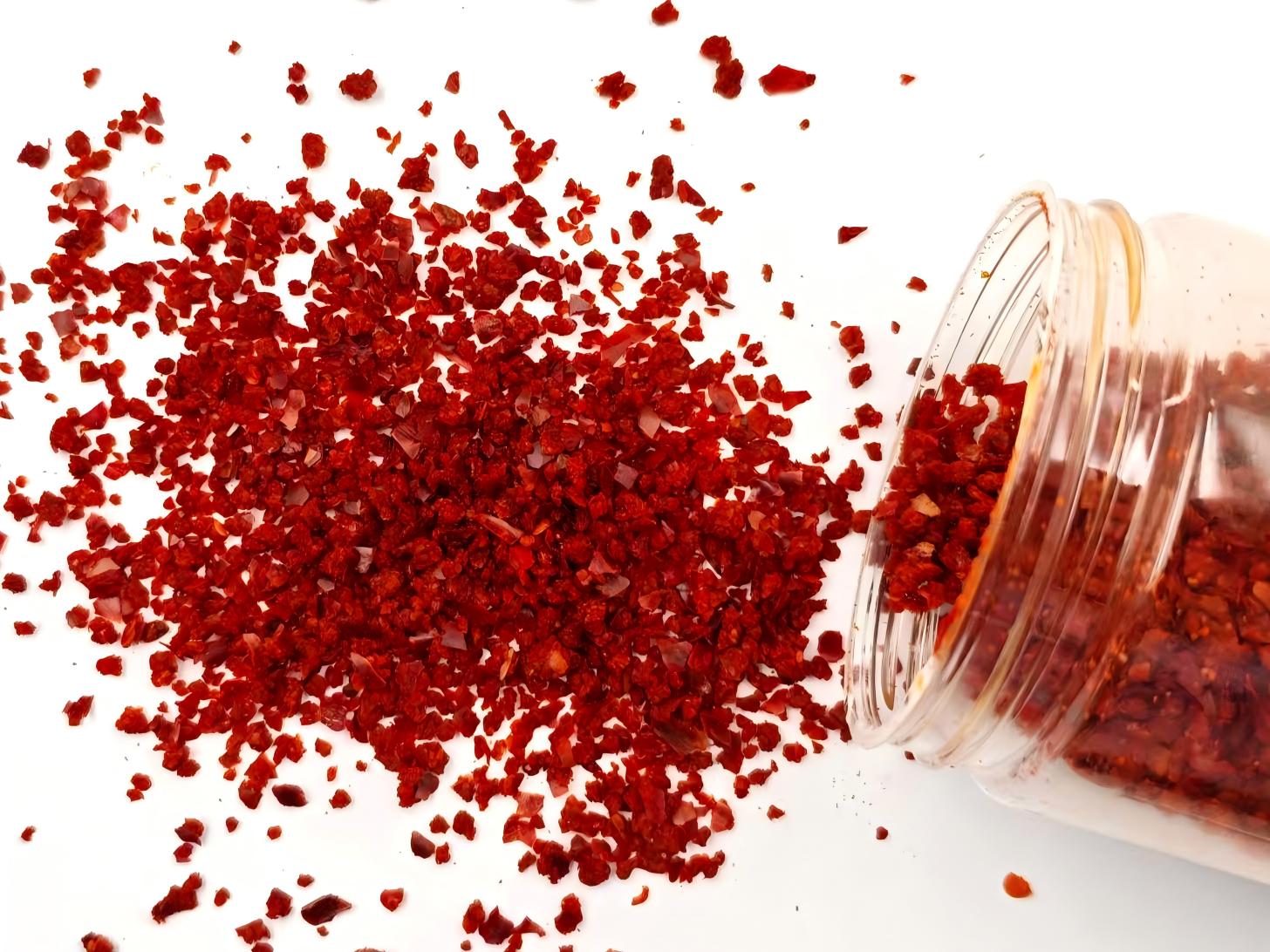
ASTA 80–100: fornitore e produttore di fiocchi di paprika dolce
Fiocchi di paprika — Scheda tecnica della qualità standard (da scaricare)
I fiocchi di paprika dolce ASTA 80–100 sono un ingrediente a base di peperone disidratato di qualità economica, pensato per la produzione alimentare su larga scala e la produzione di condimenti. Provenienti principalmente dalle principali regioni di coltivazione cinesi, tra cui lo Xinjiang, il Gansu e la Mongolia Interna, questa qualità offre un equilibrio tra un colore rosso soddisfacente e l’efficienza in termini di costi.
Nei mercati di esportazione, si osserva spesso che gli acquirenti scelgono questa qualità quando il controllo dei costi di formulazione è più importante dell’intensità cromatica. A differenza delle qualità superiori ASTA 120–200, questo prodotto non è destinato ad applicazioni visive di alta gamma, ma offre prestazioni affidabili nei sistemi di miscelazione industriali in cui la paprika è uno dei numerosi ingredienti che contribuiscono al colore e al sapore.
Molti team di approvvigionamento nel Sud-Est asiatico e in Africa scelgono i fiocchi ASTA 80–100 perché consentono una miscelazione flessibile con peperoncino in polvere, sale e miscele di condimento a base di glutammato monosodico senza aumentare in modo significativo il costo delle materie prime. Un errore comune nell’approvvigionamento, tuttavia, è l’utilizzo di questa qualità nei rivestimenti degli snack ad alta visibilità, dove il deterioramento del colore diventa evidente dopo la frittura o la conservazione.
Dal punto di vista produttivo, questo tipo di prodotto viene realizzato utilizzando scaglie di dimensioni miste (3–12 mm), riducendo al minimo i costi di lavorazione e garantendo un’elevata produttività. È ideale per gli acquirenti che danno priorità alla stabilità, alla disponibilità in grandi volumi e a prezzi annuali prevedibili piuttosto che a una precisione cromatica di alto livello.
I fiocchi di paprika dolce ASTA 80–100 sono fiocchi di peperoncino rosso disidratati di fascia base utilizzati nella produzione alimentare industriale. Offrono un potere colorante moderato e una leggera nota dolce. I produttori alimentari scelgono questa qualità per formulazioni in cui il costo è un fattore determinante, come miscele di condimenti, noodles istantanei e rivestimenti per snack, dove non è fondamentale la massima intensità ASTA ma è richiesto un apporto cromatico stabile alla miscela.
PANORAMICA DEL PRODOTTO
I fiocchi di paprika dolce ASTA 80–100 rappresentano un ingrediente industriale di base a base di paprika, pensato per contesti di produzione alimentare in cui il costo è un fattore determinante. Questa qualità non è destinata ad applicazioni in cui l’aspetto estetico è fondamentale, ma piuttosto per conferire colore a livello funzionale, per sistemi di condimento sfusi e per miscele industriali in cui la paprika funge da ingrediente di supporto piuttosto che da elemento visivo principale.
Dal punto di vista produttivo, questa qualità deriva in genere da lotti misti di pepe raccolti nelle principali regioni agricole della Cina, quali lo Xinjiang, il Gansu e la Mongolia Interna. Queste regioni garantiscono un approvvigionamento costante di materia prima, ma presentano naturalmente variazioni nella concentrazione di pigmento dovute alle differenze climatiche stagionali. Tale variabilità è uno dei motivi per cui la standardizzazione ASTA assume un’importanza fondamentale nel commercio di esportazione.
Nei mercati di esportazione, si osserva spesso che gli acquirenti scelgono i fiocchi ASTA 80–100 quando cercano di ottimizzare il costo per tonnellata in formulazioni ad alto volume, quali bustine di condimento per noodles istantanei, miscele per spolverare snack e sistemi di condimento di base per salsicce. A differenza dei gradi ASTA superiori, utilizzati per garantire un’uniformità cromatica di alta qualità, questo grado è progettato per apportare un contributo funzionale all’interno di ricette composite.
Un errore comune nell'approvvigionamento consiste nel ritenere che i gradi ASTA inferiori possano essere semplicemente “compensati” con un dosaggio più elevato. In realtà, ciò porta spesso a instabilità della formulazione, distribuzione non uniforme del colore e maggiore sedimentazione nelle miscele di condimenti. I produttori alimentari esperti, invece, regolano la matrice della miscela combinando questo grado con peperoncino in polvere o sistemi a base di oleoresina.
Dal punto di vista del rapporto qualità-prezzo, i fiocchi ASTA 80–100 si collocano nella fascia più economica della filiera della paprika. Gli acquirenti tendono a optare per questa qualità quando:
- Il prodotto ha un sapore molto intenso, mentre il colore è secondario
- La pressione sui costi è elevata negli appalti basati su gare d'appalto
- La paprika è utilizzata come ingrediente secondario (formulazione <5%)
Al contrario, gli acquirenti decidono di passare a un modello superiore quando:
- Dopo la cottura o la frittura, è importante verificare il colore
- Il posizionamento del prodotto si orienta verso un'immagine di marca di fascia alta
- La stabilità di conservazione e il mantenimento del colore sono fondamentali
Nell'approvvigionamento basato su container, questa qualità viene spesso acquistata in SKU misti per ottimizzare l'utilizzo dello spazio di carico. Molti importatori raggruppano l'ASTA 80–100 con qualità superiori (ASTA 120–200) per bilanciare costi e prestazioni all'interno di un'unica spedizione.
SPECIFICHE TECNICHE
| Parametro | Specifiche |
|---|---|
| Nome del prodotto | Fiocchi di peperone dolce disidratato |
| Valore ASTA | 80–100 |
| Modulo | Fiocchi (3–12 mm, assortiti) |
| Colore | Rosso intenso, con una sfumatura leggermente scura |
| Umidità | ≤10% |
| Cenere | ≤8% |
| SHU (Calore) | <500 (in genere 0–100) |
| SO₂ | Trace / opzione personalizzabile a basso tenore di zolfo |
| Microbiologia | TPC ≤ 100.000 ufc/g |
| Imballaggio | Sacco di carta kraft da 20 kg / 25 kg + sacchetto interno in PE |
| Durata di conservazione | 24 mesi |
| Archiviazione | In un luogo fresco e asciutto, al riparo dalla luce solare |
| Origine | Cina (Xinjiang, Gansu, Mongolia Interna) |
CARATTERISTICHE E VANTAGGI PRINCIPALI
- Di livello industriale con costi ottimizzati
Riduce i costi delle materie prime nella produzione di condimenti su larga scala. - Gamma cromatica stabile ASTA 80–100
Garantisce prestazioni di miscelazione prevedibili nella produzione in serie. - Granulometria mista dei fiocchi (3–12 mm)
Ideale per applicazioni di condimento non uniformi e per la riduzione dei costi. - Profilo di dolcezza delicata
Favorisce l'equilibrio dei sapori nelle miscele di spezie composte. - Stabilità delle esportazioni su larga scala
Adatto alle catene di approvvigionamento continue dei contenitori. - Integrazione flessibile delle formulazioni
Si abbina bene al peperoncino in polvere, al sale e ai prodotti a base di glutammato monosodico. - Struttura dei costi di lavorazione più contenuta
Una scelta conveniente per gli appalti basati su gare d'appalto. - Adatto a sistemi di miscelazione di prodotti sfusi
Progettato per miscelatori industriali piuttosto che per un impiego visivo di alta qualità.
GUIDA ALL'ACQUISTO
A chi è rivolto
- Produttori di spaghetti istantanei
- Produttori di condimenti per snack
- Miscelatori per spezie sfuse
- Stabilimenti di produzione di salsicce e salumi
- Fornitori che partecipano a gare d'appalto pubbliche
Chi NON dovrebbe acquistarlo
- Marchi di snack di alta gamma che richiedono un colore rosso brillante
- Marchi di confezioni per la vendita al dettaglio pronte per l'esportazione
- Produttori di condimenti gourmet
I migliori settori industriali
- Trasformazione alimentare
- Condimenti industriali
- Catene di approvvigionamento per la ristorazione collettiva
Logica degli appalti
Gli acquirenti scelgono questa qualità principalmente per il rapporto costo-efficacia per unità funzionale, piuttosto che per il valore estetico. Nelle formulazioni di grandi dimensioni, la paprika viene spesso utilizzata in dosi comprese tra 1 e 3%, rendendo l’ottimizzazione ASTA più importante dell’intensità visiva.
Comportamento annuale tipico
I grandi acquirenti stipulano solitamente contratti a prezzo fisso su base annuale a causa delle fluttuazioni stagionali del costo delle materie prime e della volatilità dei noli.
APPLICAZIONI
1. Condimento per spaghetti istantanei
- Utilizzo: 0,5–21 TP3T
- Motivo: base colorata conveniente
- Motivo della scelta: miscelazione stabile nei sistemi in polvere
- Non superare il valore ASTA: aumento inutile dei costi
2. Rivestimento aromatizzato per snack
- Utilizzo: 1–3%
- Fornisce una tonalità rossa di base nella polvere di condimento
- Utilizzo a livello regionale: forte domanda nel Sud-Est asiatico
3. Lavorazione di salsicce e carne
- Utilizzo: 0,3–11 TP3T
- Aggiunge un leggero effetto colorante nei sistemi emulsionati
- Evitare valori elevati di ASTA: rischio di squilibrio aromatico
4. Miscele di spezie sfuse
- Utilizzo: variabile
- Funge da componente colorante di riempimento
5. Approvvigionamento alimentare istituzionale
- Destinazione d'uso: produzione di condimenti in grandi lotti
- Priorità: stabilità dei costi rispetto alla precisione cromatica
APPROFONDIMENTO SULLE APPALTI
Nelle operazioni di esportazione effettive, i fiocchi ASTA 80–100 vengono solitamente acquistati in container a carico completo, con un peso compreso tra 11 e 13 tonnellate per container da 20 piedi. Gli acquirenti ricorrono raramente all’acquisto di quantità spot a causa dell’inefficienza dei costi di trasporto.
Osserviamo costantemente tre comportamenti in materia di approvvigionamento:
- Comportamento di ancoraggio dei costi
Gli acquirenti fissano questo grado come riferimento di base per i modelli di calcolo dei costi di stagionatura. - Strategia di ottimizzazione della miscelazione
Molti produttori miscelano l'ASTA 80–100 con gradi superiori, quali l'ASTA 120–150, per ridurre il costo totale mantenendo al contempo una tonalità accettabile. - Cicli di acquisto stagionali
I grandi acquirenti aumentano gli acquisti prima del terzo trimestre a causa dei cicli di raccolta delle materie prime e della pianificazione dei trasporti.
Un errore comune è ordinare quantità eccessive di questa qualità senza tenere conto delle variazioni nella formulazione. Poiché la qualità ASTA 80–100 varia leggermente a seconda del lotto di raccolta, gli acquirenti esperti richiedono sempre un certificato di analisi (COA) per ogni spedizione e adeguano di conseguenza i rapporti di miscelazione.
Dal punto di vista dei prezzi, anche una fluttuazione di $100–200/ton può incidere in modo significativo sui contratti su larga scala che superano le 500 tonnellate all’anno.
SPIEGAZIONE DEL VALORE ASTA
L'ASTA misura l'intensità del colore in base alla concentrazione dei pigmenti. Un valore ASTA più elevato indica un colore rosso più intenso e un costo maggiore.
Nelle applicazioni industriali, l’ASTA non è solo un elemento visivo, ma ha un impatto diretto su:
- efficienza del dosaggio
- stabilità della miscela
- costo di formulazione
- Aspetto del prodotto dopo il trattamento termico
I gradi ASTA inferiori richiedono un dosaggio più elevato, il che potrebbe vanificare i risparmi iniziali.
CONFRONTO TRA I GRADI ASTA
| ASTA | Colore | Richiesta | Livello dei costi | Tipo di acquirente |
|---|---|---|---|---|
| 40–60 | Molto leggero | Materiali di riempimento di bassa qualità | Molto basso | Operatori nel settore delle materie prime |
| 60–80 | Rosso chiaro | Condimento di base | Basso | Produttori economici |
| 80–100 | Rosso (classe economica) | Miscele industriali | Basso-medio | Grandi produttori alimentari |
| 120–150 | Rosso medio | Uso equilibrato | A metà | Stabilimenti standard |
| 150–200 | Rosso intenso | Condimento di alta qualità | Alto | Produttori di marca |
| 200–240 | Rosso intenso | Prodotti di alta qualità destinati all'esportazione | Molto alto | Marchi al dettaglio |
Scegli una formula di qualità superiore quando il colore è importante. Opta per una formula di qualità inferiore quando il costo è il fattore determinante.
PROCESSO DI PRODUZIONE
- Approvvigionamento di peperoni freschi
- Lavaggio e rimozione delle impurità
- Ordinamento per scadenza
- Essiccazione controllata
- Taglio a scaglie (3–12 mm)
- Test e miscelazione dei colori ASTA
- Rilevamento e screening dei metalli
- Controllo qualità in lotti
- Imballaggio per l'esportazione da 20–25 kg
- Carico e sigillatura dei container
CONTROLLO QUALITÀ
- Analisi con spettrofotometro ASTA per ogni lotto
- Controllo dell'umidità ≤10%
- Analisi microbiologiche (TPC, agenti patogeni)
- Analisi dei metalli pesanti (Pb, As, Cd)
- Conformità ai limiti di residui di pesticidi
- Tracciabilità per lotto di raccolta
- Uniformità della miscelazione tra i lotti
APPROFONDIMENTI SUL SETTORE
- Molti acquirenti sottovalutano la perdita di colore durante il trattamento termico
- L'umidità di stoccaggio è la causa principale del degrado dell'ASTA
- Le variazioni legate al raccolto possono causare fluttuazioni di ±5–10 ASTA
- Il Sud-Est asiatico predilige sistemi di produzione di paprika miscelata a basso costo
- L'Europa privilegia la stabilità rispetto al prezzo nei contratti a lungo termine
- Un'essiccazione eccessiva può ridurre l'aroma, ma migliorare la stabilità di conservazione
INFORMAZIONI DI MERCATO
- Sud-est asiatico: utilizzo di condimenti per noodles in grandi volumi e sensibile al prezzo
- Medio Oriente: domanda equilibrata in termini di rapporto qualità-prezzo
- Africa: forte preferenza per le classi economiche
- Europa: impiego limitato; principalmente miscelazione industriale
- America Latina: domanda variegata, spesso in miscele con peperoncino in polvere
ESPORTAZIONE E LOGISTICA
- Confezione: sacchi di carta kraft da 20 kg / 25 kg
- Container: 11–13 tonnellate per container da 20 piedi
- Caricamento: impilaggio di sacchi su pallet o sfusi
- Documenti: COA, certificato fitosanitario, certificato di origine, ISO/HACCP
- Assistenza: sono disponibili SKU di contenitori misti
ASSISTENZA PER CAMPIONI E DOCUMENTAZIONE
- Sono disponibili campioni gratuiti da 200–500 g
- Certificato di analisi completo per ogni lotto
- Scheda tecnica
- Foto di produzione e immagini del confezionamento
- Documentazione relativa alla conformità alle norme sulle esportazioni
PERCHÉ SCEGLIERCI PaprikaBulk.com
- Oltre 15 anni di esperienza nel settore manifatturiero
- Rete stabile di approvvigionamento delle materie prime
- Capacità di esportazione su larga scala
- Rigoroso sistema di classificazione ASTA
- Quantità minima d'ordine flessibile per gli ordini di prova
- Supporto per il consolidamento di container misti
- Contratti di fornitura affidabili a lungo termine
Domande frequenti
1. Perché i produttori scelgono l’ASTA 80–100 invece di gradi superiori?
Poiché offre il miglior rapporto qualità-prezzo per i sistemi di condimento alla rinfusa in cui il colore è secondario.
2. Un valore ASTA più basso indica sempre una qualità inferiore?
No, significa una minore concentrazione di pigmento, non una sicurezza o una funzionalità inferiori.
3. Questo tipo di prodotto può essere utilizzato negli snack?
Sì, soprattutto nelle miscele di spezie in polvere e nei sistemi di rivestimento.
4. Perché l’ASTA varia da un lotto all’altro?
Le condizioni stagionali di raccolta e essiccazione influiscono sulla concentrazione dei pigmenti.
5. In che modo gli acquirenti garantiscono l'uniformità del colore?
Mescolando diverse qualità ASTA e richiedendo un certificato di analisi (COA) per ogni spedizione.
6. Qual è l'errore più comune che commettono gli acquirenti?
Utilizzo di ASTA a basso valore direttamente in applicazioni visive di alta qualità.
7. Questo tipo di imballaggio è adatto alla vendita al dettaglio all’estero?
In linea di massima no, è progettato per uso industriale.
8. Per quanto tempo si conserva?
Fino a 24 mesi in condizioni di ambiente fresco e asciutto.
9. L'umidità influisce sul valore ASTA?
Sì, l'elevata umidità accelera il degrado dei pigmenti.
10. Si può mescolare con il peperoncino in polvere?
Sì, viene comunemente miscelato per ottimizzare i costi.
11. Qual è la dimensione standard dei contenitori?
Container da 20 piedi con un carico di 11–13 tonnellate.
12. Quali sono i settori che acquistano di più?
Produttori di condimenti per spaghetti istantanei e snack.
13. È necessaria la sterilizzazione?
Non sempre; dipende dalle specifiche dell'acquirente.
14. Perché alcuni acquirenti attribuiscono un punteggio inferiore all’ASTA?
Per ridurre i costi nelle formulazioni ad alto volume.
15. È possibile aggiornare ASTA durante la produzione?
Solo tramite miscelazione, non con metodi chimici.
16. Qual è il fattore che influisce maggiormente sui prezzi?
Resa del raccolto, costi di trasporto e livello ASTA.
17. Fornite campioni?
Sì, sono disponibili confezioni campione di piccole dimensioni.
18. È possibile combinare più spedizioni?
Sì, è possibile inserire SKU misti per container.
RICHIESTA DI INFORMAZIONI
Per informazioni sui prezzi, certificati di analisi (COA), campioni o preventivi per container all'ingrosso:
- Richiedi un campione gratuito
- Richiedi il certificato di analisi e la scheda tecnica
- Richiedi i prezzi FOB/CIF
- Discutere del contratto di fornitura annuale
- Personalizza il rapporto di miscelazione ASTA
- Avvia l'approvvigionamento all'ingrosso