¿De qué está hecha la pimentón?
Resumen
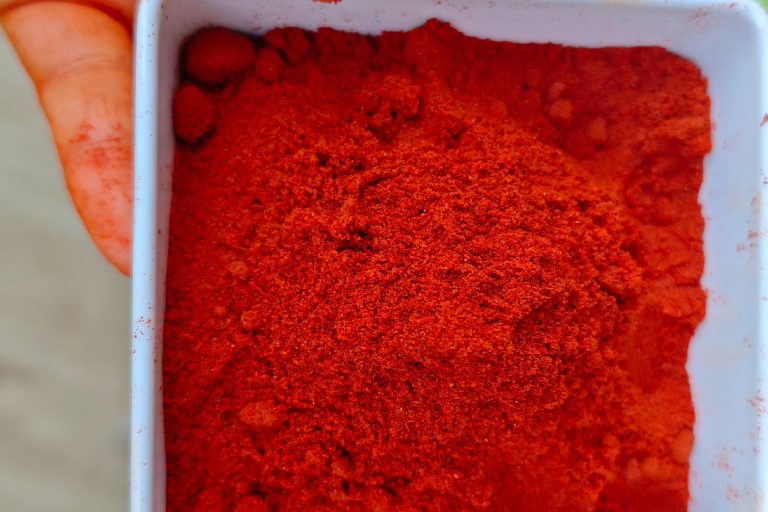
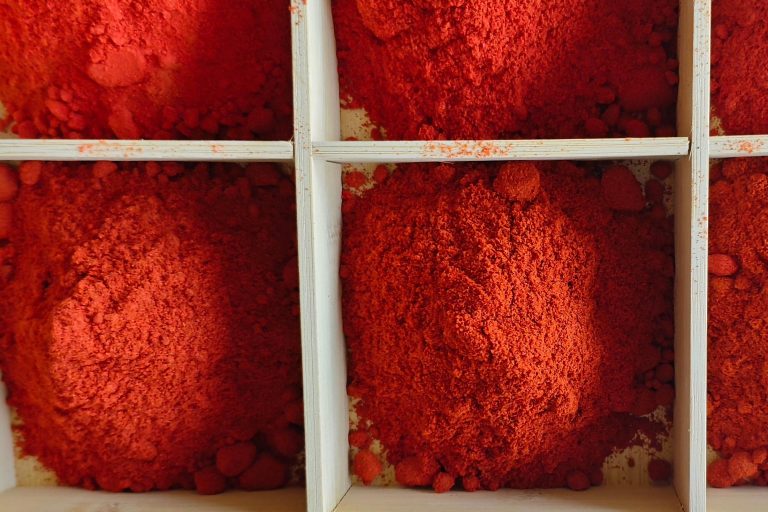
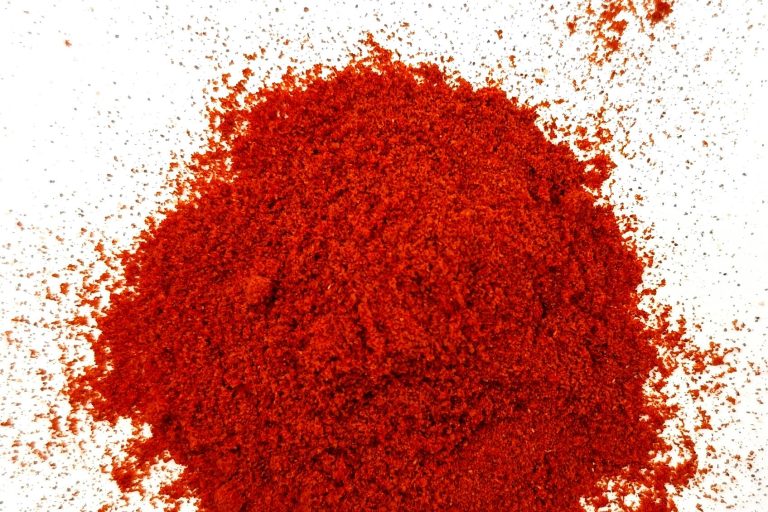
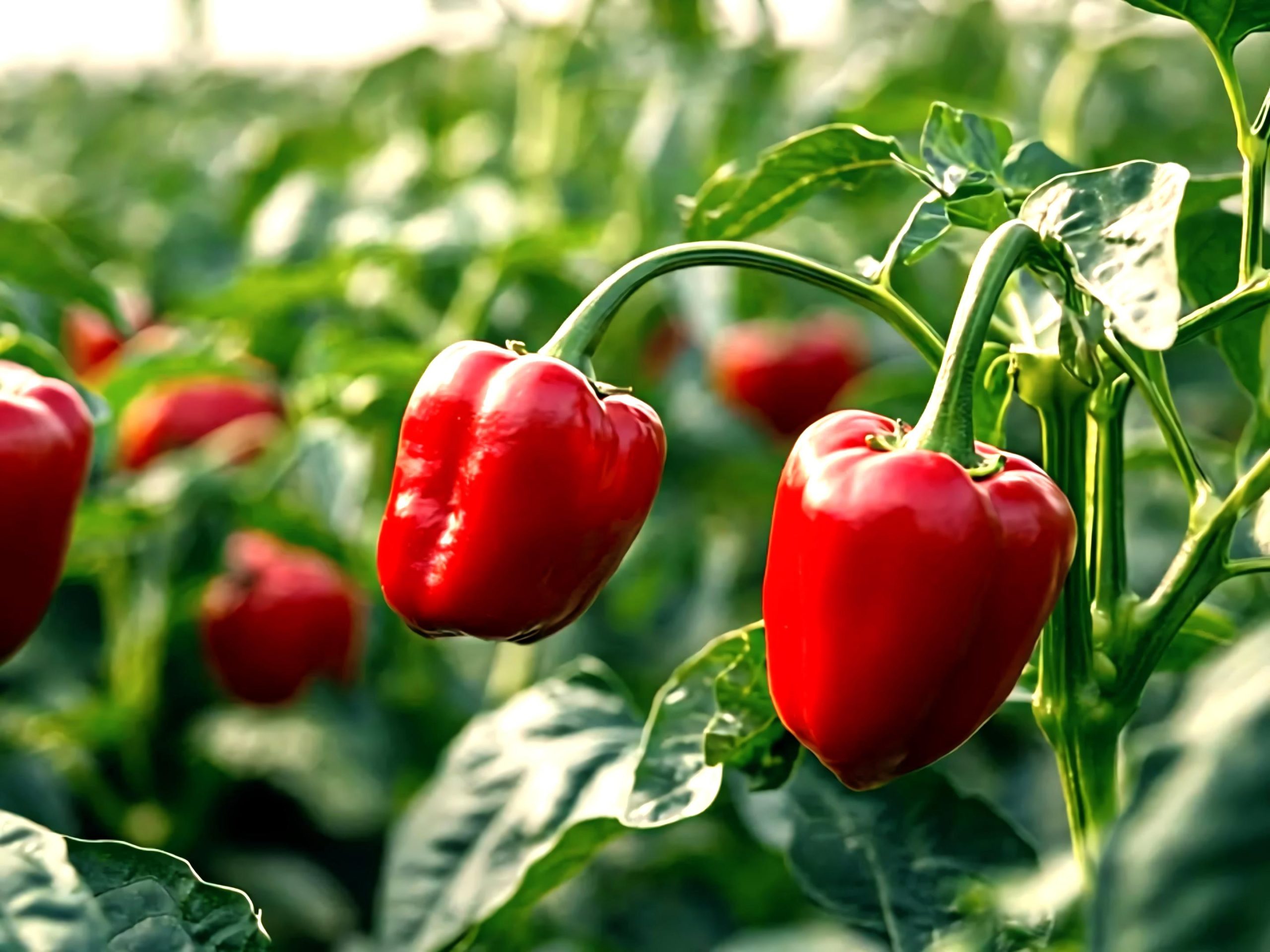
Pimentón está elaborado con pimientos rojos completamente maduros (Capsicum annuum L.) que se recogen, se limpian, se secan y se muelen hasta convertirse en polvo. La mayor parte del pimentón comercial se elabora a partir de variedades de pimiento dulce que contienen niveles muy bajos de capsaicina, lo que le confiere un sabor suave y un color rojo intenso.
Sin embargo, desde el punto de vista del abastecimiento y la fabricación, comprender de qué está compuesto el pimentón implica mucho más que identificar la especie de pimiento. Las variedades de pimiento, el contenido de semillas, la tecnología de secado, los métodos de molienda y los sistemas de control de calidad influyen en el producto final.
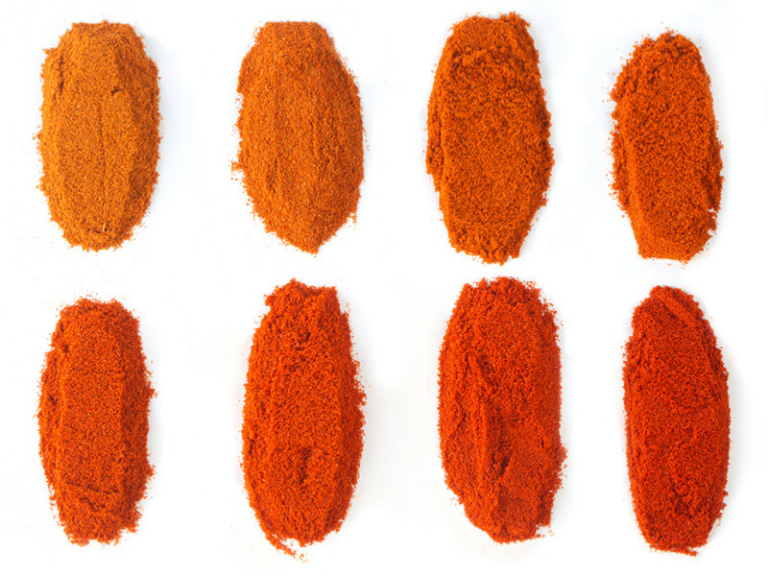
Dos tipos de pimentón en polvo pueden tener el mismo nombre y, sin embargo, diferir considerablemente en cuanto a intensidad del color, aroma, tamaño de las partículas y estabilidad durante el almacenamiento.
Para los usuarios industriales y los compradores de ingredientes, la pregunta no suele ser simplemente:
“¿De qué está hecho el pimentón?”
sino más bien:
“¿Por qué los distintos proveedores de pimentón ofrecen resultados diferentes?”
Respuesta rápida
El pimentón se elabora normalmente a partir de:
- Pimientos rojos dulces completamente maduros
- Variedades de pimiento pertenecientes a Capsicum annuum L.
- Pulpa de pimiento con cantidades variables de semillas
- Pigmentos carotenoides de origen natural
- Pequeñas cantidades de capsaicina
- Azúcares, fibras y compuestos volátiles de origen natural
A diferencia del chile en polvo, el pimentón se valora principalmente por su color y su sabor suave, más que por su picante.
¿A qué se debe el color rojo del pimentón?
El color característico del pimentón se debe principalmente a los carotenoides de origen natural.
Capsantina
La capsantina es el pigmento más importante del pimentón y es la responsable de su color rojo intenso.
Capsorubina
La capsorubina aporta tonos rojos más intensos y realza la intensidad general del color.
Betacaroteno
El betacaroteno aporta tonos entre el naranja y el rojo y, además, actúa como antioxidante natural.
Zeaxantina
La zeaxantina pertenece a la familia de las xantofilas y contribuye a la complejidad de la pigmentación.
Luteína
La luteína, presente en cantidades más reducidas, aporta tonos amarillo-anaranjados.
Estos pigmentos determinan en gran medida el valor de color ASTA del pimentón.
¿Contiene la pimentón capsaicina?
Sí.
El pimentón contiene de forma natural capsaicina, pero las variedades de pimentón dulce tienen concentraciones muy bajas.
En consecuencia:
- El pimentón dulce es suave.
- Los niveles de calor suelen ser insignificantes.
- El pimentón se utiliza principalmente por su color y sabor, más que por su picante.
Los productos especiales a base de pimentón picante pueden contener concentraciones más elevadas de capsaicina y provocar un picor notable.
¿Qué pimientos se utilizan para elaborar el pimentón?
Aunque todo el pimentón comercial pertenece a la especie Capsicum annuum L., se utilizan numerosas variedades en todo el mundo.
| Región | Variedades comunes | Características |
|---|---|---|
| China | Pimientos de Jinta, variedades locales dulces | Alto rendimiento y amplios rangos ASTA |
| España | Pimientos Bola | Sabor ahumado tradicional |
| Hungría | Variedades de Édesnemes | Aroma dulce y calidad superior |
| India | Pimientos Byadgi | Gran intensidad de color |
Las distintas variedades contienen cantidades variables de:
- Capsantina
- Capsorubina
- Azúcares
- Compuestos volátiles
- Fracciones de semillas
Por lo tanto, dos tipos de pimentón en polvo pueden presentar diferencias en:
- Intensidad del color
- Aroma
- Dulzura
- Perfil de sabor
- Estabilidad durante el almacenamiento
Es similar a lo que ocurre con los granos de café. La categoría sigue siendo la misma, pero las características finales dependen en gran medida de la materia prima.
Proceso de fabricación del pimentón
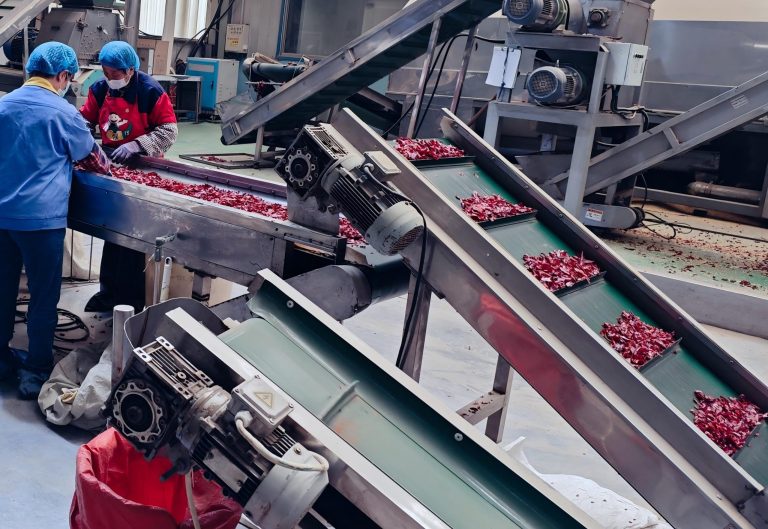
Pimentón comercial producción consta de varias fases.
1. Cosecha
Los pimientos se cosechan cuando están completamente maduros.
En esta fase:
- La concentración de carotenoides alcanza su nivel máximo.
- El contenido en azúcar es mayor.
- Se optimiza la reproducción del color.
Los pimientos inmaduros suelen presentar valores de color inferiores.
2. Clasificación
Se retiran los frutos dañados, los tallos y los materiales extraños.
Una clasificación adecuada mejora:
- Uniformidad del color
- Seguridad alimentaria
- Homogeneidad del lote
3. Limpieza
Los pimientos recolectados se lavan y se limpian para eliminar:
- Polvo
- Suelo
- Piedras
- Cuerpos extraños
Una limpieza eficaz reduce los riesgos de contaminación y protege los equipos de molienda.
4. Extracción del tallo
La mayoría de los productores comerciales retiran los tallos porque pueden contribuir a:
- Fibra
- Sabores indeseables
- Menor intensidad del color
5. Extracción de semillas
El contenido de semillas varía en función de las especificaciones del producto.
Quitar las semillas puede mejorar:
- Valor del color
- Calidad del sabor
- Intensidad del aroma
Un mayor contenido de semillas suele dar lugar a polvos de color más claro.
6. Secado
El secado es una de las etapas más importantes en la producción de pimentón.
Entre los métodos más habituales se encuentran:
Secado al sol
Ventajas:
- Menor coste
Limitaciones:
- Dependencia de las condiciones meteorológicas
- Mayor variabilidad
Secado con aire caliente
Ventajas:
- Mayor consistencia
- Producción a gran escala
Secado controlado a baja temperatura
Ventajas:
- Mejor conservación de los carotenoides
- Mayor retención del aroma
Limitaciones:
- Mayores costes de producción
Las condiciones de secado influyen directamente en:
- Valor de color ASTA
- Estabilidad del pigmento
- Compuestos aromáticos
- Vida útil
Las temperaturas excesivamente altas pueden degradar los carotenoides y oscurecer el polvo.
7. Molienda
Los pimientos secos se muelen hasta convertirlos en polvo.
Los tamaños de partícula habituales en el mercado suelen ser:
- 40 de malla
- 60 mesh
- 80 mallas
Los métodos de molienda influyen en:
- Fluidez
- Apariencia del color
- Características de dispersión
8. Tamizado
El tamizado ayuda a conseguir:
- Tamaño uniforme de las partículas
- Mejora del aspecto
- Mejor rendimiento de las aplicaciones
9. Detección de metales
Las líneas de producción modernas suelen utilizar detectores de metales para eliminar los contaminantes metálicos.
Entre los objetivos habituales se incluyen:
- Hierro
- Acero inoxidable
- Partículas no ferrosas
10. Esterilización al vapor
Algunos fabricantes aplican un tratamiento con vapor para reducir la carga microbiana.
La esterilización con vapor puede ayudar a reducir:
- Recuento total de gérmenes
- Levaduras y mohos
- Riesgos relacionados con la salmonela
El control microbiológico reviste especial importancia para los mercados de exportación.
11. Embalaje
El pimentón suele envasarse en:
- Bolsas de papel Kraft
- Bolsas de papel de aluminio
- Cajas de cartón
- Envases a granel
Un embalaje adecuado reduce al mínimo:
- Absorción de humedad
- Oxidación
- Pérdida de color
12. Almacenamiento
Las condiciones de almacenamiento recomendadas son las siguientes:
- Entornos frescos
- Baja humedad
- Protección frente a la luz solar
- Control del oxígeno
Las malas condiciones de almacenamiento aceleran la degradación de los pigmentos.
¿Por qué dos pimentones en polvo tienen un aspecto diferente?
Esta es una de las preguntas más habituales entre los compradores.
Aunque dos productos lleven la etiqueta “pimentón”, pueden existir diferencias en:
Variedades de pimiento
Las distintas variedades contienen diferentes concentraciones de carotenoides.
Contenido de semillas
Un alto contenido en semillas suele reducir la intensidad del color.
Temperaturas de secado
Las altas temperaturas pueden dañar los pigmentos.
Métodos de rectificado
El tamaño de las partículas influye en el aspecto y la dispersión.
Condiciones de almacenamiento
El oxígeno y la exposición a la luz aceleran la pérdida de color.
Contenido de humedad
Unos niveles de humedad más elevados pueden acortar el plazo de conservación.
Dos tipos de pimentón en polvo son algo así como granos de café de diferentes orígenes.
La categoría es idéntica, pero las características de calidad pueden variar considerablemente.
¿Qué parámetros de calidad deben evaluar los compradores?
Los compradores profesionales de ingredientes rara vez se basan únicamente en el aspecto.
Valor de color ASTA
El color ASTA es uno de los indicadores más importantes.
Entre los grados comerciales más habituales se encuentran:
- 80 ASTA
- 100 ASTA
- 120 ASTA
- 140 ASTA
- 160 ASTA
- 180 ASTA
Por lo general, los valores más altos indican una mayor intensidad del color.
Humedad
Especificaciones típicas:
≤12%
El exceso de humedad puede acelerar:
- Aparición de moho
- Degradación de los pigmentos
- Aglomeración
- Vida útil reducida
Actividad del agua
Objetivo típico:
aw <0,65
Una menor actividad del agua contribuye a frenar el crecimiento microbiano.
Tamaño de las partículas
Tamaños habituales de malla:
- 40 de malla
- 60 mesh
- 80 mallas
El tamaño de las partículas influye en:
- Fluidez
- Dispersión
- Rendimiento de las aplicaciones
Densidad aparente
Rango habitual:
0,45–0,65 g/ml
La densidad aparente influye en:
- Eficiencia en el embalaje
- Rendimiento en la mezcla
Vida útil
En condiciones de almacenamiento adecuadas, el pimentón suele conservar su calidad durante:
De 18 a 24 meses.
Parámetros microbiológicos
Entre las pruebas habituales se incluyen:
- Recuento total de gérmenes
- Levaduras y mohos
- Coliformes
- E. coli
- Salmonella
Metales pesados
El seguimiento puede incluir:
- Plomo
- Cadmio
- Arsénico
- Mercurio
Residuos de plaguicidas
Los ensayos suelen realizarse de acuerdo con:
- Reglamento (CE) n.º 396/2005 de la UE
- Requisitos de la FDA
- Normas del Codex Alimentarius
Aflatoxinas
Entre los parámetros habituales se incluyen:
- Aflatoxina B1
- Total de aflatoxinas
Tintes de Sudán
Los fabricantes responsables también controlan los colorantes ilegales, tales como:
- Sudán I
- Sudán II
- Sudán III
- Sudán IV
Estas sustancias están prohibidas en muchos mercados.
Riesgos de contaminación cruzada
El pimentón, por sí mismo, es suave de forma natural, pero las plantas de producción también pueden procesar:
- Chili en polvo
- Pimienta negra
- Cúrcuma
- Comino
- Mostaza
- Sésamo
Si no se siguen los procedimientos de limpieza adecuados, puede producirse contaminación cruzada.
Los compradores deberían valorar:
- Procedimientos de validación de la limpieza
- Sistemas de segregación en la producción
- Programas de gestión de alérgenos
- Prácticas de cambio de turno
Los certificados por sí solos no reflejan necesariamente la disciplina en el proceso de fabricación diario.
La realidad de la cadena de suministro global
China
China es una de las regiones con mayor producción de pimentón del mundo.
Zonas típicas de cultivo
- Xinjiang
- Mongolia Interior
Ventajas
- Gran capacidad de producción
- Precios competitivos
- Envases flexibles
- Amplias gamas de ASTA
Riesgos
La capacidad de procesamiento varía considerablemente de un proveedor a otro.
Recomendación
Evalúa a cada fabricante por separado, en lugar de juzgar la calidad basándote únicamente en el país de origen.
España
España cuenta con una larga tradición en la producción de pimentón.
Producto famoso
Pimentón de la Vera
Ventajas
- Característico sabor ahumado
- Gran trazabilidad
- Sistemas de exportación consolidados
Limitaciones
Los precios de las primas y las fluctuaciones de las cosechas.
Hungría
Hungría es conocida por sus variedades de pimentón dulce de primera calidad.
Ventajas
- Aroma intenso
- Un color excelente
- Sabor característico
Limitaciones
Volúmenes de producción más reducidos y costes más elevados.
India
La India cuenta con una de las industrias de especias más grandes del mundo.
Ventajas
- Abastecimiento rentable
- Un sector de la transformación sólido
Riesgos
La calidad de los proveedores varía considerablemente.
Las pruebas por lotes y la cualificación de proveedores son fundamentales.
Normas del sector aplicables a Paprika
Los fabricantes profesionales suelen implantar sistemas de seguridad alimentaria como, por ejemplo:
HACCP
Análisis de riesgos y puntos críticos de control.
Establece controles preventivos en materia de seguridad alimentaria.
ISO 22000
Sistema internacional de gestión de la seguridad alimentaria.
BRCGS
Ampliamente reconocida por minoristas y fabricantes de productos alimenticios de todo el mundo.
FSSC 22000
Programa avanzado de certificación en seguridad alimentaria.
FDA FSMA
La Ley de Modernización de la Seguridad Alimentaria regula los controles preventivos aplicables a los alimentos exportados a Estados Unidos.
Métodos analíticos de la ASTA
La Asociación Americana del Comercio de Especias ofrece métodos analíticos ampliamente utilizados en todo el sector de las especias.
Códice Alimentario
Normas alimentarias internacionales elaboradas conjuntamente por la FAO y la OMS.
Reglamento (CE) n.º 396/2005 de la UE
Establece los límites máximos de residuos de plaguicidas.
Errores habituales de los compradores
Dar por sentado que todo el pimentón es igual
Los productos de pimentón pueden presentar diferencias considerables en cuanto a:
- Valor del color
- Aroma
- Contenido de semillas
- Perfil de sabor
Dependencia excesiva de los certificados
Los certificados demuestran el cumplimiento de la normativa, pero no garantizan automáticamente la disciplina operativa.
Centrarse únicamente en el precio
El pimentón barato puede provocar:
- Variación de color
- Retos de la reformulación
- Quejas de los clientes
- Incoherencia del producto
No tener en cuenta la contaminación cruzada
La validación de la limpieza debe revisarse, en lugar de darse por sentada.
Juzgar la calidad únicamente por el país de origen
En un mismo país puede haber proveedores excelentes y otros que no lo sean.
La capacidad del proveedor es más importante que la ubicación geográfica.
Preguntas frecuentes
¿El pimentón se elabora a partir de pimientos?
Muchos productos elaborados con pimentón dulce se elaboran a partir de pimientos rojos maduros que pertenecen a la especie Capsicum annuum. Las variedades exactas varían según las regiones y los fabricantes.
¿El pimentón pica?
La mayoría del pimentón no es picante, ya que las variedades de pimiento dulce contienen concentraciones muy bajas de capsaicina.
¿El pimentón y el chile en polvo son lo mismo?
No.
El chile en polvo suele contener pimientos picantes y una mezcla de especias, mientras que el pimentón se elabora principalmente a partir de pimientos rojos dulces.
¿A qué se debe el color rojo del pimentón?
El color se debe principalmente a los carotenoides, como:
- Capsantina
- Capsorubina
- Betacaroteno
¿Por qué los pimentones en polvo tienen distintos tonos?
Diferencias en:
- Variedades de pimiento
- Contenido de semillas
- Tecnología de secado
- Condiciones de almacenamiento
Todos ellos pueden influir en la intensidad del color.
¿El pimentón tiene semillas?
Sí.
Dependiendo de las especificaciones, algunos fabricantes eliminan la mayor parte de las semillas, mientras que otros conservan parte de ellas.
¿Qué es el color ASTA?
El color ASTA es una medida analítica que se utiliza para evaluar la intensidad del color del pimentón.
Por lo general, unos valores más altos de ASTA indican un color más intenso.
¿Puede el pimentón contener salmonela?
Al igual que otras especias, el pimentón puede presentar riesgos microbiológicos si los controles de elaboración son insuficientes.
Una esterilización y unos controles adecuados ayudan a minimizar estos riesgos.
¿Por qué el pimentón pierde color durante su conservación?
Exposición a:
- Oxígeno
- Luz
- Calor
- Humedad
acelera la degradación de los pigmentos.
¿Cuánto tiempo se conserva el pimentón?
En condiciones de almacenamiento adecuadas, el plazo de conservación suele ser de entre 18 y 24 meses.
¿Garantiza la certificación ecológica una mejor calidad?
No necesariamente.
La certificación ecológica aborda los requisitos de producción, pero la estabilidad y la uniformidad del color siguen dependiendo de las prácticas de fabricación.
¿Basta con el país de origen para juzgar la calidad?
No.
La capacidad del proveedor suele ser más importante que la ubicación geográfica.
Reflexiones finales
El pimentón es mucho más que simples pimientos rojos molidos.
Aunque la mayor parte del pimentón comercial se elabora a partir de Capsicum annuum L., las diferencias en las variedades de pimienta, el contenido de semillas, la tecnología de secado, los métodos de molienda, el control microbiológico y la disciplina en la fabricación dan lugar a variaciones significativas entre los proveedores.
Para los usuarios industriales, comprender de qué está compuesto el pimentón significa comprender toda la cadena de suministro, y no limitarse simplemente a leer el nombre del ingrediente.
En la práctica, los compradores con experiencia evalúan no solo la variedad de pimiento, sino también el color según la escala ASTA, el contenido de humedad, los parámetros microbiológicos, el control de contaminantes y la capacidad del fabricante para garantizar una calidad constante de un lote a otro.
Este enfoque contribuye a reducir los problemas de formulación, a mantener la uniformidad del producto y a garantizar la fiabilidad del abastecimiento a largo plazo.