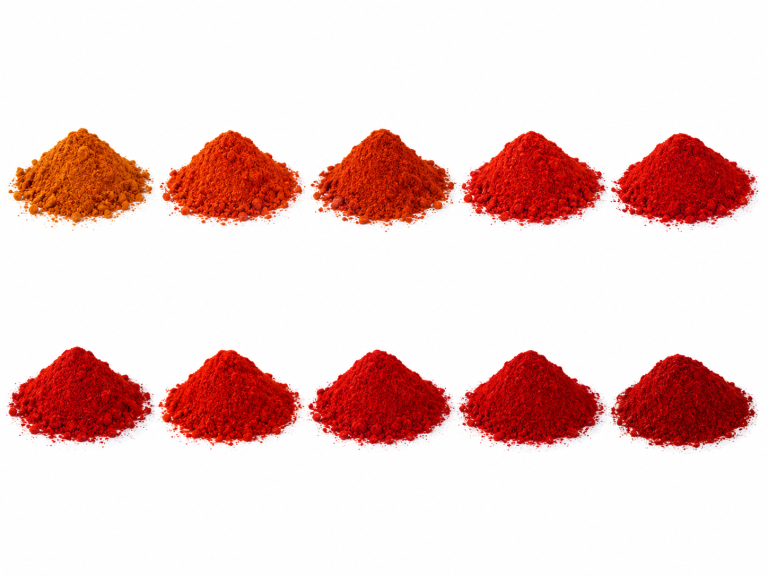

Paprika Pesticide Residue Standards
The Ultimate Export Compliance Guide to EU MRLs, Japan Positive List, USDA Requirements, Testing Protocols, and Global Buyer Expectations
Paprika Pesticide Residue Standards: The Complete Export Compliance Guide
When international buyers evaluate paprika suppliers, they rarely focus on color alone.
ASTA value, microbiological safety, moisture content, heavy metals, aflatoxins, and product consistency all influence purchasing decisions—but one issue increasingly determines whether a shipment reaches its destination or is rejected at the border:
Pesticide residue compliance.
For many exporters, pesticide residues are also the most misunderstood aspect of international food regulations. A paprika powder that is perfectly acceptable in its country of origin may fail European Union (EU) border inspections, not because it is unsafe, but because its residue profile does not comply with the importing country’s Maximum Residue Limits (MRLs).
This challenge is unique to dried spices. Paprika begins life as a fresh pepper, yet most international trade involves the dried, ground product. During dehydration, water is removed while pesticide residues largely remain, increasing the concentration of those residues. The result is that paprika exists at the intersection of two regulatory perspectives:
- As a fresh agricultural crop during cultivation.
- As a processed spice ingredient during international trade.
Understanding how different countries regulate this transformation is essential for exporters, importers, food manufacturers, and procurement professionals.
This guide explains the science behind pesticide residue concentration, compares regulatory approaches in the European Union, Japan, and the United States, reviews common laboratory testing methods, and provides practical compliance strategies used by professional paprika exporters supplying global markets.
Whether you are sourcing paprika for food manufacturing, managing export documentation, or developing supplier qualification standards, this article is designed to serve as a comprehensive technical reference.
Why Pesticide Residue Compliance Matters More Than Ever
Twenty years ago, international spice buyers primarily focused on visual quality and price.
Today, procurement priorities have changed significantly.
Global food manufacturers operate under increasingly strict food safety systems, retailer requirements, and consumer expectations. Many multinational brands now require suppliers to demonstrate compliance not only with legal regulations but also with internal corporate standards that may exceed government requirements.
For paprika suppliers, this means that laboratory residue reports have become just as important as certificates of origin or microbiological analyses.
Residue compliance now influences:
- Customs clearance
- Retailer approval
- Brand protection
- Supplier qualification
- Product recalls
- Long-term purchasing contracts
- Insurance risk assessments
- Consumer confidence
As governments continue to tighten pesticide regulations and analytical laboratories become capable of detecting residues at extremely low concentrations, exporters must adapt to a regulatory environment where even trace amounts of certain pesticides can trigger commercial consequences.
The Growing Complexity of Global Trade
One of the biggest misconceptions in agricultural exports is that complying with local farming regulations automatically ensures international compliance.
Unfortunately, this is rarely true.
Every importing country develops its own pesticide registration system based on local agricultural practices, environmental policies, toxicological evaluations, dietary consumption patterns, and political priorities.
As a result:
A pesticide legally applied during cultivation in one country may:
- no longer be approved in Europe,
- have a much lower residue limit in Japan,
- require different analytical reporting in the United States,
- or be completely prohibited in another market.
This regulatory divergence means exporters cannot rely solely on domestic compliance. Instead, successful suppliers design production programs around the requirements of their destination markets.
For companies serving multiple regions, understanding these differences is no longer optional—it is a fundamental part of export risk management.
Understanding Maximum Residue Limits (MRLs)
Maximum Residue Limits, commonly abbreviated as MRLs, define the highest legally permitted concentration of a pesticide residue that may remain on food or agricultural commodities when pesticides have been used according to approved agricultural practices.
MRLs are established through scientific risk assessment rather than arbitrary regulation.
Before an MRL is adopted, regulatory authorities typically evaluate:
- Toxicological data
- Acceptable Daily Intake (ADI)
- Acute Reference Dose (ARfD)
- Supervised residue trials
- Good Agricultural Practice (GAP)
- Dietary exposure models
- Consumer safety margins
- Analytical detection capabilities
The resulting value represents a regulatory compliance threshold—not a toxicity threshold.
This distinction is important.
A shipment exceeding an MRL is not automatically considered hazardous to human health. Instead, it is considered non-compliant with the importing country’s legal requirements.
From a commercial perspective, however, the outcome is often the same:
The shipment may be rejected, recalled, destroyed, or returned to the exporter.
MRL Does Not Mean “Safe” or “Unsafe”
This misunderstanding frequently causes confusion among buyers and suppliers.
Consider two hypothetical shipments.
Shipment A contains:
Azoxystrobin
2.9 mg/kg
Shipment B contains:
3.1 mg/kg
If the applicable MRL is 3.0 mg/kg:
Shipment A is compliant.
Shipment B is non-compliant.
The difference is only 0.2 mg/kg.
This does not necessarily indicate that Shipment B suddenly became dangerous.
Rather, it exceeded the legal residue limit established by the importing authority.
Understanding this distinction helps procurement teams interpret laboratory reports more accurately and communicate residue risks appropriately within quality assurance systems.
Why Paprika Is One of the Most Challenging Crops for Residue Compliance
Compared with cereals or many fresh vegetables, paprika presents several unique characteristics that make pesticide residue management considerably more complex.
These characteristics include:
- High dehydration ratio
- Multiple pesticide applications during cultivation
- Long growing season
- Large exposed fruit surface
- International sourcing from diverse climatic regions
- Extensive global trade
- Wide variation in national residue regulations
Each factor contributes to increased regulatory complexity.
However, the single most important reason is the drying process itself.
From Fresh Pepper to Dried Paprika: Why Residues Become Concentrated
Fresh peppers consist primarily of water.
Typical composition:
| Component | Approximate Percentage |
|---|---|
| Water | 85–90% |
| Dry matter | 10–15% |
When peppers are dried, nearly all of the water is removed.
The pesticides, however, do not evaporate with the moisture.
Imagine two identical jars.
The first jar contains:
- 900 ml water
- 100 g solids
- 1 mg pesticide residue
Now boil away almost all of the water.
The remaining jar still contains approximately:
- 100 g solids
- 1 mg pesticide
Nothing has removed the pesticide.
Only the water disappeared.
As a result, the pesticide concentration per kilogram becomes significantly higher.
This principle explains why dried paprika may contain residue concentrations five to ten times greater than the fresh peppers from which it was produced.
The increase is expected, measurable, and well understood by food scientists. It does not necessarily indicate excessive pesticide application or poor agricultural practice. Instead, it reflects the natural consequence of moisture removal during dehydration.
For this reason, residue assessment for dried paprika often requires careful interpretation of processing factors and commodity-specific regulations rather than a simple comparison with fresh pepper residue limits.
Information Gain: Why Two Laboratories Can Reach Different Conclusions
One of the most confusing situations in international paprika trade occurs when two accredited laboratories analyze the same production lot yet arrive at different compliance conclusions.
In many cases, the analytical results themselves are nearly identical. The difference lies in how those results are interpreted.
For example:
- Laboratory A reports the measured residue concentration in the dried paprika exactly as detected and compares it directly with the legal limit specified for the imported commodity.
- Laboratory B provides the same analytical measurement but also includes an interpretation that considers the relevant processing factor or commodity classification where permitted by the applicable regulation or customer specification.
This distinction is especially important because not all markets regulate dried paprika in the same way. Some authorities publish commodity-specific MRLs for dried spices, while others primarily establish limits for fresh peppers and rely on additional regulatory guidance for processed products. In commercial practice, individual buyers may also adopt internal specifications that are stricter than the legal minimum.
The key takeaway is that a laboratory measures residues; it does not set regulatory policy. Exporters and importers remain responsible for determining which legal standard applies in the destination market and ensuring that laboratory reports are interpreted accordingly.
Exporter Best Practice: Before production begins, confirm with your customer which commodity classification, applicable MRLs, reporting limits, and testing protocol will be used for acceptance. Resolving these questions before harvest is far less costly than disputing a shipment after it reaches customs.
Part 2
European Union Paprika Pesticide Residue Standards
Why the European Union Sets the Global Benchmark for Paprika Compliance
Among all major export destinations, the European Union (EU) is widely regarded as the most demanding market for pesticide residue compliance.
For many international buyers, meeting EU requirements is not simply about accessing the European market—it has become a benchmark for demonstrating overall supplier quality. A paprika exporter capable of consistently complying with EU regulations is often viewed as having stronger agricultural controls, better traceability, and more mature quality management systems than suppliers who only meet less stringent local requirements.
This is why many buyers outside Europe—including food manufacturers in North America, the Middle East, Australia, and Southeast Asia—frequently ask suppliers to provide laboratory reports demonstrating compliance with EU Maximum Residue Limits (MRLs), even when the products are not destined for Europe.
In practice, EU compliance has become a global commercial standard, not just a regional legal requirement.
The Legal Framework Behind EU Pesticide Residue Standards
The EU pesticide residue system is primarily established under Regulation (EC) No. 396/2005, which harmonizes Maximum Residue Limits across all EU Member States. Rather than allowing each country to maintain its own residue limits, the regulation creates a single framework that applies throughout the European market.
Several European institutions play complementary roles:
| Organization | Primary Responsibility |
|---|---|
| European Commission | Adopts and updates MRL legislation |
| European Food Safety Authority (EFSA) | Conducts scientific risk assessments and dietary exposure evaluations |
| EU Reference Laboratories (EURLs) | Develop and validate analytical methods |
| National Competent Authorities | Enforce compliance through inspections, border controls, and market surveillance |
| RASFF (Rapid Alert System for Food and Feed) | Shares notifications of food safety risks, including pesticide residue violations |
This coordinated system enables rapid communication between Member States. If a non-compliant paprika shipment is detected in one EU country, the information can quickly be shared with customs authorities and food safety agencies across the entire Union.
For exporters, this means that one rejected shipment may lead to increased scrutiny of future consignments, regardless of which EU port they enter.
How the EU Determines Maximum Residue Limits
A common misconception is that MRLs are chosen arbitrarily or based solely on toxicology. In reality, establishing an MRL is a multi-step scientific process that integrates agricultural practice with consumer safety assessment.
A simplified workflow is shown below.
Pesticide Registration
          │
          ▼
Supervised Field Trials
          │
          ▼
Residue Analysis
          │
          ▼
Dietary Exposure Assessment
          │
          ▼
Consumer Risk Evaluation
          │
          ▼
MRL Proposal by EFSA
          │
          ▼
European Commission Approval
          │
          ▼
Published EU MRL
Several factors influence the final value:
- Good Agricultural Practice (GAP) under realistic farming conditions.
- Residue trial data from multiple climatic regions.
- Acceptable Daily Intake (ADI) and Acute Reference Dose (ARfD).
- Estimated exposure for different population groups, including children.
- The capability of accredited laboratories to measure residues reliably.
As scientific evidence evolves, MRLs may be revised upward, lowered, or removed entirely. This is why exporters should never rely on outdated residue specifications.
Best Practice: Review destination-market residue requirements before every production season rather than reusing historical specifications. Regulatory updates occur regularly, and a pesticide acceptable two years ago may no longer be permitted today.
Why Paprika Is a Special Case in EU Regulations
Unlike fresh peppers sold directly to consumers, export paprika undergoes significant dehydration before reaching the market.
This creates an important regulatory question:
Should residue limits be based on the fresh crop or the dried product?
Scientifically, drying does not increase the amount of pesticide present—it increases the concentration because water is removed.
For example:
| Stage | Weight | Residue Amount | Measured Concentration |
|---|---|---|---|
| Fresh pepper | 100 kg | 5 mg | 0.05 mg/kg |
| After drying | 12 kg | 5 mg | 0.42 mg/kg |
The total pesticide remains unchanged, but the measured concentration increases more than eightfold due to moisture loss.
This explains why dried spices often require careful interpretation of analytical results. Depending on the applicable legislation and commodity definition, authorities or buyers may account for processing effects differently.
For exporters, understanding this distinction is essential when discussing laboratory reports with customers and inspection agencies.
Processing Factors: The Hidden Variable Behind Compliance
A processing factor (PF) describes how processing changes the concentration of a substance in food.
For paprika, drying generally results in a processing factor between 5 and 10, depending on:
- Initial moisture content of the peppers.
- Final moisture content of the paprika powder.
- Drying technology (sun drying, hot-air drying, low-temperature dehydration, etc.).
- Variety and maturity of the peppers.
The relationship can be expressed simply:
Residue in Dried Paprika = Residue in Fresh Pepper × Processing Factor
Example
Fresh pepper residue:
0.04 mg/kg
Processing factor:
6
Estimated dried paprika residue:
0.24 mg/kg
This increase does not indicate misuse of pesticides. It is a predictable outcome of removing water during processing.
However, exporters should avoid assuming that a single processing factor applies universally. Processing factors are commodity- and process-specific, and acceptance ultimately depends on the legal framework and customer requirements in the destination market.
Common EU MRL Reference Values for Paprika
The following table summarizes representative residue limits frequently considered by exporters. Because regulations may change, these values should always be verified against the latest official EU legislation before production or shipment.
| Active Substance | Fresh Pepper MRL | Approximate Dried Equivalent (PF = 5) | Typical Agricultural Use | Export Risk |
|---|---|---|---|---|
| Abamectin | 0.03 mg/kg | 0.15 mg/kg | Insecticide / Miticide | Medium |
| Azoxystrobin | 3.0 mg/kg | 15.0 mg/kg | Broad-spectrum fungicide | Low |
| Cypermethrin | 0.50 mg/kg | 2.50 mg/kg | Pyrethroid insecticide | Medium |
| Lambda-cyhalothrin | 0.10 mg/kg | 0.50 mg/kg | Pyrethroid insecticide | Medium |
| Metalaxyl-M | 0.50 mg/kg | 2.50 mg/kg | Systemic fungicide | Medium |
| Chlorpyrifos | 0.01 mg/kg* | 0.05 mg/kg | Organophosphate insecticide | Very High |
| Imidacloprid | 0.50 mg/kg** | 2.50 mg/kg | Neonicotinoid insecticide | High |
* Effectively at the default limit following EU non-renewal.
** Outdoor agricultural use has been largely restricted within the EU; residue compliance depends on the applicable commodity regulation.
The EU Default MRL: Why 0.01 mg/kg Matters So Much
Perhaps the single most important rule every paprika exporter should understand is the EU default MRL.
When a pesticide does not have a specific legal residue limit established for a commodity, the EU generally applies a default value of:
0.01 mg/kg
This figure is close to the analytical Limit of Quantification (LOQ) used by modern laboratories.
In practical terms, this means:
- A pesticide not approved for use on the commodity cannot simply be “present at a low level.”
- Even trace residues above the default limit may lead to non-compliance.
- Laboratories capable of detecting increasingly lower concentrations have made this requirement more significant over time.
Why This Creates Challenges for Exporters
Many exporting countries legally register pesticides that are not approved in the EU. Farmers may therefore follow all domestic regulations while unknowingly producing crops that cannot be marketed in Europe.
This disconnect is one of the leading causes of border rejections in international spice trade.
Field Experience: Export-oriented growers often maintain separate pesticide programs for EU-bound crops and domestic-market crops. While this requires additional planning and recordkeeping, it substantially reduces the risk of shipment rejection and helps preserve long-term customer relationships.
Chlorpyrifos: A Case Study in Regulatory Change
Few pesticides better illustrate the importance of regulatory monitoring than chlorpyrifos.
For many years, chlorpyrifos was widely used around the world to control insects in fruit and vegetable production. Exporters, laboratories, and buyers were familiar with its residue limits and application practices.
However, following updated scientific evaluations, the EU decided not to renew approval for chlorpyrifos. As a result, the practical compliance threshold for many commodities became the default level of 0.01 mg/kg.
For exporters, the implications were significant:
- Existing spray programs had to be revised.
- Alternative pest-control strategies became necessary.
- Buyers increased scrutiny of residue reports.
- Historical compliance no longer guaranteed future market access.
This example demonstrates an important principle: regulatory risk is dynamic. Export compliance depends not only on today’s requirements but also on staying informed about future changes that may affect production decisions months before harvest.
Export Insight: Legal Does Not Always Mean Marketable
One of the most valuable lessons in international trade is that legal compliance in the country of production does not automatically equal market acceptance.
Consider the following scenario:
A grower applies a pesticide that is:
- Registered for peppers in the producing country.
- Used according to the manufacturer’s instructions.
- Applied within the required pre-harvest interval.
From the perspective of local law, the crop is fully compliant.
However, if that active substance is not approved for paprika in the destination market—or if the applicable MRL is lower than the measured residue—the shipment may still be rejected.
For procurement teams, this distinction underscores the importance of supplier qualification. Asking only whether pesticides were used legally is not enough. Buyers should also verify that the agricultural program is designed specifically for the intended export market.
Part 3
Why EU Border Rejections Still Happen Even When Suppliers Test Their Paprika
One of the most frustrating situations for both exporters and importers is receiving a pesticide residue notification after a shipment has already been dispatched.
From the supplier’s perspective, the product may have been tested before export, accompanied by a Certificate of Analysis (COA), and released only after meeting the agreed specifications. Yet weeks later, the buyer reports that the shipment has been detained or rejected by customs.
How can this happen?
In most cases, the issue is not fraud or laboratory error. Instead, it results from differences in sampling, regulatory interpretation, analytical scope, or changes in legal requirements between the time of production and the time of import.
Understanding these factors is essential for reducing commercial risk.
The Role of the EU Rapid Alert System for Food and Feed (RASFF)
The European Union operates one of the world’s most transparent food safety communication networks: the Rapid Alert System for Food and Feed (RASFF).
RASFF is not a regulatory body or an inspection agency. Instead, it is an information-sharing platform that allows food safety authorities across EU Member States to rapidly exchange information about products that may pose a risk or fail to comply with EU food regulations.
When a shipment of paprika is found to contain pesticide residues above the applicable legal limit, authorities may issue a notification through RASFF. Depending on the circumstances, this can lead to:
- Border rejection before the goods enter the EU market.
- Withdrawal of products already distributed within the supply chain.
- Increased inspection frequency for future shipments from the same exporter or origin.
- Additional documentary or laboratory checks on subsequent consignments.
- Greater scrutiny by buyers conducting supplier risk assessments.
Because RASFF notifications are shared across Member States, a single incident may influence how future shipments are evaluated throughout the EU, not just in the country where the issue was first detected.
Exporter Insight: One residue violation can affect months of future trade. Maintaining consistent compliance is often more valuable than passing a single shipment.
Why Two Tests on the Same Shipment Can Produce Different Results
A common assumption is that pesticide testing produces a single “correct” answer. In reality, laboratory analysis is influenced by sampling, analytical uncertainty, and the heterogeneous nature of agricultural products.
Paprika powder is not a perfectly uniform material. Even after grinding and blending, residues may not be distributed identically throughout the batch.
The simplified workflow below illustrates where variation can occur.
Harvested Peppers
        │
        ▼
Drying
        │
        ▼
Grinding
        │
        ▼
Blending
        │
        ▼
Sampling
        │
        ▼
Laboratory Analysis
        │
        ▼
Analytical Report
Potential sources of variation include:
- Different sampling points within the production lot.
- Incomplete homogenization before sampling.
- Differences in extraction efficiency.
- Instrument calibration.
- Measurement uncertainty near the reporting limit.
- Natural variability within the product.
For this reason, reputable laboratories report results together with validated analytical methods and quality assurance procedures rather than presenting measurements as absolute values without context.
This is also why representative sampling is just as important as laboratory capability.
The Hidden Risk: Cross-Contamination
Many residue investigations ultimately identify a source that was never applied directly to the crop being tested.
Instead, contamination occurred somewhere else in the production process.
Common examples include:
Shared Drying Equipment
A drying facility processes peppers from multiple farms.
One grower uses a pesticide that is not approved for the intended export market.
Residues remain on belts, trays, or conveyors and are transferred to the next production lot.
Shared Grinding Lines
Grinding equipment used for multiple spice products without validated cleaning procedures may transfer trace residues between batches.
Although the transferred amount may be extremely small, it can still exceed the EU default limit of 0.01 mg/kg for certain pesticides.
Storage Facilities
Bulk bags stored in close proximity to treated agricultural commodities may become contaminated through dust, damaged packaging, or poor warehouse hygiene.
Transport Containers
Shipping containers previously used for agricultural chemicals or inadequately cleaned bulk commodities can introduce unintended contaminants.
Field Drift
Even when a farmer follows an export-specific pesticide program, neighboring farms may apply different crop protection products.
Wind-assisted spray drift can result in detectable residues on export crops despite no direct application by the grower.
Why Modern Laboratories Detect More Violations Than Ever Before
Many exporters assume pesticide regulations have become stricter because laboratories report more violations today than they did ten years ago.
The reality is more nuanced.
Analytical technology has advanced dramatically.
Modern LC-MS/MS and GC-MS/MS instruments can detect hundreds of pesticides simultaneously at concentrations that were difficult—or impossible—to measure reliably in the past.
This has several implications:
- More compounds can be screened in a single analysis.
- Detection limits have become lower.
- Identification accuracy has improved.
- Regulatory enforcement has become more consistent.
In other words, improved technology has increased visibility.
Some residues that previously went undetected are now routinely identified during import inspections.
This trend reinforces the importance of preventive residue management rather than relying solely on end-product testing.
High-Risk Pesticides Frequently Reviewed in Export Paprika
Not every pesticide presents the same level of commercial risk.
Some active substances are commonly encountered in agricultural production yet require particularly careful management because of regulatory changes, low residue limits, or heightened buyer attention.
The following examples illustrate why exporters should monitor residue profiles rather than focusing only on legal compliance.
Chlorpyrifos
Primary Use
Broad-spectrum organophosphate insecticide.
Export Risk
Very High.
Although chlorpyrifos was historically used in pepper cultivation in many countries, changes in EU regulatory approval mean that even low-level residues may create compliance challenges for export shipments.
Supplier Recommendation
Export-oriented farms should avoid relying on chlorpyrifos-based pest management programs for crops intended for EU markets and should work with qualified agronomists to identify approved alternatives.
Imidacloprid
Primary Use
Systemic neonicotinoid insecticide.
Why Buyers Pay Attention
Imidacloprid has been widely used because of its effectiveness against sucking insects. However, regulatory restrictions in several markets—particularly concerning outdoor agricultural use—have increased buyer sensitivity.
Many procurement specifications now require explicit confirmation of compliance, even when laboratory results remain below legal limits.
Supplier Recommendation
Verify destination-market requirements before use and maintain complete spray records for customer audits.
Abamectin
Primary Use
Miticide and insecticide.
Export Risk
Moderate to High.
Abamectin is effective at low application rates, but corresponding residue limits may also be relatively low. Careful adherence to application timing and pre-harvest intervals is essential.
Cypermethrin
Primary Use
Pyrethroid insecticide.
Export Considerations
Cypermethrin remains widely used globally, but exporters should pay close attention to residue accumulation following dehydration and ensure that residue testing reflects the intended export market.
Lambda-cyhalothrin
Primary Use
Broad-spectrum pyrethroid insecticide.
Risk Profile
Generally manageable when used according to approved agricultural practices, although exporters should remain aware that residue limits vary between jurisdictions.
Azoxystrobin
Primary Use
Broad-spectrum fungicide.
Risk Profile
Compared with several insecticides, azoxystrobin often presents lower export risk because established residue limits are generally higher. Nevertheless, routine laboratory verification remains advisable.
Which Pesticides Should Buyers Ask About?
Experienced procurement teams rarely ask only for a pesticide residue report.
Instead, they seek to understand the supplier’s overall residue control program.
Typical questions include:
- Which pesticides are approved within your farming program?
- How are farmers trained on destination-market requirements?
- How frequently are spray records audited?
- Are prohibited pesticides listed in supplier contracts?
- How are changes in international regulations communicated to growers?
- Do you monitor residues before harvest or only after processing?
- How are non-conforming lots investigated and managed?
These questions reveal whether compliance is built into the production system or depends solely on final-product testing.
Buyer Perspective: A laboratory report shows the condition of one shipment. A robust residue management system demonstrates the reliability of the supplier over many seasons.
Building a Preventive Residue Management System
The most successful paprika exporters view laboratory testing as the final verification step—not the primary method of controlling risk.
A preventive approach typically includes:
Approved Pesticide List
          │
          ▼
Farmer Training
          │
          ▼
Spray Record Review
          │
          ▼
Pre-Harvest Inspection
          │
          ▼
Controlled Harvest
          │
          ▼
Segregated Drying
          │
          ▼
Validated Cleaning
          │
          ▼
Representative Sampling
          │
          ▼
ISO/IEC 17025 Laboratory Testing
          │
          ▼
Certificate of Analysis
          │
          ▼
Export Release
By controlling residues throughout the production chain rather than relying exclusively on laboratory testing, exporters reduce the likelihood of shipment delays, regulatory action, and costly customer complaints.
Part 4
Japan Positive List System and United States Regulatory Framework for Paprika Pesticide Residues
While the European Union is often considered the global benchmark for pesticide residue control, it is not the only major regulatory system affecting paprika exports.
Two additional frameworks play a critical role in global trade:
- Japan’s Positive List System
- United States EPA/FDA regulatory system
These three systems—EU, Japan, and the US—represent fundamentally different regulatory philosophies. Understanding these differences is essential for exporters supplying multiple markets.
Japan’s Positive List System: One of the Strictest Food Safety Frameworks in the World
Japan operates a pesticide regulation system known as the Positive List System, introduced under the Food Sanitation Act.
Unlike systems that focus on permitted residues for specific crops, Japan’s approach is fundamentally different:
Only pesticides that are explicitly approved with established Maximum Residue Limits (MRLs) are allowed.
All other substances are automatically restricted.
The Default Rule: 0.01 mg/kg
The most important feature of Japan’s system is the default residue limit:
0.01 mg/kg for all unlisted pesticides
This threshold is applied unless a specific MRL has been defined for a given pesticide-crop combination.
In practice, this means:
- If a pesticide is not explicitly listed → it is effectively restricted at 0.01 mg/kg.
- Even trace contamination may trigger non-compliance.
- Detection capability of modern laboratories becomes a regulatory factor.
For paprika exporters, this creates a compliance environment that is extremely sensitive to:
- cross-contamination
- drift residues
- shared processing equipment
- trace-level detection
Why Japan Is Particularly Sensitive to Spices
Spices such as paprika, chili powder, and turmeric are considered high-risk commodities under Japan’s import monitoring system.
This is not because spices are inherently unsafe, but because:
- They are highly concentrated products
- They are sourced globally from diverse agricultural systems
- They are often processed in shared facilities
- They may contain multi-residue profiles from different growing regions
As a result, Japan places strong emphasis on:
- pre-shipment testing
- importer responsibility
- traceability documentation
- supplier history
Practical Impact for Exporters
From an export perspective, Japan’s system requires a different mindset compared to many other markets:
- It is not enough to comply with a single MRL value.
- Compliance depends on the entire pesticide profile, not individual substances.
- Suppliers often implement stricter internal limits than legal requirements.
Field Insight: Many experienced exporters treat Japan-bound paprika production as a “zero-tolerance design system,” where prevention is more important than detection.
United States Regulatory Framework: EPA + FDA Dual Structure
The United States uses a dual-agency system for pesticide regulation in food:
| Agency | Role |
|---|---|
| EPA (Environmental Protection Agency) | Establishes pesticide tolerances |
| FDA (Food and Drug Administration) | Enforces food safety through import monitoring |
Unlike the EU and Japan, the US system is not based on a single unified MRL framework for all commodities.
Instead, it relies on:
- pesticide-specific tolerances
- commodity-specific approvals
- risk-based enforcement
EPA Tolerances: The Legal Foundation
The EPA establishes tolerances, which define the maximum allowable pesticide residue levels for specific crop–pesticide combinations.
However, a key feature of the US system is that:
- Not all pesticide–crop combinations are explicitly regulated.
- Some commodities, particularly spices, may have limited specific tolerance listings.
- Regulatory interpretation may vary depending on enforcement context.
FDA Enforcement: Risk-Based Monitoring
The FDA does not typically test every imported shipment.
Instead, it uses a risk-based import monitoring system, which considers:
- historical compliance records
- country of origin
- product category risk
- prior violations
- random sampling
Only a small percentage of spice imports are physically tested, but high-risk shipments may be subject to increased scrutiny or placed on import alerts.
Key Difference vs EU and Japan
The US system differs significantly in philosophy:
- EU: highly centralized, strict MRL enforcement
- Japan: positive list + default zero-tolerance for unlisted substances
- US: risk-based enforcement + tolerance-based system
This means that:
A paprika shipment may be:
- legally compliant under EPA tolerances
- but still flagged under FDA import risk screening if historical issues exist
Global Comparison: EU vs Japan vs USA for Paprika Residue Control
To understand export risk clearly, it is useful to compare all three systems side by side.
Regulatory Philosophy Comparison
| Region | Core Philosophy | Key Control Mechanism | Default Limit | Enforcement Style |
|---|---|---|---|---|
| European Union | Science-based harmonized MRL system | Regulation (EC) 396/2005 | 0.01 mg/kg (default) | Highly centralized + border control |
| Japan | Positive List System | Approved pesticide list | 0.01 mg/kg (unlisted substances) | Strict import enforcement |
| United States | Risk-based food safety system | EPA tolerances + FDA monitoring | No universal default | Selective inspection |
Paprika Export Risk Profile Comparison
| Risk Factor | EU | Japan | USA |
|---|---|---|---|
| Residue sensitivity | Very High | Extremely High | Medium |
| Trace contamination risk | High | Very High | Medium |
| Cross-contamination sensitivity | High | Very High | Medium |
| Testing requirement expectation | High | High | Moderate |
| Regulatory predictability | High | Medium | Medium |
What This Means for Exporters
From a practical sourcing perspective:
- EU compliance is the baseline requirement for most global buyers.
- Japan compliance requires additional precaution due to zero-tolerance structure.
- US compliance is more flexible but still requires risk awareness.
Many professional exporters therefore adopt a “EU + Japan dual compliance strategy”, which effectively ensures acceptance in most global markets.
Why Japan and EU Systems Create “Hidden Compliance Pressure”
Although both EU and Japan have similar numerical thresholds (such as 0.01 mg/kg default limits), the real-world compliance pressure is different.
EU Pressure Mechanism
- frequent border inspections
- RASFF notification system
- rapid information sharing across member states
- strong regulatory harmonization
Japan Pressure Mechanism
- strict import inspection system
- high sensitivity to trace contamination
- emphasis on preventive compliance
- strong importer accountability
In both systems, paprika exporters are not only judged on final test results but also on:
- historical compliance record
- supplier reputation
- consistency of testing documentation
Practical Export Strategy: How Professional Suppliers Manage Multi-Market Compliance
Suppliers exporting paprika to EU, Japan, and the US typically do not operate separate “compliance systems” for each country.
Instead, they adopt a unified high-standard residue control framework.
This usually includes:
1. Single Internal Maximum Residue Standard
Many exporters set internal limits equal to or stricter than EU MRLs to simplify global compliance.
2. Harmonized Testing Panel
Rather than customizing testing for each destination, exporters often use:
- LC-MS/MS
- GC-MS/MS
- 400+ pesticide panel
- LOQ 0.01 mg/kg
This ensures compatibility with all major markets.
3. Destination-Market Overlay
Additional requirements are applied only where necessary:
- Japan: tighter trace contamination control
- EU: strict documentation and RASFF risk awareness
- US: historical compliance monitoring
4. Supplier-Level Control Instead of Shipment-Level Reaction
Instead of relying on final testing alone, professional exporters implement:
- approved pesticide lists
- farm audits
- spray log verification
- pre-harvest controls
- cleaning validation
- segregation of export lots
Key Insight: Compliance Is Not a Country Issue — It Is a System Design Issue
One of the most important lessons in global paprika trade is that:
Compliance failure rarely happens at customs — it happens at the production system level.
By the time paprika reaches laboratory testing, most regulatory outcomes are already determined by:
- what pesticides were used
- how fields were managed
- how equipment was cleaned
- how lots were separated
- how traceability was maintained
This is why leading exporters invest more in process control systems than in end-stage testing alone.
Part 5
High-Risk Pesticides, RASFF Patterns, and Real-World Compliance Failures in Paprika Trade
At this stage of the guide, it is important to move beyond regulations and into real-world execution.
Most paprika compliance failures do not happen because exporters misunderstand the law. They happen because certain pesticides, supply chain practices, and testing assumptions create hidden risks that are not obvious from regulatory tables alone.
This section focuses on three critical areas:
- High-risk pesticide behavior in paprika supply chains
- Real-world patterns behind EU RASFF notifications
- Practical supplier and importer compliance checklists
High-Risk Pesticides in Paprika: Not All Residues Are Equal
One of the most important misunderstandings in pesticide compliance is the assumption that all active substances carry equal risk if they are below their MRL.
In reality, risk is not only determined by whether a pesticide is legally approved, but also by:
- regulatory volatility
- detection sensitivity
- cross-market inconsistencies
- historical enforcement behavior
- processing concentration effects
Below is a structured breakdown of key high-risk substances frequently monitored in paprika trade.
Chlorpyrifos: The Regulatory Shift Problem
Chlorpyrifos remains one of the most significant compliance risks in global spice trade—not because of occasional misuse alone, but because of regulatory discontinuity.
Why it is high-risk:
- Previously widely used in many producing countries
- EU non-renewal created near-zero tolerance environment
- Residue detection is highly sensitive
- Legacy soil and equipment contamination can persist
Real-world issue:
Even when chlorpyrifos is no longer actively applied, trace residues may still appear due to:
- contaminated soil residues
- shared harvesting equipment
- drying facility contamination
- storage environment carryover
Export implication:
A “historically compliant farm” may still produce non-compliant shipments years after discontinuation.
This is why chlorpyrifos is often classified as a legacy contamination risk, not just an application risk.
Imidacloprid: Systemic Residue Persistence
Imidacloprid belongs to the neonicotinoid class and is widely used due to its systemic activity.
Key compliance concern:
Unlike contact pesticides, systemic compounds:
- move within plant tissue
- persist longer in crop structure
- may concentrate differently in dried products
Why buyers monitor it closely:
Even when residues are within legal limits, buyers often request additional confirmation due to:
- regulatory restrictions in multiple jurisdictions
- increasing brand sensitivity
- concerns over pollinator-related environmental impact
Export implication:
Imidacloprid is less about immediate legal violation and more about buyer-driven specification tightening.
Abamectin: Low Tolerance Sensitivity
Abamectin is widely used for mite and insect control, but it is frequently associated with tight residue thresholds.
Risk characteristics:
- low application dose but sensitive detection limits
- variability depending on environmental degradation
- residue levels influenced heavily by timing of application
Key export risk:
Improper pre-harvest interval (PHI) management is one of the most common causes of borderline results.
Cypermethrin and Lambda-cyhalothrin: Pyrethroid Group Behavior
These compounds are widely used globally and belong to the pyrethroid family.
Key characteristics:
- relatively stable in environment
- widely registered across many countries
- often detected in multi-residue screens
Compliance issue is not toxicity—it is accumulation and overlap risk
Because multiple pyrethroids are often used in rotation programs, laboratories frequently detect:
- multiple low-level residues
- combined regulatory pressure from cumulative findings
Why RASFF Notifications for Paprika Keep Appearing
The EU Rapid Alert System for Food and Feed (RASFF) is one of the most important indicators of real-world compliance risk.
While individual notifications vary, paprika and chili powder consistently appear in pesticide-related alerts.
Typical RASFF Trigger Scenarios
Based on recurring patterns, most paprika-related alerts fall into four categories:
1. Default MRL Violations (0.01 mg/kg Rule)
This is the most common trigger.
It occurs when:
- pesticide is not authorized for the crop in EU system
- trace residues are detected above 0.01 mg/kg
- no commodity-specific MRL exists
Even extremely low levels may result in non-compliance.
2. Cross-Contamination During Processing
A significant portion of spice-related alerts are not field-related.
They originate from:
- shared grinding facilities
- insufficient cleaning validation
- mixed storage systems
- conveyor residue transfer
This category is particularly important for paprika because of its fine powder form, which increases surface contact and contamination sensitivity.
3. Multi-Residue Detection Profiles
Modern LC-MS/MS systems often detect multiple pesticide residues in a single sample.
Even when individual residues are below MRLs, certain cases trigger enhanced scrutiny due to:
- unusually wide pesticide spectrum
- unexpected combination patterns
- inconsistency with declared farming practices
4. Documentation and Traceability Gaps
In some cases, the issue is not the residue itself but:
- missing spray records
- incomplete traceability documentation
- lack of batch segregation clarity
- inconsistent supplier declarations
Key Insight: In RASFF systems, compliance is not only chemical—it is also documentary and systemic.
Supplier Compliance Checklist (Operational Standard)
Professional paprika exporters typically implement structured compliance systems rather than relying on end-product testing alone.
Below is a simplified but realistic industry-standard checklist used in export operations.
Field-Level Controls
- Approved pesticide list aligned with destination markets
- Documented Good Agricultural Practice (GAP)
- Spray logs with date, dosage, and active ingredient
- Pre-harvest interval (PHI) enforcement
- Seasonal agronomist supervision
Post-Harvest Controls
- Segregated drying by farm and harvest date
- Equipment cleaning validation between batches
- Controlled drying environment (prevent drift contamination)
- Moisture standardization before grinding
Processing Controls
- Dedicated grinding lines for export-grade paprika
- Cleaning verification between production lots
- Dust and cross-contact management systems
- Packaging contamination prevention
Laboratory Controls
- ISO/IEC 17025 accredited testing laboratory
- LC-MS/MS + GC-MS/MS multi-residue screening
- Minimum 400 pesticide panel coverage
- LOQ aligned with EU default threshold (0.01 mg/kg)
- Retention sample archiving per batch
Documentation Controls
- Batch-level traceability system
- Certificate of Analysis (COA) per lot
- Export compliance declaration
- Historical residue trend reports
- Corrective action documentation (CAPA)
Importer Due Diligence Checklist (What Buyers Should Ask)
From the importer perspective, relying solely on laboratory reports is not sufficient for risk control.
Professional buyers typically evaluate suppliers using structured due diligence questions.
Pesticide Control System
- Do you maintain a destination-market-specific pesticide list?
- Are prohibited pesticides explicitly banned in supplier agreements?
- How are farmers trained on export requirements?
Testing Strategy
- Is every lot tested or only selected batches?
- What is the detection method (LC-MS/MS, GC-MS/MS)?
- What is the reporting limit used in COA?
- Is the laboratory ISO 17025 certified?
Risk Management
- How are non-compliant lots handled?
- Do you perform root cause analysis?
- How do you prevent recurrence?
- Are corrective actions documented?
Traceability
- Can each shipment be traced back to farm level?
- Are drying and processing stages documented separately?
- How are mixed-origin lots prevented?
Buyer Insight: Strong suppliers are identified not by perfect test results, but by transparent systems when deviations occur.
Pre-Shipment Testing Strategy: Why Timing Matters More Than Testing Itself
One of the most overlooked aspects of paprika compliance is when testing is performed.
Many exporters treat laboratory analysis as the final step before shipment. However, in practice, timing plays a critical role in risk reduction.
Common Mistake
Testing only after:
- blending multiple lots
- packaging completion
- export booking
At this stage, contamination or deviation is already irreversible.
Professional Approach
Leading suppliers implement a staged testing model:
- Pre-harvest screening (risk identification)
- Post-drying batch testing (segregated lots)
- Pre-blending verification
- Final export confirmation
This approach reduces:
- recall risk
- customs rejection probability
- buyer disputes
- regulatory exposure
Key Insight: Compliance Failure Is Systemic, Not Analytical
Across thousands of paprika shipment reviews, one pattern consistently emerges:
Most compliance failures are not caused by laboratory mistakes—they are caused by system design weaknesses.
These include:
- weak supplier control systems
- insufficient segregation of lots
- lack of destination-market awareness
- inconsistent documentation practices
- reliance on end-product testing only
In other words:
If compliance is only checked at the end of the process, failure has already been built into the system upstream.
Part 6
Supplier Qualification, Audit Framework, and Global Compliance Strategy for Export Paprika
At this stage, it is no longer sufficient to understand pesticide regulations in isolation.
Professional paprika trade operates at a higher level: system-based compliance management.
In practice, leading importers do not evaluate suppliers based only on laboratory reports. Instead, they evaluate whether the supplier has a repeatable, auditable, and preventive compliance system.
This section outlines how professional buyers assess paprika suppliers, how exporters structure internal compliance systems, and how global sourcing strategies are built around regulatory risk control.
Supplier Qualification Is Not a Document—It Is a System
A common misunderstanding in agricultural sourcing is that supplier qualification is a one-time approval process.
In reality, qualification is a continuous validation system.
A supplier that passes initial audits may still fail later shipments if:
- farming practices change
- pesticide programs are modified
- processing facilities are shared or upgraded
- regulatory requirements evolve
- traceability systems degrade over time
Therefore, modern procurement systems treat supplier qualification as a living compliance framework, not a static approval.
The Four Layers of Professional Paprika Supplier Evaluation
Global buyers typically evaluate paprika suppliers across four interconnected layers:
Layer 1: Agricultural Control System (Field Level)
This is the foundation of residue compliance.
Key evaluation criteria include:
- Existence of an approved pesticide list aligned with target markets
- Documentation of Good Agricultural Practices (GAP)
- Farmer training programs on pesticide usage
- Spray log completeness and accuracy
- Pre-harvest interval (PHI) enforcement
- Field inspection frequency
Critical Insight: Most residue issues originate at this layer, long before testing occurs.
Layer 2: Post-Harvest Control System
Once paprika is harvested, risk does not disappear—it shifts into processing environments.
Key controls include:
- Segregation of raw materials by farm and harvest date
- Dedicated drying zones for export-grade material
- Controlled airflow to prevent cross-contamination
- Moisture stabilization before grinding
- Prevention of mixed-origin batches
At this stage, even compliant raw material can become non-compliant due to processing contamination risks.
Layer 3: Processing Facility Control System
Processing facilities represent one of the highest-risk points in the paprika supply chain.
Evaluation includes:
- Cleaning validation procedures between production lots
- Dedicated grinding lines for export-grade paprika
- Dust control systems in milling areas
- Equipment maintenance and residue prevention protocols
- Packaging contamination prevention controls
Because paprika is a fine powder, even microscopic cross-contact can result in detectable residues in laboratory analysis.
Layer 4: Laboratory and Documentation System
Final validation occurs through analytical testing and documentation integrity.
Key requirements:
- ISO/IEC 17025 accredited laboratories only
- LC-MS/MS + GC-MS/MS multi-residue screening
- Minimum 400 pesticide compound coverage
- Reporting limit aligned with EU default threshold (0.01 mg/kg)
- Full batch-level traceability records
- Retention sample archiving system
Important Principle: A Certificate of Analysis (COA) is not proof of compliance—it is evidence of testing under defined conditions.
Internal Audit Model for Paprika Export Compliance
Professional exporters implement internal audit systems similar to food manufacturers under FSSC 22000 or ISO 22000 frameworks.
A simplified audit model includes:
1. Farm-Level Audit
- Verification of pesticide application records
- Review of agronomist supervision reports
- Random field inspection
- Spray equipment calibration checks
- Training verification for farm workers
2. Processing Facility Audit
- Cleaning validation records review
- Equipment inspection for cross-contamination risks
- Environmental hygiene monitoring
- Production line segregation verification
- Maintenance and calibration logs
3. Laboratory Audit
- Accreditation validation (ISO 17025 scope check)
- Method validation review (LOQ, LOD, recovery rates)
- Proficiency testing participation
- Inter-laboratory comparison results
4. Documentation Audit
- Batch traceability verification
- COA consistency checks
- Supplier declaration validation
- CAPA (Corrective and Preventive Action) records
- Historical compliance trend analysis
Global Compliance Strategy: How Leading Suppliers Manage Multi-Market Requirements
Suppliers exporting paprika to EU, Japan, and the United States rarely operate separate production systems for each market.
Instead, they design a unified compliance baseline with market-specific overlays.
Step 1: Establish the Global Baseline Standard
Most professional exporters adopt EU MRL compliance as the baseline because:
- It is the strictest harmonized system
- It is widely accepted by global buyers
- It aligns with most multinational food manufacturers
This baseline defines:
- internal pesticide limits
- approved pesticide lists
- laboratory testing scope
- reporting thresholds
Step 2: Apply Japan “Zero-Tolerance Overlay”
For Japan-bound shipments:
- stricter control of trace residues
- enhanced cross-contamination prevention
- tighter documentation requirements
- increased sampling frequency
Japan compliance is treated as a system sensitivity layer, not just a numerical adjustment.
Step 3: Apply US Risk-Based Overlay
For US shipments:
- monitor EPA tolerance alignment
- review FDA import alert history
- track historical shipment acceptance patterns
- adjust testing frequency based on risk category
The US system is less deterministic but requires historical intelligence management.
Supplier Risk Classification Model
Professional buyers often classify paprika suppliers into three risk tiers:
Tier 1: Fully Controlled Suppliers
Characteristics:
- Integrated farming + processing + testing system
- Full traceability to farm level
- Dedicated export production lines
- Frequent third-party audits
Risk level: Low
Tier 2: Semi-Integrated Suppliers
Characteristics:
- Contract farming model
- Partial control of processing facilities
- External laboratories used
- Mixed compliance history
Risk level: Medium
Tier 3: Aggregator Suppliers
Characteristics:
- Multiple small farms
- Shared processing facilities
- Limited traceability depth
- Inconsistent pesticide control
Risk level: High
Key Insight: In global paprika trade, risk is rarely product-specific—it is supplier-structure-specific.
Compliance Strategy Blueprint for Exporters
A professional paprika compliance system typically follows a structured preventive model:
Step 1: Destination Market Mapping
- Identify target markets (EU, Japan, US, Middle East, etc.)
- Define strictest applicable residue requirements
- Establish internal global baseline standard
Step 2: Controlled Agricultural Program
- Approved pesticide list aligned with EU + Japan restrictions
- Farmer training and certification
- Seasonal agronomist supervision
- Spray log validation system
Step 3: Segregated Supply Chain Design
- Farm-level lot separation
- Harvest-date tracking
- Dedicated export processing lines
- Contamination prevention protocols
Step 4: Multi-Stage Testing System
- Pre-harvest risk screening
- Post-drying batch testing
- Pre-blending verification
- Final export validation
Step 5: Continuous Improvement System (CAPA)
- Root cause analysis of deviations
- Supplier corrective action plans
- Trend analysis of residue patterns
- Annual system audits
Key Insight: Compliance Is a Design Problem, Not a Testing Problem
Across global paprika supply chains, the most important structural insight is:
Companies that rely on testing alone will always operate reactively. Companies that design compliance into their system operate preventively.
Testing can confirm compliance—but it cannot create it.
Compliance is determined by:
- agricultural decisions
- processing discipline
- contamination control
- documentation integrity
- system design quality
Part 7
Executive Summary, FAQs, Key Takeaways, and Structured SEO Markup
Executive Summary: Paprika Pesticide Residue Standards
Paprika pesticide residue compliance is one of the most complex areas in global spice trade because it sits at the intersection of agriculture, food processing, and international regulatory divergence.
Unlike fresh vegetables, paprika is almost always traded in dried form. This creates a fundamental scientific challenge: dehydration concentrates pesticide residues by approximately 5–10 times, depending on processing conditions and moisture content.
As a result, compliance cannot be evaluated simply by looking at agricultural practices in the country of origin. It must be assessed based on:
- Destination market regulations (EU, Japan, US)
- Processing factors (fresh vs dried conversion)
- Laboratory detection limits (LC-MS/MS, GC-MS/MS)
- Cross-contamination risk in processing facilities
- Supply chain traceability integrity
Among global regulatory systems, the European Union and Japan represent the strictest compliance environments, both relying on very low default thresholds (0.01 mg/kg for unlisted substances), while the United States operates a more risk-based enforcement model through EPA tolerances and FDA monitoring systems.
In practice, professional paprika exporters must design compliance systems that go beyond testing and focus on preventive control across farming, processing, and documentation layers.
Key Takeaways (For Procurement Teams)
If you are responsible for sourcing paprika, the following principles summarize the most important insights from this guide:
1. Testing is not compliance—it is verification
Laboratory reports confirm results, but compliance is determined by the entire production system.
2. EU compliance is the global baseline
Even when shipping outside Europe, EU MRL standards are often used as the default reference for global buyers.
3. Japan requires zero-tolerance system thinking
Japan’s Positive List System makes trace contamination a critical risk factor, not just intentional pesticide use.
4. Drying multiplies residue concentration
Paprika cannot be evaluated using fresh pepper assumptions without applying processing factors.
5. Supplier structure determines risk more than product quality
Fully integrated suppliers consistently outperform fragmented sourcing networks in compliance reliability.
Frequently Asked Questions (FAQ)
What are paprika pesticide residue standards?
Paprika pesticide residue standards define the maximum allowable concentrations of pesticide residues in paprika products for different markets such as the EU, Japan, and the United States.
Why are pesticide residues higher in dried paprika?
Because drying removes water but does not remove pesticide molecules, residues become more concentrated by approximately 5–10 times.
What is the EU default pesticide limit?
The EU generally applies a default limit of 0.01 mg/kg for pesticides that do not have a specific MRL established for a crop.
Is EU compliance required for non-EU countries?
Not legally, but many international buyers use EU standards as a global benchmark for quality and safety.
What is Japan’s Positive List System?
Japan only allows pesticide residues if a specific MRL exists. Otherwise, a default limit of 0.01 mg/kg applies.
Is the US more lenient than the EU?
The US uses a risk-based enforcement system with EPA tolerances and FDA monitoring, making it more flexible but less standardized than the EU system.
Can washing remove pesticide residues from paprika?
No. Once paprika is dried and ground, washing is not applicable, and residues are embedded in the product matrix.
Does steam sterilization remove pesticides?
Steam sterilization may reduce microbial load but does not reliably eliminate pesticide residues.
What is the safest testing method for paprika?
LC-MS/MS and GC-MS/MS multi-residue screening with ISO/IEC 17025 accredited laboratories is the industry standard.
How many pesticides should be tested?
Professional export standards typically require screening for at least 400 pesticide compounds.
What is the biggest cause of paprika shipment rejection?
The most common causes include default MRL violations (0.01 mg/kg rule), cross-contamination, and inconsistent traceability documentation.
Do organic paprikas contain pesticide residues?
Organic certification reduces pesticide usage but does not guarantee zero residues due to environmental contamination or drift.
What is a processing factor?
A processing factor describes how much pesticide concentration changes due to food processing such as drying or grinding.
Is pesticide residue the same as food safety risk?
No. MRL compliance is a legal threshold, not a direct toxicity measurement.
Why do two labs show different results?
Differences can occur due to sampling variation, analytical uncertainty, and interpretation of processing factors.
What is LOQ in pesticide testing?
LOQ (Limit of Quantification) is the lowest concentration that a laboratory can reliably measure with acceptable accuracy.
Can paprika fail EU inspection even if tested?
Yes. Differences in sampling, interpretation, or updated regulations can lead to rejection despite pre-shipment testing.
What is RASFF?
RASFF is the EU Rapid Alert System for Food and Feed, which shares food safety alerts between member states.
What is the safest export strategy?
The safest approach is to design a preventive compliance system based on EU standards, enhanced for Japan, and monitored for US risk profiles.
Final Insight: Compliance Is a System, Not a Test
The most important conclusion from global paprika trade is simple but critical:
Compliance is not achieved at the laboratory stage. It is designed into the entire supply chain.
Companies that rely only on testing will always operate reactively. Companies that integrate compliance into farming, processing, and documentation systems operate preventively and achieve significantly lower rejection rates.