La paprika può sostituire il peperoncino in polvere? Una guida completa alla sostituzione per cuochi casalinghi e produttori alimentari
La risposta breve
Sì, paprika può sostituire il peperoncino polvere in molte ricette, ma la sostituzione non è diretta. La paprika è peperoncino rosso essiccato e macinato puro, dal sapore delicato, dolce o affumicato e con un grado di piccantezza minimo o nullo (0–500 unità Scoville). Il peperoncino in polvere è un miscela di peperoncino macinato, oltre a cumino, origano, aglio in polvere e altre spezie. Ha un grado di piccantezza moderato (500–2.500 unità Scoville) e un profilo aromatico più complesso.
La sostituzione funziona meglio quando la paprika viene utilizzata come elemento che conferisce colore e un sapore delicato. Il risultato non è soddisfacente quando la ricetta prevede l'uso del peperoncino, del cumino o della miscela di spezie a strati che caratterizza il peperoncino in polvere.
Tabella comparativa delle caratteristiche principali
| Fattore | Paprika | Peperoncino in polvere | Fattibilità della sostituzione |
|---|---|---|---|
| Ingrediente di base | 100% peperoncino rosso essiccato al sole | Peperoncino macinato + cumino + origano + aglio + altre spezie | ❌ Composizione diversa |
| Piccantezza (Scoville) | 0–500 | 500–2,500 | ❌ La paprika è più delicata |
| Contributo cromatico | Rosso intenso (ASTA 80–200+) | Rosso-brunastro | ✅ La paprika può eguagliare o superare |
| Profilo aromatico | Dolce, affumicato o delicato | Saporito, dal gusto terroso, speziato | ⚠️ Sovrapposizione parziale |
| Funzione principale | Colore + sapore delicato | Calore + sapore complesso | ❌ Ruoli diversi |
| Durata di conservazione (in confezione sigillata) | 24–36 mesi | 18–24 mesi | — |
Che cos’è la paprika?
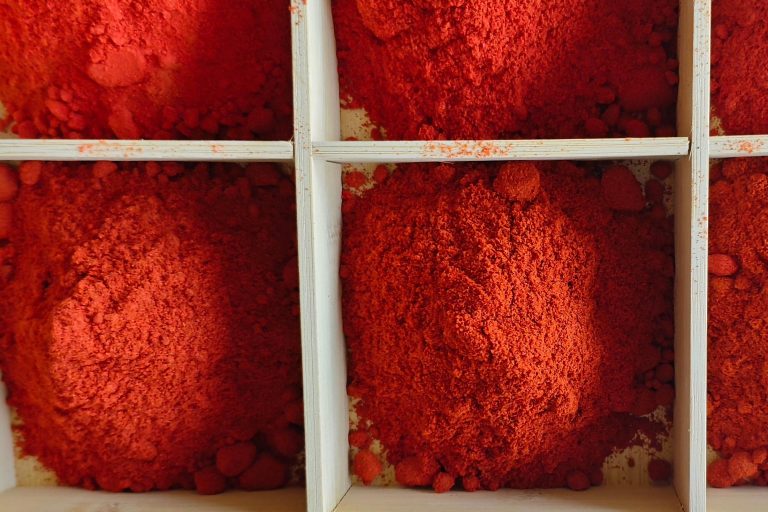
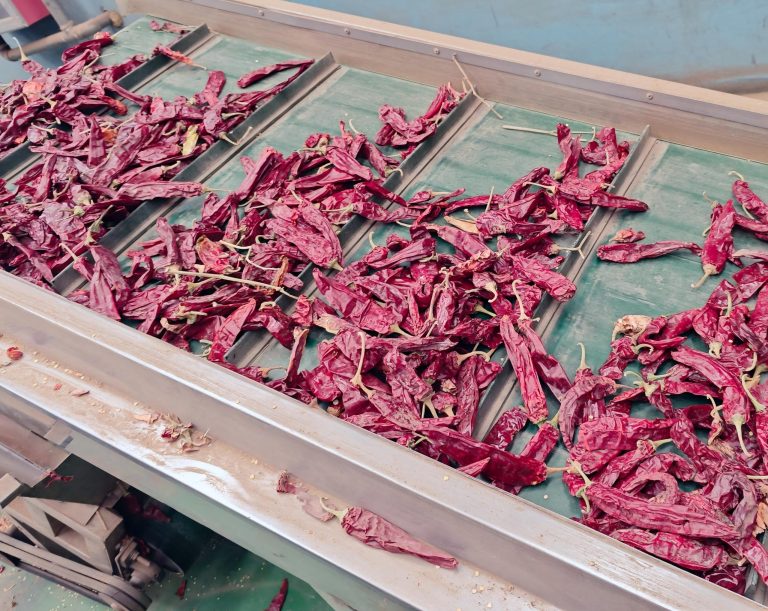
La paprika è una polvere di peperoncino rosso essiccato e macinato, ottenuta esclusivamente da Capsicum annuum varietà. A differenza del peperoncino in polvere, la paprika è un prodotto composto da un unico ingrediente.
Tipi di paprika
| Tipo | Sapore | Calore | Tipico dell'ASTA | Ideale per |
|---|---|---|---|---|
| Dolce (standard) | Delicato, dolce, fruttato | 0–150 | 80–120 | Colore, guarnizioni, salse |
| Affumicato (alla spagnola) | Affumicato, legnoso, corposo | 0–500 | 80–100 | Barbecue, miscele di spezie per carne, stufati |
| Piccante (alla ungherese) | Pungente, piccante | 500–2,500 | 80–120 | Zuppe sostanziose, salsicce |
| Premium (ASTA 150+) | Rosso intenso, concentrato | 0–150 | 150–200+ | Oli coloranti, snack, surimi |
Spiegazione del valore cromatico ASTA
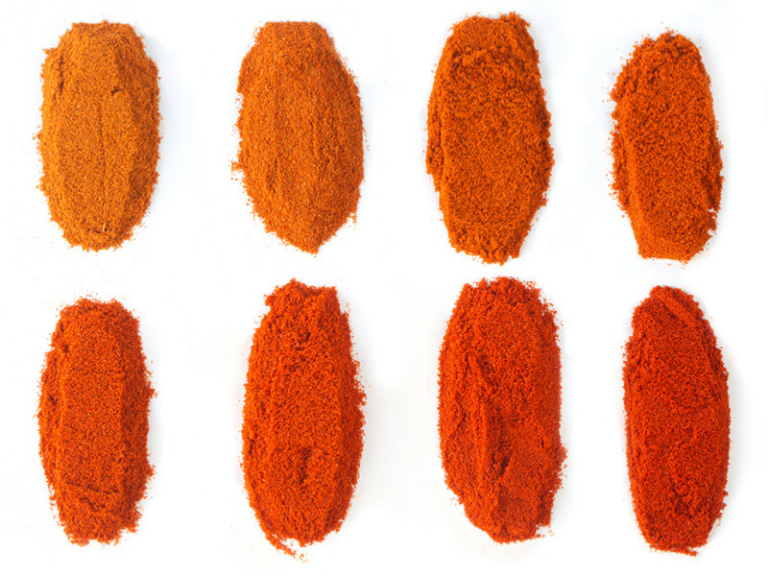
Il ASTA (Associazione americana del commercio delle spezie) Il valore cromatico è lo standard di riferimento del settore per misurare l'intensità del pigmento rosso della paprika. Valori più elevati indicano un colore rosso più intenso:
| Classificazione ASTA | Intensità del colore | Applicazione tipica |
|---|---|---|
| 80–100 | Standard | Condimenti generici, miscele a basso costo |
| 100–120 | Bene | Salse, zuppe, miscele di spezie confezionate |
| 120–150 | Alto | Rivestimenti per snack, salumi |
| 150–200+ | Premium | Surimi, prodotti dolciari, miscele di spezie di alta qualità |
Per gli acquirenti industriali, il valore ASTA è direttamente correlato alla quantità di paprika necessaria per ottenere il colore desiderato: un valore ASTA più elevato implica una minore quantità di polvere necessaria per ogni lotto.
Che cos’è il peperoncino in polvere?
Il peperoncino in polvere è un miscela di spezie, non un singolo ingrediente. La formulazione tipica:
| Ingrediente | Tipico % in miscela | Funzione |
|---|---|---|
| Peperoncino macinato (ancho, di Cayenna o misto) | 50–70% | Base termica |
| Cumino | 10–20% | Note terrose e calde |
| Origano | 5–10% | A base di erbe, leggermente amaro |
| Aglio in polvere | 5–10% | Profondità di sapori |
| Cipolla in polvere | 3–7% | Dolcezza, corposità |
| Sale | 0–3% | Esaltazione del sapore |
| Agente antiagglomerante | < 1% | Fluidità |
| Altro (coriandolo, pimento, glutammato monosodico) | 0–5% | Variazioni regionali |
Ciò significa che il peperoncino in polvere conferisce un sapore multidimensionale che la paprika pura da sola non riesce a riprodurre. Le note di cumino e aglio sono particolarmente importanti: sono proprio queste a conferire alla polvere di peperoncino il suo caratteristico sapore di “peperoncino”.
Quando la paprika può sostituire il peperoncino in polvere?
✅ Funziona: applicazioni basate sui colori
Quando la funzione principale del peperoncino in polvere in una ricetta è quella di conferire un colore rosso — e non piccantezza o note speziate complesse — la paprika è un ottimo sostituto.
| Ricetta | Perché funziona | Rapporto di sostituzione |
|---|---|---|
| Riso rosso, paella | Colore > spezia | 1:1 (paprika dolce per il chili) |
| Sughi a base di pomodoro | Intensifica la tonalità rossa | 1:1 |
| Miscele di spezie secche (solo colore) | Aspetto visivo | 1:1 (aggiungere il cumino in più a parte) |
| Condimenti per snack | Colore uniforme del rivestimento | 1:1, abbinamento ASTA |
| Surimi / imitazione di granchio | Tonalità rossa richiesta | 1:1 (utilizzare ASTA 150+) |
✅ Funziona (con qualche adattamento): è indicato per chi preferisce un sapore delicato
Se la ricetta prevede l'uso del peperoncino in polvere principalmente per conferire un leggero sentore piccante senza che sia necessario un sapore troppo forte:
| Originale | Sostituzione | Adeguamento |
|---|---|---|
| Peperoncino in polvere (1 cucchiaio) | Paprika (1 cucchiaio) + cumino (1/2 cucchiaino) + aglio in polvere (1/2 cucchiaino) | Aggiunge nuovamente le dimensioni di sapore mancanti |
| Peperoncino in polvere (1 cucchiaio) | Paprika affumicata (1 cucchiaio) + pepe di Cayenna (1/4 di cucchiaino) | La paprika affumicata conferisce profondità; il pepe di Cayenna ridona piccantezza |
| Peperoncino in polvere (1 cucchiaio) | Paprika piccante (1 ½ cucchiaio) | La paprika piccante è più piccante, ma manca ancora di cumino e aglio |
In quali casi la paprika NON può sostituire il peperoncino in polvere?
❌ Non funziona: ricette che dipendono dal calore
Se il piatto deve il suo gusto piccante alla polvere di peperoncino, la paprika da sola non sarà sufficiente:
| Piatto | Fonte di calore | Perché Paprika fallisce |
|---|---|---|
| Chili con carne | Il peperoncino in polvere è il condimento principale | Il risultato è un chili insipido e poco condito |
| Tacos piccanti, enchiladas | Il peperoncino in polvere e il cumino ne caratterizzano il sapore | La paprika conferisce solo colore |
| Miscele di salsicce piccanti | Il peperoncino in polvere conferisce sia piccantezza che colore alla salamoia | Intensità del calore insufficiente |
| Salse in stile Buffalo | Il calore dato dal pepe di Cayenna è fondamentale | La paprika dolce ne altererebbe il profilo |
Correzione: Se si desidera un gusto più piccante, aggiungere pepe di Cayenna (da 1/8 a 1/4 di cucchiaino per ogni cucchiaio di paprika) oppure utilizzare paprika piccante (se disponibile, fino a 1,5 volte la quantità di peperoncino in polvere).
❌ Non funziona: complessità aromatica
Ricette in cui il cumino, l'origano e l'aglio rivestono un ruolo fondamentale:
| Componente aromatica | Peperoncino in polvere | Paprika | Divario |
|---|---|---|---|
| Terroso/cumino | Presente | Assente | Da aggiungere separatamente |
| Erbe aromatiche/origano | Presente | Assente | Da aggiungere separatamente |
| Salato/aglio | Presente | Assente | Da aggiungere separatamente |
| Dolcezza/cipolla | Presente | Assente | Da aggiungere separatamente |
Come sostituire la paprika con il peperoncino in polvere: la ricetta
Per i produttori alimentari industriali e i team di ricerca e sviluppo, ecco la formula precisa per riprodurre le proprietà del peperoncino in polvere utilizzando la paprika come base:
Formula della sostituzione completa
| Componente | Quantità (per ogni cucchiaio di peperoncino in polvere sostituito) | Finalità |
|---|---|---|
| Paprika (dolce) | 1 cucchiaio | Base colorata + pepe |
| Cumino (macinato) | ½ cucchiaino | Calore della terra |
| Origano (essiccato) | ¼ di cucchiaino | Nota sulle erbe |
| Aglio in polvere | ¼ di cucchiaino | Profondità di sapori |
| Cipolla in polvere | ¼ di cucchiaino | Dolcezza/corposità |
| Pepe di Cayenna (facoltativo) | ⅛–¼ di cucchiaino | Ripristina il calore |
Questa miscela riproduce il colore del peperoncino in polvere (grazie alla paprika), la complessità aromatica (grazie al cumino, all’origano, all’aglio e alla cipolla) e il grado di piccantezza regolabile (grazie al pepe di Cayenna).
Formula solo colore (non richiede calore)
| Componente | Quantità (per ogni cucchiaio di peperoncino in polvere sostituito) |
|---|---|
| Paprika (ASTA 100+) | 1 cucchiaio |
| Cumino (macinato) | ½ cucchiaino |
Utilizzalo quando la ricetta prevede già l’aggiunta separata delle spezie e il peperoncino in polvere viene usato solo per il suo colore rosso.
Aspetti industriali: paprika vs. peperoncino in polvere
Per i produttori alimentari, la scelta tra paprika e peperoncino in polvere incide non solo sul sapore, ma anche sui costi, sulla catena di approvvigionamento e sull’uniformità delle formulazioni.
Confronto dei costi
| Fattore | Paprika | Peperoncino in polvere |
|---|---|---|
| Numero di ingredienti | 1 (singola materia prima) | 6–10 (misto) |
| Prezzo al kg (qualità standard) | $3,50–$6,50 | $4,00–$7,50 |
| Prezzi relativi all'ASTA | Classificati in base al valore ASTA | Risolto tramite formula |
| Rischi legati alla catena di approvvigionamento | Coltura unica | Ingredienti vari |
| Controllo qualità | ASTA + umidità + microbiologia | Coerenza della formulazione + controllo qualità di ciascun ingrediente |
| Miscele personalizzate | Non applicabile (ingrediente unico) | Possibili (miscele proprietarie) |
Quando preferire la paprika al peperoncino in polvere
- L'uniformità del colore è fondamentale — La paprika classificata secondo gli standard ASTA garantisce un colore costante da lotto a lotto. Il colore del peperoncino in polvere varia a seconda del raccolto.
- Il calore deve essere controllato — La paprika (varietà dolce) non è affatto piccante. Il grado di piccantezza delle miscele di peperoncino in polvere può variare, a meno che il produttore non lo standardizzi con l’aggiunta di pepe di Cayenna.
- Etichetta pulita — La paprika a ingrediente unico (paprika dolce) figura sulle etichette semplicemente come “paprika”. Per la polvere di peperoncino è necessario elencare tutti i componenti oppure utilizzare la dicitura “polvere di peperoncino (peperoncino, cumino, origano, aglio)”.”
- Costo unitario del colore — Per le applicazioni di colorazione, la paprika ASTA 150+ offre una maggiore quantità di pigmento rosso per dollaro rispetto al peperoncino in polvere.
Quando il peperoncino in polvere è l'unica scelta giusta
- Autentico sapore di chili — Nessun singolo ingrediente è in grado di riprodurre appieno il profilo aromatico del peperoncino in polvere
- Calore e sapore in un unico passaggio — Il peperoncino in polvere semplifica le cose produzione riunendo tutti i condimenti in un unico codice articolo
- Formulazioni tradizionali — Le ricette basate sul peperoncino in polvere non dovrebbero essere modificate senza una completa convalida da parte del reparto Ricerca e Sviluppo
- Aspettative dei consumatori a livello regionale — I mercati abituati al peperoncino in polvere (Nord America, alcune zone d’Europa) potrebbero rifiutare un condimento a base esclusivamente di paprika
Si può preparare il peperoncino in polvere con la paprika?
Sì. Poiché la paprika è peperoncino macinato, può essere utilizzata come componente “peperoncino” in una miscela personalizzata di peperoncino in polvere.
Ricetta fai da te per il peperoncino in polvere
| Ingrediente | Importo | Note |
|---|---|---|
| Paprika dolce | 2 cucchiai | Utilizza ASTA 100+ per ottenere il miglior risultato cromatico |
| Cumino (macinato) | 1 cucchiaio | Tostato per un sapore più intenso |
| Origano (essiccato) | 1 cucchiaino | Si preferisce l'origano messicano |
| Aglio in polvere | 1 cucchiaino | Anche la versione granulata funziona |
| Cipolla in polvere | 1 cucchiaino | Oppure cipolla tritata essiccata, macinata |
| Pepe di Cayenna | ½ cucchiaino | Regolare in base alle proprie preferenze di temperatura |
| Pepe nero | ½ cucchiaino | Macinatura fine |
Rendimento: circa 5 cucchiai di peperoncino in polvere fatto in casa (equivalente a circa 3 bustine acquistate in negozio)
Durata di conservazione: 12 mesi in un contenitore sigillato, al riparo dalla luce
Risposte alle domande più frequenti sulla cucina
Posso usare la paprika al posto del peperoncino in polvere nel chili?
Sì, ma bisogna aggiungere cumino, aglio e qualcosa che dia piccantezza. La paprika da sola nel chili con carne darà vita a una zuppa insipida e rossastra: visivamente corretta, ma priva di sapore.
La paprika affumicata è un buon sostituto del peperoncino in polvere?
La paprika affumicata conferisce una nota ricca e affumicata che si sposa bene con le ricette a base di peperoncino. È il tipo di paprika che, in termini di complessità di sapore, si avvicina di più al peperoncino in polvere. Utilizzala in rapporto 1:1 e aggiungi separatamente cumino e aglio.
La paprika scade prima del peperoncino in polvere?
No. La paprika a ingrediente unico ha in genere una durata di conservazione più lunga (24–36 mesi se conservata in confezione sigillata) rispetto alla polvere di peperoncino miscelata (18–24 mesi), poiché gli ingredienti di quest’ultima, quali aglio e cipolla, si deteriorano più rapidamente.
Qual è la differenza tra la paprika ungherese e il peperoncino in polvere?
La paprika ungherese è una varietà specifica Capsicum annuum una varietà nota per il suo colore rosso vivo e per il caratteristico sapore dolce o piccante. Si tratta comunque di un prodotto a ingrediente unico. La polvere di peperoncino è invece una miscela. La paprika piccante ungherese è la paprika monovariale che più si avvicina alla polvere di peperoncino in termini di piccantezza.
Posso sostituire la paprika al peperoncino in polvere in un mix di spezie da sfregare?
Sì, con l'aggiunta di cumino e aglio. Per i mix di spezie da barbecue, sostituisci il peperoncino in polvere in rapporto 1:1 con paprika affumicata + ½ cucchiaino di cumino per ogni cucchiaio + ¼ di cucchiaino di aglio in polvere.
Perché la mia paprika ha un aspetto diverso dal peperoncino in polvere, anche se hanno lo stesso indice ASTA?
La paprika ha un colore rosso brillante, quasi fluorescente, dovuto all’elevata concentrazione di pigmenti. La polvere di peperoncino appare di un rosso più tendente al marrone perché (a) il cumino e l’origano apportano pigmenti marroni, (b) la componente a base di peperoncino è spesso un mix di varietà rosse e marroni (ancho, pasilla) e (c) l’aglio in polvere schiarisce leggermente la miscela.
Domande frequenti
La paprika è la stessa cosa del peperoncino in polvere?
No. La paprika è peperoncino rosso essiccato e macinato 100%. Il peperoncino in polvere è una miscela di peperoncino macinato, cumino, origano, aglio e altre spezie.
Posso usare la paprika al posto del peperoncino in polvere per dare un tocco piccante?
Non in modo efficace. La paprika dolce è praticamente priva di piccantezza (0–150 unità Scoville). Se si desidera un gusto più piccante, utilizzare la paprika piccante oppure aggiungere del pepe di Cayenna insieme alla paprika.
Qual è il rapporto di sostituzione tra la paprika e il peperoncino in polvere?
Inizia con 1 cucchiaio di paprika + ½ cucchiaino di cumino + ¼ di cucchiaino di aglio in polvere per ogni cucchiaio di peperoncino in polvere indicato nella ricetta. Aggiungi pepe di Cayenna a piacere se desideri un gusto più piccante.
La paprika cambia il colore dei cibi allo stesso modo del peperoncino in polvere?
La paprika conferisce un colore rosso più brillante e intenso rispetto al peperoncino in polvere. Per le applicazioni industriali, la paprika ASTA 120+ garantisce una colorazione più uniforme rispetto al peperoncino in polvere.
Posso preparare il peperoncino in polvere con la paprika?
Sì. Mescola 2 cucchiai di paprika con 1 cucchiaio di cumino, 1 cucchiaino di origano, 1 cucchiaino di aglio in polvere, ½ cucchiaino di cipolla in polvere e ½ cucchiaino di pepe di Cayenna per ottenere una miscela personalizzata di peperoncino in polvere.
La paprika affumicata è più simile al peperoncino in polvere che alla paprika dolce?
Sì. Il profilo aromatico legnoso e complesso della paprika affumicata si avvicina maggiormente alla profondità del peperoncino in polvere. È il miglior sostituto della paprika, tra gli ingredienti singoli, per il peperoncino in polvere.
Perché in alcune ricette si usano sia la paprika che il peperoncino in polvere?
Molte ricette prevedono l'uso della paprika per il colore e peperoncino in polvere per il sapore e il piccante. Si tratta di una pratica comune nella cucina tex-mex, dove la paprika conferisce il caratteristico colore rosso e il peperoncino in polvere aggiunge quel tocco piccante e saporito.
Quale paprika della linea ASTA dovrei usare come sostituto del peperoncino in polvere?
Per la corrispondenza cromatica, utilizzare la paprika ASTA 100–120. Per i piatti in cui la paprika è il principale fattore che contribuisce al colore, è sufficiente l'ASTA 80. Per applicazioni di alta qualità in cui l'intensità del colore è fondamentale, si consiglia l'ASTA 150+.
Posso sostituire il peperoncino in polvere con la paprika nella produzione alimentare industriale?
Sì, con una riformulazione completa. Sostituisci il peperoncino in polvere con paprika + cumino + origano + aglio in polvere + cipolla in polvere + pepe di Cayenna (facoltativo). Il colore risultante sarà migliore rispetto a quello del peperoncino in polvere, ma il profilo aromatico dovrà essere ricostruito.
Qual è il prodotto con la durata di conservazione più lunga: la paprika o il peperoncino in polvere?
Paprika. La paprika composta da un unico ingrediente si conserva per 24–36 mesi. La presenza di aglio e cipolla nella polvere di peperoncino ne riduce la durata di conservazione a 18–24 mesi.
Come scegliere la paprika giusta per il proprio utilizzo
I produttori alimentari che stanno valutando la paprika come alternativa alla polvere di peperoncino dovrebbero tenere in considerazione i seguenti criteri di specifica:
| Parametro | Cosa specificare | Perché è importante |
|---|---|---|
| Valore cromatico ASTA | 80 / 100 / 120 / 150 / 200 | Influisce direttamente sul tasso di utilizzo dei lotti |
| Dimensione delle particelle | 20–40 mesh, 40–60 mesh | Influisce sulla velocità di dissoluzione e sull'aspetto visivo |
| Piccantezza (Scoville) | 0–150 (dolce) / 500–2.500 (piccante) | Corrisponde al profilo termico del prodotto di destinazione |
| Umidità | ≤ 10% (in genere 7–9%) | Valori superiori a 10% comportano il rischio di proliferazione microbica |
| Limiti microbiologici | TPC < 10.000 UFC/g | Conforme ai requisiti di sicurezza alimentare |
| Paese di origine | Cina / Spagna / Ungheria / Stati Uniti | Influisce sul profilo aromatico e sul prezzo |
| Certificazione | HACCP, ISO 22000, BRC, FSSC 22000 | Obbligatorio per la maggior parte dei mercati di esportazione |
Per richieste di informazioni su acquisti all'ingrosso, specifiche dei prodotti e prezzi relativi alla paprika in polvere classificata ASTA, indicata come alternativa alla polvere di peperoncino, contattare direttamente Dinweys® Qingdao.
Questo articolo è stato redatto dal team tecnico di Dinweys® Qingdao. In qualità di produttori specializzati di paprika, con stabilimenti certificati HACCP e ISO 22000 situati nei pressi del porto di Qingdao, in Cina, forniamo paprika in polvere standardizzata e classificata secondo gli standard ASTA, fiocchi, e intero baccelli a produttori alimentari e miscelatori di spezie in oltre 30 paesi. Tutti i prodotti sono privi di Sudan Red 100% e garantiscono la piena tracciabilità dall'azienda agricola allo stabilimento.