Can Paprika Replace Chili Powder? A Complete Substitution Guide for Home Cooks & Food Manufacturers
The Short Answer
Yes, paprika can replace chili powder in many recipes, but the substitution is not one-to-one. Paprika is pure ground dried red pepper with a mild, sweet, or smoky flavor and little to no heat (0–500 Scoville units). Chili powder is a blend of ground chili peppers plus cumin, oregano, garlic powder, and other spices. It has moderate heat (500–2,500 Scoville units) and a more complex savory profile.
The substitution works best when paprika is used as a color and mild flavor contributor. It fails when the recipe depends on heat, cumin, or the layered spice blend that defines chili powder.
Key Comparison Table
| Factor | Paprika | Chili Powder | Substitution Feasibility |
|---|---|---|---|
| Base ingredient | 100% ground dried red pepper | Ground chili + cumin + oregano + garlic + other spices | ❌ Different composition |
| Heat (Scoville) | 0–500 | 500–2,500 | ❌ Paprika is milder |
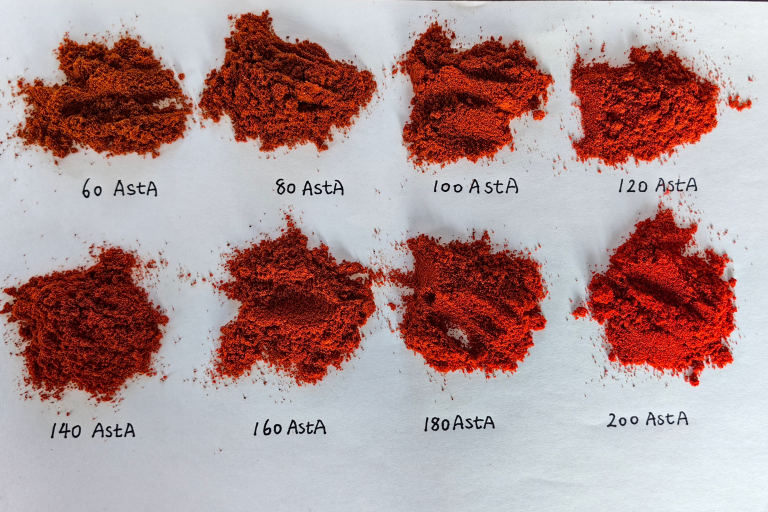
| Color contribution | Deep red (ASTA 80–200+) | Brownish-red | ✅ Paprika can match or exceed |
| Flavor profile | Sweet, smoky, or mild | Savory, earthy, spicy | ⚠️ Partial overlap |
| Primary function | Color + mild flavor | Heat + complex flavor | ❌ Different roles |
| Shelf life (sealed) | 24–36 months | 18–24 months | — |
What Is Paprika?
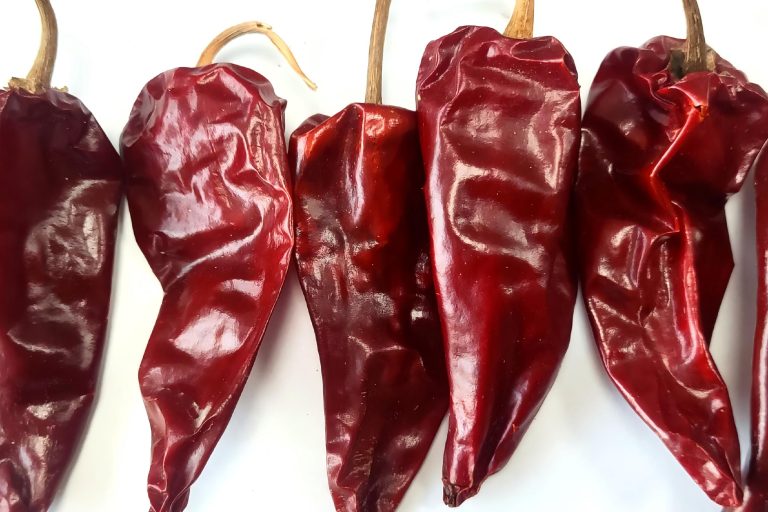
Paprika is a dried, ground red pepper powder made exclusively from Capsicum annuum varieties. Unlike chili powder, paprika is a single-ingredient product.
Types of Paprika
| Type | Flavor | Heat | Typical ASTA | Best For |
|---|---|---|---|---|
| Sweet (standard) | Mild, sweet, fruity | 0–150 | 80–120 | Color, garnishing, sauces |
| Smoked (Spanish-style) | Smoky, woody, rich | 0–500 | 80–100 | BBQ, meat rubs, stews |
| Hot (Hungarian-style) | Pungent, spicy | 500–2,500 | 80–120 | Hearty soups, sausages |
| Premium (ASTA 150+) | Deep red, concentrated | 0–150 | 150–200+ | Coloring oils, snacks, surimi |
ASTA Color Value Explained
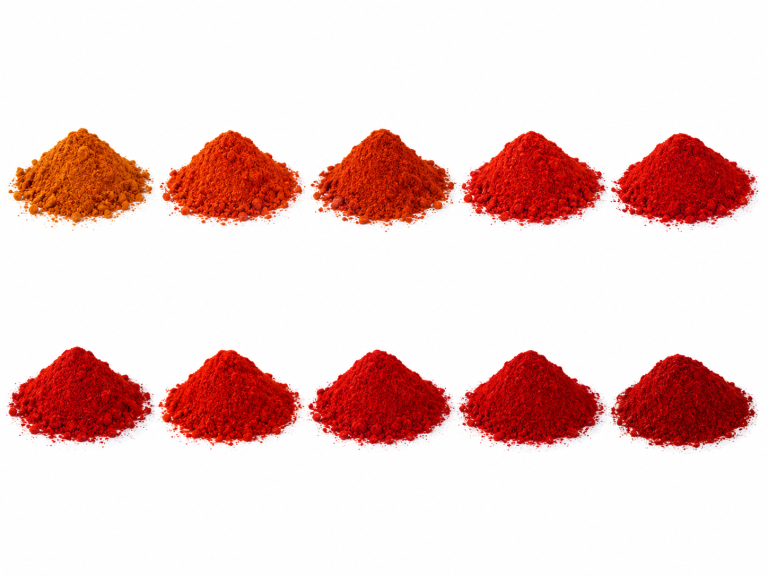
The ASTA (American Spice Trade Association) color value is the industry standard for measuring paprika’s red pigment intensity. Higher values mean deeper red color:
| ASTA Grade | Color Intensity | Typical Application |
|---|---|---|
| 80–100 | Standard | General seasoning, cost-sensitive blends |
| 100–120 | Good | Sauces, soups, retail spice blends |
| 120–150 | High | Snack coatings, processed meats |
| 150–200+ | Premium | Surimi, confectionery, premium rubs |
For industrial purchasers, ASTA value directly correlates with the amount of paprika needed to achieve a target color — higher ASTA means less powder required per batch.
What Is Chili Powder?
Chili powder is a blended seasoning mix, not a single ingredient. The typical formulation:
| Ingredient | Typical % in Blend | Function |
|---|---|---|
| Ground chili pepper (ancho, cayenne, or blend) | 50–70% | Heat base |
| Cumin | 10–20% | Earthy, warm notes |
| Oregano | 5–10% | Herbal, slightly bitter |
| Garlic powder | 5–10% | Savory depth |
| Onion powder | 3–7% | Sweetness, body |
| Salt | 0–3% | Flavor enhancement |
| Anti-caking agent | < 1% | Flowability |
| Other (coriander, allspice, MSG) | 0–5% | Regional variation |
This means chili powder delivers a multi-dimensional flavor that pure paprika cannot replicate alone. The cumin and garlic notes are particularly important — they are what give chili powder its recognizable “chili” character.
When Can Paprika Replace Chili Powder?
✅ It Works: Color-Based Applications
When the primary function of chili powder in a recipe is to contribute red color — not heat or complex spice — paprika is an excellent substitute.
| Recipe | Why It Works | Substitution Ratio |
|---|---|---|
| Red rice, paella | Color > spice | 1:1 (sweet paprika for chili) |
| Tomato-based sauces | Deepens red hue | 1:1 |
| Dry rubs (color-only) | Visual appeal | 1:1 (add extra cumin separately) |
| Snack seasonings | Uniform coating color | 1:1 ASTA-matched |
| Surimi / imitation crab | Required red tint | 1:1 (use ASTA 150+) |
✅ It Works (with Adjustments): Mild Flavor Needs
If the recipe uses chili powder primarily for a mild peppery background without requiring strong heat:
| Original | Substitution | Adjustment |
|---|---|---|
| Chili powder (1 tbsp) | Paprika (1 tbsp) + cumin (1/2 tsp) + garlic powder (1/2 tsp) | Adds back the missing flavor dimensions |
| Chili powder (1 tbsp) | Smoked paprika (1 tbsp) + cayenne (1/4 tsp) | Smoked paprika adds depth; cayenne restores heat |
| Chili powder (1 tbsp) | Hot paprika (1 ½ tbsp) | Hot paprika has more heat but still lacks cumin/garlic |
When Can Paprika NOT Replace Chili Powder?
❌ It Fails: Heat-Dependent Recipes
If the dish relies on chili powder for its spicy kick, paprika alone will not deliver:
| Dish | Heat Source | Why Paprika Fails |
|---|---|---|
| Chili con carne | Chili powder is the core seasoning | Results in bland, under-seasoned chili |
| Spicy tacos, enchiladas | Chili powder + cumin define the flavor | Paprika provides color only |
| Spicy sausage blends | Chili powder provides both heat and cure color | Heat intensity insufficient |
| Buffalo-style sauces | Cayenne-based heat is essential | Sweet paprika would alter the profile |
Fix: When heat is needed, add cayenne pepper (1/8–1/4 tsp per tbsp of paprika) or use hot paprika (if available, up to 1.5× the chili powder amount).
❌ It Fails: Flavor Complexity
Recipes where cumin, oregano, and garlic are structurally important:
| Flavor Component | Chili Powder | Paprika | Gap |
|---|---|---|---|
| Earthy/cumin | Present | Absent | Must add separately |
| Herbal/oregano | Present | Absent | Must add separately |
| Savory/garlic | Present | Absent | Must add separately |
| Sweetness/onion | Present | Absent | Must add separately |
How to Substitute Paprika for Chili Powder: The Formula
For industrial food manufacturers and R&D teams, here is the precise formula to replicate chili powder functionality using paprika as the base:
Complete Substitution Formula
| Component | Amount (per 1 tbsp chili powder replaced) | Purpose |
|---|---|---|
| Paprika (sweet) | 1 tbsp | Color + pepper base |
| Cumin (ground) | ½ tsp | Earthy warmth |
| Oregano (dried) | ¼ tsp | Herbal note |
| Garlic powder | ¼ tsp | Savory depth |
| Onion powder | ¼ tsp | Sweetness/body |
| Cayenne pepper (optional) | ⅛–¼ tsp | Restores heat |
This formulation matches chili powder’s color (from paprika), flavor complexity (from cumin/oregano/garlic/onion), and adjustable heat (from cayenne).
Color-Only Formula (Heat Not Needed)
| Component | Amount (per 1 tbsp chili powder replaced) |
|---|---|
| Paprika (ASTA 100+) | 1 tbsp |
| Cumin (ground) | ½ tsp |
Use this when the recipe is already spiced separately and chili powder is used only for its red color.
Industrial Considerations: Paprika vs. Chili Powder
For food manufacturers, the choice between paprika and chili powder impacts not just flavor but cost, supply chain, and formulation consistency.
Cost Comparison
| Factor | Paprika | Chili Powder |
|---|---|---|
| Ingredient count | 1 (single raw material) | 6–10 (blended) |
| Price per kg (standard grade) | $3.50–$6.50 | $4.00–$7.50 |
| ASTA-related pricing | Tiered by ASTA value | Fixed by formula |
| Supply chain risk | Single crop | Multiple ingredients |
| Quality control | ASTA + moisture + microbiology | Formula consistency + each ingredient’s QC |
| Custom blends | Not applicable (single ingredient) | Possible (proprietary blends) |
When to Choose Paprika Over Chili Powder
- Color uniformity is critical — ASTA-graded paprika delivers predictable color batch-to-batch. Chili powder’s color varies with the chili pepper crop.
- Heat must be controlled — Paprika (sweet variety) has essentially zero heat. Chili powder batches can vary in heat unless the manufacturer standardizes with cayenne.
- Clean label — Single-ingredient paprika (sweet paprika) appears on labels as “paprika.” Chili powder requires listing all components or using “chili powder (chili pepper, cumin, oregano, garlic).”
- Cost per unit of color — For coloring applications, ASTA 150+ paprika delivers more red pigment per dollar than chili powder.
When Chili Powder Is the Only Right Choice
- Authentic chili flavor — No single ingredient can replicate the full chili powder flavor profile
- Heat + flavor in one step — Chili powder simplifies production by combining all seasoning in one SKU
- Traditional formulations — Recipes designed around chili powder should not be switched without full R&D validation
- Regional consumer expectations — Markets accustomed to chili powder (North America, parts of Europe) may reject paprika-only seasoning
Can You Make Chili Powder from Paprika?
Yes. Since paprika is ground chili pepper, it can serve as the pepper component in a custom chili powder blend.
DIY Chili Powder Recipe
| Ingredient | Amount | Notes |
|---|---|---|
| Sweet paprika | 2 tbsp | Use ASTA 100+ for best color |
| Cumin (ground) | 1 tbsp | Toasted for stronger flavor |
| Oregano (dried) | 1 tsp | Mexican oregano preferred |
| Garlic powder | 1 tsp | Granulated also works |
| Onion powder | 1 tsp | Or dried minced onion, ground |
| Cayenne pepper | ½ tsp | Adjust to heat preference |
| Black pepper | ½ tsp | Fine grind |
Yield: ~5 tbsp homemade chili powder (equivalent to ~3 store-bought packets)
Shelf life: 12 months in sealed container away from light
Common Cooking Questions Answered
Can I use paprika instead of chili powder in chili?
Yes, but you must add cumin, garlic, and a heat source. Plain paprika in chili con carne will produce a bland, reddish soup — visually correct but flavor-deficient.
Is smoked paprika a good substitute for chili powder?
Smoked paprika adds a rich, smoky dimension that blends well with chili recipes. It is the closest paprika type to chili powder in flavor complexity. Use at 1:1 ratio and add cumin and garlic separately.
Does paprika expire faster than chili powder?
No. Single-ingredient paprika typically has a longer shelf life (24–36 months sealed) than blended chili powder (18–24 months) because chili powder’s garlic and onion components degrade faster.
What’s the difference between Hungarian paprika and chili powder?
Hungarian paprika is a specific Capsicum annuum variety known for its bright red color and distinct sweet or hot profile. It is still a single-ingredient product. Chili powder is a blend. Hungarian hot paprika is the closest single paprika to chili powder in heat level.
Can I substitute paprika for chili powder in a dry rub?
Yes, with cumin and garlic added. For BBQ rubs, replace chili powder 1:1 with smoked paprika + ½ tsp cumin per tablespoon + ¼ tsp garlic powder.
Why does my paprika look different from chili powder even at the same ASTA?
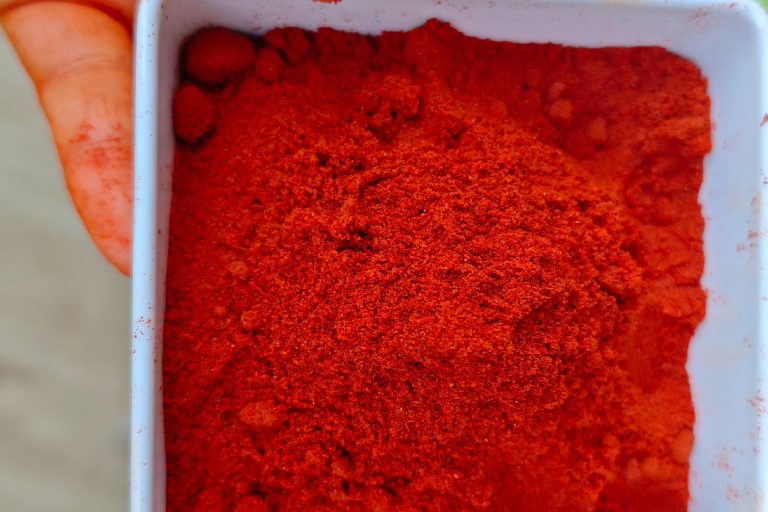
Paprika has a bright, almost fluorescent red color due to its high pigment concentration. Chili powder appears more brownish-red because (a) cumin and oregano introduce brown pigments, (b) the chili pepper component is often a mix of red and brown varieties (ancho, pasilla), and (c) garlic powder whitens the blend slightly.
FAQ
Is paprika the same as chili powder?
No. Paprika is 100% ground dried red pepper. Chili powder is a blend of ground chili pepper, cumin, oregano, garlic, and other spices.
Can I use paprika instead of chili powder for heat?
Not effectively. Sweet paprika has essentially no heat (0–150 Scoville units). Use hot paprika or add cayenne pepper alongside paprika if heat is needed.
What’s the substitution ratio for paprika to chili powder?
Start with 1 tbsp paprika + ½ tsp cumin + ¼ tsp garlic powder for every 1 tbsp chili powder called for. Add cayenne to taste if heat is wanted.
Does paprika change the color of food the same way as chili powder?
Paprika produces a brighter, deeper red color than chili powder. For industrial applications, ASTA 120+ paprika delivers more consistent coloring than chili powder.
Can I make chili powder from paprika?
Yes. Combine 2 tbsp paprika with 1 tbsp cumin, 1 tsp oregano, 1 tsp garlic powder, ½ tsp onion powder, and ½ tsp cayenne pepper for a custom chili powder blend.
Is smoked paprika closer to chili powder than sweet paprika?
Yes. Smoked paprika’s woody, complex flavor profile more closely matches the depth of chili powder. It is the best single-ingredient paprika substitute for chili powder.
Why do some recipes use both paprika and chili powder?
Many recipes use paprika for color and chili powder for flavor and heat. This is common in Tex-Mex cooking, where paprika provides the visual red base and chili powder delivers the savory-spice punch.
What ASTA value paprika should I use as a chili powder substitute?
For color matching, use ASTA 100–120 paprika. For dishes where paprika is the primary color contributor, ASTA 80 is sufficient. For premium applications where color intensity matters, ASTA 150+ is recommended.
Can I substitute paprika for chili powder in commercial food manufacturing?
Yes, with full reformulation. Replace chili powder with paprika + cumin + oregano + garlic powder + onion powder + optional cayenne. The color contribution will be superior to chili powder, but the flavor profile must be reconstructed.
Which has a longer shelf life — paprika or chili powder?
Paprika. Single-ingredient paprika stores for 24–36 months. Chili powder’s garlic and onion components reduce its shelf life to 18–24 months.
How to Choose the Right Paprika for Your Application
For food manufacturers evaluating paprika as a chili powder alternative, consider these specification criteria:
| Parameter | What to Specify | Why It Matters |
|---|---|---|
| ASTA color value | 80 / 100 / 120 / 150 / 200 | Directly affects batch usage rate |
| Particle size | 20–40 mesh, 40–60 mesh | Affects dissolution rate and visual appearance |
| Heat (Scoville) | 0–150 (sweet) / 500–2,500 (hot) | Matches target product heat profile |
| Moisture | ≤ 10% (typically 7–9%) | Above 10% risks microbial growth |
| Microbiological limits | TPC < 10,000 CFU/g | Meets food safety requirements |
| Country of origin | China / Spain / Hungary / USA | Affects flavor profile and pricing |
| Certification | HACCP, ISO 22000, BRC, FSSC 22000 | Required for most export markets |
For industrial bulk inquiries, product specifications, and pricing for ASTA-graded paprika powder suitable as a chili powder alternative, contact Dinweys® Qingdao directly.
This article was prepared by the Dinweys® Qingdao technical team. As a specialized paprika manufacturer operating HACCP and ISO 22000-certified facilities near Qingdao Port, China, we supply standardized ASTA-graded paprika powder, flakes, and whole pods to food processors and spice blenders in over 30 countries. All products are 100% Sudan Red-free with full traceability from farm to factory.