La paprika nella lavorazione delle carni: la guida completa al colore, al sapore e alla conservazione naturale
Perché le aziende di lavorazione della carne scelgono Paprika
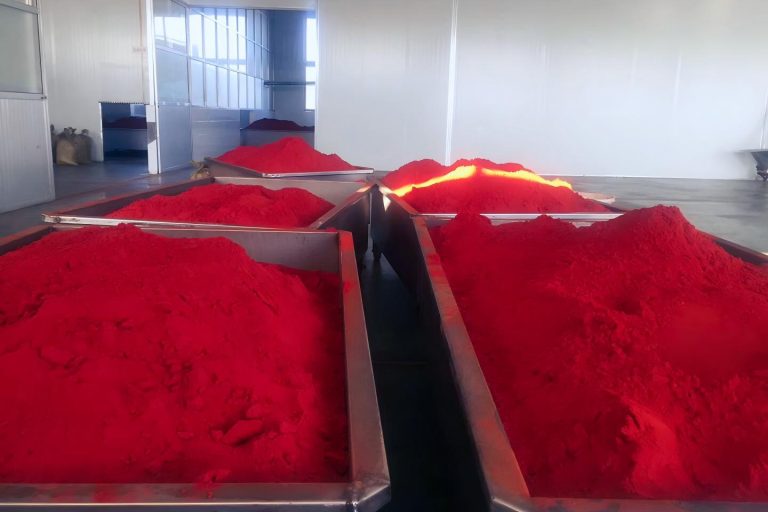
Paprika (Capsicum annuum) è una delle spezie più utilizzate nell'industria globale della lavorazione delle carni. Dal bratwurst tedesco al chorizo spagnolo, dagli hot dog americani ai salumi cinesi, la paprika svolge tre funzioni fondamentali nei prodotti a base di carne:
- Esaltazione naturale del colore — Presenta una ricca tonalità che va dal rosso all’arancione, segno di qualità e freschezza
- Analisi del profilo aromatico — Conferisce una leggera dolcezza con sentori terrosi che si sposano bene con le proteine della carne
- Protezione antiossidante — I carotenoidi presenti in natura (capsantina, capsorubina) contribuiscono a rallentare l'ossidazione dei lipidi, prolungando la durata di conservazione
Per le aziende di trasformazione industriale della carne che si riforniscono dalla Cina, è fondamentale comprendere le specifiche tecniche della paprika — in particolare Valore cromatico ASTA, distribuzione granulometrica, e purezza microbiologica — è fondamentale per garantire una qualità costante del prodotto.
In che modo il valore cromatico della paprika (ASTA) influisce sui prodotti a base di carne
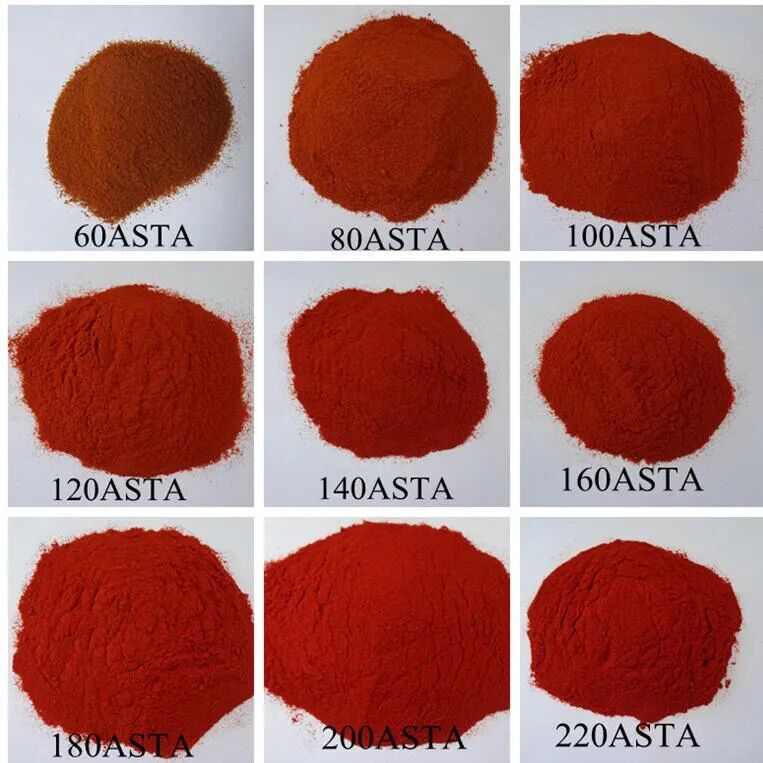
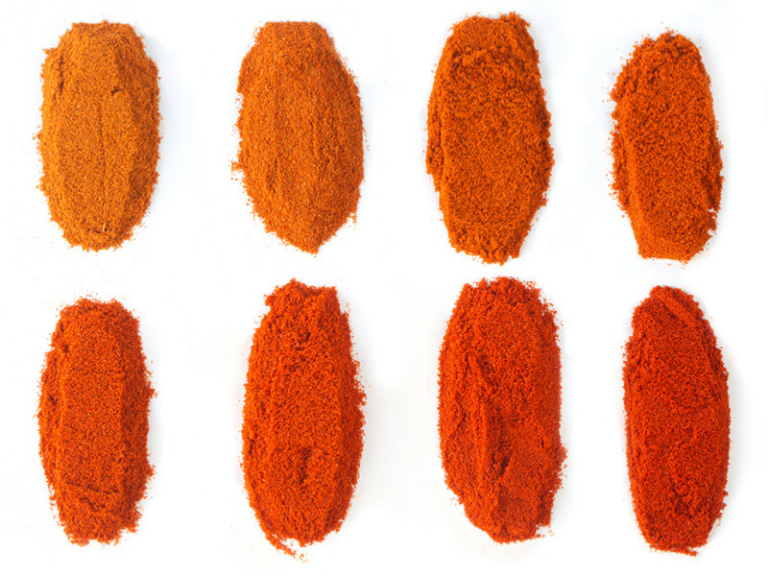
Il valore cromatico dell'ASTA (American Spice Trade Association) è lo standard universale standard per misurare il potere colorante della paprika. Nelle applicazioni a base di carne, la scelta del grado ASTA influisce direttamente sia sull’aspetto estetico che sull’efficienza in termini di costi.
| Classificazione ASTA | Intensità del colore | Applicazioni tipiche nel settore della carne | Dose consigliata |
|---|---|---|---|
| ASTA 80–100 (Standard) | Rosso moderato | Salsicce cotte, hot dog, mortadella | 0,5–1,51 TP3T del peso totale |
| ASTA 100–120 (Premium) | Rosso intenso | Salsiccia secca, salame, peperoni | 0,3–1,01 TP3T del peso totale |
| ASTA 120–150 (Superior) | Rosso intenso e profondo | Chorizo, carni speziate | 0,2–0,81 TP3T del peso totale |
| ASTA 150+ (Ultra Premium) | Resa cromatica massima | Salumi di prima scelta, note visive di testa | 0,1–0,51 TP3T del peso totale |
Approfondimenti chiave per le aziende di lavorazione della carne
I livelli ASTA più elevati ti consentono di utilizzare una quantità minore di prodotto per ottenere lo stesso colore, riducendo il costo complessivo degli ingredienti per ogni lotto. Il passaggio dall’ASTA 80 all’ASTA 120 può ridurre il consumo di paprika del 30–40%, mantenendo identiche le specifiche cromatiche.
Alle Dinweys® Qingdao, offriamo quattro qualità standardizzate ASTA, specificamente calibrate per le applicazioni nel settore della lavorazione della carne. La nostra Guida alle specifiche della paprika in polvere fornisce tutti i parametri tecnici.
La paprika nella produzione di salsicce
Salsiccia produzione rappresenta la principale categoria di impiego della paprika industriale. La spezia viene aggiunta in diverse fasi a seconda del tipo di prodotto:
Salsicce emulsionate (Frankfurter, wiener, bologna)
- Nota aggiuntiva: Durante la fase di emulsificazione, dopo la macinazione
- Funzione: Conferisce all’emulsione un colore rosa-rosso uniforme
- Preferenza ASTA: 80–100 (grado standard), poiché il colore si distribuisce uniformemente nell'emulsione
- Dimensione delle particelle: 0,3–0,5 mm (60 mesh) consigliati per una consistenza omogenea
- Tasso di utilizzo: 0.3–0.8%
Salumi secchi e semisecchi (salame, peperoni, salsiccia estiva)
- Nota aggiuntiva: Da mescolare con gli altri ingredienti secchi prima di farcire
- Funzione: Sviluppo del colore durante la fermentazione e l'essiccazione; ruolo antiossidante durante l'invecchiamento
- Preferenza ASTA: 100–120 (qualità premium), per preservare il colore durante i periodi di essiccazione prolungati
- Dimensione delle particelle: 0,5–0,8 mm (30–40 mesh) per ottenere un effetto speckle visibile
- Tasso di utilizzo: 0.5–1.2%
Salsicce fresche (Bratwurst, salsiccia italiana, salsicce per la colazione)
- Nota aggiuntiva: Incorporati nel blocco di carne insieme ai condimenti
- Funzione: Effetto visivo nei punti vendita; contributo al sapore durante la cottura
- Preferenza ASTA: 80–100
- Tasso di utilizzo: 0.3–0.8%
La paprika nei salumi e nei prodotti a base di carne
Prodotti stagionati (tipo prosciutto, coppa, biltong)
La paprika nei salumi ha una duplice funzione: conferire colore alla superficie e regolare l’umidità. Le proprietà igroscopiche di questa spezia contribuiscono a creare un ambiente superficiale asciutto che inibisce la formazione di muffe, conferendo al contempo un attraente rivestimento rosso.
Prodotti marinati e iniettati
Per le carni marinate a iniezione o in tamburo, oleoresina di paprika (l'estratto liposolubile) viene spesso preferito alla paprika macinata perché:
- Si distribuisce uniformemente tramite la salamoia iniettata
- Non intasa gli aghi di iniezione
- Garantisce un colore uniforme in tutta la matrice della carne
La Cina è uno dei maggiori produttori mondiali di oleoresina di paprika (E160c), il che rende la paprika cinese un'ottima fonte di materia prima per l'estrazione di oleoresina.
Il vantaggio degli antiossidanti: prolungare la durata di conservazione in modo naturale
Una delle proprietà più preziose — e spesso sottovalutate — della paprika nella lavorazione delle carni è la sua attività antiossidante naturale.
I pigmenti carotenoidi presenti nella paprika, in particolare capsantina e beta-carotene, agiscono come antiradicali liberi, rallentando l'ossidazione dei lipidi. Per le aziende di lavorazione della carne, ciò significa:
- Maggiore durata di conservazione sugli scaffali dei negozi — stabilità del colore fino a 15–25% superiore rispetto alle formulazioni prive di paprika
- Minore dipendenza dagli antiossidanti sintetici — La paprika può sostituire in parte il BHA/BHT nelle formulazioni “clean label”
- Migliori prestazioni di conservazione a temperatura congelata — mantenimento del colore e del sapore durante i cicli di congelamento-scongelamento
Uno studio pubblicato su Rivista di Scienze Alimentari ha dimostrato che l'estratto di paprika, alla concentrazione di 0,051 TP3T, ha mostrato un'attività antiossidante paragonabile a quella del BHA alla concentrazione di 0,021 TP3T nei prodotti a base di carne cotta.
Specifiche microbiologiche per la paprika destinata all'uso alimentare
Le aziende di trasformazione della carne devono rispettare limiti microbiologici più rigorosi rispetto alla maggior parte degli altri settori alimentari. Quando ci si rifornisce di paprika da fornitori cinesi, è necessario verificare le seguenti specifiche:
| Parametro | Standard di settore (qualità da macello) | Perché è importante |
|---|---|---|
| Conteggio totale delle colonie | ≤ 10.000 UFC/g | Nessun microrganismo responsabile del deterioramento è stato introdotto |
| Lieviti e muffe | ≤ 100 UFC/g | Stabilità superficiale nei prodotti stagionati a secco |
| Coliformi | ≤ 10 UFC/g | Indicatore di igiene |
| E. coli | Negativo | Sicurezza rispetto agli agenti patogeni |
| Salmonella | Negativo/25 g | Fondamentale per i prodotti pronti al consumo |
| Staphylococcus aureus | ≤ 100 UFC/g | Prevenzione delle tossine |
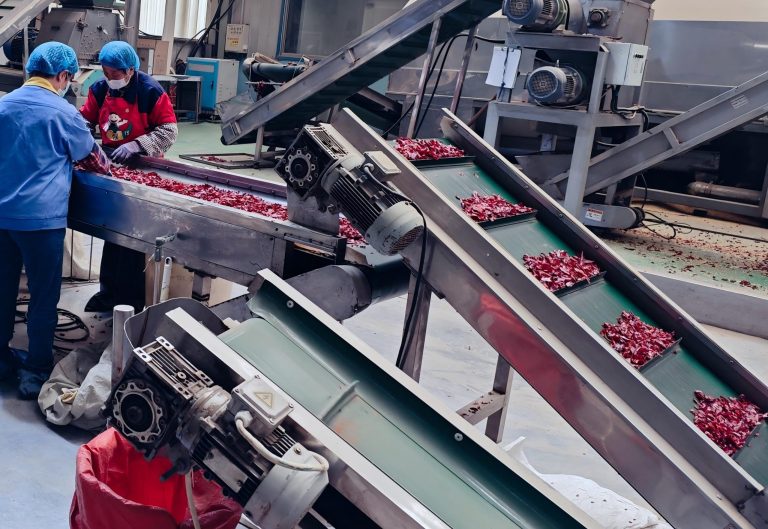
Dinweys® Qingdao opera sotto la guida di HACCP- segue protocolli di lavorazione certificati e allega a ogni spedizione un certificato di analisi, comprensivo di analisi microbiologiche complete.
Conformità alle normative in materia di metalli pesanti e pesticidi per gli esportatori di carne
Se i vostri prodotti a base di carne finiti vengono esportati nei mercati dell’UE, degli Stati Uniti o del Medio Oriente, la conformità del vostro fornitore di paprika in materia di metalli pesanti diventa una vostra responsabilità. Soglie chiave per la paprika destinata alla lavorazione della carne:
| Heavy Metal | Limite UE (mg/kg) | Limite statunitense (mg/kg) |
|---|---|---|
| Piombo (Pb) | ≤ 3,0 | ≤ 5,0 |
| Cadmio (Cd) | ≤ 0,2 | — |
| Mercurio (Hg) | ≤ 0,1 | — |
| Arsenico (As) | — | — |
Gli standard nazionali cinesi in materia di sicurezza alimentare (GB 2762-2022) sono strettamente allineati ai limiti dell'UE. Per saperne di più, consulta il nostro Guida ai limiti di Paprika Heavy Metal.
Consigli pratici per le aziende di lavorazione della carne che si riforniscono di paprika dalla Cina
- Richiedi una scheda tecnica certificata ASTA — Non acquistare mai basandoti esclusivamente sul prezzo; verifica la tonalità del colore tramite test effettuati da enti indipendenti
- Scegli la granulometria più adatta alla tua applicazione — Macinatura fine (60 mesh) per le carni emulsificate; macinatura media (30–40 mesh) per la salsiccia secca
- Test dell'attività dell'acqua — La paprika con un valore di aw < 0,60 resiste alla proliferazione microbica durante la conservazione
- Esigere la certificazione HACCP — Questo è lo standard minimo di qualità per le esportazioni di paprika per uso alimentare dalla Cina
- Chiedete informazioni sull'irradiazione e sul confezionamento sottovuoto — Alcuni mercati richiedono spezie non irradiate; verifica le capacità del tuo fornitore
Perché utilizzare la paprika cinese nella lavorazione della carne?
La Cina si è affermata come il principale produttore ed esportatore mondiale di paprika, offrendo vantaggi fondamentali alle aziende di lavorazione della carne:
- Portata e coerenza — Il solo Parco industriale per la lavorazione delle spezie di Jiaolai, nella provincia dello Shandong, ne lavora migliaia di tonnellate all’anno, garantendo la stabilità dell’approvvigionamento
- Prezzi ASTA competitivi — La paprika cinese offre il miglior rapporto colore-prezzo secondo lo standard ASTA sul mercato mondiale
- Elaborazione personalizzata — Granulometria, miscelazione e confezionamento su misura per le esigenze dell’industria della carne
- Posizione strategica per il trasporto marittimo — Il porto di Qingdao offre collegamenti marittimi diretti con il Nord America, l’Europa e il Medio Oriente
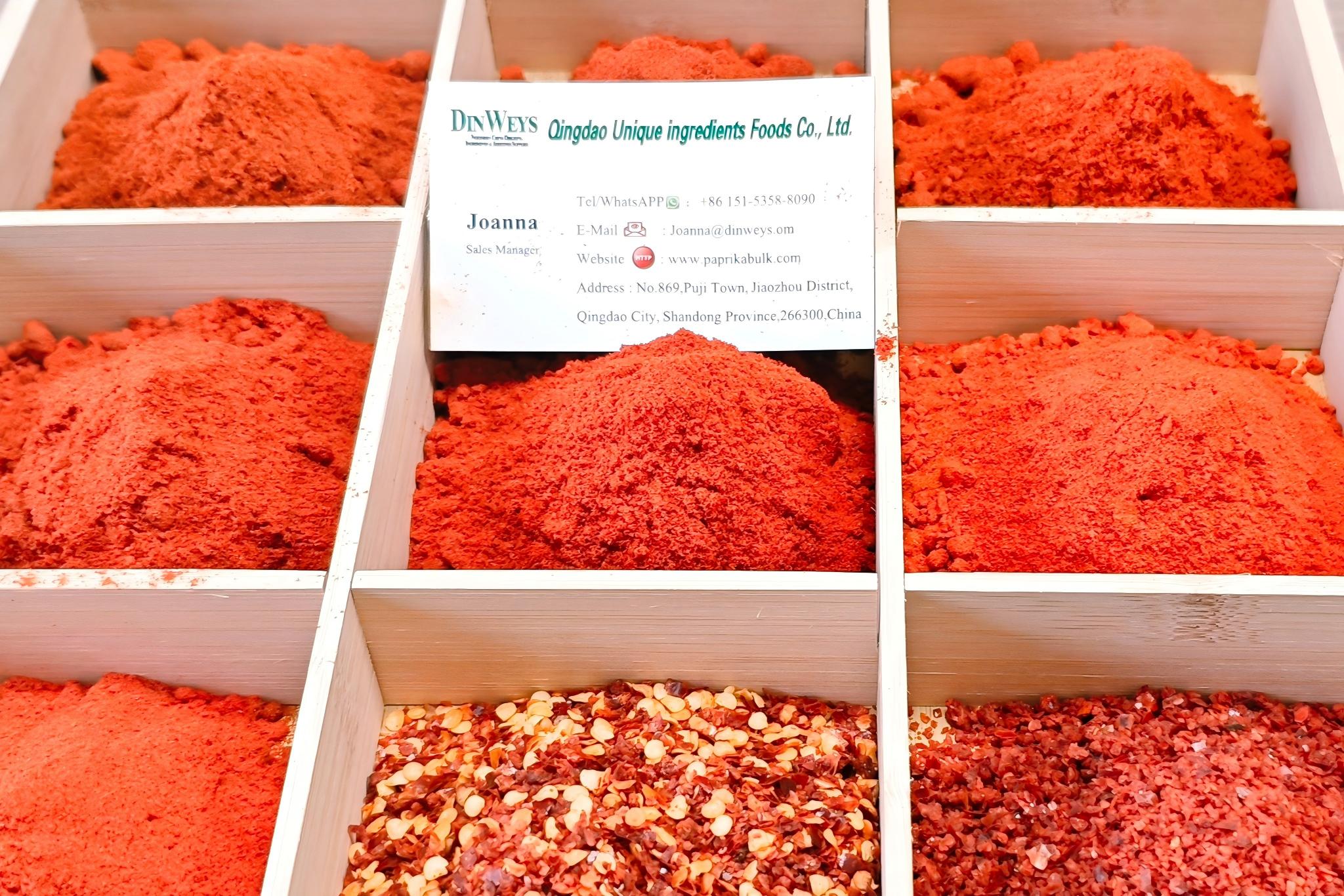
Alle Dinweys® Qingdao, siamo specializzati nella fornitura di prodotti classificati secondo gli standard ASTA paprika in polvere per la lavorazione industriale della carne. Contatta il nostro esperto del settore della carne Joanna per ricevere campioni e specifiche tecniche.
Risorse correlate: