¿El pimentón es una solanácea?
Guía científica completa sobre las hortalizas solanáceas, el pimentón, la inflamación, las dietas para enfermedades autoinmunes y la seguridad alimentaria
Respuesta rápida
Sí. Pimentón es una especia de la familia de las solanáceas porque está hecho con pimientos secos (Capsicum annuum), miembro de la Familia de las solanáceas (solanáceas).
Sin embargo, esta clasificación botánica suele generar una confusión innecesaria. Al ser una solanácea eso no significa automáticamente que el pimentón sea poco saludable, inflamatorio o peligroso. Para la mayoría de las personas, el pimentón es una especia nutritiva que aporta antioxidantes naturales, carotenoides y un color intenso sin causar problemas de salud.
Las verdaderas preguntas que se hace la mayoría de la gente son:
- ¿El pimentón es malo para la inflamación?
- ¿Deberían las personas con artritis evitar el pimentón?
- ¿Se permite el pimentón en la dieta del Protocolo Autoinmune (AIP)?
- ¿Puede el pimentón provocar alergias?
- ¿El secado de los pimientos altera su valor nutricional?
Esta guía responde a esas preguntas basándose en los conocimientos científicos actuales, en lugar de en mitos o especulaciones de Internet.
¿Por qué la gente se pregunta: “¿Es el pimentón una solanácea?”
Curiosamente, la mayoría de la gente es No busco una clase de botánica.
Por lo general, intentan resolver un problema de salud.
Entre las causas más comunes se encuentran:
- Un médico me recomendó que evitara las hortalizas de la familia de las solanáceas.
- Tienen artritis o dolor en las articulaciones.
- Siguen una dieta para enfermedades autoinmunes.
- Tienen problemas digestivos, como el síndrome del intestino irritable.
- Hace poco han desarrollado una intolerancia alimentaria.
- Están confundidos porque al pimentón se le llama «especia» en lugar de «pimiento».
Comprender esta intención de búsqueda ayuda a explicar por qué esta pregunta se ha vuelto cada vez más popular.
¿Qué es una solanácea?
«Solanácea» es el nombre común de las plantas que pertenecen a la Solanáceas familia.
Esta familia botánica cuenta con más de 2.000 especies en todo el mundo, aunque solo un número relativamente reducido de ellas se consumen habitualmente.
Entre las solanáceas comestibles más comunes se encuentran:
| Alimentación | ¿Solanácea? |
|---|---|
| Tomate | ✔ Sí |
| Pimiento | ✔ Sí |
| Guindilla | ✔ Sí |
| Pimentón | ✔ Sí |
| Pimienta de Cayena | ✔ Sí |
| Berenjena | ✔ Sí |
| Patata (variedades blancas) | ✔ Sí |
A mucha gente le sorprende saber que el pimentón pertenece exactamente a la misma familia botánica que los tomates y los pimientos.
¿Por qué el pimentón es una solanácea?
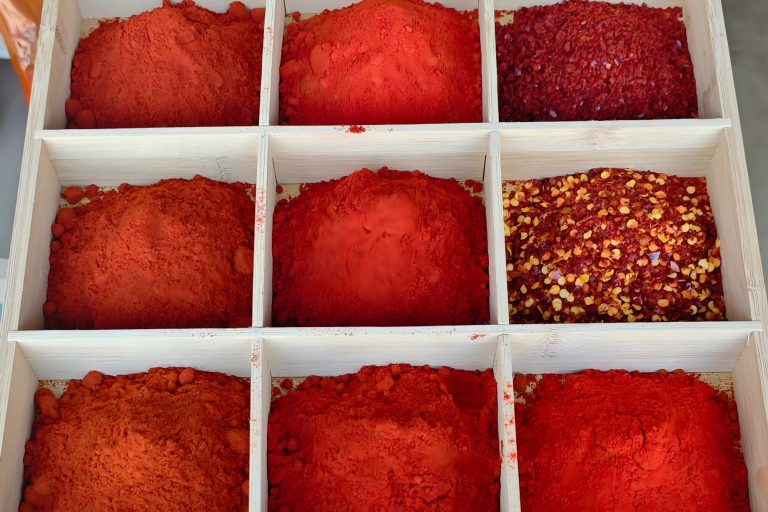
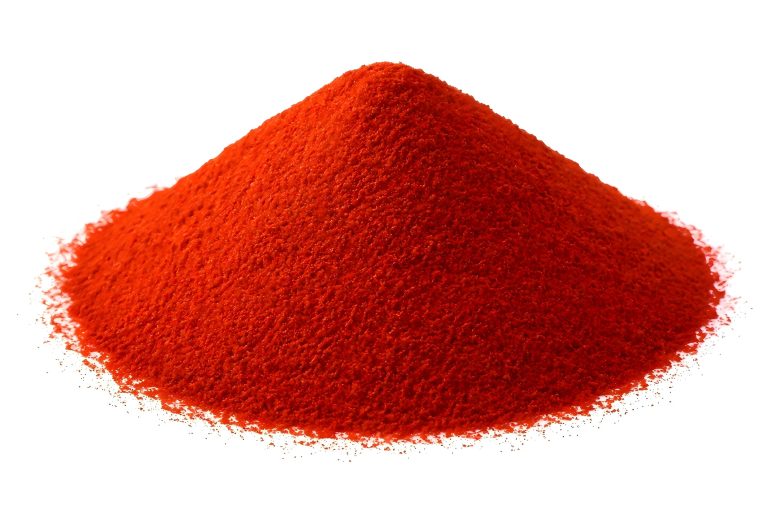
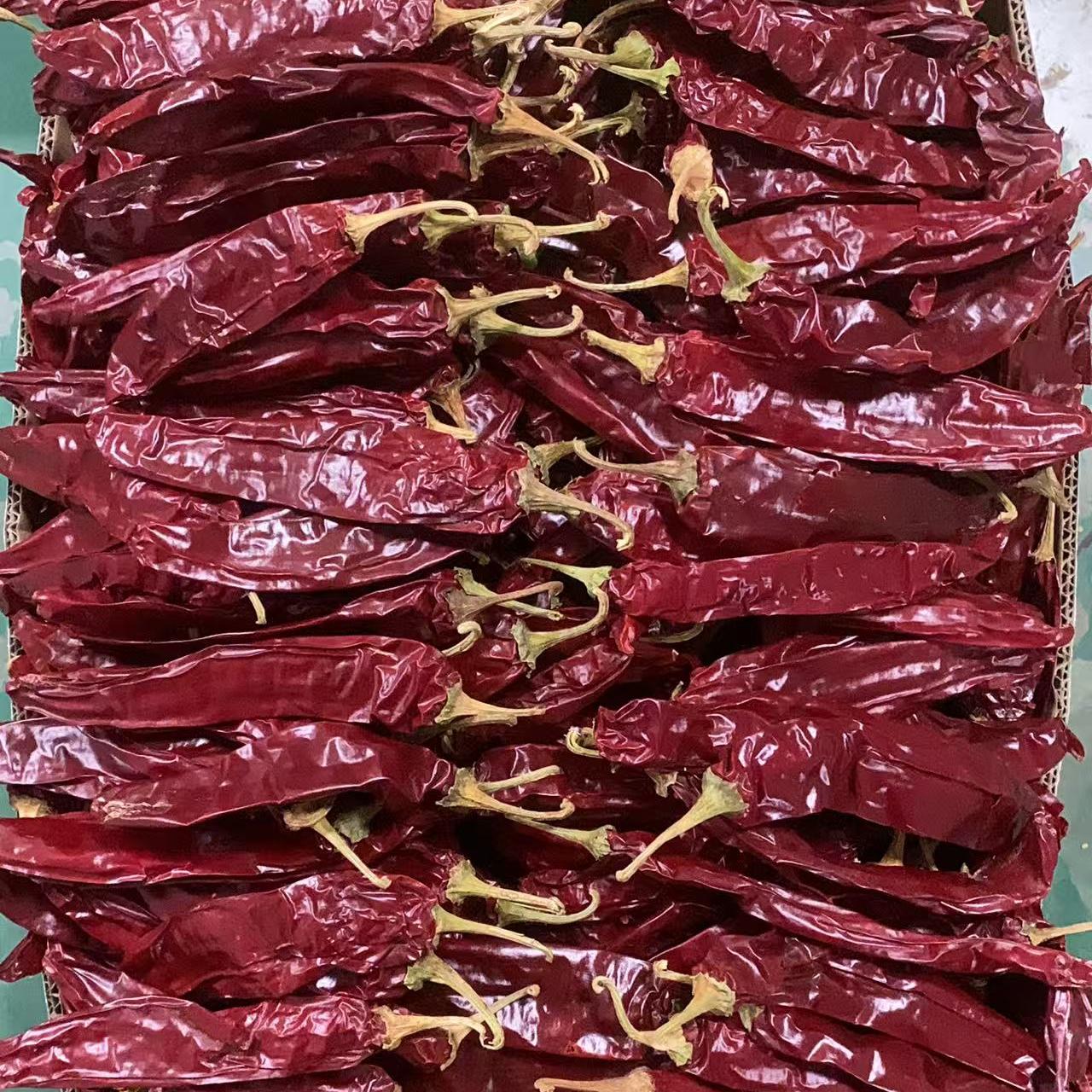
El pimentón se elabora secando y moliendo pimientos maduros, normalmente variedades de Capsicum annuum.
Aunque el secado modifica la textura y el contenido de humedad, no modifica la clasificación botánica de la planta.
Pimiento fresco → Pimiento seco → Pimentón molido
El ingrediente cambia de forma, pero no su origen biológico.
Por lo tanto:
Cada puro pimentón en polvo Es, por naturaleza, una especia de la familia de las solanáceas.
¿El hecho de que el pimentón sea una solanácea significa que es perjudicial?
No.
Este es, quizás, el mayor error que se comete en relación con los alimentos de la familia de las solanáceas.
El término “solanácea” suele dar una impresión de peligro, ya que algunas especies silvestres de la familia de las solanáceas contienen alcaloides tóxicos.
Sin embargo, las hortalizas y especias comestibles que consumimos hoy en día se han cultivado de forma selectiva durante siglos y las autoridades de seguridad alimentaria de todo el mundo las consideran seguras.
Millones de personas consumen pimentón a diario sin sufrir efectos adversos.
En el caso de las personas sanas, hay No hay pruebas de que el mero hecho de pertenecer a la familia de las solanáceas haga que el pimentón sea perjudicial para la salud..
¿Por qué algunas personas evitan las solanáceas?
Aunque la mayoría de las personas toleran bien las solanáceas, hay quienes las eliminan deliberadamente de su dieta.
Entre las razones más habituales se encuentran:
Protocolo autoinmune (AIP)
La dieta AIP elimina temporalmente todas las hortalizas de la familia de las solanáceas durante su fase de eliminación.
Esto se lleva a cabo como un experimento estructurado, y no porque haya pruebas científicas que demuestren que las solanáceas sean perjudiciales para todo el mundo.
Una vez que los síntomas mejoran, se reintroducen los alimentos de forma gradual para determinar la tolerancia de cada persona.
Artritis y dolor articular
Hay quien cree que las solanáceas empeoran la artritis porque los pimientos contienen alcaloides de origen natural.
Sin embargo, los datos científicos actuales no no demostrar que el pimentón provoca artritis o aumenta la inflamación articular en la población general.
La mayoría de los estudios disponibles siguen siendo limitados, y las organizaciones sanitarias no recomiendan evitar el pimentón únicamente para prevenir la artritis.
Sensibilidad digestiva
Algunas personas con síndrome del intestino irritable (SII) o con un sistema digestivo sensible pueden notar que las comidas picantes agravan los síntomas.
Esta reacción suele estar relacionada con compuestos picantes como la capsaicina, más que con la familia de las solanáceas en sí.
El pimentón dulce contiene muy poca capsaicina y, por lo general, es mucho más suave que los chiles picantes en polvo.
¿El pimentón provoca inflamación?
Esta pregunta aparece con frecuencia en Internet, pero las pruebas científicas ofrecen una visión más matizada.
El pimentón contiene de forma natural varios compuestos bioactivos, entre los que se incluyen:
- Capsantina
- Capsorubina
- Betacaroteno
- Vitamina C
- Polifenoles
Estos compuestos son muy conocidos por sus propiedades antioxidantes.
Las investigaciones actuales han No se ha demostrado que el pimentón aumente la inflamación en personas sanas.. De hecho, los alimentos vegetales ricos en antioxidantes suelen asociarse con una reducción del estrés oxidativo cuando forman parte de una dieta equilibrada.
Pueden darse casos de sensibilidad individual, pero no deben generalizarse a toda la población.
¿Se permite el pimentón en la dieta del Protocolo Autoinmune (AIP)?
Durante la fase de eliminación de la dieta AIP, el pimentón es que suelen excluirse porque procede de los pimientos.
Sin embargo, esta exclusión tiene por objeto ayudar a identificar los factores desencadenantes alimentarios personales.
Muchas personas vuelven a introducir el pimentón en su dieta más adelante sin presentar síntomas.
Esto pone de relieve un principio importante:
El AIP es un protocolo de eliminación estructurado, no una prueba de que el pimentón sea intrínsecamente perjudicial.
¿Se puede ser alérgico al pimentón?
Sí, aunque la alergia al pimentón es relativamente poco frecuente.
Los síntomas pueden incluir:
- Picor o hinchazón en la boca
- Erupción cutánea
- Estornudos
- Molestias digestivas
- En raras ocasiones, reacciones alérgicas graves
La mayoría de los casos notificados se deben a una sensibilidad a las proteínas del pimiento, más que a la propia especia seca.
Cualquier persona que presente síntomas alérgicos debe acudir a un profesional sanitario cualificado para que le realice una evaluación.
¿El pimentón ahumado también es una solanácea?
Sí.
El pimentón ahumado, el pimentón dulce, el pimentón picante y el pimentón español se elaboran a partir de pimientos pertenecientes a la familia de las solanáceas.
El proceso de ahumado modifica el sabor, pero no altera la clasificación botánica.
¿El secado altera los compuestos solanáceos del pimentón?
El secado elimina principalmente el agua.
No elimina los compuestos vegetales de origen natural ni altera la identidad botánica de los pimientos.
Los métodos modernos de secado están diseñados para conservar:
- Color natural
- Aroma
- Carotenoides
- Calidad nutricional
- Vida útil
La especia resultante sigue siendo un producto de la familia de las solanáceas.
¿Es saludable el pimentón?
Para la mayoría de los adultos sanos, el pimentón se considera una especia culinaria nutritiva.
De forma natural, ofrece:
- Carotenoides antioxidantes
- Precursores de la vitamina A
- Pequeñas cantidades de vitamina E
- Polifenoles vegetales naturales
- Sabor intenso con muy pocas calorías
Dado que normalmente solo se consumen pequeñas cantidades, el pimentón debe considerarse un componente más de un patrón alimentario saludable en general, más que una fuente importante de nutrientes.
¿Quiénes deberían limitar el consumo de pimentón?
La mayoría de la gente no tiene por qué evitar el pimentón.
No obstante, conviene actuar con precaución en los siguientes casos:
- Personas con alergia confirmada a la pimienta
- Personas que siguen la fase de eliminación de una dieta AIP
- Las personas con una sensibilidad personal documentada a los pimientos
- Personas a las que su profesional sanitario les ha recomendado que eviten determinados alimentos
Las decisiones alimentarias siempre deben ser personalizadas, en lugar de basarse únicamente en las tendencias de Internet.
Conclusión
Pimentón es una solanácea, ya que se elabora con pimientos secos en el Capsicum annuum especies.
Sin embargo, este dato botánico no debe confundirse con una advertencia sanitaria.
Para la gran mayoría de las personas, el pimentón es una especia segura y sabrosa que aporta color, antioxidantes y versatilidad culinaria. Aunque algunas personas con determinadas afecciones médicas o que siguen protocolos dietéticos específicos pueden optar por limitar temporalmente el consumo de alimentos de la familia de las solanáceas, la evidencia científica actual no respalda la idea de evitar el pimentón únicamente por pertenecer a dicha familia.
Comprender la diferencia entre clasificación botánica y tolerancia alimentaria individual ayuda a los consumidores a tomar decisiones informadas basadas en datos contrastados, en lugar de en ideas erróneas.
Preguntas frecuentes
¿El pimentón es una solanácea?
Sí. El pimentón se elabora a partir de pimientos secos (Capsicum annuum), que pertenecen a la familia de las solanáceas (solanáceas).
¿El pimentón es inflamatorio?
Las pruebas científicas actuales no indican que el pimentón aumente la inflamación en personas sanas. Contiene compuestos antioxidantes que podrían ayudar a reducir el estrés oxidativo.
¿Puede el pimentón agravar la artritis?
No hay pruebas científicas sólidas de que el pimentón provoque o agrave la artritis en la población general. Las reacciones pueden variar de una persona a otra.
¿Se puede tomar pimentón en la dieta AIP?
No. Durante la fase de eliminación de la dieta del Protocolo Autoinmune, el pimentón suele excluirse porque se obtiene de los pimientos.
¿El pimentón ahumado también es una solanácea?
Sí. El ahumado altera el sabor, pero no el origen botánico de la especia.
¿Se puede ser alérgico al pimentón?
Sí, aunque es poco habitual. La mayoría de los casos se deben a una sensibilidad a las proteínas presentes en los pimientos.
¿Es el pimentón más saludable que el chile en polvo?
El pimentón puro es una especia compuesta por un único ingrediente, elaborado a partir de pimientos secos, mientras que el chile en polvo suele ser una mezcla de varias especias. Sus perfiles nutricionales y características de sabor varían en función de la composición.