Paprika in der Fleischverarbeitung: Der umfassende Leitfaden zu Farbe, Geschmack und natürlicher Konservierung
Warum sich Fleischverarbeiter für Paprika entscheiden
Paprika (Capsicum annuum) ist eines der am häufigsten verwendeten Gewürze in der weltweiten fleischverarbeitenden Industrie. Von der deutschen Bratwurst bis zur spanischen Chorizo, von amerikanischen Hot Dogs bis zu chinesischen Wurstwaren – Paprika erfüllt in Fleischprodukten drei entscheidende Funktionen:
- Natürliche Farbverstärkung — Verleiht eine satte rot-orange Färbung, die für Qualität und Frische steht
- Geschmacksprofilierung — Verleiht eine milde Süße mit erdigen Noten, die gut zu Fleischproteinen passen
- Antioxidativer Schutz — Natürlich vorkommende Carotinoide (Capsanthin, Capsorubin) tragen dazu bei, die Lipidoxidation zu verlangsamen und so die Haltbarkeit zu verlängern
Für industrielle Fleischverarbeiter, die ihre Waren aus China beziehen, ist es wichtig, die technischen Spezifikationen von Paprika zu kennen – insbesondere ASTA-Farbwert, Partikelgrößenverteilung, und mikrobiologische Reinheit — ist für die Gewährleistung einer gleichbleibenden Produktqualität unerlässlich.
Wie sich der Farbwert von Paprika (ASTA) auf Fleischprodukte auswirkt
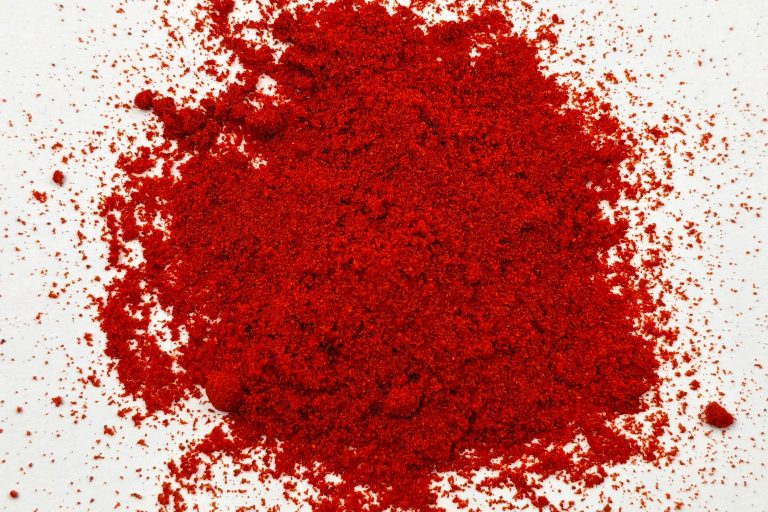
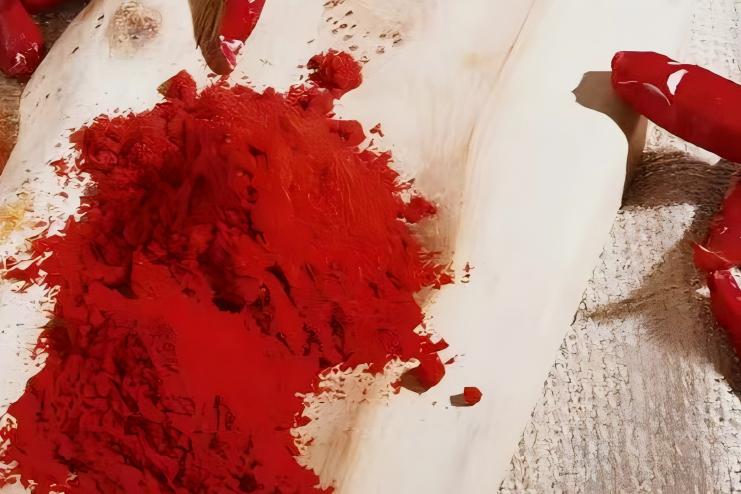
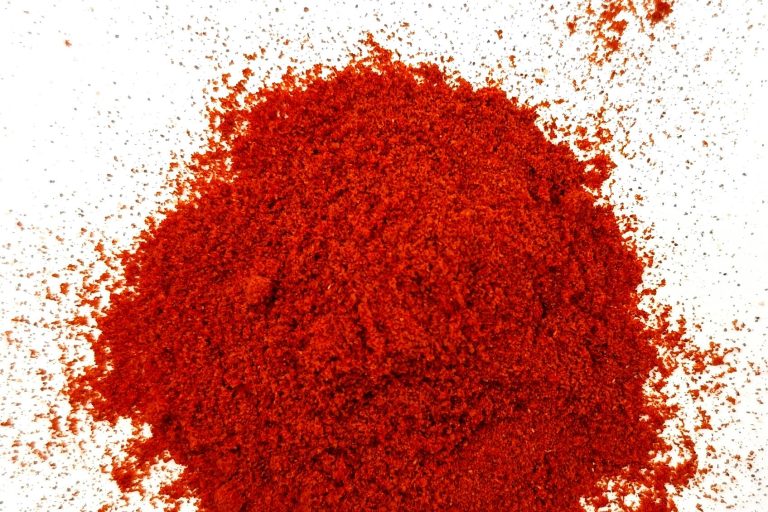
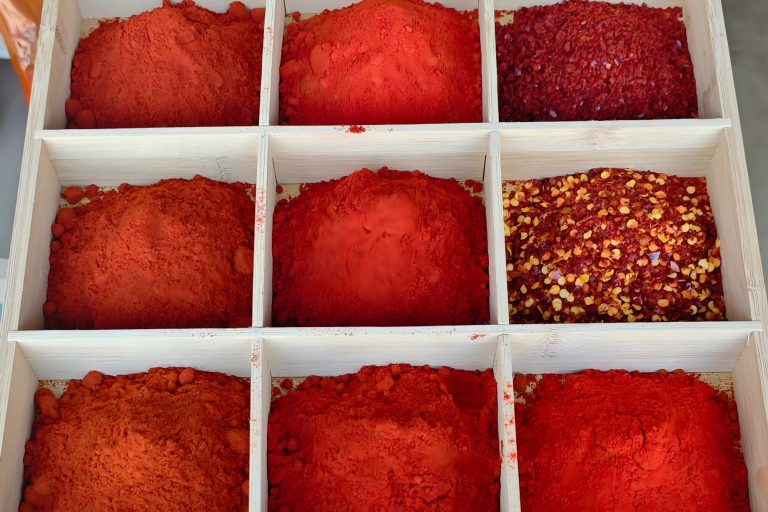
Der ASTA-Farbwert (American Spice Trade Association) ist der universelle Standard zur Messung der Färbekraft von Paprika. Bei Fleischprodukten wirkt sich die Wahl der ASTA-Klasse direkt sowohl auf die optische Attraktivität als auch auf die Wirtschaftlichkeit aus.
| ASTA-Güteklasse | Farbintensität | Typische Anwendungsbereiche im Fleischbereich | Empfohlene Dosierung |
|---|---|---|---|
| ASTA 80–100 (Standard) | Mäßig rot | Gekochte Würstchen, Hot Dogs, Bologna | 0,5–1,51 TP3T des Gesamtgewichts |
| ASTA 100–120 (Premium) | Kräftiges Rot | Trockenwurst, Salami, Peperoni | 0,3–1,01 TP3T des Gesamtgewichts |
| ASTA 120–150 (Superior) | Intensives, tiefes Rot | Chorizo, mit Gewürzen überzogenes Fleisch | 0,2–0,81 TP3T des Gesamtgewichts |
| ASTA 150+ (Ultra Premium) | Maximale Farbausbeute | Hochwertige Wurstwaren, optische Highlights | 0,1–0,51 TP3T des Gesamtgewichts |
Wichtige Erkenntnisse für Fleischverarbeiter
Mit höheren ASTA-Stufen können Sie Verwenden Sie weniger Produkt, um die gleiche Farbe zu erzielen., wodurch die Gesamtkosten für die Zutaten pro Charge gesenkt werden. Durch die Umstellung von ASTA 80 auf ASTA 120 lässt sich der Paprika-Einsatz um 30–40% reduzieren, wobei die Farbspezifikationen unverändert bleiben.
Bei Dinweys® Qingdao, bieten wir vier standardisierte ASTA-Qualitäten an, die speziell auf Anwendungen in der Fleischverarbeitung abgestimmt sind. Unsere Leitfaden zu den Spezifikationen von Paprikapulver enthält alle technischen Daten.
Paprika in der Wurstherstellung
Wurst Produktion ist die mit Abstand größte Anwendungskategorie für industriellen Paprika. Das Gewürz wird je nach Produkttyp in verschiedenen Verarbeitungsstufen zugesetzt:
Emulgierte Würste (Frankfurter, Wiener Würstchen, Bologna)
- Ergänzung: Während der Emulgierungsphase, nach dem Mahlen
- Funktion: Sorgt für eine gleichmäßige rosa-rote Färbung in der gesamten Emulsion
- ASTA-Präferenz: 80–100 (Standardqualität), da sich die Farbe gleichmäßig in der Emulsion verteilt
- Partikelgröße: 0,3–0,5 mm (60 Mesh) – empfohlen für eine glatte Konsistenz
- Nutzungsrate: 0.3–0.8%
Trockene und halbtrockene Würste (Salami, Peperoni, Sommerwurst)
- Ergänzung: Vor dem Füllen mit anderen trockenen Zutaten vermischen
- Funktion: Farbentwicklung während der Gärung und Trocknung; antioxidative Wirkung während der Reifung
- ASTA-Präferenz: 100–120 (Premium-Qualität), um die Farbe auch bei längeren Trocknungszeiten zu erhalten
- Partikelgröße: 0,5–0,8 mm (30–40 Mesh) für einen optischen Sprenkeleffekt
- Nutzungsrate: 0.5–1.2%
Frische Würste (Bratwurst, italienische Wurst, Frühstückswürstchen)
- Ergänzung: Mit Gewürzen in den Fleischblock eingearbeitet
- Funktion: Optische Attraktivität im Einzelhandel; Geschmacksbeitrag beim Kochen
- ASTA-Präferenz: 80–100
- Nutzungsrate: 0.3–0.8%
Paprika in Wurstwaren und Fleischprodukten
Trockengepökelte Produkte (Prosciutto-Art, Coppa, Biltong)
Paprika erfüllt bei Trockenpökelfleisch einen doppelten Zweck: Es sorgt für eine rote Oberflächenfärbung und reguliert den Feuchtigkeitsgehalt. Die hygroskopischen Eigenschaften des Gewürzes tragen dazu bei, eine trockene Oberflächenumgebung zu schaffen, die das Wachstum von Schimmelpilzen an der Oberfläche hemmt und gleichzeitig für eine ansprechende rote Färbung sorgt.
Marinierte und injizierte Produkte
Für mariniertes Fleisch, das injiziert oder in einer Trommel mariniert wurde, Paprika-Oleoresin (der öllösliche Extrakt) wird oft gegenüber gemahlenem Paprika bevorzugt, weil er:
- Verteilt sich gleichmäßig durch die Einspritzsole
- Verstopft die Injektionsnadeln nicht
- Sorgt für eine gleichmäßige Färbung im gesamten Fleischgewebe
China ist einer der weltweit größten Produzenten von Paprika-Oleoresin (E160c), wodurch chinesischer Paprika zu einem hervorragenden Rohstoff für die Oleoresin-Gewinnung wird.
Der Vorteil von Antioxidantien: Die Haltbarkeit auf natürliche Weise verlängern
Eine der wertvollsten – und oft übersehenen – Eigenschaften von Paprika in der Fleischverarbeitung ist seine natürliche antioxidative Wirkung.
Die Carotinoid-Farbstoffe im Paprika, insbesondere Capsanthin und Beta-Carotin, wirken als Radikalfänger, die die Lipidoxidation verlangsamen. Für Fleischverarbeiter bedeutet dies:
- Verlängerte Haltbarkeit im Einzelhandel — bis zu 15–25% längere Farbstabilität im Vergleich zu Rezepturen ohne Paprika
- Geringere Abhängigkeit von synthetischen Antioxidantien — Paprika kann BHA/BHT in “Clean-Label”-Rezepturen teilweise ersetzen
- Bessere Leistung bei der Tiefkühllagerung — Erhaltung von Farbe und Geschmack während der Einfrier- und Auftauzyklen
Eine Studie in der Zeitschrift für Lebensmittelwissenschaft Es wurde nachgewiesen, dass Paprikaextrakt in einer Konzentration von 0,051 TP3T in gekochten Fleischprodukten eine mit 0,021 TP3T BHA vergleichbare antioxidative Wirkung zeigte.
Mikrobiologische Anforderungen an Paprika in Fleischqualität
Fleischverarbeitungsbetriebe unterliegen strengeren mikrobiologischen Grenzwerten als die meisten anderen Lebensmittelbranchen. Achten Sie bei der Beschaffung von Paprika von chinesischen Lieferanten auf folgende Spezifikationen:
| Parameter | Industriestandard (Fleischqualität) | Warum das wichtig ist |
|---|---|---|
| Gesamtkeimzahl | ≤ 10.000 KBE/g | Es wurden keine Verderbniserreger eingeschleppt |
| Hefe und Schimmel | ≤ 100 KBE/g | Oberflächenstabilität bei trocken gereiften Produkten |
| Coliforme Bakterien | ≤ 10 KBE/g | Hygieneindikator |
| E. coli | Negativ | Sicherheit im Umgang mit Krankheitserregern |
| Salmonellen | Negativ/25 g | Von entscheidender Bedeutung für verzehrfertige Produkte |
| Staphylococcus aureus | ≤ 100 KBE/g | Toxinprävention |
Dinweys® Qingdao arbeitet unter HACCP-zertifizierte Verarbeitungsprotokolle und legt jeder Lieferung ein Analysezertifikat bei, das umfassende mikrobiologische Untersuchungen enthält.
Einhaltung der Vorschriften zu Schwermetallen und Pestiziden für Fleischexporteure
Wenn Ihre verarbeiteten Fleischprodukte in die EU, in die USA oder in den Nahen Osten exportiert werden, gelten die Vorschriften Ihres Paprika-Lieferanten hinsichtlich Schwermetallen auch für Sie. Wichtige Grenzwerte für Paprika, der für die Fleischverarbeitung bestimmt ist:
| Heavy Metal | EU-Grenzwert (mg/kg) | US-Grenzwert (mg/kg) |
|---|---|---|
| Blei (Pb) | ≤ 3,0 | ≤ 5,0 |
| Cadmium (Cd) | ≤ 0,2 | — |
| Quecksilber (Hg) | ≤ 0,1 | — |
| Arsen (As) | — | — |
Chinas nationale Lebensmittelsicherheitsstandards (GB 2762-2022) entsprechen weitgehend den EU-Grenzwerten. Lesen Sie mehr dazu in unserem Paprika Heavy Metal – Leitfaden zu den Grenzen.
Praktische Tipps für Fleischverarbeiter, die Paprika aus China beziehen
- Fordern Sie ein ASTA-zertifiziertes Datenblatt an — Kaufen Sie niemals allein aufgrund des Preises; lassen Sie die Farbwerte durch unabhängige Tests überprüfen
- Passen Sie die Partikelgröße an Ihre Anwendung an — Feiner Hackgrad (60 Mesh) für emulgierte Fleischprodukte; mittlerer Hackgrad (30–40 Mesh) für Trockenwurst
- Bestimmung der Wasseraktivität — Paprika mit einem aw-Wert < 0,60 widersteht dem mikrobiellen Wachstum während der Lagerung
- Bestehen Sie auf einer HACCP-Zertifizierung — Dies ist der Mindestqualitätsstandard für den Export von Paprika in Lebensmittelqualität aus China
- Fragen Sie nach Bestrahlung/Vakuumverpackung — In einigen Märkten werden nicht bestrahlte Gewürze verlangt; prüfen Sie die Möglichkeiten Ihres Lieferanten
Warum chinesischer Paprika für die Fleischverarbeitung?
China hat sich zum weltweit größten Paprika-Produzenten und -Exporteur entwickelt und bietet Fleischverarbeitern dabei entscheidende Vorteile:
- Umfang und Konsistenz — Allein der Gewürzverarbeitungs-Industriepark Jiaolai in der Provinz Shandong verarbeitet jährlich Tausende Tonnen und gewährleistet so eine stabile Versorgung
- Wettbewerbsfähige ASTA-Preise — Chinesischer Paprika bietet auf dem Weltmarkt das beste ASTA-Farb-Preis-Verhältnis.
- Maßgeschneiderte Verarbeitung — Auf die Anforderungen der Fleischindustrie zugeschnittene Mahlgröße, Mischung und Verpackung
- Strategisch günstiger Standort für den Schiffsverkehr — Der Hafen von Qingdao bietet direkte Seeverbindungen nach Nordamerika, Europa und in den Nahen Osten
Bei Dinweys® Qingdao, wir sind spezialisiert auf die Lieferung von ASTA-klassifizierten Paprikapulver für die industrielle Fleischverarbeitung. Wenden Sie sich an unseren Spezialisten für die Fleischindustrie Joanna für Muster und technische Daten.
Weiterführende Ressourcen: