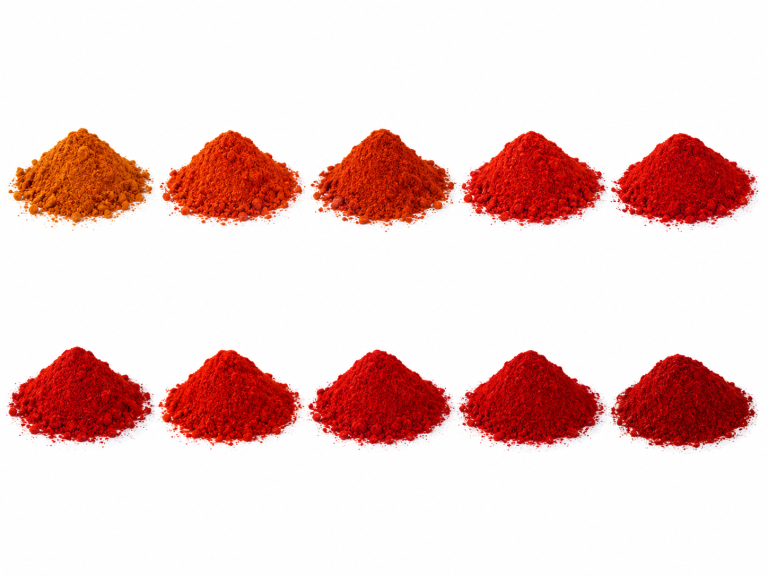
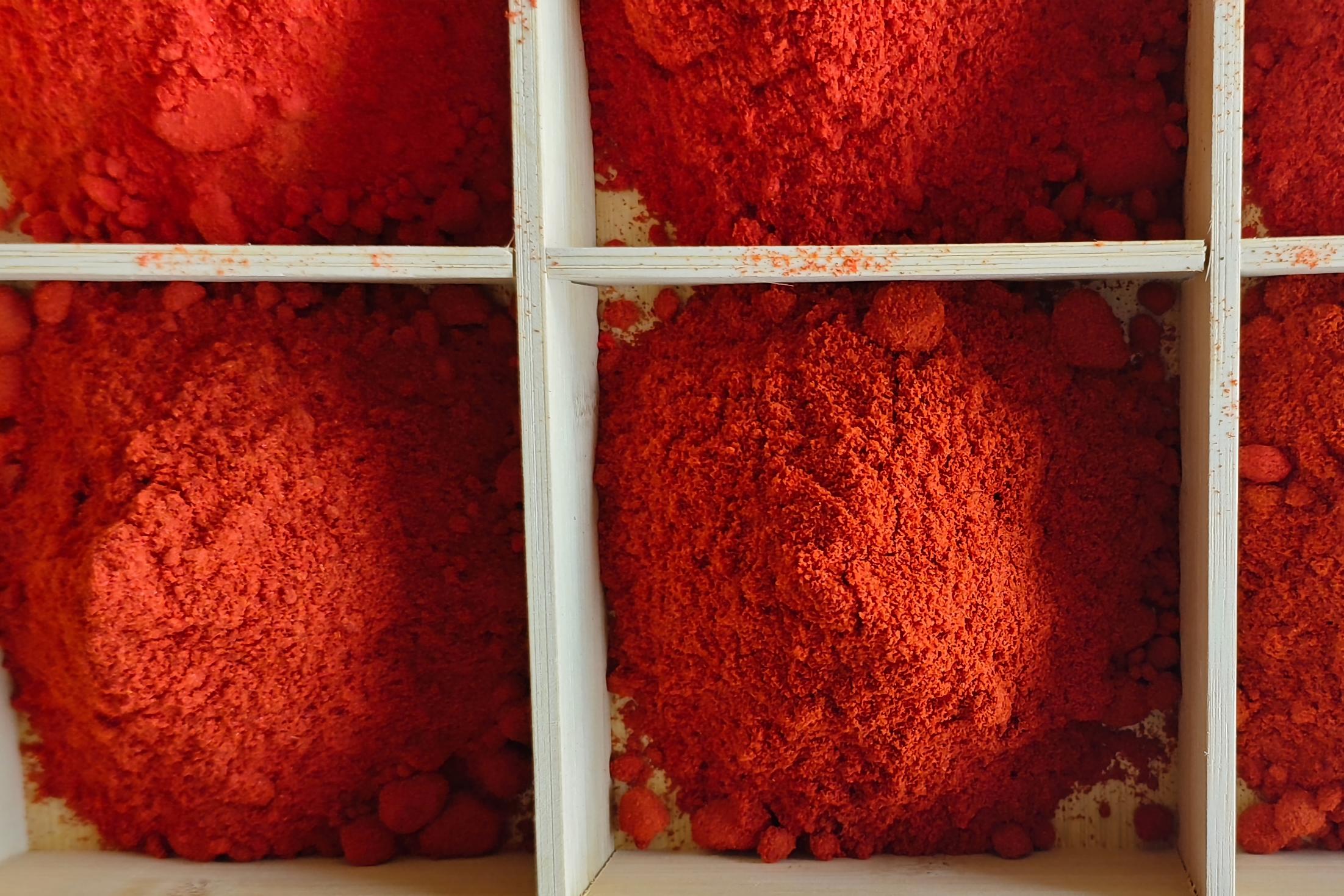
جزء من استخدام البابريكا في صناعة الأغذية الصناعية دليل — نظرة عامة شاملة على الفلفل الحلو التطبيقات في مختلف مجالات صناعة الأغذية.
البابريكا كملون غذائي طبيعي (E160c): الدليل الصناعي للتصنيع وفق معايير «الملصق النظيف»
ثورة الألوان الطبيعية
يشهد سوق الملونات الغذائية العالمي أكبر تحول له منذ قرن من الزمان. ومع تزايد رفض المستهلكين للمضافات الاصطناعية وتشديد الهيئات التنظيمية لإطار عمل الموافقة، انتقلت الملونات الطبيعية من كونها منتجات متخصصة إلى منتجات سائدة. ومن بينها،, لون البابريكا (E160c) — مستمد من الفلفل الحلو — وقد برزت كواحدة من أكثر الأصباغ الطبيعية ذات اللون الأحمر-البرتقالي تنوعاً وأهميةً من الناحية التجارية.
تشير توقعات السوق العالمية إلى أن حجم سوق الملونات الغذائية الطبيعية يبلغ 3.8 مليار دولار أمريكي بحلول عام 2030, ، حيث ينمو السوق بمعدل نمو سنوي مركب يبلغ 8.5%، وتستحوذ الملونات المستخلصة من الفلفل الحلو على حصة رائدة بفضل ثباتها الحراري، وتحملها لمستويات الحموضة المختلفة، ونطاق تطبيقاتها الواسع.
فهم لون البابريكا: من المسحوق إلى الزيت الراتنجي
تقدم «بابريكا» الألوان من خلال شكلين تجاريين رئيسيين، كل منهما مناسب لاستخدامات مختلفة:
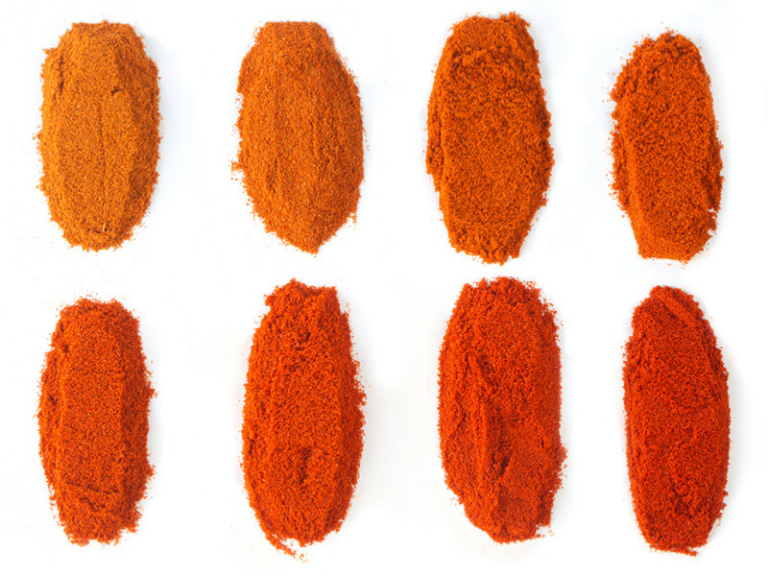
مسحوق البابريكا (توابل مطحونة)
- حامل اللون: مطحون بالكامل القرون (القشرة، اللب، البذور)
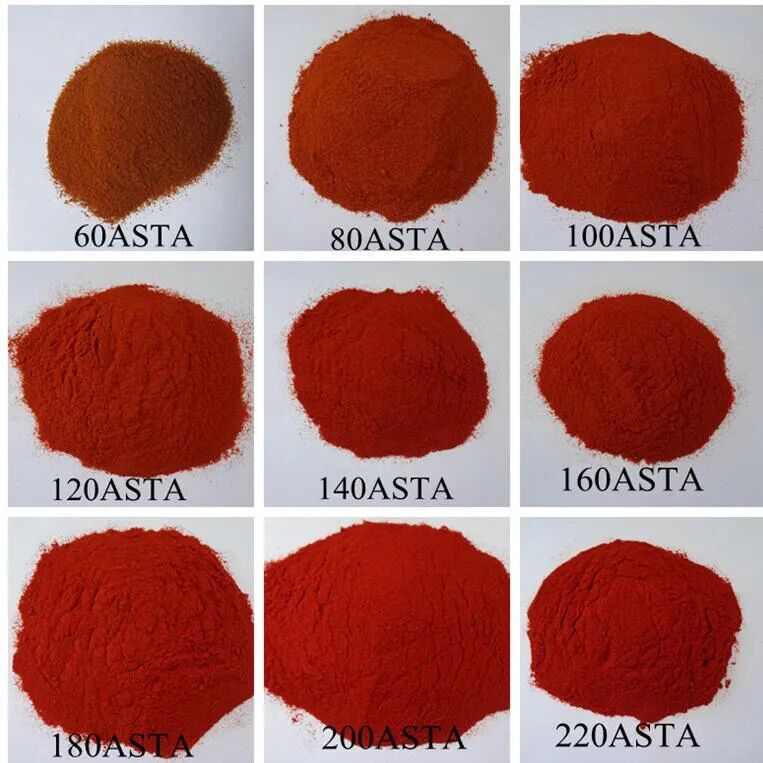
- مجموعة ASTA: 80–150+
- الذوبان: قابل للتشتت في الماء (غير قابل للذوبان تمامًا)
- أفضل التطبيقات: التوابل الجافة، طلاء الأسطح، إضافة المكونات إلى العجين
- بيان الملصق: “بابريكا” أو “مسحوق البابريكا”
أوليويرسين البابريكا (مستخلص سائل)
- حامل اللون: مستخلص قابل للذوبان في الزيت
- شدة اللون: 40,000–100,000 وحدة لون (CU)، أي ما يعادل 10–40 ضعف قوة اللون لـ قياسي مسحوق
- الذوبان: قابل للذوبان في الزيت؛ يمكن تحويله إلى مستحلب للاستخدام في الأنظمة المائية
- أفضل التطبيقات: محاليل التمليح المستخدمة في حقن اللحوم، والصلصات ذات الأساس الزيتي، والتتبيلات، والجبن المطبوخ
- بيان الملصق: “مستخلص البابريكا (E160c)” أو “زيت راتنج البابريكا”
| مقارنة | مسحوق البابريكا | زيت البابريكا |
|---|---|---|
| شدة اللون | 80–150 ASTA | 40,000–100,000 وحدة عملة |
| نموذج | مسحوق جاف | سائل لزج |
| الذوبان | قابل للتشتت في الماء | قابل للذوبان في الزيت |
| مدة الصلاحية | 12–24 شهراً | 18–24 شهراً (مغلق) |
| التكلفة لكل وحدة لون | الجزء السفلي مخصص للاستخدام السطحي | أقل تكلفة للتلوين بالجملة |
| الأفضل لـ | الخليطات الجافة، توابل الرقائق | المستحلبات، المحاليل الملحية، الأنظمة السائلة |
E160c: الاستخدامات حسب فئة الأغذية
منتجات اللحوم والدواجن
يُعد مستخلص البابريكا أكثر الملونات الحمراء الطبيعية استخدامًا في اللحوم المصنعة:
- النقانق المطبوخة: 0.02–0.051 من الراتنج الزيتي TP3T (40,000 وحدة قياس) في مستحلب
- الدواجن المتبلة: 0.01–0.03% في محلول الملح المستخدم في الحقن
- تغليف النقانق الجافة: التطبيق السطحي لمسحوق الفلفل الحلو عند 0.3–0.5%
- الميزة: مقاوم للحرارة حتى 200 درجة مئوية، ويصمد أمام عمليات التعقيم والطهي
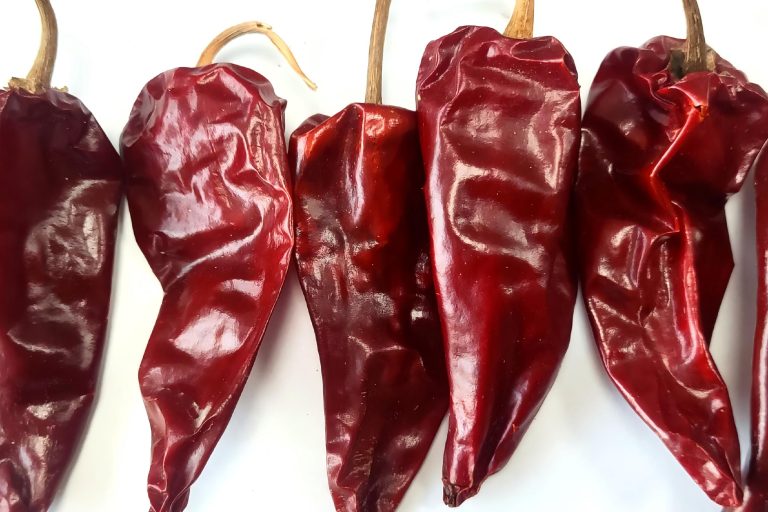
ميزة التوريد من الصين: تنتج مجموعة جياولاي للتصنيع في شاندونغ الفلفل الأحمر الذي تم تحسينه خصيصًا لاستخراج الراتنج الزيتي، حيث يزيد محتواه من الكابسانثين بنسبة تتراوح بين 15 و25% مقارنةً بالمواد ذات الجودة التجارية.
الأطعمة الخفيفة والتوابل
يضفي اللون الطبيعي للبابريكا جاذبية بصرية على مختلف أنواع الوجبات الخفيفة:
- رقائق البطاطس: مسحوق بنسبة 1.5–3.5% في عملية التتبيل الجاف
- الوجبات الخفيفة المبثوقة: الراتنج الزيتي بنسبة تتراوح بين 0.005 و0.02% في رذاذ الزيت
- البسكويت المخبوز: نسبة المسحوق في العجين تتراوح بين 0.5 و2.0%
- الميزة: توفر النسخ المصنوعة من الراتنج الزيتي المُغلف في كبسولات دقيقة ثباتًا محسّنًا في التعرض للضوء عند استخدامها في التغليف الشفاف
الصلصات والتتبيلات والتوابل
يُظهر لون البابريكا أداءً استثنائيًا في الأنظمة الحمضية والأنظمة القائمة على الزيت:
- صلصة الباربيكيو: مركب زيتي بنسبة 0.01–0.03% للحصول على درجة لون أحمر غنية
- الصلصات المصنوعة من الطماطم: 0.005–0.021 TP3T لتعزيز اللون الأحمر
- صلصات السلطة: 0.01–0.051 TP3T في الطور الزيتي
- الصلصة الحارة: كل من المسحوق والراتنج الزيتي لتوفير مزيج من اللون والنكهة
الحساء والمرق والوجبات الجاهزة
- خليط الحساء الجاهز: المسحوق بنسبة 0.3–1.0% في المزيج الجاف
- الحساء السائل: الراتنج الزيتي بنسبة 0.005–0.02%
- وجبات جاهزة مجمدة: اللون المقاوم للحرارة لا يتأثر عند إعادة التسخين في الميكروويف
- أكياس توابل المعكرونة: مسحوق البابريكا بنسبة 2–8% من تركيبة التوابل
منتجات الألبان والجبن
- الجبن المطبوخ: الراتنج الزيتي بنسبة تتراوح بين 0.005 و0.01% للحصول على لون برتقالي-أحمر
- مساحيق الجبن: مسحوق البابريكا بنسبة تتراوح بين 0.5 و2.0% في توابل الجبن المجفف
- أصناف الألبان القابلة للدهن: يندمج الراتنج الزيتي القابل للذوبان في الزيت بسهولة في الطور الدهني
المخابز والحلويات
- البسكويت المالح: نسبة المسحوق في العجينة تتراوح بين 0.5 و1.5%
- طلاءات الخبز: التطبيق السطحي مع التصاق الزيت
- الحشوات والمعاجين: الراتنج الزيتي في الحشوات ذات الأساس الدهني
ثبات اللون: الاعتبارات الفنية
يُعد فهم استقرار لون البابريكا أمرًا بالغ الأهمية لضمان اتساق عملية التصنيع:
الحساسية للضوء
تتعرض أصباغ البابريكا للتحلل الضوئي. وتشمل الاستراتيجيات المتبعة للحفاظ على اللون ما يلي:
- استخدام الراتنج الزيتي المُغلف في كبسولات دقيقة — يحسّن ثبات الضوء بنسبة 40–60%
- عبوة غير شفافة — يمنع البهتان الناتج عن الأشعة فوق البنفسجية
- التآزر المضاد للأكسدة — إضافة التوكوفيرول (فيتامين هـ) بنسبة تتراوح بين 0.01 و0.05% تعمل على تثبيت اللون
التحمل بالنسبة لدرجة الحموضة (pH)
يُظهر لون البابريكا ثباتًا ممتازًا في نطاق درجة الحموضة 3,0–8,0، مما يجعله مناسبًا للصلصات الحمضية (درجة الحموضة 3,5–4,5) ومكونات اللحوم شبه المحايدة (درجة الحموضة 5,5–6,5).
| نطاق الرقم الهيدروجيني | الاستقرار | المنتجات النموذجية |
|---|---|---|
| 3.0–4.5 | جيد | صلصات الخل، الصلصة الحارة |
| 4.5–6.0 | ممتاز | صلصة الطماطم، اللحوم المصنعة |
| 6.0–8.0 | جيد | الحساء، منتجات الألبان، المخبوزات |
الاستقرار الحراري
يتحمل أوليوريزين البابريكا المعالجة الحرارية القياسية:
- البسترة (72 درجة مئوية، 15 ثانية): >95% الاحتفاظ بالألوان
- المعالجة الحرارية (121 درجة مئوية، 20 دقيقة): 70–85% الاحتفاظ بالألوان
- القلي (170–190 درجة مئوية): 50–70% الاحتفاظ بالألوان (التطبيق السطحي)
استبدال الألوان الحمراء الاصطناعية بالفلفل الأحمر
تقوم العديد من الشركات المصنعة بالتحول من الأصباغ الحمراء الاصطناعية (FD&C Red 40، Red 3، أو ما يعادلها في الاتحاد الأوروبي E124، E129) إلى بدائل طبيعية تعتمد على الفلفل الحلو:
| اللون الاصطناعي | بديل البابريكا | نسبة الاستبدال | الاعتبارات |
|---|---|---|---|
| الأحمر 40 (أحمر ألورا) | أوليويرسين البابريكا (40,000 وحدة قياس) | من 1:10 إلى 1:20 من حيث الوزن | درجة لون برتقالية أكثر قليلاً؛ قد تحتاج إلى مزجها مع ألوان حمراء طبيعية أخرى |
| الأحمر 3 (إريثروزين) | البابريكا + عصير الشمندر | مزيج مخصص | يمكن تحقيق طيف أحمر أوسع |
| بونسو 4R (E124) | مسحوق البابريكا (ASTA 120+) | استبدال 3–5:1 | شكل مسحوق للاستخدامات الجافة |
ترجمة «الملصق النظيف»
عند الانتقال إلى لون البابريكا، قم بتعديل قائمة المكونات:
قبل (مع المكونات الاصطناعية):
"المكونات: ... FD&C أحمر 40، أصفر 6 ..."

بعد (الملصق النظيف):
"المكونات: ... مستخلص الفلفل الحلو (للون) ..."
معلومات السوق: أظهر استطلاع للرأي أجرته شركة «إنوفا ماركت إنسايتس» عام 2025 أن 67% من المستهلكين حول العالم يعتبرون الادعاءات المتعلقة بالألوان الطبيعية عاملاً مهمًا في قرارات شراء الوجبات الخفيفة.
شهادات الجودة الخاصة بمواد التلوين المستخلصة من الفلفل الحلو
بالنسبة للبابريكا المستخدمة كملون طبيعي، تنطبق معايير جودة إضافية تتجاوز تلك الخاصة بالتوابل المستخدمة في الطهي:
| المعلمة | المواصفات | لماذا هذا مهم؟ |
|---|---|---|
| محتوى الكابسانثين | ≥ 3,500 ملغ/كغ (مسحوق) / ≥ 15,000 ملغ/كغ (زيت راتنجي) | مركب تلوين أساسي |
| بقايا المبيدات | متوافق مع اللائحة رقم 396/2005 الصادرة عن الاتحاد الأوروبي أو الحدود المسموح بها التي حددتها وكالة حماية البيئة الأمريكية (EPA) | المتطلبات التنظيمية لجميع طلبات الأغذية |
| المذيبات المتبقية (الراتنج الزيتي) | ≤ 50 ملغ/كغ (مجمعة) | ينطبق هذا فقط في حالة استخدام الاستخلاص بالمذيبات؛ أما الاستخلاص باستخدام ثاني أكسيد الكربون فهو خالٍ من المذيبات |
| بيان بشأن المواد المسببة للحساسية | يجب الإشارة إلى ما إذا كانت المعالجة تتم على خطوط مشتركة | أمر بالغ الأهمية للامتثال لمعايير الاتحاد الأوروبي (EU FIC 1169/2011) والولايات المتحدة (FALCPA) |
| حالة الكائنات المعدلة وراثيًا | يتوفر إقرار بعدم احتواء المنتج على كائنات معدلة وراثياً | شروط الحصول على شهادة المنتجات العضوية من الاتحاد الأوروبي |
شراء ملونات البابريكا من الصين: ما الذي يجب التحقق منه
أصبحت الصين بسرعة أكبر مصدر للبابريكا في العالم، سواء في شكل مسحوق أو راتنج زيتي. عند تقييم الموردين الصينيين:
1. التكامل الرأسي
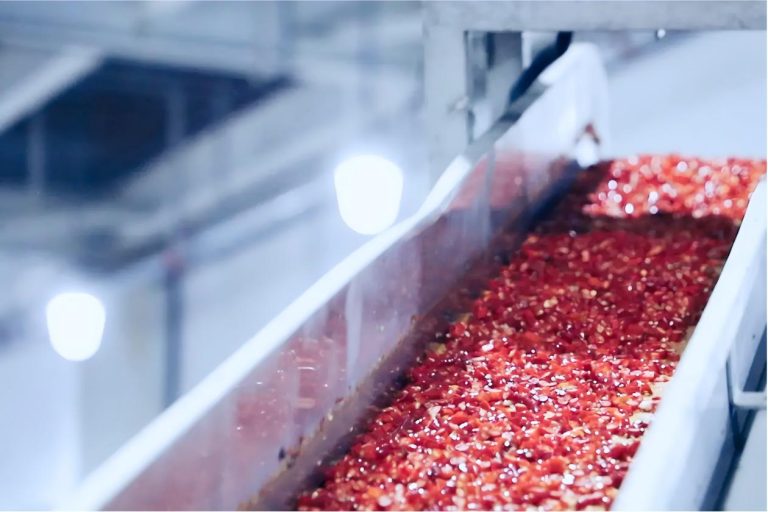
موردون مثل دينويز® تشينغداو التي تتحكم في سلسلة القيمة بأكملها — بدءًا من توريد الفلفل الحار الخام مرورًا بالمعالجة وصولاً إلى الاستخلاص — توفر إمكانية تتبع فائقة ومستوى عالٍ من الاتساق.
2. محفظة الشهادات
بالنسبة لشركات تصنيع الأغذية الدولية، فإن المتطلبات الدنيا هي:
- نظام تحليل المخاطر ونقاط التحكم الحرجة (HACCP) (إلزامي لجميع الصادرات الغذائية)
- FSSC 22000 أو ISO 22000 (إدارة سلامة الأغذية)
- كوشير و حلال الشهادات (حسب الأسواق المستهدفة)
- شهادة الاتحاد الأوروبي للمنتجات العضوية / شهادة وزارة الزراعة الأمريكية (USDA) - برنامج المنتجات العضوية (NOP) (لخطوط المنتجات العضوية)
3. قدرات المختبر
إجراء اختبارات HPLC وقياس الطيف الضوئي في الموقع للتحقق من:
- تحديد قيمة اللون وفقًا لمعايير ASTA
- تحليل مكونات الكابسانثين/الكابسوروبين
- فحص المعادن الثقيلة (ICP-MS)
- التحليل الميكروبيولوجي
الاتجاهات المستقبلية: إلى أين يتجه لون البابريكا؟
التغليف الدقيق
تعمل تقنيات المستحلبات الجديدة على تحسين ثبات راتنج البابريكا الضوئي بنسبة تصل إلى 300%، مما يتيح استخدامه في المنتجات المعبأة في عبوات شفافة، حيث كانت الأصباغ الحمراء الاصطناعية هي الخيار الوحيد في السابق.
الفلفل الأحمر القابل للتشتت في الماء البارد
تفتح مساحيق الفلفل الحلو المعالجة بطريقة خاصة، والتي تتحلل فورًا في الماء البارد (دون تكوين كتل)، آفاقًا جديدة للاستخدام في خلطات المشروبات الجافة والحساء الفوري.
مزيجات طبيعية متآزرة
يتم تسويق مزيج البابريكا مع مستخلص الجزر، والبابريكا مع الشمندر، والبابريكا مع الأناتو، من أجل الحصول على طيف لوني لا يمكن لأي صبغة طبيعية بمفردها توفيره — لا سيما درجات اللون الأحمر الداكن والقرمزي.
دينويز® تشينغداو توفر شركتنا كلاً من مسحوق البابريكا ومستخلص البابريكا (الزيت الراتنجي) لاستخداماتهما كملونات طبيعية. ويمكن لمختبرنا مطابقة مواصفات الألوان المطلوبة حسب الطلب. اتصل بفريقنا للحصول على العينات والبيانات الفنية.
الموارد ذات الصلة: