
EU vs China Paprika Standards: What Buyers Should Actually Compare Before Approving a Supplier
Overview Answer
When buyers compare EU and China paprika standards, the real question is usually not which system is stricter. The real question is whether a supplier can consistently produce paprika that meets the requirements of the destination market.
A paprika batch can meet Chinese domestic standards and still fail a European customer specification. At the same time, many Chinese export suppliers routinely manufacture to EU requirements and supply European food manufacturers without issue.
Think of it like driving licenses. Different countries issue different licenses, but what matters is whether the driver meets the requirements for the road they are using.
For buyers, the decision should focus less on country of origin and more on residue control, traceability, laboratory verification, and supplier consistency.
What It Is
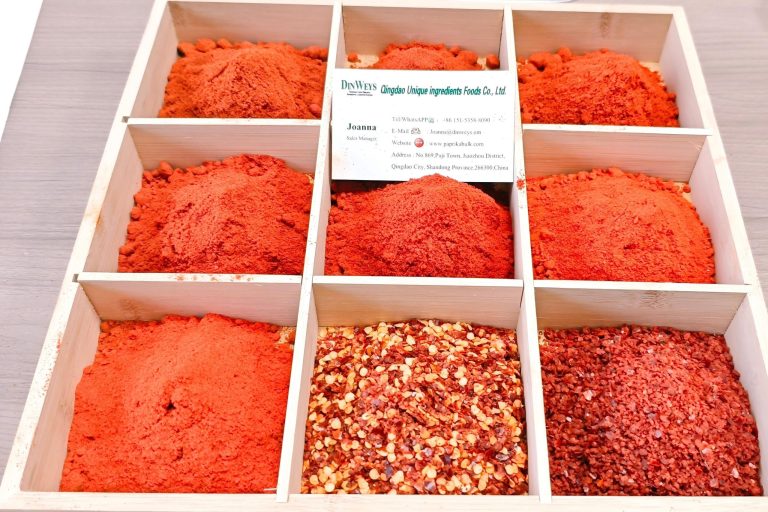
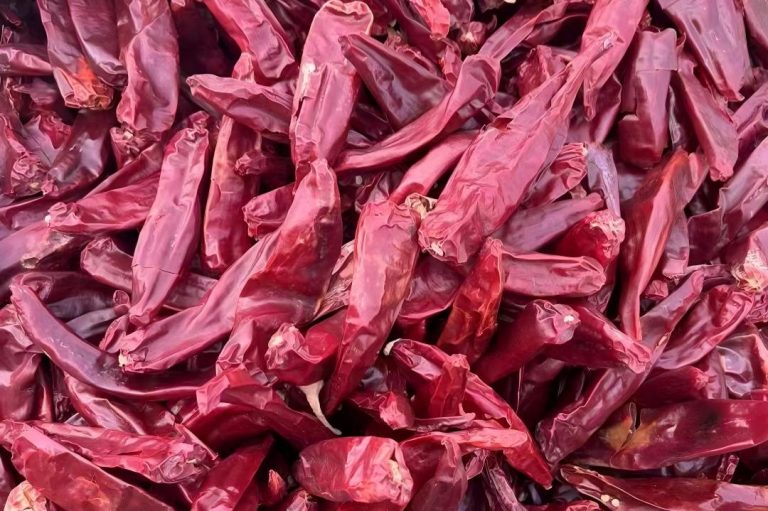
Paprika is a spice ingredient produced from dried red peppers that are cleaned, dried, milled, and screened into flakes or powder.
In food manufacturing, paprika is used primarily for:
- Color development
- Flavor enhancement
- Visual consistency
- Product standardization
Paprika is commonly used in:
- Seasoning blends
- Processed meats
- Sauces
- Snack coatings
- Ready meals
A simple way to think about paprika is like paint used in manufacturing. Different grades may look similar in the bag, but the color performance in the final product can be very different.
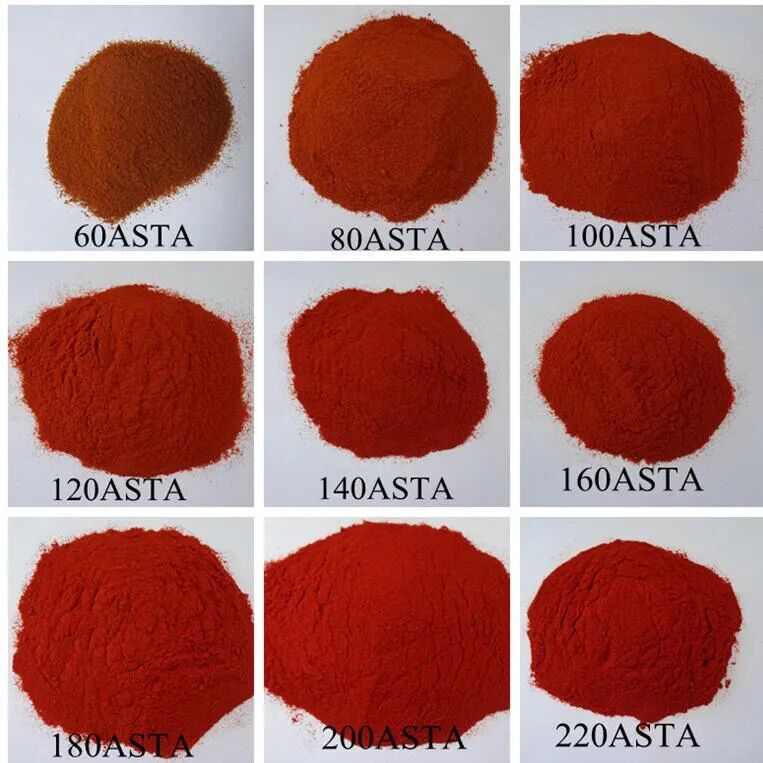
That is why buyers pay attention to specifications such as ASTA color value, moisture content, microbiological status, and residue compliance.
Real Supply Chain Reality
Most procurement problems do not happen because a supplier lacks certificates.
They happen because production reality differs from what the paperwork suggests.
A supplier may provide an excellent COA, a valid certificate, and a compliant test report. Yet the next shipment can still create problems if agricultural sourcing, cleaning procedures, or process controls are inconsistent.
One common example involves export and domestic production lines.
A supplier may manufacture some lots specifically for EU customers while simultaneously producing other grades for less demanding markets. If raw material segregation is weak, batch consistency becomes difficult to maintain.
Another common issue is testing frequency.
Some buyers assume that because a laboratory report exists, every shipment was tested to the same standard. In reality, testing plans vary significantly between suppliers.
A useful analogy is a hotel photograph shown online. The picture may accurately represent one room. That does not automatically mean every room in the building looks the same.
The same principle applies to COAs and certificates.
They confirm certain conditions at a specific point in time. They do not automatically describe day-to-day factory behavior.
Real sourcing risk often comes from:
- Agricultural variability between harvest seasons
- Inconsistent cleaning validation
- Shared production equipment
- Supplier changes in raw material sourcing
- Different testing frequencies between batches
- Weak traceability systems
For this reason, experienced buyers evaluate systems, not just documents.
What Buyers Should Check
Before approving a paprika supplier, verify:
- Whether laboratory reports are batch-specific or generic examples
- How frequently pesticide residue testing is performed
- Whether heavy metal testing covers all production lots or only selected batches
- Which production lines are used for export products
- Whether cleaning validation procedures are documented
- How raw materials are segregated between customer programs
- Whether traceability can identify farm, processing date, and shipment lot
- What corrective action process exists when specifications are exceeded
- Whether supplier audits included actual production observation or only document review
- Whether certifications are current and issued by recognized bodies
Remember:
A certificate is like a driver’s license. It confirms qualification. It does not prove how someone drives every day.
Global Sourcing Reality
European Union Suppliers
Strength
- Strong regulatory framework
- Mature documentation systems
- High buyer familiarity
- Extensive compliance culture
Risk
- Higher production costs
- Limited availability during some crop cycles
- Less flexibility for customized programs
Recommendation
Well suited for buyers prioritizing documentation consistency and established regulatory processes.
Chinese Suppliers
Strength
- Large-scale production capacity
- Broad ASTA range availability
- Flexible customization
- Competitive manufacturing economics
Risk
- Capability varies significantly between suppliers
- Export-focused and domestic-focused operations may differ considerably
- Verification of actual process controls becomes important
Recommendation
Evaluate individual suppliers rather than making assumptions based on country of origin. Many export-oriented Chinese producers operate to customer specifications that match international market requirements.
Global Procurement Perspective
Most multinational food companies do not choose suppliers based solely on geography.
They approve suppliers based on:
- Audit performance
- Traceability
- Testing programs
- Consistency
- Commercial reliability
The strongest supplier is usually the one that demonstrates repeatable performance, regardless of location.
Common Buyer Mistakes
Assuming All Paprika Is Essentially the Same
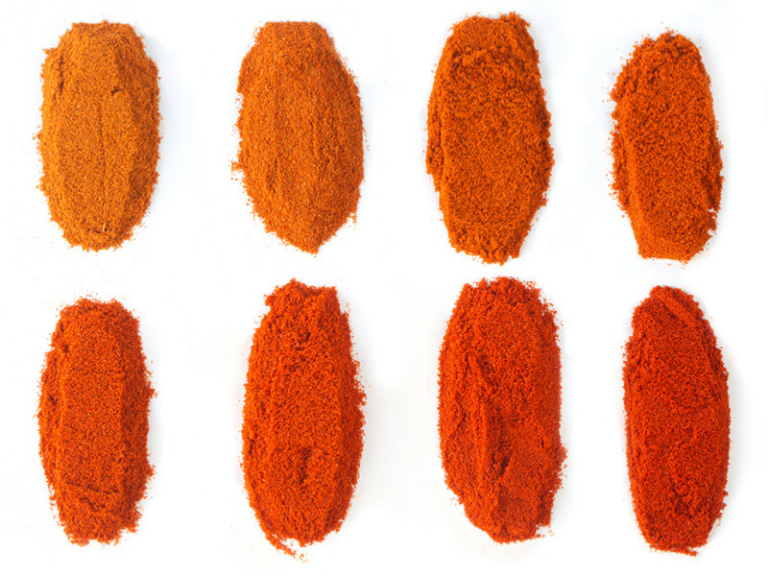
Two paprika powders can have identical labels but perform differently in production due to color strength, processing methods, or raw material selection.
Trusting Certificates More Than Systems
Certificates are valuable, but they represent snapshots.
A factory’s daily operating discipline is often more important than the certificate hanging on the wall.
Buying Only on Price
The lowest-cost offer can become the most expensive option if shipments require re-testing, reformulation, or customer complaints.
Ignoring Batch Variability
Some buyers approve a supplier after evaluating a single sample.
Production consistency matters far more than sample performance.
Buying based on one good sample is like hiring an employee based on a single interview without checking long-term performance.
Assuming Compliance Equals Quality
A compliant product may still create operational problems if color consistency, particle size, or flavor performance varies between lots.
Compliance and performance are related but not identical.
Frequently Asked Questions
Does compliance with Chinese standards automatically mean compliance with EU requirements?
Not necessarily.
Different markets may apply different limits or customer specifications. Buyers should verify compliance against destination-market requirements rather than relying solely on domestic standards.
Buyer Action: Request destination-market-specific compliance documentation.
Why do some suppliers pass one shipment but fail another?
Agricultural raw materials naturally vary between harvests, regions, and seasons.
Without strong process controls and supplier management, consistency can become difficult to maintain.
Buyer Action: Review historical batch data, not just one report.
Are certificates enough to qualify a supplier?
Certificates provide useful information but should not be the only qualification criterion.
They confirm compliance with certain standards but do not fully reflect daily factory operations.
Buyer Action: Combine certification review with supplier audits and batch verification.
Why is traceability important?
Traceability helps identify where ingredients originated and how they moved through production.
This becomes critical during customer complaints, recalls, or regulatory investigations.
Buyer Action: Verify traceability procedures during supplier approval.
Can two suppliers with the same ASTA value perform differently?
Yes.
ASTA measures color intensity, but processing methods and raw material quality can still influence performance.
Buyer Action: Conduct application trials before approval.
How important is pesticide residue testing?
Very important for export markets.
Residue compliance affects customs clearance, customer approval, and regulatory risk.
Buyer Action: Review testing scope and testing frequency.
What is the biggest hidden sourcing risk?
Inconsistent production practices.
Many quality issues originate from process variation rather than specification failures.
Buyer Action: Evaluate operational controls, not only specifications.
Why should buyers ask about cleaning validation?
Shared equipment can increase cross-contact risks.
A supplier may have good specifications but weak sanitation controls.
Buyer Action: Review cleaning validation procedures and production scheduling practices.
Should buyers prioritize the country or the supplier?
The supplier.
Country-level assumptions often overlook major differences between individual manufacturers.
Buyer Action: Evaluate supplier capability using evidence rather than geography.
Why do experienced buyers request multiple COAs?
A single COA shows one moment in time.
Multiple COAs reveal consistency.
Looking at one COA is like checking today’s weather. Looking at twelve months of data reveals the climate.
Buyer Action: Request reports from multiple production lots.
Summary
When comparing EU and China paprika standards, focus on supplier capability rather than country labels.
A compliant document does not always guarantee consistent production.
Strong suppliers demonstrate traceability, testing discipline, process control, and repeatable performance.
Review systems, not just certificates.
Think of supplier approval like buying a vehicle. The brochure may look impressive, but the real question is how reliably it performs every day on the road.
Need Additional Support?
If this article does not fully answer your technical or regulatory questions, contact our commercial team for direct support with detailed product specifications, lot-specific COA documents, regulatory compliance statements, allergen validation records, and custom packaging options.