
La paprika e il peperoncino in polvere sono la stessa cosa? Guida per i produttori alimentari all'approvvigionamento e alla formulazione
Snippet in primo piano
Sono paprika e peperoncino polvere lo stesso ingrediente?
No. Dal punto di vista della formulazione industriale, la paprika e il peperoncino in polvere svolgono funzioni completamente diverse. Paprika è una spezia composta da un unico ingrediente, ricavata dai peperoni rossi dolci (Capsicum annuum), utilizzato principalmente come colorante naturale e quantificato in unità di colore ASTA. Peperoncino in polvere è una miscela di spezie in commercio (che solitamente comprende peperoncini piccanti, cumino, aglio e origano) studiata appositamente per conferire piccantezza (misurata in SHU) e profili sensoriali complessi. Non possono essere utilizzate in modo intercambiabile senza alterare in modo sostanziale la consistenza del prodotto finito.
La differenza molecolare e funzionale nelle scienze alimentari
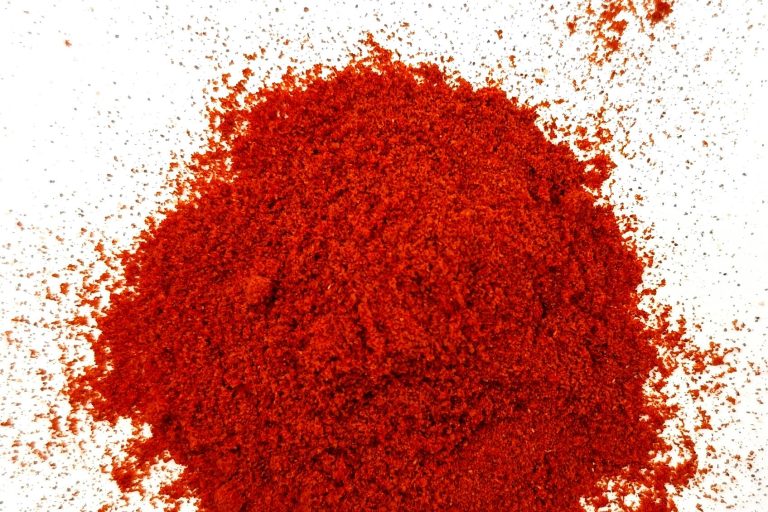
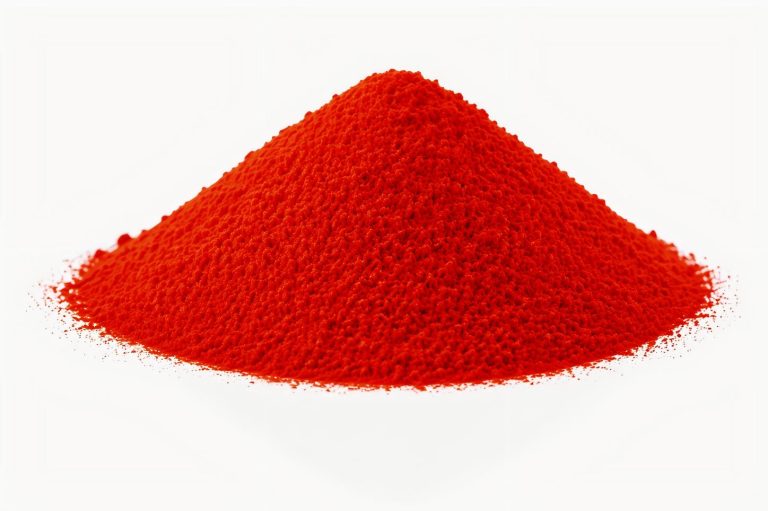
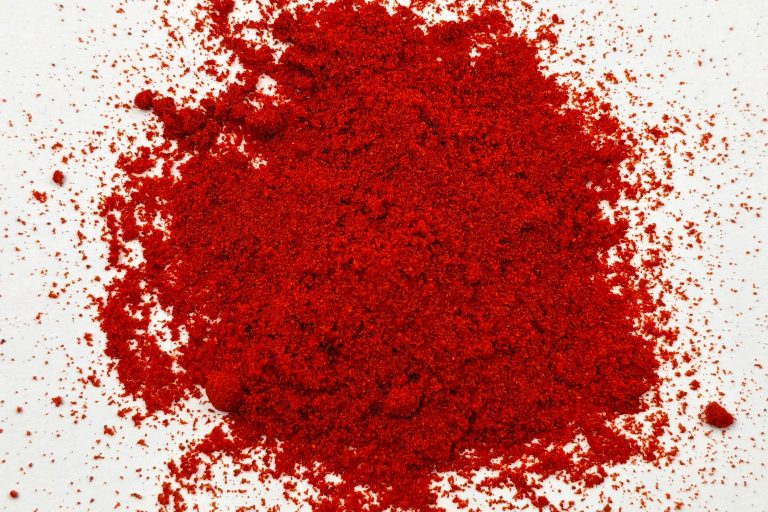
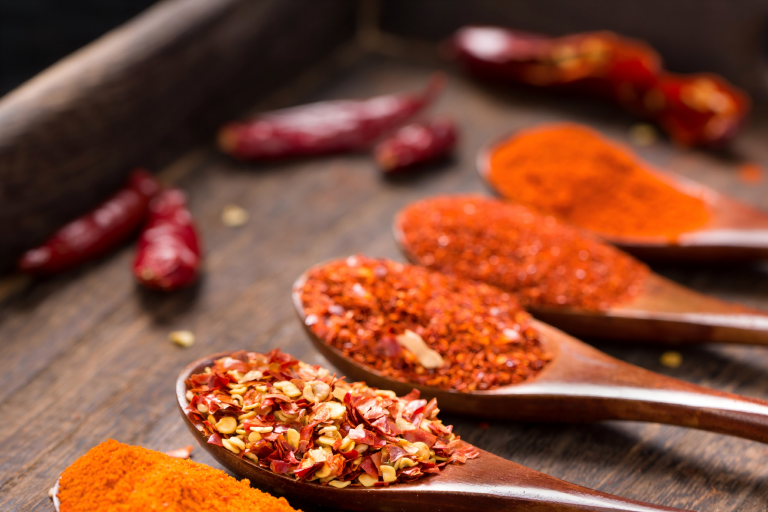
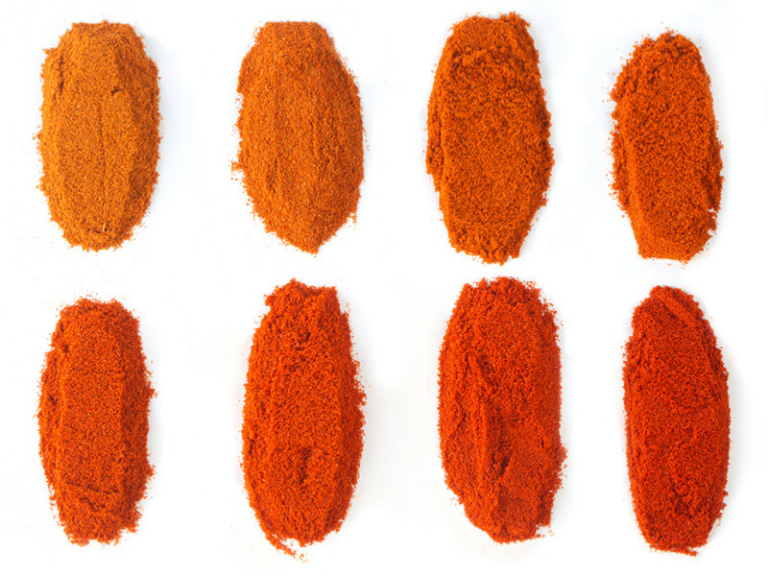
A prima vista, la paprika in polvere disponibile in commercio e il peperoncino in polvere sfuso sembrano quasi identici, poiché entrambi sono prodotti a base di peperoncino rosso macinato finemente. Tuttavia, per le aziende di trasformazione alimentare industriale, si collocano ai due estremi opposti dello spettro delle formulazioni: la paprika funge principalmente da colorante naturale ed esaltatore di sapidità, mentre il peperoncino in polvere funge da miscela di spezie che genera calore.
La differenza inizia a livello biochimico:
- Paprika in polvere: Contiene concentrazioni trascurabili di capsaicinoidi (gli alcaloidi responsabili del piccante). È invece ricco di pigmenti carotenoidi liposolubili, in particolare capsantina, capsorubina, zeaxantina e 1,4,7,10,13,16-tetrametil-beta-carotene—che conferiscono quella caratteristica colorazione che va dal rosso vivo all'arancione intenso, tanto apprezzata dai produttori alimentari.
- Miscele di peperoncino in polvere: Il loro profilo sensoriale deriva da livelli più elevati di capsaicina, combinati con diverse spezie aromatiche che apportano i composti volatili responsabili delle note di testa terrose, affumicate e sapide.
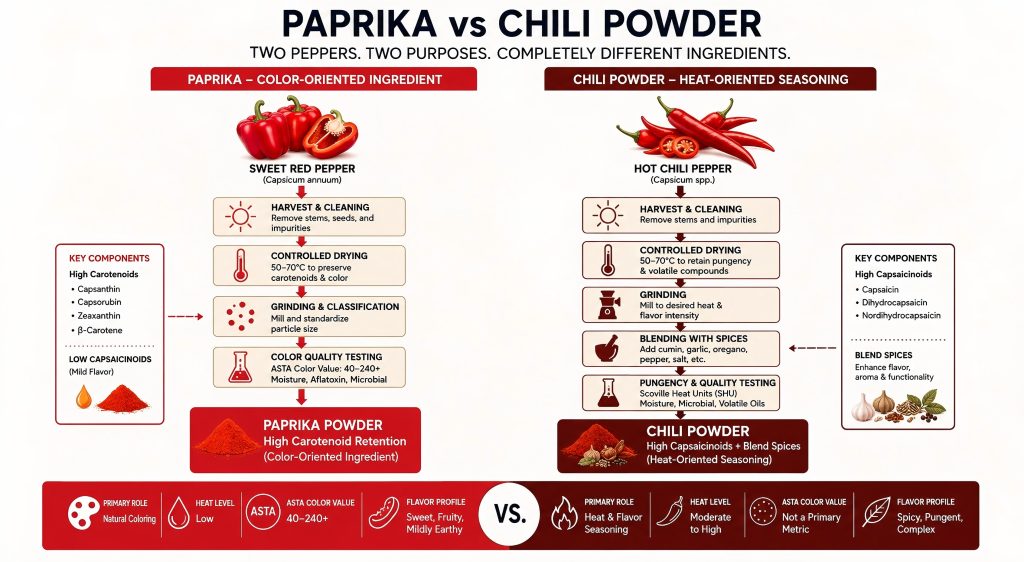
Un ottimo esempio nel campo della produzione è quello di paragonare la paprika e il peperoncino in polvere a pigmenti per vernici contro carburante per motori. La paprika conferisce un forte impatto visivo e una delicata nota dolce, proprio come il pigmento determina l'aspetto della vernice. Il peperoncino in polvere offre una stimolazione sensoriale attraverso il piccante, proprio come il carburante alimenta un motore. Questa distinzione diventa fondamentale nella formulazione di salumi, snack, salse e miscele di spezie, dove l'uniformità del colore e l'intensità del piccante devono essere controllate come variabili indipendenti.
Paprika vs. peperoncino in polvere: tabella comparativa del settore
Nota sulla mitigazione dei rischi di approvvigionamento:
Uno degli errori più comuni nell'approvvigionamento internazionale di ingredienti si verifica quando gli acquirenti ritengono che la paprika possa sostituire direttamente il peperoncino in polvere, o viceversa, per ridurre i costi. In realtà, sostituire la paprika con il peperoncino in polvere comporta livelli di piccantezza non calibrati, mentre sostituire il peperoncino in polvere con la paprika riduce la piccantezza desiderata e altera la complessità aromatica del prodotto finale.
Hai bisogno di valutare la distribuzione granulometrica esatta, le dichiarazioni relative agli allergeni o le specifiche microbiologiche per il tuo prossimo produzione funziona?
Indicatori di approvvigionamento: perché i produttori alimentari li trattano in modo diverso
Le aziende di trasformazione alimentare industriale valutano la paprika e il peperoncino in polvere utilizzando criteri di controllo qualità (QC) completamente diversi.
Mentre i fornitori di peperoncino in polvere vengono spesso valutati in base a Unità di piccantezza Scoville (SHU), la consistenza della miscela di spezie e il contenuto di oli essenziali, i fornitori di paprika di alta qualità vengono valutati rigorosamente in base a Valore cromatico ASTA, contenuto di umidità, attività dell'acqua ($a_w$), stato microbiologico e stabilità cromatica durante lo stoccaggio.
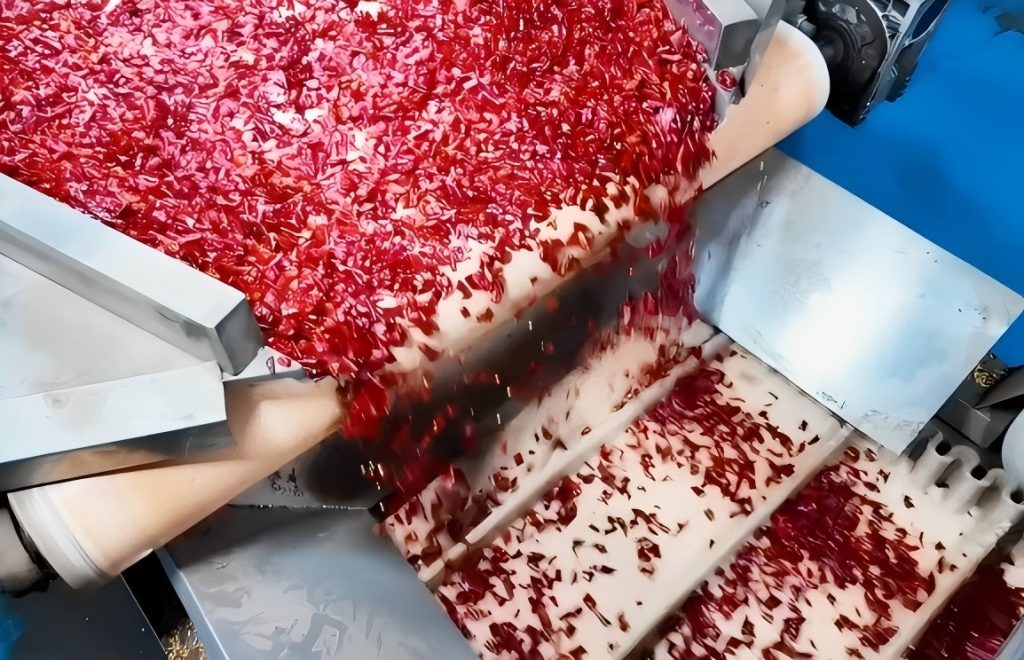
Un moderno impianto di produzione di paprika orientato all'esportazione segue in genere un flusso di lavoro di convalida altamente controllato per garantire la ripetibilità tra i lotti:
- Raccolta e selezione dei peperoni freschi: Eliminazione dei difetti che causano la comparsa di macchie di colore anomalo.
- Pulizia meccanica e sanificazione: Riduzione della carica microbica iniziale.
- Disidratazione controllata (50–70 °C): Cinetica ottimizzata per prevenire la degradazione termica dei carotenoidi.
- Macinazione e classificazione granulometrica: Ottenere maglie di dimensioni uniformi per una rapida dispersione nelle matrici alimentari.
- Test cromatometrici e spettrofotometrici ASTA: Standardizzazione dell'intensità del colore dei lotti.
- Convalida microbica e screening di sicurezza: Garantire il rispetto delle normative internazionali in materia di importazione.
- Imballaggi con barriera all'ossigeno: Lavaggio con azoto per prevenire l'ossidazione post-lavorazione.
Fattori tecnici avanzati per il mantenimento del valore della paprika:
- Cinetica della disidratazione controllata per preservare i pigmenti naturali.
- Gestione dell'attività dell'acqua ($a_w$) per evitare la formazione di grumi e la proliferazione microbica.
- Resistenza all'ossidazione dei carotenoidi in condizioni di temperatura di stoccaggio difficili.
- Distribuzione granulometrica precisa (dimensione delle maglie) per ottenere una miscelazione omogenea nelle miscele secche.
Una realtà del settore spesso trascurata dai team di approvvigionamento è che produrre paprika rosso vivo in fabbrica è relativamente semplice; Mantenere esattamente lo stesso valore cromatico ASTA per un periodo compreso tra i 12 e i 24 mesi, durante il trasporto internazionale, lo stoccaggio in magazzino e l'esposizione durante la durata di conservazione, è notevolmente più difficile. Il vero valore commerciale della paprika di alta qualità risiede nella sua capacità di mantenere la stabilità del colore lungo complesse catene di approvvigionamento internazionali.
Conformità globale, tracciabilità e certificazioni
Quando si acquistano ingredienti alimentari all'ingrosso per marchi internazionali, la conformità normativa è un requisito imprescindibile. Le catene di approvvigionamento industriali devono andare oltre i semplici parametri di prezzo per verificare che gli stabilimenti applichino rigorosi controlli dei rischi.
Le aziende leader nel settore della lavorazione della paprika e delle spezie svolgono regolarmente le seguenti attività:
- Screening per l'aflatossina e l'ocratossina A: Fondamentale per il rispetto dei rigorosi limiti imposti dall'Unione Europea e dalla FDA.
- Convalida dei residui di pesticidi: Garantire livelli non rilevabili o conformi tramite gascromatografia-spettrometria di massa (GC-MS).
- Rilevamento di metalli pesanti: Sistemi di rilevamento metalli in linea con magneti e multifrequenza per eliminare i rischi fisici.
- Certificazioni internazionali: Conformità verificata con HACCP, ISO 22000, BRCGS, Halal e Kosher requisiti di produzione.
Domande frequenti
La paprika può sostituire il peperoncino in polvere nelle formulazioni commerciali?
No. La paprika può conferire un colore rosso intenso e lievi note di peperoncino, ma non contiene la capsaicina né il complesso profilo aromatico erbaceo e sapido (derivante da cumino, aglio e origano) necessario per riprodurre le miscele commerciali di peperoncino in polvere.
La paprika è sempre dolce?
No. Anche se standard La paprika commerciale è ottimizzata per il colore e presenta una piccantezza minima, mentre alcune varietà specifiche, come la paprika piccante (paprika piccante) o paprika affumicata (paprika) possono contenere livelli misurabili di capsaicinoidi e fornire un calore percepibile oltre al colore.
Qual è l'ingrediente migliore per i coloranti alimentari industriali?
La paprika in polvere è la scelta migliore. Grazie all'elevata concentrazione di pigmenti carotenoidi naturali, è uno dei coloranti rossi naturali "clean label" più utilizzati nell'industria alimentare mondiale, in particolare per i prodotti a base di carne e i rivestimenti degli snack.
Perché a volte il peperoncino in polvere sembra identico alla paprika?
Entrambi i prodotti presentano una composizione chimica dei pigmenti simile, derivata dal Peperone famiglia. La somiglianza visiva è ingannevole e non è correlata al contenuto di capsaicina, alle percentuali di oli volatili, al profilo aromatico o alla funzionalità industriale.
Quali sono i parametri a cui gli acquirenti industriali danno maggiore importanza quando acquistano paprika all'ingrosso?
Gli acquirenti professionali danno la priorità a Valore cromatico ASTA, contenuto di umidità (in genere <11%), attività dell'acqua, parametri di sicurezza microbica, conformità ai limiti di pesticidi e indicatori comprovati di ritenzione del colore piuttosto che dall'intensità del calore. Questi fattori determinano direttamente l'aspetto del prodotto finito e la sua stabilità durante la conservazione.