Teil der Paprika in der industriellen Lebensmittelherstellung Leitfaden – ein umfassender Überblick über Paprika Anwendungen in der gesamten Lebensmittelindustrie.
Paprika in Soßen, Suppen und Gewürzmischungen: Ein Leitfaden zur industriellen Rezepturentwicklung
Die heimliche Zutat der internationalen Küche
Paprika ist eine der am häufigsten verwendeten Zutaten in der weltweiten Gewürz- und Soßenindustrie. Von amerikanischer BBQ-Soße bis hin zu koreanischem Gochujang, von ungarischer Gulaschgewürzmischung bis hin zu Gewürzmischungen aus dem Nahen Osten – Paprika verleiht unzähligen handelsüblichen Produkten ihre charakteristische Farbe und Süße.
Für industrielle Hersteller spielt Paprika bei der Herstellung von Soßen und Gewürzmischungen drei entscheidende Rollen:
- Grundfarbträger — Legt die visuelle Identität des Endprodukts fest
- Geschmacksgrundlage — Verleiht eine milde Süße mit erdigen Noten
- Textur-Beitragender — Dient in bestimmten Anwendungsbereichen als natürliches Verdickungsmittel und Suspensionshilfsmittel
Herstellung von Paprika in Soße
Saucen auf Tomatenbasis (BBQ, Pasta, Pizza)
Paprika ist der am häufigsten verwendete sekundäre Farbstoff in Saucen auf Tomatenbasis; er verstärkt den Rotton, ohne das Geschmacksprofil wesentlich zu verändern:
| Soßensorte | Paprika-Form | Empfohlene Klassenstufe | Nutzungsrate | Funktion |
|---|---|---|---|---|
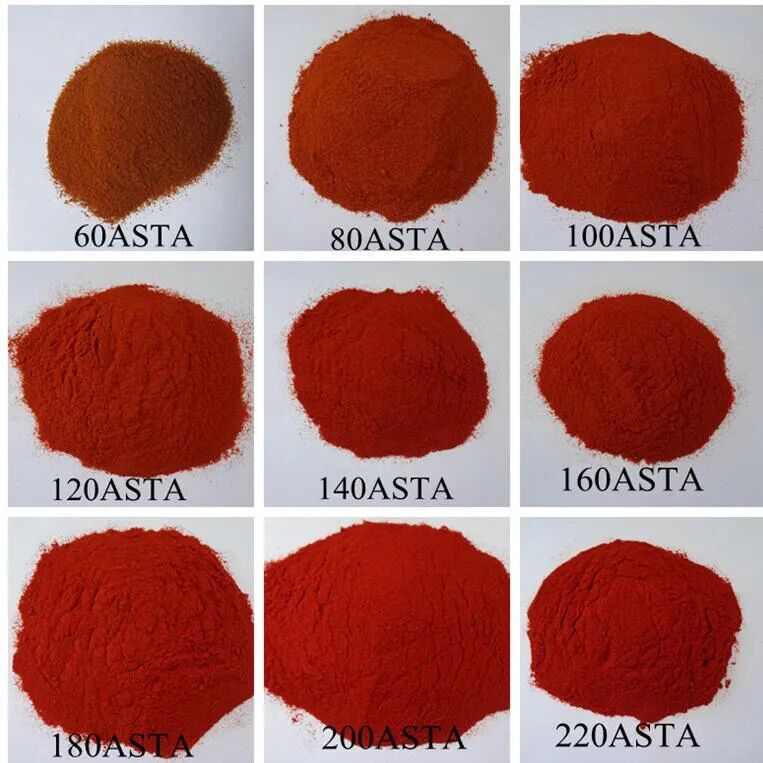
| BBQ-Sauce | Paprikapulver | ASTA 80–100 | 0.5–2.0% | Farbverstärkung + süßer Geschmack |
| Nudelsauce | Oleoresin (E160c) | 40.000–80.000 CU | 0.005–0.02% | Verstärkung der roten Farbe ohne Änderung der Textur |
| Pizzasoße | Paprikapulver | ASTA 80–100 | 0.3–1.0% | Optische Einheitlichkeit mit anderen Pizzerien |
| Ketchup | Oleoresin | 40.000 CU | 0.005–0.015% | Natürlicher roter Farbstoff für die Tomatenfarbe |
Tipp zur Formulierung: Bei der Verwendung von Paprikapulver in Saucen mit hohem Säuregehalt (pH-Wert 3,5–4,5) bleibt die Farbe über die gesamte Haltbarkeitsdauer (18–24 Monate) hinweg stabil. Bei Saucen, die in durchsichtigem Glas aufbewahrt werden, sollten Sie jedoch Oleoresin in Betracht ziehen – es bietet eine bessere Lichtbeständigkeit als Pulver.
Saucen auf Ölbasis (Dressings, Marinaden, Aioli)
In Systemen auf Ölbasis verteilen sich die öllöslichen Pigmente des Paprikas auf natürliche Weise gleichmäßig:
- Vinaigrette-Dressings: Paprikapulver in einer Konzentration von 0,5–1,51 TP3T, suspendiert in der Ölphase
- Marinadenkonzentrate: Oleoresin in einer Menge von 0,01–0,051 TP3T für eine gleichmäßige Färbung des gesamten Fleisches
- Mayonnaise/Aioli: Paprikapulver in einer Menge von 0,3–1,01 TP3T zur Optimierung von Aussehen und Geschmack
- Chili-Öl: Grob Paprikaflocken bei 2–5% sowohl hinsichtlich der Farbabgabe als auch der optischen Wirkung
Asiatische und ethnische Soßen
Paprika findet zunehmend Verwendung bei der Herstellung asiatischer Soßen:
| Soße | Anwendung | Empfohlen von ASTA |
|---|---|---|
| Süße Chilisauce | Ausgewogenes Verhältnis von Farbe und milder Wärme | ASTA 80–100 |
| Nach Gochujang-Art | Rote Grundfarbe | ASTA 100–120 |
| Curry-Soßenbasis | Farbgrundierung | ASTA 80–100 |
| Nach Sriracha-Art | Rote Farbe + Geschmack | ASTA 80–100 (Pulver) + Oleoresin-Zusatz |
Paprika bei der Suppenherstellung
Instant-Suppenmischungen (trocken)
Bei Trockensuppenmischungen wird Paprikapulver direkt untergemischt:
- Nutzungsrate: 0,5–3,01 TP3T des Trockengutgewichts
- Partikelgröße: Feine Mahlung (60–80 Mesh) für eine schnelle Rehydrierung
- Mischreihenfolge: Paprika vor dem Mischen mit Trennmitteln (Siliciumdioxid 0,5–1,0%) vermischen, um eine Entmischung zu verhindern
- Haltbarkeit: Die Farbe bleibt in Aluminiumfolienbeuteln 12–18 Monate lang erhalten
Gängige Verwendungsmöglichkeiten von Paprika in Trockensuppen:
- Tomatensuppenbasis
- Gemüsesuppenmischung
- Gulaschsuppen-Gewürzmischung
- Ramen-/Nudel-Gewürzpulver
- Bouillon- und Brühepulver
Flüssige und eingedickte Suppen
- Paprikapulver: 0,3–1,01 TP3T – verleiht Farbe und sorgt für eine leichte Verdickung
- Paprika-Oleoresin: 0,005–0,021 TP3T – nur Farbe, keine Auswirkungen auf die Textur
- Ergänzung: Gegen Ende des Garvorgangs, um die Hitzeeinwirkung zu minimieren
- Stabilität in der Retorte: Die Paprikafarbe bleibt nach der Autoklavierung zu 70–85% erhalten
Tiefgefrorene Suppengrundlagen
- Vorteil hinsichtlich der Stabilität: Die Paprikafarbe übersteht Frost-Tau-Zyklen mit minimalem Qualitätsverlust
- Empfohlene Form: Oleoresin für flüssige Grundzutaten; Pulver für die trockene Komponente von Tiefkühlgerichten
Paprika in der Herstellung von Gewürzmischungen
Gewürzmischungen stellen mengenmäßig den größten kommerziellen Anwendungsbereich für Paprikapulver dar. Zu verstehen, wie Paprika mit anderen Zutaten zusammenwirkt, ist entscheidend für ein gleichbleibendes Produktion.
Die Rolle von Paprika in Gewürzmischungen
| Funktion | Wie Paprika dazu beiträgt | Optimale Eigenschaften |
|---|---|---|
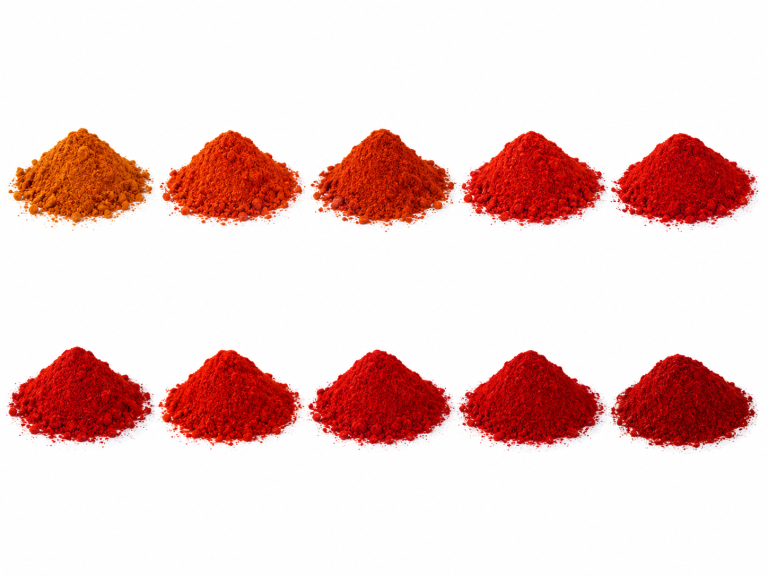
| Farbbasis | Bestimmt den allgemeinen visuellen Charakter der Mischung | ASTA 80–120 |
| Geschmacksbrücke | Eine milde Süße, die herzhafte und würzige Noten miteinander in Einklang bringt | Frische – nicht abgestanden oder oxidiert |
| Strömungsmodifikator | Beeinflusst die Fließfähigkeit des Pulvers in Abfüllanlagen | Feuchtigkeit ≤ 10%, Trennmittel bei 0,5% |
| Optische Anzeige | Vermittelt dem Verbraucher den “Gewürzgehalt” | Sichtbarer roter Fleck in mehrfarbigen Mischungen |
Wichtige Überlegungen zur Interaktion
Salz: Paprikamischungen mit Salz (das hygroskopisch ist) erfordern eine sorgfältige Feuchtigkeitskontrolle. Lagern Sie die Gewürzmischungen bei einer relativen Luftfeuchtigkeit von < 45%, um Verklumpen und Farbverlagerungen zu vermeiden.
Säurehaltige Zutaten (Zitronensäure, Zitronenpulver): Säure stabilisiert die rote Farbe von Paprika. Mischungen, die Zitronensäure enthalten, weisen oft eine bessere Farbbeständigkeit auf.
Trägerstoffe auf Zuckerbasis: Dextrose und Maltodextrin schwächen die Farbintensität von Paprika ab. Gleicht dies aus, indem Sie bei der Mischung mit Zuckerträgern, deren Anteil in der Rezeptur über 25% liegt, eine um 20–30% höhere ASTA-Qualität verwenden.
Synergieeffekt der Antioxidantien: Die Zugabe von 0,01–0,02% Rosmarinextrakt oder gemischten Tocopherolen zu paprikahaltigen Mischungen verlängert die Farbstabilität um 30–50%.
Anwendungsspezifische Würzmittelrezepturen
Klassische BBQ-Gewürzmischung (trocken)
| Zutat | Prozent |
|---|---|
| Paprikapulver (ASTA 120) | 35% |
| Brauner Zucker | 25% |
| Salz | 15% |
| Schwarzer Pfeffer | 8% |
| Knoblauchpulver | 6% |
| Zwiebelpulver | 5% |
| Senfpulver | 3% |
| Cayennepfeffer | 2% |
| Siliciumdioxid | 1% |
Cajun-Gewürzmischung
| Zutat | Prozent |
|---|---|
| Paprikapulver (ASTA 100) | 30% |
| Salz | 20% |
| Knoblauchpulver | 12% |
| Zwiebelpulver | 10% |
| Schwarzer Pfeffer | 8% |
| Cayenne | 6% |
| Oregano | 5% |
| Thymian | 4% |
| Weißer Pfeffer | 5% |
Gewürzmischung nach Dukkah-Art aus dem Nahen Osten
| Zutat | Prozent |
|---|---|
| Paprikapulver (ASTA 100) | 25% |
| Geröstete Sesamkörner | 20% |
| Koriandersamen (gemahlen) | 18% |
| Kreuzkümmel (gemahlen) | 15% |
| Schwarzer Pfeffer | 10% |
| Salz | 8% |
| Minze (getrocknet) | 4% |
Mexikanische Adobo-Gewürzmischung
| Zutat | Prozent |
|---|---|
| Paprikapulver (ASTA 80–100) | 40% |
| Knoblauchpulver | 15% |
| Oregano (mexikanisch) | 12% |
| Kreuzkümmel | 10% |
| Schwarzer Pfeffer | 8% |
| Salz | 8% |
| Chipotle-Pulver | 5% |
| Lorbeerblatt (gemahlen) | 2% |
Qualitätsspezifikationen für Soßen- und Gewürzanwendungen
| Parameter | Spezifikation | Risiko bei Nichteinhaltung |
|---|---|---|
| Feuchtigkeit | ≤ 10% | Verklumpung in Gewürzmischungen, Mikrobenwachstum bei der Lagerung |
| ASTA-Konsistenz | ±5 Punkte pro Los | Farbabweichungen zwischen den einzelnen Chargen des Endprodukts |
| Partikelgröße | 95% durch ein bestimmtes Sieb | Uneinheitliche Durchmischung, Entmischung während des Transports |
| Peroxidzahl (PV) | ≤ 10 meq/kg im gelagerten Pulver | Entstehung eines ranzigen Geschmacks, der die Qualität der Soße beeinträchtigt |
| Aerobe Keimzahl | ≤ 10.000 KBE/g | Mögliche Verderbnis in hydratisierten Soßensystemen |
| Hefe und Schimmel | ≤ 100 KBE/g | Sichtbarer Schimmelbefall in verpackten Trockenmischungen |
Warum Hersteller chinesischen Paprika für Soßen und Gewürzmischungen wählen
Maßstab für die globale Lebensmittelindustrie
Chinas Infrastruktur zur Paprikaverarbeitung, deren Zentrum der Industriepark Jiaolai in der Provinz Shandong bildet, produziert Mengen, mit denen kein anderer Herkunftsort mithalten kann. Für multinationale Hersteller von Soßen und Gewürzen, die mit kontinuierlich laufenden Produktionslinien arbeiten, bedeutet diese Größenordnung:
- Einheitliche Preisgestaltung — Keine saisonalen Engpässe, die eine Umstellung in letzter Minute erzwingen
- Ganzjährige Verfügbarkeit — Die Verarbeitungsbetriebe halten einen Rohstoffvorrat für 6–8 Monate vor.
- Maßgeschneiderte Verarbeitung — Spezielle Mahlgrade, Mischdienstleistungen und Verpackungsformate
Kostengünstige Farbwiedergabe
Dinweys® Qingdao bietet Paprikapulver zu einem ASTA-Kosten-Verhältnis an, das in der Regel 15–30% günstiger als europäische Herkunft, ohne dabei an Konsistenz einzubüßen.
Technische Partnerschaft
Über den Preis hinaus bieten chinesische Paprika-Lieferanten zunehmend technische Unterstützung an:
- Individuelle ASTA-Anpassung — Wir passen die Beschaffung der Rohstoffe an, um Ihre Farbvorgaben zu erfüllen
- Mischungsoptimierung — Vorgemischte Paprikamischungen + Trägersysteme zur direkten Beimischung
- Begleitschein bei jeder Sendung — Vollständige Dokumentation der mikrobiologischen und chemischen Analysen
Bewährte Verfahren für Lagerung und Haltbarkeit
So nutzen Sie Paprika optimal in Soßen, Suppen und Gewürzmischungen:
- Paprika unter 25 °C lagern — Mit jedem Anstieg um 10 °C über 20 °C verdoppelt sich die Geschwindigkeit des Farbverlusts
- Halten Sie die relative Luftfeuchtigkeit unter 55% — Verhindert Verklumpen und Farbübertragung in Mischungen
- Innerhalb von 12 Monaten nach Herstellung verbrauchen — Bei sachgemäßer Lagerung nimmt der ASTA-Farbwert jährlich um etwa 5–10% ab
- Direktes Licht vermeiden — UV-Strahlung führt zum Abbau von Carotinoid-Pigmenten; verwenden Sie für die Lagerung großer Mengen undurchsichtige Verpackungen
Dinweys® Qingdao liefert Paprikapulver und -flocken in ASTA-Qualität an Soßenhersteller, Suppenhersteller und Gewürzhersteller weltweit. Kontaktieren Sie uns unter technisches Vertriebsteam für Muster, Datenblätter und kundenspezifische Rezepturen.
Weiterführende Ressourcen: