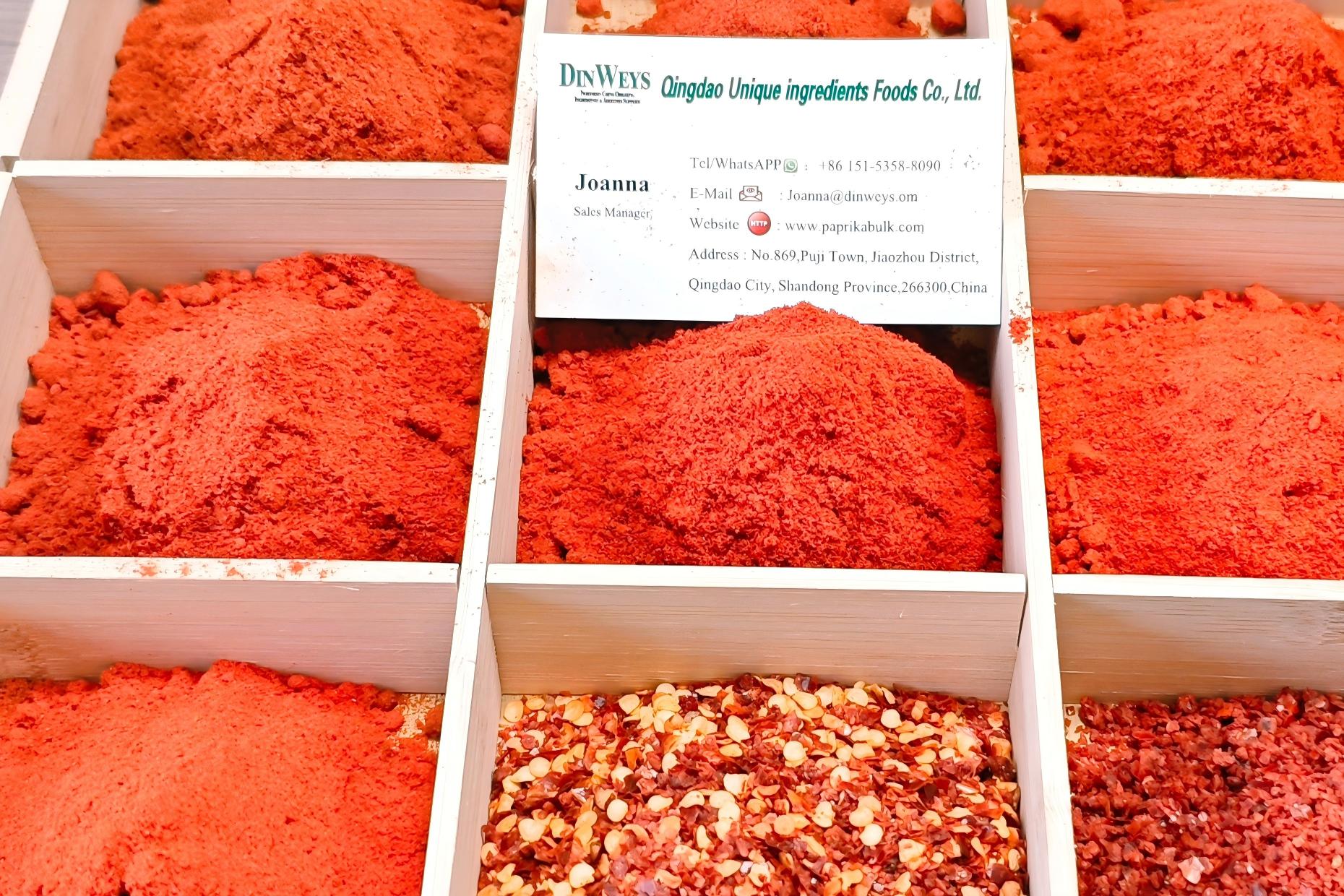
Paprika in Gewürzmischungen für Snacks: Industrielle Anwendungen und Leitfaden zur Rezepturentwicklung
Die Milliarden-Dollar-Verbindung: Paprika und Snacks
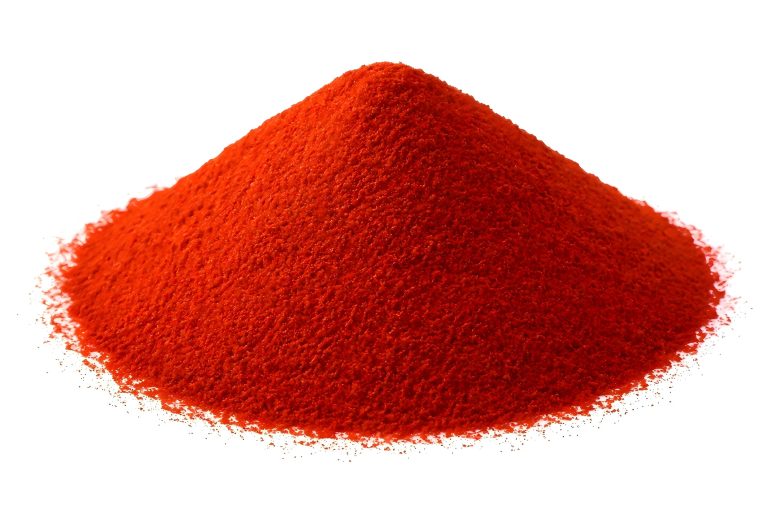
Der weltweite Markt für herzhafte Snacks überschritt 310 Milliarden US-Dollar im Jahr 2025, wobei gewürzte Snacks das am schnellsten wachsende Segment darstellen. Paprika ist eine der vielseitigsten und am häufigsten verwendeten Würzzutaten in allen Snackkategorien – von klassischen Kartoffelchips bis hin zu extrudierten Maissnacks, von Puffreis-Snacks bis hin zu Nussüberzügen.
Für Snackhersteller bietet Paprika drei wesentliche Eigenschaften:
- Optische Attraktivität — Die leuchtend rot-orange Farbe regt im Einzelhandel den Appetit an
- Milder, angenehmer Geschmack — Anders als Chili Pulver, Paprika sorgt für Farbe, ohne dabei zu scharf zu sein
- Kompatibilität mit „Clean Label“-Anforderungen — Die Auflistung natürlicher Gewürze spricht gesundheitsbewusste Verbraucher an
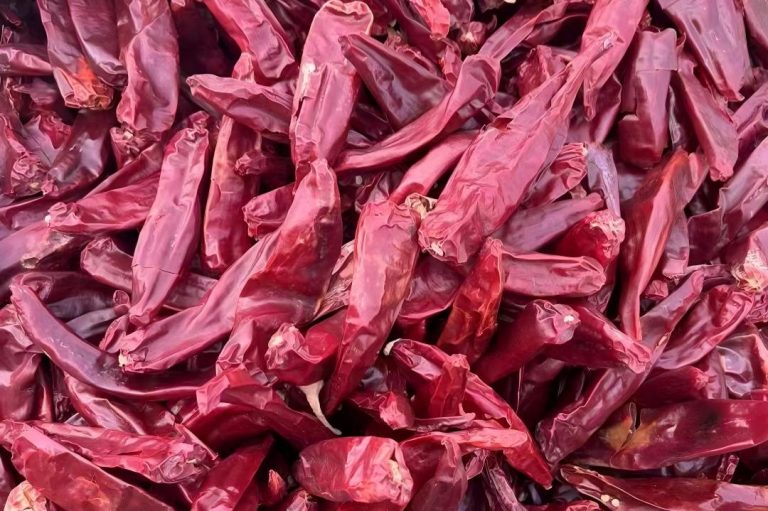
China hat sich zum weltweit führenden Lieferanten von Paprikapulver für die Snack-Gewürzindustrie entwickelt und bietet in großem Maßstab Produkte mit gleichbleibender ASTA-Qualität an.
ASTA-Farbvorgaben nach Snack-Kategorie
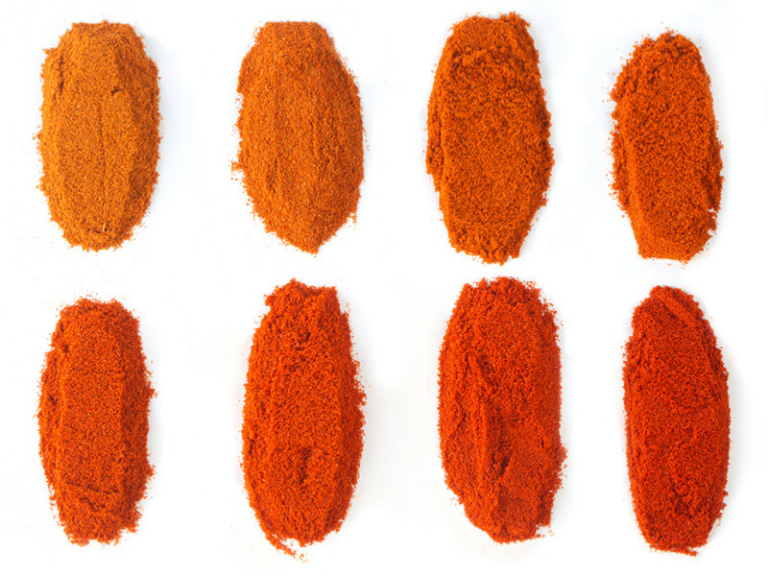
Unterschiedliche Snackformate erfordern je nach Oberfläche, Verarbeitungstemperatur und gewünschter optischer Wirkung unterschiedliche ASTA-Qualitäten:
| Kategorie „Snacks“ | Empfohlen von ASTA | Wichtige Überlegungen |
|---|---|---|
| Kartoffelchips (frittiert) | 100–120 | Die Hitzeeinwirkung beim Frittieren kann zu Farbveränderungen führen; ein höherer ASTA-Wert gleicht dies aus. |
| Gebackene Chips | 80–100 | Bei niedrigeren Verarbeitungstemperaturen bleibt die Farbe besser erhalten |
| Extrudierte Snacks | 120–150 | Eine große Oberfläche erfordert eine intensive Färbung; eine feine Partikelgröße wird empfohlen |
| Puffmais-/Käse-Snacks | 80–100 | Durch das Mischen mit Käsepulver lässt sich ein niedrigerer ASTA-Wert kaschieren. |
| Überzüge für Nüsse und Samen | 100–120 | Für die Trockenhaftung ist eine bestimmte Partikelgröße erforderlich (60–80 Mesh) |
| Reis-/Getreidesnacks | 80–100 | Wird oft mit anderen Gewürzen gemischt; moderate Färbung erforderlich |
| Tortilla-Chips | 80–120 | Sowohl das Einarbeiten in den Teig als auch das Bestreuen der Oberfläche |
Anwendungsmöglichkeiten für Paprikawürze
1. Trockenabstauben (Haftung an der Oberfläche)
Die gängigste Methode für gewürzte Snacks. Nach dem Garen wird gemahlener Paprika auf die Oberfläche der Snacks gestreut:
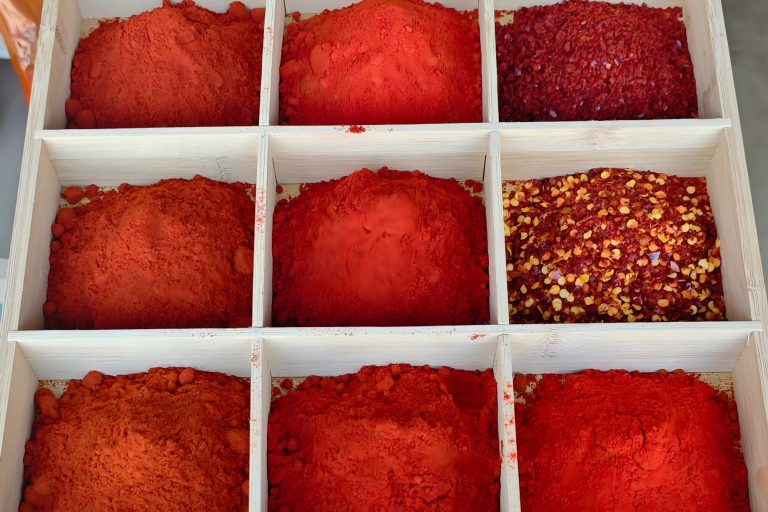
- Anforderungen an die Partikelgröße: 60–80 Mesh (0,18–0,25 mm) für optimale Haftung
- Haftvermittler: Ölspray (3–8% des Snackgewichts) oder Klebstoffe auf Stärkebasis
- Ausbringmenge: 1,5–51 TP3T des Gewichts des Endprodukts
- Am besten geeignet für: Kartoffelchips, Tortilla-Chips, extrudierte Snacks
Tipp zur Beschaffung: Chinesische Paprika-Lieferanten wie Dinweys® Qingdao bieten maßgeschneiderte Mahlgrößen an, die speziell für Anwendungen im Bereich der Trockenhaftung optimiert sind.
2. Einarbeitung des Teigs
Paprika wird vor dem Garen direkt in den Teig oder den Rührteig untergemischt:
- Partikelgröße: Feine Mahlung (80–100 Mesh) für eine gleichmäßige Verteilung
- Ausbringmenge: 0,5–31 TP3T des Teiggewichts
- Am besten geeignet für: Tortilla-Chips, Cracker, gebackene Snack-Kügelchen
- Warnung: Höhere Temperaturen beim Backen/Frittieren können zu einem Farbverlust von bis zu 30% führen – verwenden Sie hochwertige ASTA-Qualitäten, um dies auszugleichen
3. Gewürzmischungen (Fertigmischungen)
Paprika wird zu Gewürzmischungen verarbeitet:
- Typisches Mischungsverhältnis: 15–40% der Gesamtgewürzmischung
- Passende Gewürze: Knoblauchpulver, Zwiebelpulver, Kreuzkümmel, schwarzer Pfeffer, Zucker, Salz, Zitronensäure
- Überlegungen zur Stabilität: Paprika in Gewürzmischungen sollte bei Temperaturen unter 25 °C und vor direktem Lichteinfall geschützt gelagert werden, um ein Ausbleichen der Farbe zu verhindern.
Reines Paprikapulver vs. Paprikamischungen als Snackgewürz
Viele handelsübliche Snackgewürzmischungen mit “Paprika-Geschmack” sind in Wirklichkeit Mischungen. Das Verständnis dieses Unterschieds hilft Einkäufern dabei, Kosten und Leistung zu optimieren:
| Typ | Zusammensetzung | ASTA-Äquivalent | Kostenindex | Anwendung |
|---|---|---|---|---|
| Reines Paprikapulver | 100% Masse Capsicum annuum | 80–150+ | 1.0x | Premium-Produkte, Clean Label |
| Paprika-Dextrose-Mischung | 70–85% Paprika + Zucker-Träger | 60–100 | 0.7x | Spar-Chips, Gewürze in Großpackungen |
| Paprika + Maltodextrin | 60–80% Paprika + Trennmittel | 50–80 | 0.6x | Extrudierte Snacks, Trockenmischungen |
| Paprika-Oleoresin auf Trägerstoff | 5–15%-Oleoresin auf Salz/Dextrose | 80–200+ (einstellbar) | 1.3–1.8x | Präzise Farbsteuerung, Flüssigkeitseinspritzung |
Die “Clean-Label”-Chance für Snackmarken
Die Nachfrage der Verbraucher nach einfachen, leicht erkennbaren Zutaten hat die Rezeptur von Snacks grundlegend verändert. Der Einfluss von Paprika auf die „Clean-Label“-Positionierung:
- Natürliche Farbquelle: In vielen Märkten kann Paprika künstliche Farbstoffe (FD&C Rot 40, Gelb 6) ersetzen.
- „Frei von“-Marketing: Etiketten mit der Aufschrift “mit Paprika gefärbt” oder “natürlich gefärbt” ermöglichen höhere Preise
- Weltweiter Trend: EU-Vorschriften schränken den Einsatz synthetischer Farbstoffe zunehmend ein; große US-Marken stellen freiwillig auf natürliche Alternativen um
Marktüberblick: Der weltweite Markt für natürliche Lebensmittelfarbstoffe wird bis 2030 voraussichtlich mit einer durchschnittlichen jährlichen Wachstumsrate (CAGR) von 8,51 % wachsen, wobei Paprika (E160c) zu den am schnellsten wachsenden Segmenten zählt.
Qualitätsspezifikationen für Paprika in Snack-Qualität
Wenn Sie Paprika aus China als Gewürz für Snacks beziehen, überprüfen Sie bitte folgende Parameter:
Kritische Parameter
- Color value (ASTA): Must match your declared specification; request spectrophotometer-certified COA
- Moisture content: ≤ 10% — higher moisture causes clumping in seasoning applicators
- Partikelgröße: 95% through specified mesh — inconsistent particle size leads to “salt-and-pepper” spotting
- Flowability: Free-flowing powder prevents bridging in hoppers and seasoning drums
Mikrobiologische Standards (Snack-Qualität)
Since snack foods are typically ready-to-eat, microbiological quality is paramount:
| Parameter | Spezifikation | Prüfverfahren |
|---|---|---|
| Standard Plate Count | ≤ 10.000 KBE/g | AOAC 990.12 |
| Hefe und Schimmel | ≤ 100 KBE/g | FDA BAM |
| Salmonellen | Negativ/25 g | AOAC 967.26 |
| E. coli | Negativ | AOAC 991.14 |
| B. cereus | ≤ 100 KBE/g | FDA BAM |
Leitfaden zur Rezeptur von Paprika-Gewürzmischungen
Klassische BBQ-Kartoffelchips-Gewürzmischung
| Zutat | Prozent |
|---|---|
| Paprikapulver (ASTA 120) | 35.0% |
| Sugar (fine) | 25.0% |
| Salt (fine) | 20.0% |
| Dextrose | 8.0% |
| Zwiebelpulver | 5.0% |
| Knoblauchpulver | 3.0% |
| Citric Acid | 2.0% |
| Natural Smoke Flavor | 1.5% |
| Silicon Dioxide (anti-caking) | 0.5% |
Würzige Mais-Snack-Gewürzmischung nach mexikanischer Art
| Zutat | Prozent |
|---|---|
| Paprikapulver (ASTA 100) | 25.0% |
| Chili Powder | 15.0% |
| Salt (fine) | 20.0% |
| Sugar | 12.0% |
| Maltodextrin | 10.0% |
| Cumin Powder | 5.0% |
| Knoblauchpulver | 5.0% |
| Zwiebelpulver | 4.0% |
| Citric Acid | 3.0% |
| Lime Powder | 1.0% |
Warum Snackhersteller Paprika aus China beziehen
China’s dominance in paprika Produktion offers snack manufacturers three distinct advantages:
1. Versorgungssicherheit
China produces over 2 million metric tons of chili peppers annually, with Shandong Province’s Jiaolai Industrial Park alone processing thousands of tons of paprika. This scale ensures year-round availability that smaller producing countries cannot match.
2. Gleichbleibende Qualität in großem Maßstab
Chinese paprika exporters like Dinweys® use laser sorting, magnetic separation, and metal detection to deliver uniform color and purity across multi-ton lots — essential for large snack manufacturers running continuous production lines.
3. Wettbewerbsfähige Preise für Farbdruck
The cost per ASTA unit from Chinese suppliers is typically 15–30% lower than Spanish or Hungarian sources, while maintaining color consistency within ±5 ASTA points per lot.
Ready to optimize your snack seasoning formula? Contact our technical team for paprika samples, specification sheets, and formulation support.
Weiterführende Ressourcen: