Ist Paprika FODMAP-arm?
Paprika Gilt allgemein als FODMAP-arm, wenn es in normalen kulinarischen Mengen verwendet wird, doch die tatsächliche Antwort hängt von der Dosierung, der Produktart und der Art der Verarbeitung ab. Einfach ausgedrückt ist Paprika so etwas wie “Gewürzpulver aus getrockneten roten Paprikaschoten”, und die meisten Menschen mit Reizdarmsyndrom vertragen es in kleinen Mengen gut.
Industriell hergestellte Paprikapulver können jedoch variieren: Einige enthalten möglicherweise Mischungen, Trennmittel oder sogar Spuren von Zwiebeln oder Knoblauch, die durch gemeinsam genutzte Verarbeitungslinien stammen. Die entscheidende Frage für den Einkäufer lautet nicht nur: “Ist Paprika FODMAP-arm?”, sondern: “Ist dieses spezielle Paprikapulver rein und sauber genug für empfindliche Ernährungsformen?” Für die Beschaffung oder die Rezeptur von Lebensmitteln ist Paprika in den üblichen Gewürzmengen in der Regel unbedenklich, doch die Überprüfung der Reinheit der Zutaten und des Risikos einer Kreuzkontamination ist unerlässlich.
Was es ist
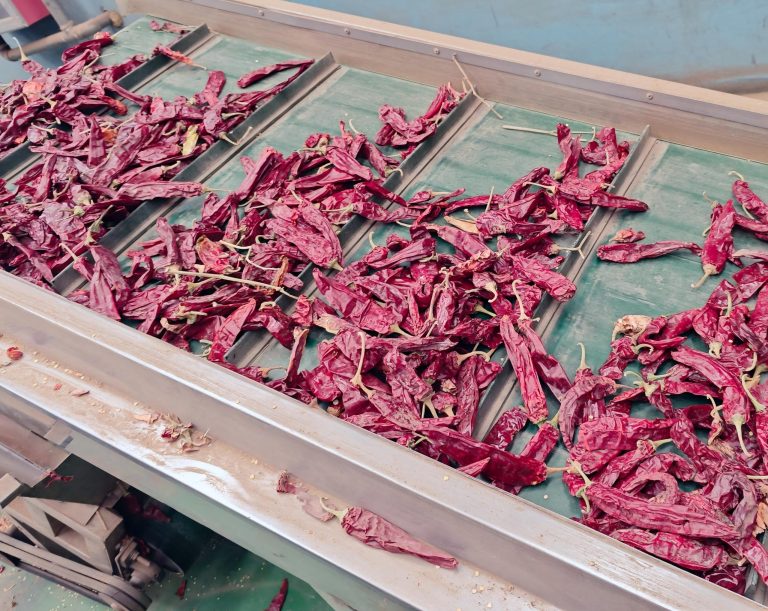
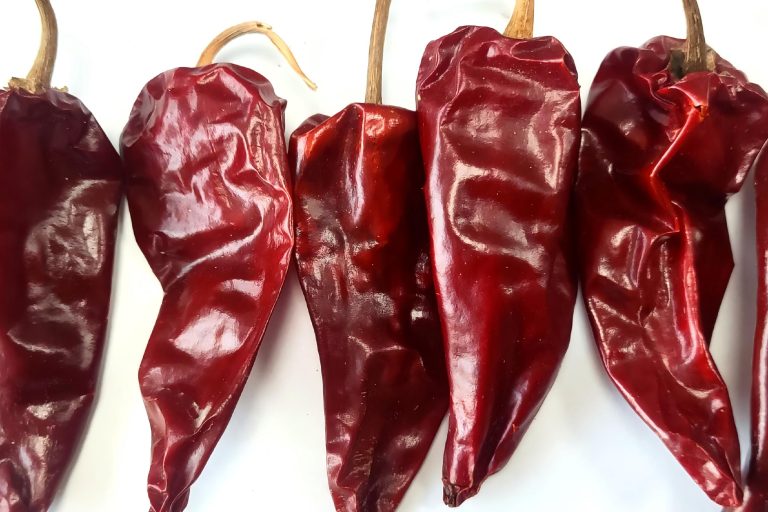
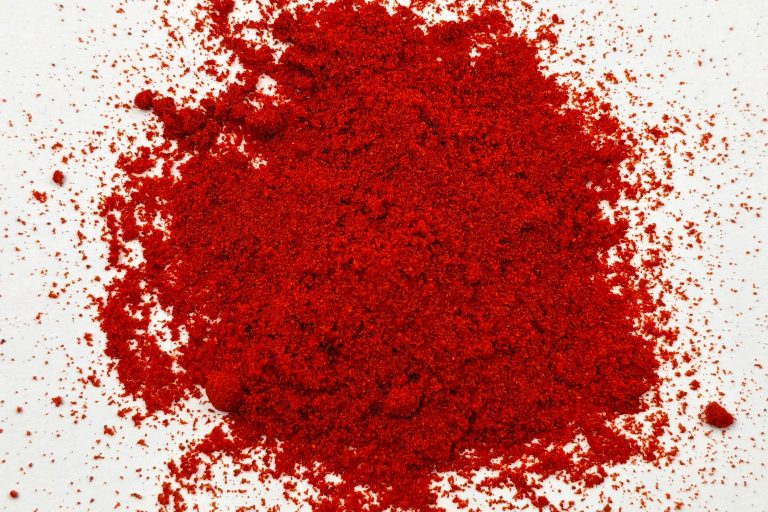
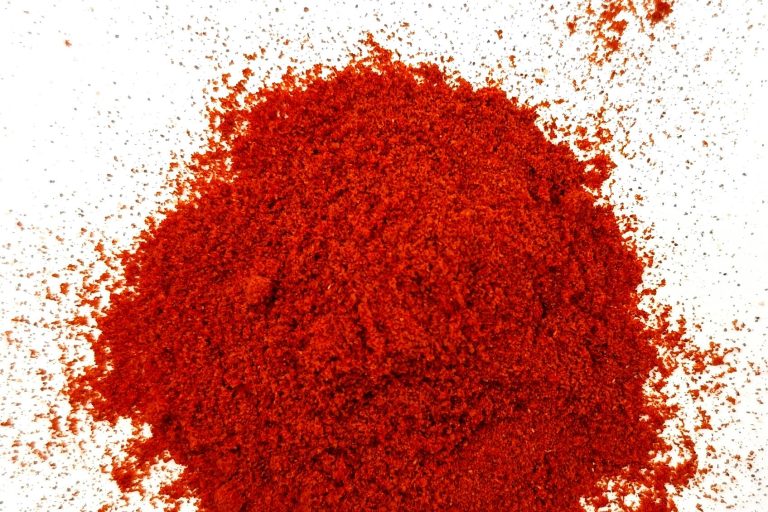
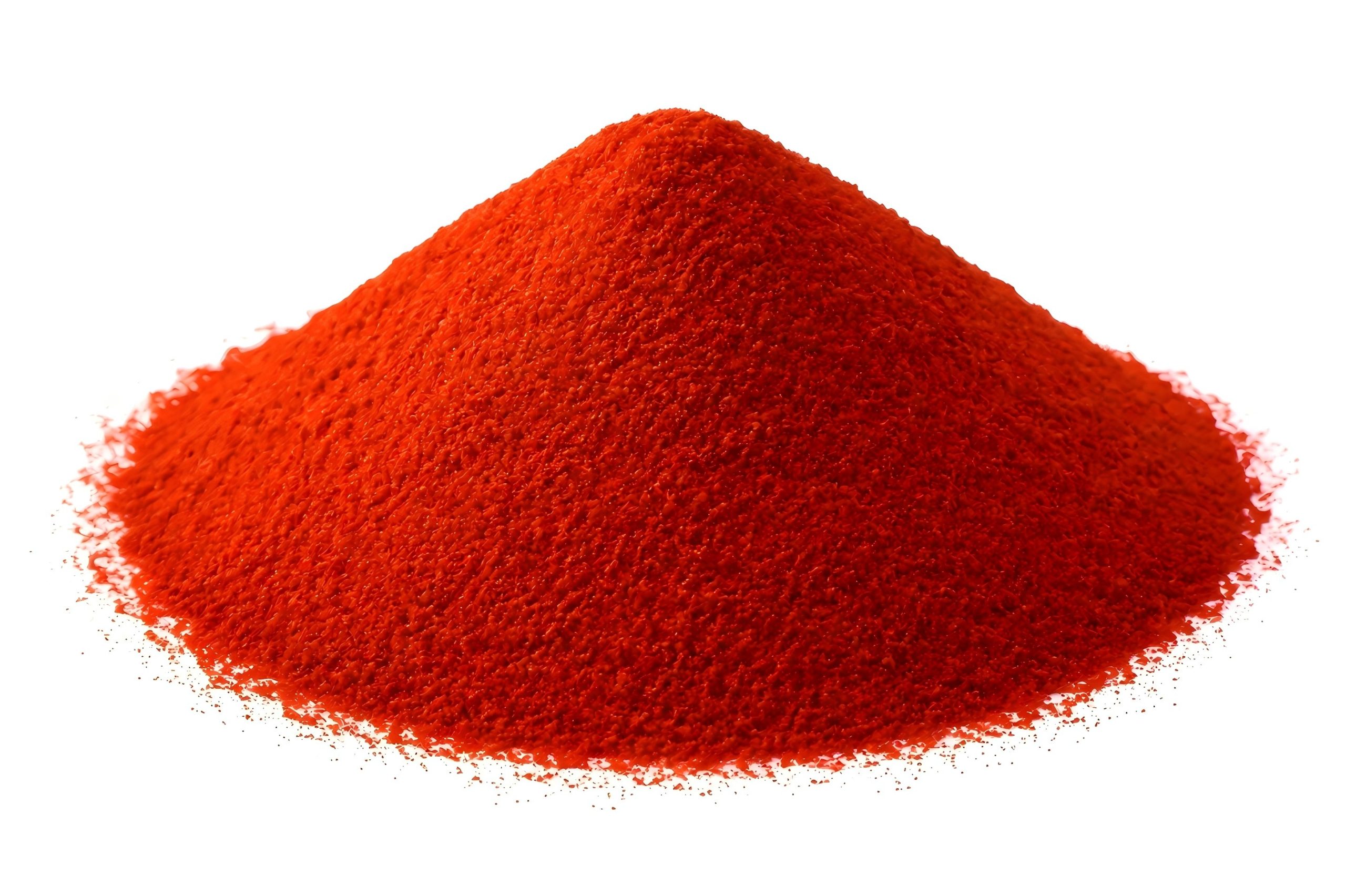
Paprika ist ein Pulver wird durch Trocknen und Mahlen von roten Paprikaschoten (Capsicum annuum) hergestellt. Je nach Paprikasorte und Trocknungsmethode kann der Geschmack von süß und mild bis leicht rauchig oder scharf reichen.
Stellen Sie sich das so vor, als würde man Trockenobst zu Pulver verarbeiten – aus Trauben werden Rosinen und aus Paprika wird Paprikapulver. Der Ausgangsstoff ist einfach, aber der endgültige Geschmack hängt stark davon ab, wie er verarbeitet wird.
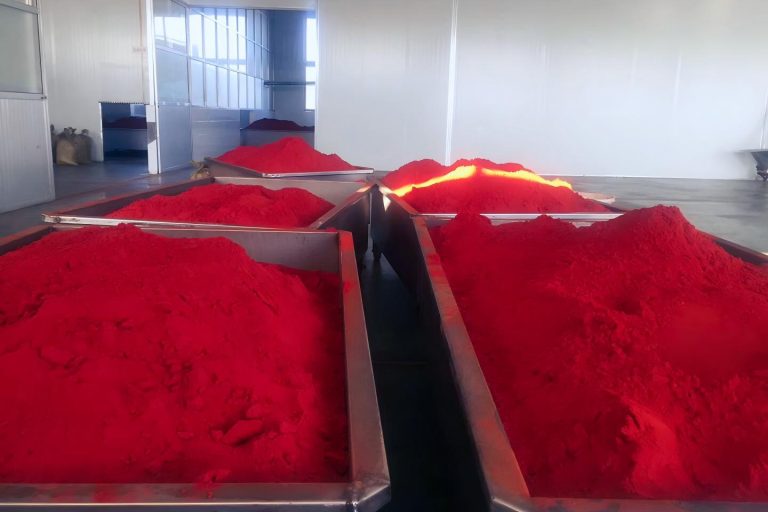
In der Lebensmittelindustrie wird Paprika wegen seiner Farbe, seines milden Geschmacks und seiner optischen Wirkung in Soßen, Snacks, Fleischmarinaden und Gewürzmischungen verwendet. Außerdem ist es beliebt, weil es stabil, kostengünstig und in der Lebensmittelherstellung leicht in großen Mengen zu verarbeiten ist.
Die Realität in der Lieferkette
Genau an dieser Stelle scheitert die “Low-FODMAP”-Frage in der Praxis der Beschaffungsarbeit oft.
Theoretisch enthält reines Paprikapulver nur vernachlässigbare Mengen an FODMAPs. In der Praxis sind Paprikapulver jedoch nicht immer so “rein”, wie es auf dem Papier den Anschein hat.
Ein häufiges Szenario: Ein Lieferant legt ein Analysezertifikat (COA) für Paprika vor, in dem lediglich “Capsicum annuum” angegeben ist. In derselben Fabrik werden jedoch auf derselben Mahlanlage auch Zwiebel- oder Knoblauchpulver verarbeitet. Selbst wenn der Lieferant angibt, Reinigungsmaßnahmen durchzuführen, kann es dennoch zu einer geringfügigen Kreuzkontamination kommen.
Das ist vergleichbar mit der Verwendung einer “Sauberwasserleitung”, durch die einst aromatisierter Sirup geflossen ist – man kann sie zwar durchspülen, doch je nach Reinigungsqualität können dennoch Spuren davon zurückbleiben.
Ein weiteres verstecktes Problem ist die Beimischung. Manche preisgünstigen Paprikapulver werden mit Trägerstoffen wie Reismehl oder Stärke gemischt, die an sich zwar in der Regel unbedenklich sind, aber das Verhalten des Produkts bei empfindlichen Ernährungsformen verändern.
Bei Produkten für Menschen mit Reizdarmsyndrom (IBS) oder bei Angaben zur „Low-FODMAP“-Kennzeichnung liegt das Risiko nicht im Paprika selbst, sondern in der Produktionsumgebung und in versteckten Mitverarbeitungsprozessen.
Was Käufer beachten sollten (Checkliste für die Kaufentscheidung)
- COA-Überprüfung (nicht nur die Bezeichnung der Inhaltsstoffe)
Prüfen Sie, ob das COA bestätigt, dass es sich um ein Produkt mit nur einem Inhaltsstoff handelt und keine Zusatzstoffe oder Trägerstoffe enthalten sind. - Umfang des Lieferantenaudits
Prüfen Sie, ob Zwiebeln, Knoblauch oder andere FODMAP-reiche Zutaten auf gemeinsam genutzten Produktionslinien verarbeitet werden. - Reinigungsvalidierung
Die Reinigung ist nicht nur ein Verfahrensdokument – sie muss validierte Rückstandsmesswerte enthalten und darf sich nicht nur auf “gereinigte Geräte” beschränken.” - Bedeutung des Begriffs „Zertifizierung“
Zertifizierungen (wie ISO, HACCP) sind so etwas wie ein “Führerschein” – sie belegen die Eignung, garantieren aber nicht, wie sich jede Charge in der Praxis verhält.
Die Realität des globalen Einkaufs (ausgewogen + menschlicher Ton)
Spanien / Peru / China (wichtigste Herkunftsländer für Paprika)
- Stärke: gute Verfügbarkeit von Rohstoffen, wettbewerbsfähige Preise
- Risiko: je nach Betriebsgröße unterschiedliche Verarbeitungskontrollen
- Empfehlung: Bevorzugen Sie Lieferanten mit speziellen Gewürzserien für empfindliche Anwendungen.
Osteuropa (Region Ungarn)
- Stärke: hochwertiger Paprika, der auf traditionelle Weise intensiv verarbeitet wurde
- Risiko: geringere Chargenschwankungen, saisonale Schwankungen
- Empfehlung: gut für eine Premium-Positionierung geeignet, jedoch sollten die Maßnahmen zur Vermeidung von Kreuzkontaminationen dennoch überprüft werden
Indien (Zentren für Gewürzmischungen)
- Stärke: kosteneffiziente, flexible Mischmöglichkeiten
- Risiko: erhöhte Wahrscheinlichkeit einer Vermischung verschiedener Gewürzsorten
- Empfehlung: Für den allgemeinen Lebensmittelgebrauch geeignet, jedoch ohne Audit nicht ideal für strenge „Low-FODMAP“-Angaben
Stellen Sie sich Beschaffungsregionen wie Restaurants vor: Manche sind “Ein-Gericht-Küchen”, andere “Buffets mit vielfältiger Küche”. Je komplexer die Küche, desto höher ist das Risiko einer Kreuzkontamination.
Häufige Fehler von Käufern
Einer der größten Fehler ist die Annahme, dass “eine Zutat = ein Risikoprofil” gilt. In Wirklichkeit wird Paprika auf dem Papier oft wie eine reine Zutat behandelt, verhält sich in Fabriken jedoch wie ein Produkt, das sich den Produktionsbereich mit anderen Produkten teilt.
Ein weiterer Fehler ist es, zu sehr auf Zertifizierungslogos zu vertrauen. Ein HACCP-Zertifikat garantiert nicht, dass auf derselben Mühle niemals Zwiebelpulver verarbeitet wurde.
Das ist so, als würde man einem Hotel allein aufgrund seiner Sternebewertung vertrauen – eine saubere Lobby sagt nicht immer etwas über die Hygiene in der Küche aus.
Käufer ignorieren zudem häufig Schwankungen auf Chargenebene. Eine Lieferung kann einwandfrei sein, eine andere stammt möglicherweise aus einem anderen Zulieferwerk.
Häufig gestellte Fragen
1. Ist Paprika in der täglichen Küche FODMAP-arm?
Ja, Paprika gilt im Allgemeinen als FODMAP-arm, wenn es in geringen Mengen zum Kochen verwendet wird. Es ist in der Regel unbedenklich, da es aus roten Paprikaschoten gewonnen wird, die keinen hohen Gehalt an fermentierbaren Kohlenhydraten aufweisen. Der Schlüssel liegt in der Mäßigung – eine starke Verwendung in Gewürzmischungen kann je nach Produkt die Verträglichkeit beeinflussen.
2. Kann Paprika IBS-Symptome auslösen?
Die meisten Menschen mit Reizdarmsyndrom vertragen reines Paprikapulver gut. Es können jedoch Symptome auftreten, wenn das Produkt mit Zwiebel- oder Knoblauchpulver gemischt wird oder wenn eine Kreuzkontamination vorliegt. Entscheidend ist nicht das Gewürz selbst, sondern die Art und Weise, wie es verarbeitet wird.
3. Unterscheidet sich geräuchertes Paprikapulver in Bezug auf FODMAP?
Geräuchertes Paprikapulver besteht in der Regel aus derselben Grundzutat, wird jedoch durch Räuchern getrocknet. Es gilt grundsätzlich weiterhin als FODMAP-arm. Das Risiko geht von Aromastoffen oder gemeinsam genutzten Verarbeitungsanlagen aus, nicht vom Räuchervorgang selbst.
4. Warum reagieren manche Menschen auf Paprika?
Reaktionen sind oft eher auf versteckte Inhaltsstoffe oder eine individuelle Empfindlichkeit gegenüber Capsaicin-Verbindungen zurückzuführen als auf den FODMAP-Gehalt. Man kann sich das so vorstellen wie “sauberen Kraftstoff, der in verschiedenen Motoren unterschiedlich stark verbrennt”.”
5. Ist Paprikapulver immer rein?
Nicht immer. Manche industriell hergestellten Paprikaprodukte können Trennmittel enthalten oder mit Trägerstoffen gemischt sein. Überprüfen Sie stets das Analysezertifikat (COA) und die Spezifikationsblätter, anstatt von der Reinheit einer einzigen Zutat auszugehen.
6. Wie zuverlässig ist die Kennzeichnung “Low FODMAP”?
Das hängt von den Prüfverfahren und der Fertigungskontrolle ab. Ein Etikett ist wie eine “Speisekartenbeschreibung” – hilfreich, aber keine Garantie für eine Kreuzkontaminationskontrolle auf Küchenebene.
7. Kann eine Kreuzkontamination Auswirkungen auf eine FODMAP-arme Ernährung haben?
Ja. Schon geringste Spuren von Zwiebel- oder Knoblauchrückständen auf gemeinsam genutzten Geräten können bei empfindlichen Personen Reaktionen auslösen. Deshalb sind Betriebsaudits wichtiger als Zutatenlisten.
8. Ist Bio-Paprika besser für die FODMAP-Kontrolle geeignet?
Nicht unbedingt. Der Begriff „Bio“ bezieht sich auf die Anbaumethoden, nicht auf die Hygiene bei der Verarbeitung. Bio-Paprika kann dennoch in gemeinsam genutzten Anlagen verarbeitet werden, in denen das Risiko einer Kreuzkontamination besteht.
9. Welches Paprikaprodukt ist für IBS-Produkte am sichersten?
Paprika aus einer einzigen Herkunft, der in einer einzigen Produktionslinie verarbeitet wurde, mit validierten Reinigungsprotokollen und ohne Vorgeschichte von Mischungen ist die sicherste Option für empfindliche Rezepturen.
10. Warum gibt es bei Paprika Unterschiede zwischen den Anbietern?
Denn das hängt von der Pfeffersorte, der Trocknungsmethode und den Mahlbedingungen ab. Man kann es mit Kaffee vergleichen – bei gleicher Bohnensorte führen unterschiedliche Röst- und Mahlverfahren zu einem unterschiedlichen Endprodukt.
Abschließende Zusammenfassung
Paprika an sich ist in der Regel FODMAP-arm und bei normalem Verzehr unbedenklich. Das eigentliche Risiko ergibt sich daraus, wie und wo es verarbeitet wird, nicht aus dem Paprikapulver selbst.
Wichtige Punkte:
- Reiner Paprika ist im Allgemeinen für Menschen mit Reizdarmsyndrom gut verträglich.
- Kreuzkontamination ist das eigentliche Beschaffungsrisiko
- COA und Werkskontrolle sind wichtiger als Etiketten
- “Low FODMAP” ist ein Produktion Bedingung, nicht nur eine Eigenschaft der Zutat
Einfach ausgedrückt: Paprika ist wie “sauberes Wasser in einer gemeinsamen Leitung” – das Wasser ist in Ordnung, aber das Leitungssystem entscheidet über die endgültige Sicherheit.
“Sollte dieser Artikel Ihre technischen oder regulatorischen Fragen nicht vollständig beantworten, wenden Sie sich bitte an unser Vertriebsteam, um direkte Unterstützung in Form von detaillierten Produktspezifikationen, chargenspezifischen COA-Dokumenten, Erklärungen zur Einhaltung gesetzlicher Vorschriften, Validierungsunterlagen zu Allergenen und individuellen Verpackungsoptionen zu erhalten.”