دليل مواصفات مسحوق البابريكا
المعيار الفني العالمي لمصنعي الأغذية ومشتري المكونات ومصنعي التوابل
مسحوق البابريكا المواصفات، معايير الألوان (ASTA)، الحدود الميكروبيولوجية، الامتثال لمعايير المعادن الثقيلة، هندسة حجم الجسيمات، وإطار الشراء الصناعي
1. مقدمة: البابريكا كمكون صناعي وظيفي
مسحوق البابريكا (Capsicum annuum L.) هو مكون غذائي وظيفي ذو تأثير كبير، ويستخدم على نطاق واسع في صناعة الأغذية العالمية، ليس فقط كتوابل بل أيضًا كـ ملون طبيعي، ومعدّل للنكهة، وعامل لتحسين المظهر.
في النظم الغذائية الصناعية، تُستخدم الفلفلة الحلوة في:
- تجهيز اللحوم (النقانق، اللحوم المقددة، اللحوم المتبلة)
- أنظمة تتبيل الوجبات الخفيفة (رقائق البطاطس، الوجبات الخفيفة المبثوقة)
- وجبات جاهزة للأكل
- قواعد الحساء والصلصات
- مزيج توابل المخبوزات
- تركيبات التوابل وأنظمة التتبيل الجاف
- التركيبات الصناعية لقطاع خدمات الأغذية
على عكس تقييم التوابل المخصصة للاستهلاك الشخصي،, يُعد شراء الفلفل الحلو الصناعي عملية تستند إلى المواصفات وتخضع لمعايير مادية وكيميائية وميكروبيولوجية وتنظيمية قابلة للقياس.
تضمن هذه المعلمات ما يلي:
- الاتساق بين الدُفعات
- الالتزام بمعايير سلامة الأغذية (نظام تحليل المخاطر ونقاط التحكم الحرجة (HACCP) / أنظمة ISO 22000 / BRCGS)
- توافق العمليات مع صناعة الأغذية الآلية الإنتاج الخطوط
- الامتثال للوائح التنظيمية في أسواق التصدير (الاتحاد الأوروبي، الولايات المتحدة، الشرق الأوسط، منطقة آسيا والمحيط الهادئ)
2. دور المواصفات في المشتريات الصناعية
في أنظمة تجارة التوابل العالمية، يُعامل الفلفل الحلو على أنه سلعة ذات مواصفات محددة, ، وليس مجرد منتج زراعي.
يتيح نظام المواصفات الرسمية ما يلي:
2.1 استقرار التصنيع
- يمنع تباين الألوان في المنتجات الغذائية الجاهزة
- يضمن توزيعًا يمكن التنبؤ به في أنظمة التتبيل
- يقلل من عمليات إعادة التصنيع على خط الإنتاج ورفض الدفعات
2.2 الامتثال للوائح التنظيمية
- يتوافق مع:
- لجنة الدستور الغذائي (الفاو/منظمة الصحة العالمية)
- لائحة الاتحاد الأوروبي (EC) رقم 396/2005 (المبيدات الحشرية)
- قانون تحديث سلامة الأغذية الصادر عن إدارة الغذاء والدواء الأمريكية (FSMA)
- أنظمة الجودة ISO 22000 / ISO 9001
2.3 مؤهلات المورد
- يتيح عملية موافقة منظمة على الموردين
- يدعم إمكانية تتبع عمليات التدقيق (معايير GFSI)
- يقلل من مخاطر الشراء
3. إطار مواصفات الفلفل الحلو الصناعي الأساسي
تتضمن المواصفات الصناعية الكاملة عادةً فئات التحكم التالية:
3.1 الخصائص الفيزيائية
| المعلمة | قياسي النطاق |
|---|---|
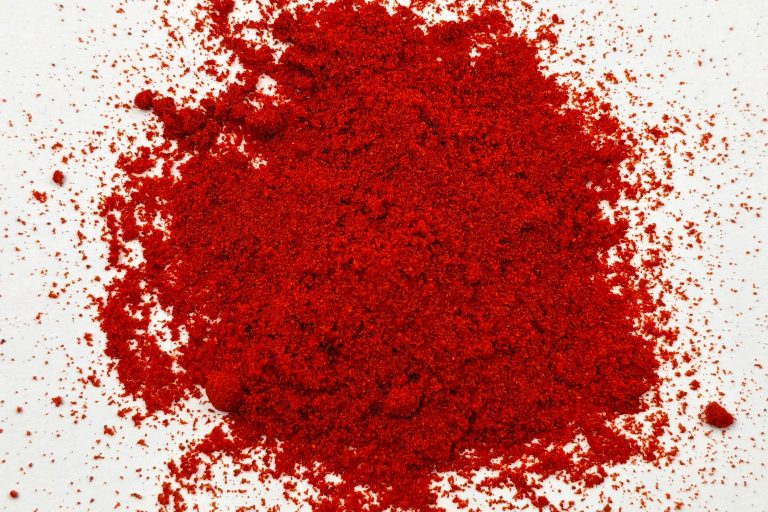
| المظهر | مسحوق أحمر سائب |
| اللون | القيمة المحددة من قبل ASTA |
| الرطوبة | ≤8–11% |
| النشاط المائي | ≤0.60 aw |
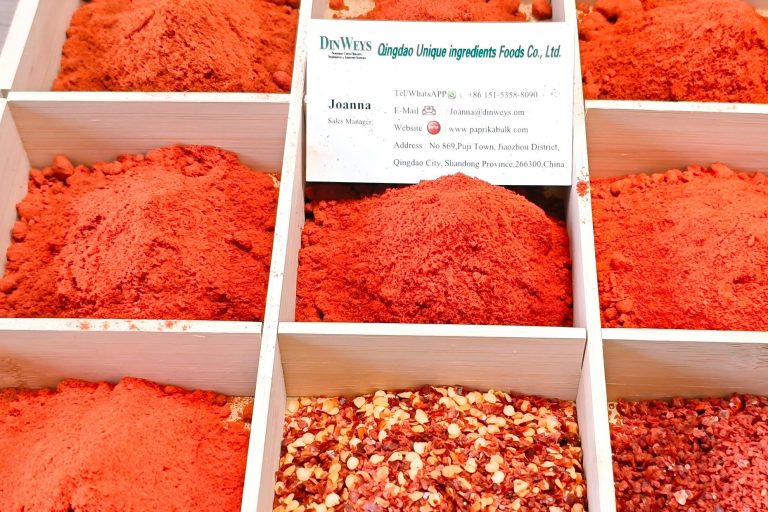
| حجم الجسيمات | 20–120 شبكة |
| المواد الغريبة | لا يوجد ما يمكن اكتشافه |
| الكثافة الظاهرية | محددة من قبل العميل |
3.2 الخصائص الكيميائية والوظيفية
| المعلمة | الوصف |
|---|---|
| قيمة اللون وفقًا لمعايير ASTA | قياس قوة الصبغة |
| مستوى الكابسيسين | شدة الحرارة (SHU أو ملغ/كغ) |
| الزيت المتطاير | مؤشر مساهمة الرائحة |
| المذيبات المتبقية | ينطبق على المنتجات القائمة على الاستخلاص |
3.3 الحدود الميكروبيولوجية
بما يتماشى مع أنظمة سلامة الأغذية مثل نظام تحليل المخاطر ونقاط التحكم الحرجة (HACCP) ومعيار ISO 22000.
| اختبار | الغرض |
|---|---|
| إجمالي عدد الجراثيم | مؤشر النظافة |
| الخميرة والعفن | مكافحة التلف |
| البكتيريا القولونية | التحقق من صحة أنظمة الصرف الصحي |
| إي. كولي | مؤشر التلوث البرازي |
| السالمونيلا | مُسبب مرض لا يُسمح بوجوده مطلقًا |
| المكورات العنقودية الذهبية | مراقبة السلامة |
3.4 مكافحة الملوثات
- المعادن الثقيلة (الرصاص، الكادميوم، الزئبق، الزرنيخ)
- بقايا المبيدات (الفحص الشامل لبقايا المبيدات باستخدام تقنيتي GC-MS وLC-MS)
- السموم الفطرية (حيثما ينطبق ذلك على أنظمة التوابل)
- الملوثات المادية (المعادن، الزجاج، البلاستيك، الحجر)
4. نظام مواصفات الألوان (معيار ASTA 20.1)
اللون هو المحرك الرئيسي للقيمة التجارية في مسحوق البابريكا.
تقوم طريقة قياس اللون ASTA (طريقة الرابطة الأمريكية لتجارة التوابل) بتحديد تركيز الصبغة القابلة للاستخلاص كمياً في ظل ظروف مختبرية موحدة.
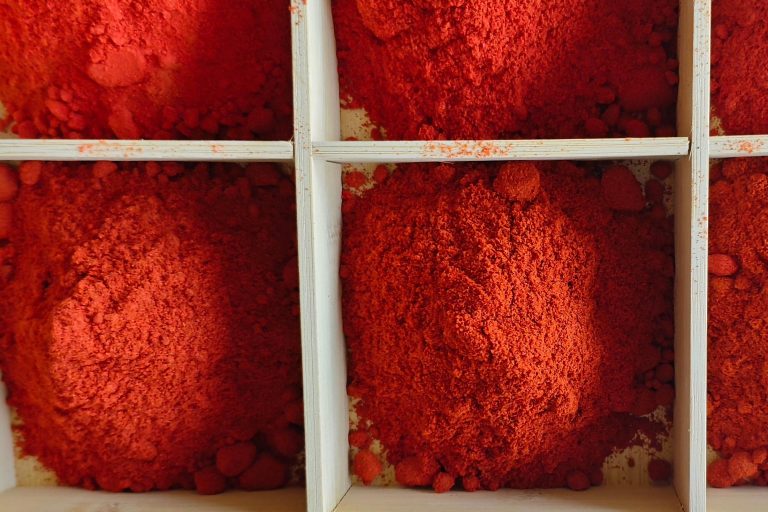
4.1 تفسير درجات الألوان وفقًا لمعايير ASTA
| قيمة ASTA | التطبيقات الصناعية |
|---|---|
| 40–70 | أنظمة التتبيل الأساسية |
| 70–100 | صناعة الأغذية بشكل عام |
| 100–140 | تركيبات فاخرة |
| 140–180 | استخدامات صناعية عالية الدقة اللونية |
| 180+ | أنظمة الألوان المتخصصة |
4.2 نظرة فنية
تشير القيم المرتفعة لمؤشر ASTA إلى:
- تركيز أعلى من الكاروتينويدات (الكابسانثين، الكابسوروبين)
- كفاءة تلوين أعلى لكل وحدة جرعة
- كفاءة أعلى من حيث تكلفة التركيب في بعض التطبيقات
ومع ذلك:
لا يُعد مؤشر ASTA مقياسًا لجودة النكهة. إنه مجرد مقياس لأداء اللون.
5. التحكم في محتوى الرطوبة ونشاط الماء
تؤثر الرطوبة ونشاط الماء بشكل مباشر على:
- مدة الصلاحية
- إمكانية نمو الكائنات الحية الدقيقة
- سلوك تدفق المسحوق
- الميل إلى التكتل
5.1 مواصفات الرطوبة
- الدرجة الممتازة: ≤8%
- المعيار الصناعي: ≤10%
- الحد الأعلى: ≤11–12%
5.2 النشاط المائي (aw)
- النطاق المعتاد: 0.40–0.60 aw
- العتبة الحرجة لاستقرار الميكروبات: <0.65 aw
يؤدي انخفاض نشاط الماء إلى تحسين:
- استقرار التخزين
- أداء النقل في البيئات الرطبة
- ثبات مدة الصلاحية
6. هندسة حجم الجسيمات (نظام الشبكة)
يؤثر حجم الجسيمات بشكل مباشر على:
- تجانس المزج
- كفاءة طلاء الأسطح
- توزيع الألوان في المنتج النهائي
- الذوبان وسلوك التشتت
6.1 معايير الشبكات
| حجم الشبكة | التطبيق |
|---|---|
| 20 شبكة | المواد الخشنة للصقل والطلاء |
| 40 ميش | خليط التوابل القياسي |
| 60 ميش | تصنيع الأغذية الصناعي |
| 80 ميش | أنظمة التتبيل الدقيقة |
| 100–120 ميش | تطبيقات التشتت عالية الجودة |
7. هندسة النكهة والخصائص الحسية
يتم تعريف نكهة البابريكا الصناعية باستخدام الوصف الحسي:
- نغمات الفلفل الأحمر الحلو
- نغمات ترابية خفيفة
- مستوى مرارة منخفض
- خصائص الرائحة النقية
- نكهات الدخان الاختيارية (أنواع الفلفل الأحمر المدخن)
يعتمد تنوع النكهات على:
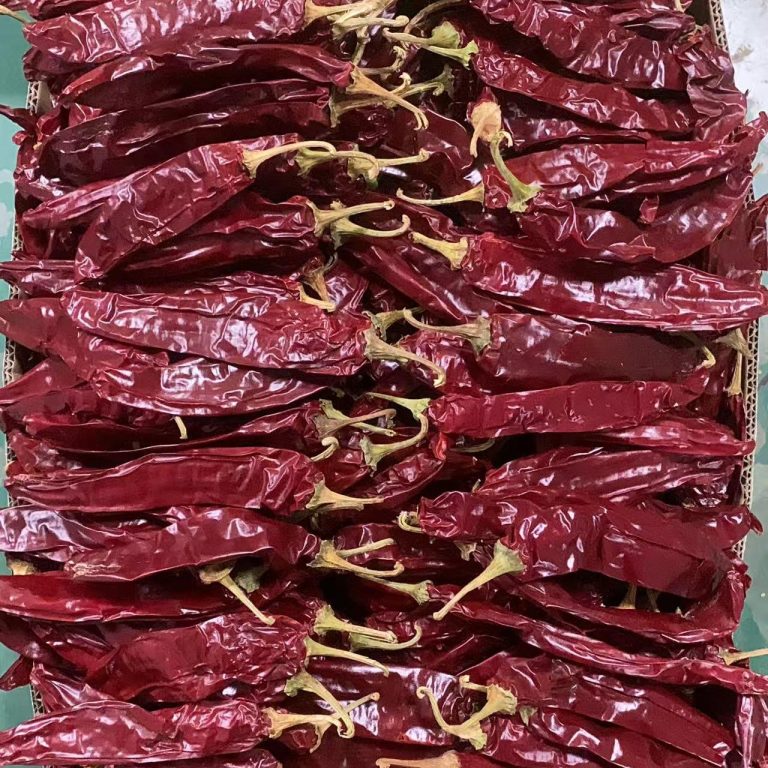
- علم الوراثة الخاص بأصناف الفلفل
- مرحلة نضج المحصول
- طريقة التجفيف (التجفيف بالشمس مقابل التجفيف بالفرن)
- معالجة ما بعد التصنيع
8. مستوى الحرارة (نظام التحكم في الكابسيسين)
على الرغم من أن العديد من درجات البابريكا غير حارة، إلا أن الأنظمة الصناعية قد تتطلب مستويات حرارة محكومة.
أنظمة القياس:
- وحدات سكوفيل للحرارة (SHU)
- تركيز الكابسيسين (ملغ/كغ)
- تصنيف لجنة التذوق
تأثير التطبيق:
- تحقيق التوازن بين النكهات في خلطات التوابل
- تكييف النكهات وفقًا للمنطقة
- تمييز المنتجات في أنظمة الوجبات الخفيفة
9. الامتثال للمعايير المتعلقة بالمعادن الثقيلة والعناصر السامة
يجب أن تتوافق الفلفل الحلو الصناعي مع لوائح السوق المستهدفة.
العناصر التي يتم اختبارها عادةً:
- الرصاص (Pb)
- الكادميوم (Cd)
- الزئبق (Hg)
- الزرنيخ (As)
الأطر التنظيمية:
- معايير الاتحاد الأوروبي لسلامة الأغذية
- الحدود القصوى المحددة في «كودكس الأغذية»
- إرشادات الامتثال الصادرة عن إدارة الغذاء والدواء الأمريكية (FDA)
يتم التحقق من الامتثال من خلال:
- ICP-MS (مطياف الكتلة بالبلازما المقترنة حثياً)
10. الامتثال لمعايير بقايا المبيدات (أنظمة الحد الأقصى المسموح به من بقايا المبيدات)
يجب أن تتوافق الفلفل الحلو المخصص للتصدير مع الحدود القصوى للمخلفات (MRLs).
تشمل أنظمة الاختبار ما يلي:
- GC-MS (الكروماتوغرافيا الغازية المقترنة بالطيف الكتلي)
- الفحص المتعدد للمخلفات باستخدام تقنية LC-MS/MS
مجالات الامتثال النموذجية:
- قاعدة بيانات الحد الأقصى المسموح به للمخلفات في الاتحاد الأوروبي
- مستويات التسامح التي حددتها وكالة حماية البيئة الأمريكية (EPA)
- قانون الصحة الغذائية الياباني
11. السلامة الميكروبيولوجية وتكامل نظام تحليل المخاطر ونقاط التحكم الحرجة (HACCP)
يُصنف البابريكا على أنه مكون غذائي منخفض الرطوبة, ، مما يتطلب إدارة ميكروبية محكمة بدلاً من التعقيم.
أنظمة سلامة الأغذية:
- HACCP (تحليل المخاطر ونقاط المراقبة الحرجة)
- GMP (ممارسات التصنيع الجيدة)
- نظم إدارة سلامة الأغذية وفقًا لمعيار ISO 22000
تشمل نقاط المراقبة الحرجة ما يلي:
- توريد المواد الخام
- التحكم في درجة حرارة التجفيف
- مرحلة الكشف عن المعادن
- سلامة العبوة
12. هندسة التغليف من أجل الاستقرار الصناعي
تم تصميم أنظمة التغليف لتوفير الحماية من:
- التعرض للأكسجين
- امتصاص الرطوبة
- التحلل الضوئي (أكسدة الكاروتينات)
- فقدان الرائحة
التنسيقات الشائعة:
- أكياس ورق الكرافت متعددة الطبقات
- أكياس مبطنة بالبولي إيثيلين
- عبوات مغلفة بورق الألمنيوم المصفح
- أكياس FIBC السائبة (على نطاق صناعي)
13. تحديد مدة الصلاحية
مدة الصلاحية المعتادة: 18–24 شهراً
يعتمد على:
- التحكم في الرطوبة
- درجة حرارة التخزين (يُفضل أن تكون أقل من 25 درجة مئوية)
- أداء حاجز الأكسجين
- التحكم في التعرض للضوء
تعد أكسدة الكاروتينات العامل الرئيسي الذي يحد من مدة الصلاحية.
14. نظام مراقبة الجودة (النموذج الصناعي الشامل)
تتضمن سلسلة التوريد القوية للبابريكا ما يلي:
14.1 مراقبة المواد الخام
- تتبع المزارع
- اختيار الأصناف
- التحكم في توقيت الحصاد
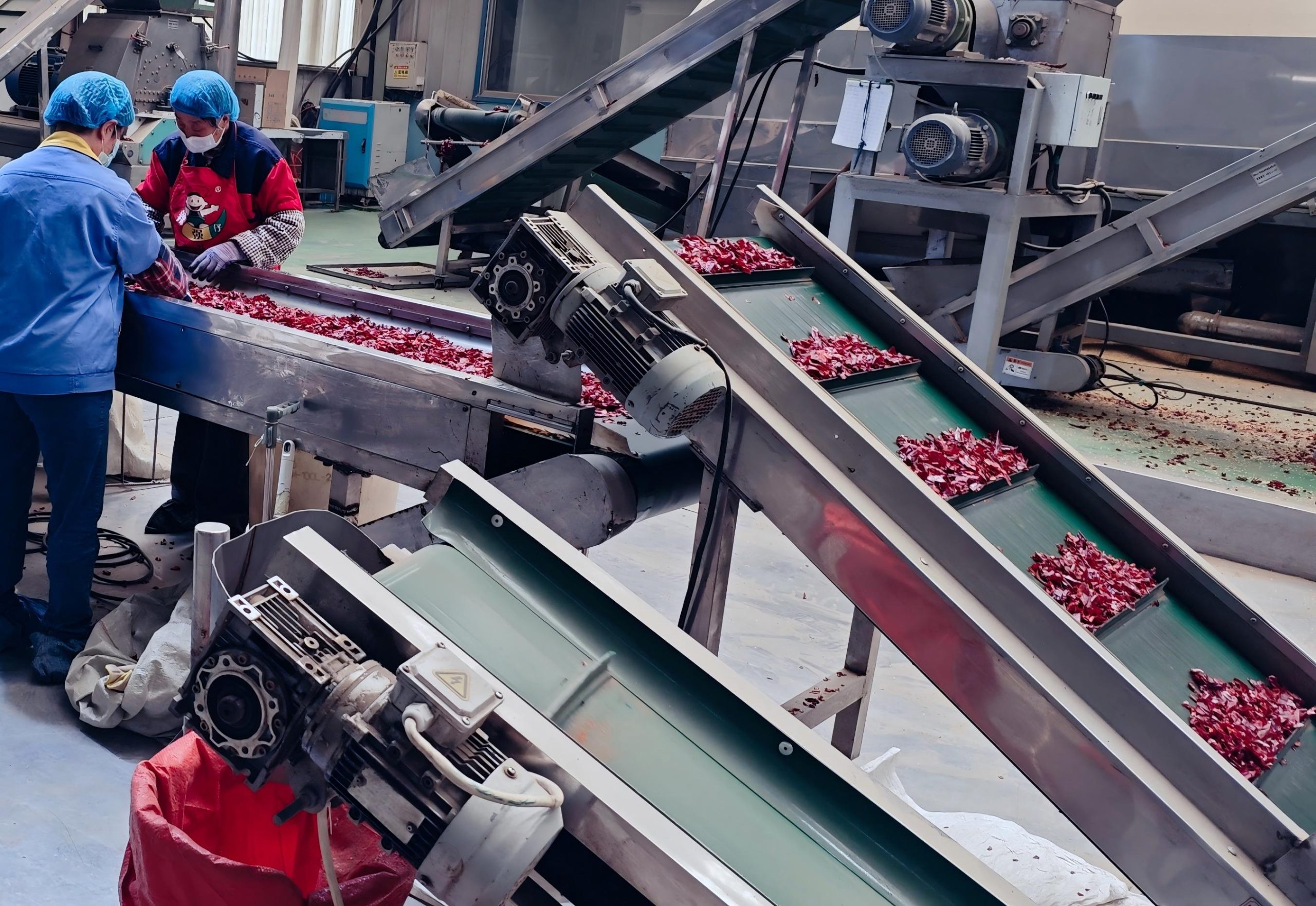
14.2 مراقبة المعالجة
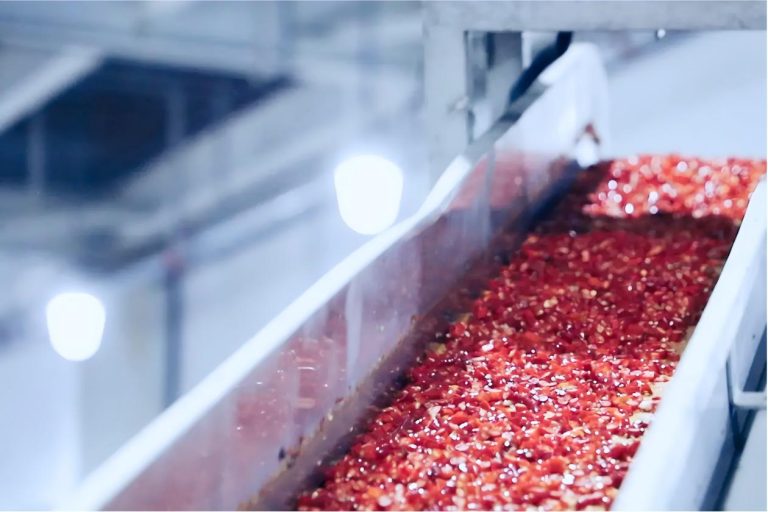
- الغسل والفرز
- منحنيات التجفيف الخاضعة للرقابة
- التحكم في درجة حرارة الطحن
- التصنيف بالغربلة
14.3 ضوابط السلامة
- الكشف عن المعادن (الحديد، غير الحديدية، الفولاذ المقاوم للصدأ)
- أنظمة الفرز البصري
- اختبارات الدُفعات المختبرية
14.4 مراقبة الإصدارات
- التحقق من شهادة المنشأ (COA)
- نظام ترميز الدُفعات
- تخزين عينات الاحتفاظ
15. المستندات المطلوبة للمشترين الصناعيين
عادةً ما يشترط المشترون المحترفون ما يلي:
- شهادة التحليل (COA)
- ورقة مواصفات المنتج
- بيان مسببات الحساسية
- بيان بشأن المنتجات غير المعدلة وراثيًا
- شهادة بلد المنشأ
- شهادات HACCP / ISO / BRCGS
- تقرير التتبع
- تقرير بقايا المبيدات
16. عوامل مخاطر المشتريات (رؤية صناعية)
المخاطر الشائعة في عملية شراء الفلفل الحلو:
- تباين الألوان بين المحاصيل المختلفة
- تزوير المنتجات باستخدام الأصباغ الاصطناعية (وهو أمر غير قانوني في العديد من الأسواق)
- التكتل الناتج عن الرطوبة أثناء الشحن
- عدم الامتثال لمعايير المبيدات الحشرية في أسواق التصدير
- التلوث الميكروبي الناتج عن التجفيف غير السليم
التخفيف من المخاطر:
- برامج تدقيق الموردين
- استراتيجيات المزج متعدد الدفعات
- التحقق المختبري قبل الشحن
17. الأسئلة الشائعة
ما هي المواصفة الأكثر أهمية بالنسبة لمسحوق الفلفل الحلو؟
تُعد قيمة اللون وفقًا لمعيار ASTA، ومحتوى الرطوبة، والحدود الميكروبيولوجية، وحجم الجسيمات من أهم المعايير الصناعية.
هل ارتفاع مؤشر ASTA يعني دائمًا أنه أفضل؟
لا. فارتفاع مؤشر ASTA يؤدي إلى تحسين قوة اللون، لكنه قد لا يتوافق مع متطلبات النكهة أو الاستخدام.
لماذا يُعد النشاط المائي مهمًا؟
يحدد النشاط المائي الاستقرار الميكروبي وسلامة التخزين على المدى الطويل.
هل يمكن أن تختلف مواصفات البابريكا باختلاف البلد؟
نعم. تختلف المواصفات وفقًا للأطر التنظيمية في الاتحاد الأوروبي والولايات المتحدة والشرق الأوسط وآسيا.
كيف يتم التحقق من جودة الفلفل الحلو الصناعي؟
من خلال الاختبارات المعملية (ASTA، GC-MS، ICP-MS)، والتقييم الحسي، ومراقبة العمليات وفقًا لنظام HACCP.
18. الخلاصة: من المنتج الزراعي إلى المكون الغذائي المُصنَّع
لم يعد مسحوق البابريكا يُعامل في صناعة الأغذية الحديثة على أنه مجرد توابل، بل كـ نظام مكونات وظيفية مصمم بدقة.
يضمن إطار المواصفات الشامل ما يلي:
- أداء صناعي يمكن التنبؤ به
- الامتثال للوائح التنظيمية العالمية
- ضمان سلامة الأغذية
- التكامل الفعال في التصنيع على نطاق واسع
بالنسبة لمصنعي الأغذية المحترفين، لا يُعد التحكم في مواصفات الفلفل الحلو أمراً اختيارياً، بل هو عنصر أساسي في هندسة جودة المنتج وموثوقية سلسلة التوريد.