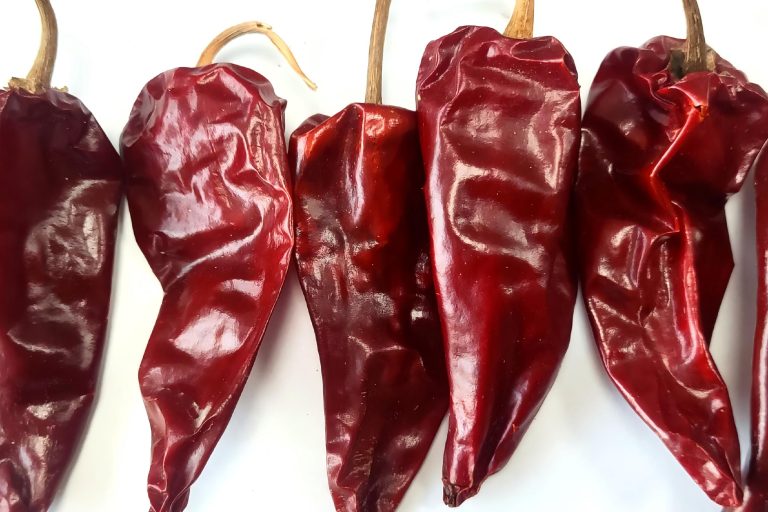
Standard di umidità della paprika per la produzione alimentare
Guida completa agli standard di umidità della paprika per l’industria alimentare
Comprendere il tenore di umidità, l’attività dell’acqua, i controlli di lavorazione, le specifiche internazionali e la garanzia della qualità
Introduzione
Il tenore di umidità è uno dei parametri di qualità più importanti in paprika in polvere produzione. Che la paprika sia destinata a miscele di condimenti, rivestimenti per snack, prodotti a base di carne lavorata, salse, alimenti istantanei o applicazioni come ingrediente industriale, il controllo dell’umidità influisce direttamente sulla stabilità del prodotto, sulla sicurezza microbiologica, sulla conservazione del colore, sulla scorrevolezza, sulle prestazioni di confezionamento e sulla durata di conservazione.
Per i produttori alimentari che acquistano la paprika sfusa, le specifiche relative all’umidità sono spesso indicate insieme al valore cromatico (ASTA), alla granulometria, ai limiti microbiologici, alla conformità ai requisiti in materia di pesticidi e ai requisiti relativi ai metalli pesanti. Sebbene la paprika contenga naturalmente acqua, un’umidità eccessiva può accelerarne il deterioramento, aumentare il rischio di proliferazione microbica, favorire l’agglomerazione durante lo stoccaggio e ridurre l’efficienza di lavorazione.
La presente guida offre una panoramica completa sul contenuto di umidità della paprika standard utilizzato in tutto il settore alimentare mondiale, spiega come viene misurata l'umidità, illustra gli intervalli di specifica accettabili e analizza in che modo i produttori garantiscono una qualità costante, dai peperoni grezzi alla paprika in polvere finita.
Perché l'umidità è importante nella paprika in polvere
A differenza dei peperoni freschi, la paprika essiccata è concepita come ingrediente a lunga conservazione. Il controllo dell’umidità influisce su quasi ogni aspetto delle prestazioni del prodotto.
Una corretta gestione dell'umidità aiuta i produttori a ottenere:
- Maggiore durata di conservazione
- Stabile ritenzione del colore
- Migliore conservazione dell'aroma
- Migliore scorrevolezza
- Riduzione della formazione di grumi
- Riduzione del rischio microbiologico
- Somministrazione regolare durante i pasti produzione
- Prestazioni di imballaggio affidabili
Anche piccole variazioni di umidità possono influire in modo significativo sulla movimentazione delle polveri durante la produzione automatizzata di alimenti.
Contenuto di umidità e attività dell'acqua
Queste due misurazioni vengono spesso confuse, ma rappresentano caratteristiche di qualità diverse.
| Parametro | Contenuto di umidità | Attività dell'acqua |
|---|---|---|
| Misure | Quantità totale di acqua presente | Acqua disponibile per la crescita microbica |
| Unità | % | aw |
| Gamma tipica di Paprika | 8–11% | 0.40–0.60 |
| Influenze | Peso, scorrevolezza | Stabilità microbica |
| Metodo di prova | Essiccazione in forno | Misuratore dell'attività dell'acqua |
Il tenore di umidità misura la quantità totale di acqua contenuta nella polvere, mentre l’attività dell’acqua indica quanta di quell’acqua è disponibile per favorire la crescita microbica.
Una paprika in polvere può avere un contenuto di umidità relativamente basso, ma presentare comunque un’elevata attività dell’acqua se conservata in modo improprio.
Specifiche tipiche relative all'umidità
Sebbene le specifiche esatte varino a seconda degli acquirenti, nella produzione industriale di paprika si riscontrano comunemente i seguenti intervalli.
| Voto | Umidità tipica |
|---|---|
| Qualità Premium per l'esportazione | ≤8% |
| Grado alimentare per la produzione alimentare | ≤9% |
| Grado alimentare industriale | ≤10% |
| Qualità commerciale | ≤11% |
| Limite massimo del settore | 12% |
Molti acquirenti internazionali richiedono livelli di umidità inferiori a 10% per migliorare la stabilità di conservazione durante il trasporto su lunghe distanze.
Standard internazionali di qualità
I limiti di umidità possono essere definiti da:
- Specifiche del cliente
- Normative alimentari nazionali
- Sistemi di qualità ISO
- HACCP programmi
- Sistemi di certificazione in materia di sicurezza alimentare
- Standard interni di qualità del produttore
Anziché un unico limite legale universale, le specifiche relative all’umidità vengono solitamente stabilite contrattualmente tra fornitore e acquirente in base all’applicazione prevista.
L'umidità nella produzione della paprika
L'umidità viene attentamente controllata durante l'intero processo produttivo.
1. Raccolta
I peperoni freschi contengono in genere:
75–90% umidità
In questa fase sono altamente deperibili.
2. Essiccazione
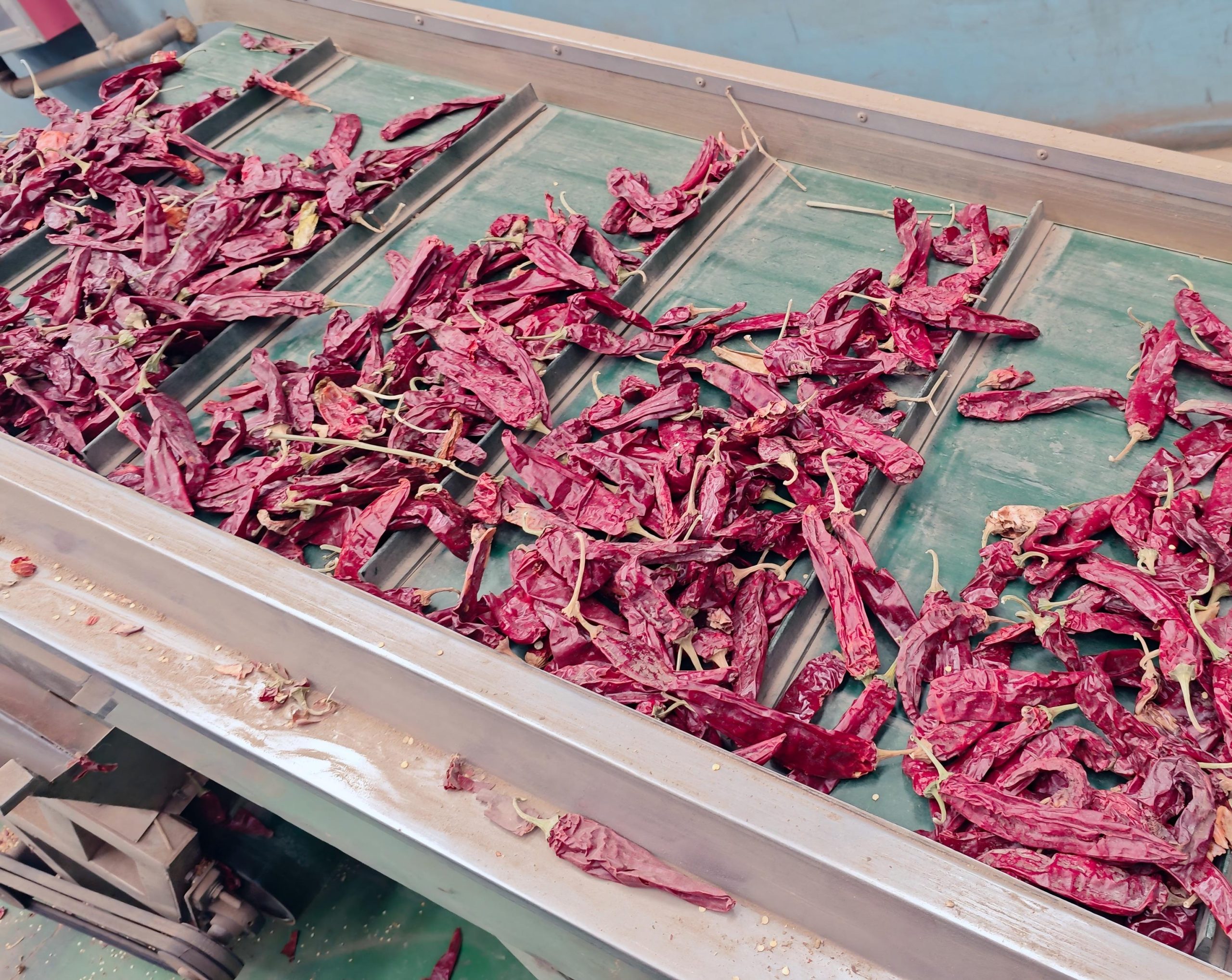
L'essiccazione riduce drasticamente l'umidità.
I metodi includono:
- Essiccazione ad aria calda
- Essiccazione solare
- Essiccazione in galleria
- Disidratazione industriale controllata
Il processo di essiccazione determina:
- Colore finale
- Aroma
- Ritenzione dei nutrienti
- Resa in polvere
- Durata di conservazione
3. Macinazione
La molatura genera calore.
Monitoraggio dei produttori:
- Temperatura del prodotto
- Perdita di umidità
- Dimensione delle particelle
- Deterioramento del colore
Alcuni impianti raffreddano il materiale prima della macinazione per garantire la qualità del prodotto.
4. Setacciatura
Una granulometria uniforme migliora:
- Consistenza dell'umidità
- Densità apparente
- Comportamento di miscelazione
5. Imballaggio
La confezione protegge la paprika da:
- Umidità ambientale
- Ossigeno
- Luce
- Variazioni di temperatura
I sacchetti multistrato con barriera antiumidità sono comunemente utilizzati per le spedizioni destinate all'esportazione.
Metodi di analisi dell'umidità
I laboratori di qualità verificano solitamente il tenore di umidità utilizzando metodi analitici standardizzati.
Essiccazione in forno
Il metodo di laboratorio più diffuso.
Procedura:
- Pesare il campione
- Riscaldare alla temperatura specificata
- Misurare la perdita di peso
- Calcola la percentuale di umidità
Vantaggi:
- Elevata precisione
- Ampiamente riconosciuto
- Adatto alla certificazione di qualità
Analizzatore di umidità a infrarossi
Gli impianti industriali utilizzano spesso analizzatori a infrarossi ad analisi rapida.
Tra i vantaggi figurano:
- Risultati rapidi
- Monitoraggio dei processi
- Regolazione della linea di produzione
Titolazione di Karl Fischer
Sebbene sia estremamente accurata per determinati materiali, l’analisi Karl Fischer è generalmente meno diffusa nelle analisi di routine della paprika in polvere, poiché i metodi basati sull’uso del forno sono solitamente sufficienti.
Controllo dell'attività dell'acqua
L'attività dell'acqua offre un'ulteriore garanzia della sicurezza del prodotto.
Attività dell'acqua tipica della paprika:
0,40–0,60 aw
Circa 0,60 aw, la maggior parte dei batteri patogeni non riesce a proliferare.
Mantenere bassa l'attività dell'acqua aiuta a preservare:
- Sapore
- Colore
- Qualità microbiologica
Umidità e durata di conservazione
L'umidità influisce in modo significativo sulla stabilità di conservazione.
La paprika prodotta a regola d'arte e con un contenuto di umidità controllato può mantenersi stabile per 18–24 mesi nelle condizioni di conservazione raccomandate, sebbene la durata di conservazione dipenda da fattori quali la confezione, l'esposizione all'ossigeno, la temperatura e la luce.
Livelli di umidità più elevati possono accelerare:
- Degradazione dei pigmenti
- Perdita di sapore
- Ossidazione
- Agglomerazione
- Sviluppo di muffa in condizioni di conservazione sfavorevoli
Stabilità all’umidità e del colore
Il colore rosso della paprika deriva principalmente dai pigmenti carotenoidi.
L'umidità eccessiva accelera:
- Ossidazione
- Decomposizione dei pigmenti
- Perdita del valore cromatico ASTA
Mantenere un livello di umidità adeguato aiuta a preservare l'intensità del colore per tutta la durata della conservazione.
Umidità e scorrevolezza delle polveri
Le aziende alimentari fanno affidamento su un flusso costante di ingredienti durante la produzione automatizzata.
Un livello di umidità più elevato può aumentare:
- Collegamento
- Ostruzione della tramoggia
- Agglomerazione
- Precisione di dosaggio ridotta
Un livello di umidità basso e controllato favorisce l'efficienza delle operazioni di trasporto, miscelazione e confezionamento.
Aspetti relativi all'imballaggio
La paprika sfusa viene solitamente confezionata in:
- Sacchetti di carta kraft a pareti multiple
- Sacchetti di carta con rivestimento in polietilene
- Sacchetti laminati in alluminio
- Rivestimenti in polietilene per uso alimentare
- Sistemi di contenitori per merci sfuse
Gli imballaggi resistenti all'umidità contribuiscono a preservare le caratteristiche del prodotto durante il trasporto internazionale.
Migliori pratiche di archiviazione
Le condizioni di conservazione consigliate sono le seguenti:
- Ambiente fresco
- Magazzino a secco
- Umidità relativa inferiore a 65%
- Protezione dai raggi solari diretti
- Buona circolazione dell'aria
- Confezione sigillata dopo l'apertura
Evitare l'esposizione ripetuta all'aria umida durante la produzione.
Fattori che influenzano l'umidità durante il trasporto
La logistica delle esportazioni comporta ulteriori sfide.
L'umidità può aumentare a causa di:
- Condensa nei container marittimi
- Cicli termici
- Imballaggio danneggiato
- Elevata umidità nel magazzino
I produttori ricorrono spesso all'uso di essiccanti e imballaggi con barriera antiumidità per le spedizioni a lunga distanza.
L'umidità nelle diverse applicazioni della paprika
Condimenti per snack
Il basso contenuto di umidità favorisce una distribuzione uniforme del prodotto e previene la formazione di grumi.
Lavorazione delle carni
Un livello di umidità costante contribuisce a una miscelazione uniforme e alla consistenza del prodotto.
Produzione di salse
Un livello di umidità costante favorisce il controllo della formulazione e la riproducibilità dei lotti.
Miscele di spezie
Un’umidità uniforme contribuisce a ridurre la segregazione e migliora le prestazioni di miscelazione.
Relazione tra l'umidità e altri parametri di qualità
L'umidità viene valutata insieme a diversi altri indicatori di qualità:
| Parametro | Finalità |
|---|---|
| ASTA Color | Intensità del colore |
| Dimensione delle maglie | Distribuzione delle particelle |
| Attività dell'acqua | Stabilità microbica |
| Densità apparente | Prestazioni di elaborazione |
| Olio volatile | Caratteristiche gustative |
| Microbiologia | Sicurezza alimentare |
| Metalli pesanti | Conformità normativa |
| Residui di pesticidi | Requisiti per l'esportazione |
Una valutazione completa della qualità tiene conto di tutti i parametri nel loro insieme, anziché limitarsi al solo contenuto di umidità.
Specifiche comuni per gli acquirenti
Gli acquirenti del settore industriale richiedono spesso la seguente documentazione:
- Certificato di analisi (COA)
- Contenuto di umidità
- Valore cromatico ASTA
- Dimensione delle particelle
- Risultati microbiologici
- Analisi dei metalli pesanti
- Conformità ai limiti di residui di pesticidi
- Dichiarazione sugli allergeni
- Paese di origine
- Tracciabilità dei lotti
Queste specifiche contribuiscono a garantire l'uniformità tra i diversi lotti di produzione.
Domande frequenti
Qual è il contenuto di umidità ideale per la paprika in polvere?
Molti produttori alimentari specificano livelli di umidità pari o inferiori a 10%, sebbene i requisiti esatti varino a seconda dell'applicazione del prodotto e delle specifiche del cliente.
Un contenuto di umidità inferiore è sempre sinonimo di qualità migliore?
Non necessariamente. Il livello di umidità dovrebbe essere sufficientemente basso da garantire la stabilità, evitando al contempo un'eccessiva essiccazione che potrebbe compromettere l'efficienza del processo o le caratteristiche del prodotto.
Il contenuto di umidità è la stessa cosa dell’attività dell’acqua?
No. Il tenore di umidità misura la quantità totale di acqua presente, mentre l’attività dell’acqua misura la disponibilità di acqua per la crescita microbica.
Con quale frequenza occorre misurare l'umidità?
I produttori monitorano solitamente il livello di umidità durante la produzione e controllano i lotti finiti nell'ambito dei programmi di controllo qualità di routine.
La paprika può assorbire umidità dopo la produzione?
Sì. La paprika in polvere è igroscopica e può assorbire l'umidità presente in ambienti umidi se la confezione è danneggiata o se le condizioni di conservazione non sono adeguate.
Conclusione
La gestione dell'umidità è un elemento fondamentale per garantire la qualità della paprika. Mantenendo livelli di umidità adeguati attraverso un'essiccazione controllata, test standardizzati, un confezionamento efficace e un corretto stoccaggio, i produttori possono migliorare la stabilità del prodotto, preservarne il colore e il sapore e garantire prestazioni affidabili nelle applicazioni alimentari industriali.
Per i produttori alimentari che acquistano la paprika sfusa, i parametri relativi all’umidità devono essere valutati insieme al valore cromatico, alla qualità microbiologica, alla granulometria, alla tracciabilità e alla conformità normativa. Un approccio completo al controllo qualità contribuisce a garantire che la paprika mantenga prestazioni costanti durante il trasporto, lo stoccaggio e i processi di produzione alimentare.