دليل حدود محتوى البابريكا في المعادن الثقيلة استنادًا إلى معايير سلامة الأغذية الصينية: ما الذي يجب على المشترين العالميين التحقق منه فعليًّا
دليل حدود محتوى البابريكا في المعادن الثقيلة استنادًا إلى معايير سلامة الأغذية الصينية: ما الذي يجب على المشترين العالميين التحقق منه فعليًّا
نظرة عامة
الحدود القصوى للمعادن الثقيلة في الفلفل الحلو تحدد معايير سلامة الأغذية الصينية المستويات القصوى المسموح بها من الملوثات، مثل الرصاص والكادميوم، في المنتجات النهائية. وتساعد هذه الحدود المصنعين والمستوردين على ضمان سلامة الأغذية، لكن الامتثال للوائح التنظيمية وحده لا ينبغي أبدًا أن يُستخدم باعتباره المعيار الوحيد للشراء.
بالنسبة للمشترين المحترفين، لا يُعد التقرير المختبري المتوافق مع المعايير سوى جزء واحد من عملية التقييم. والسؤال الأهم هو: كيف يتمكن المورد من تحقيق نتائج متوافقة مع المعايير بشكل متسق عبر المحاصيل المختلفة و الإنتاج الدُفعات. تبدأ مخاطر المعادن الثقيلة في الحقل، وليس في المختبر. فالموردون الموثوقون يراقبون ممارسات الزراعة، وتوريد المواد الخام، وظروف المعالجة، وإمكانية التتبع قبل وقت طويل من اختبار المنتج النهائي. وعند شراء الفلفل الحلو من الأسواق الدولية، غالبًا ما يمنح فهم نظام الإنتاج الكامن وراء الشهادة ثقة أكبر من الشهادة نفسها.
الجزء الأول
لماذا يُعد هذا الدليل مهمًا؟
أصبح فحص المعادن الثقيلة متطلبًا روتينيًّا في عمليات شراء مكونات الأغذية على الصعيد العالمي. وسواءً كان الفلفل الحلو يُورد إلى شركات تصنيع التوابل، أو منتجي الوجبات الخفيفة، أو شركات تجهيز اللحوم، أو مصانع الوجبات الجاهزة، فإن المشترين يطلبون بشكل متزايد أدلة تثبت أن المنتجات تستوفي لوائح سلامة الأغذية المعمول بها قبل الموافقة على المورد.
بالنسبة للعديد من المشترين الدوليين الذين يستوردون من الصين، فإن أحد الأسئلة الأولى التي تطرح نفسها بسيط ومباشر:
هل تتوافق هذه الفلفلة الحلوة مع الحدود القصوى المسموح بها للمعادن الثقيلة في الصين؟
الإجابة مهمة — لكنها نادراً ما تكون كافية.
تدرك فرق المشتريات ذات الخبرة أن الامتثال للوائح التنظيمية يمثل الحد الأدنى من المتطلبات القانونية، وليس تقييمًا شاملاً للجودة. فقد يقدم موردان نفس نوع الفلفل الحلو الذي يستوفي نفس الحدود التنظيمية، في حين يعمل كل منهما وفق ضوابط زراعية وأنظمة إنتاج وممارسات إدارة الجودة مختلفة تمامًا.
قد يقوم أحد الموردين بشراء الفلفل بشكل منتظم من مزارع مؤهلة تُجري مراقبة موثقة للتربة واختبارات دورية للدفعات. في حين قد يشتري مورد آخر المواد الخام من مناطق متعددة دون نفس المستوى من الرقابة، معتمدًا بشكل أساسي على اختبار المنتج النهائي للكشف عن أي مشاكل.
قد تجتاز الشحنتان عملية الفحص اليوم.
من المرجح أن يتمكن مورد واحد فقط من تقديم نفس المستوى من الثبات في الموسم المقبل.
وقد ازدادت أهمية هذا التمييز بشكل متزايد مع قيام شركات تصنيع الأغذية العالمية بتعزيز برامج تأهيل الموردين والتركيز بشكل أكبر على إدارة المخاطر الوقائية بدلاً من الاعتماد حصريًّا على اختبار المنتجات النهائية.
يشرح هذا الدليل متطلبات المعايير الصينية الخاصة بالمعادن الثقيلة، وكيف تندرج هذه الحدود ضمن عملية تقييم الموردين الأوسع نطاقاً، وما الذي يجب على المشترين المحترفين التحقق منه قبل اتخاذ قرارات الشراء طويلة الأجل.
لماذا يُعد فحص المعادن الثقيلة أمرًا مهمًا بالنسبة لشركة «بابريكا»؟
البابريكا منتج زراعي طبيعي. وعلى عكس المكونات الغذائية الاصطناعية التي تُنتج في ظل ظروف تصنيع تخضع لرقابة صارمة، تنمو البابريكا في بيئات زراعية مفتوحة حيث تؤثر عوامل بيئية عديدة على جودتها النهائية.
يتفاعل كل نبات فلفل بشكل مستمر مع محيطه.
توفر التربة العناصر الغذائية.
الماء عامل أساسي في النمو.
يؤثر المناخ على التنمية.
تؤثر المدخلات الزراعية على أداء المحاصيل.
ونتيجة لهذه العملية الطبيعية للنمو، قد يتم أيضًا امتصاص كميات ضئيلة من عناصر معينة — بما في ذلك المعادن الثقيلة — من البيئة المحيطة.
وهذا لا يعني بالضرورة أن الجودة رديئة.
توجد العديد من المعادن الثقيلة بشكل طبيعي في التربة بتركيزات منخفضة، وقد صُممت لوائح سلامة الأغذية لضمان بقاء أي مستويات متبقية ضمن الحدود الآمنة المحددة علمياً.
ومع ذلك، يمكن أن تختلف مستويات التلوث بشكل كبير اعتمادًا على عوامل مثل:
- تركيب التربة
- النشاط الصناعي عبر التاريخ
- جودة مياه الري
- اختيار الأسمدة
- التلوث البيئي
- ممارسات الحصاد
- معدات المعالجة
تُفسر هذه المتغيرات السبب في أن اختبار المعادن الثقيلة لا يزال عنصراً أساسياً في عملية تأهيل الموردين.
بالنسبة لشركات تصنيع الأغذية، لا يقتصر الامتثال للمعايير المتعلقة بالمعادن الثقيلة على مجرد تلبية المتطلبات القانونية.
كما أنه يحمي:
- سلامة المستهلك
- سمعة العلامة التجارية
- أهلية التصدير
- ثقة العملاء
- الامتثال للوائح التنظيمية في أسواق متعددة
قد يؤدي الفشل في اختبار المعادن الثقيلة إلى تأخير الشحنات، أو إثارة شكاوى العملاء، أو زيادة مخاطر سحب المنتجات من السوق، أو الاستلزام بالتخلص من المنتجات بتكلفة باهظة.
يُعد منع حدوث هذه المشكلات أسهل بكثير — وأقل تكلفة — من معالجتها بعد دخول المنتجات إلى سلسلة التوريد.
لماذا تحظى البابريكا باهتمام خاص
لا تحظى جميع المكونات الغذائية بنفس القدر من الاهتمام أثناء عملية اعتماد الموردين.
غالبًا ما يُعتبر البابريكا مكونًا ذا أولوية أعلى في عملية التحقق التحليلي، وذلك بسبب العديد من الخصائص المشتركة بين التوابل المجففة.
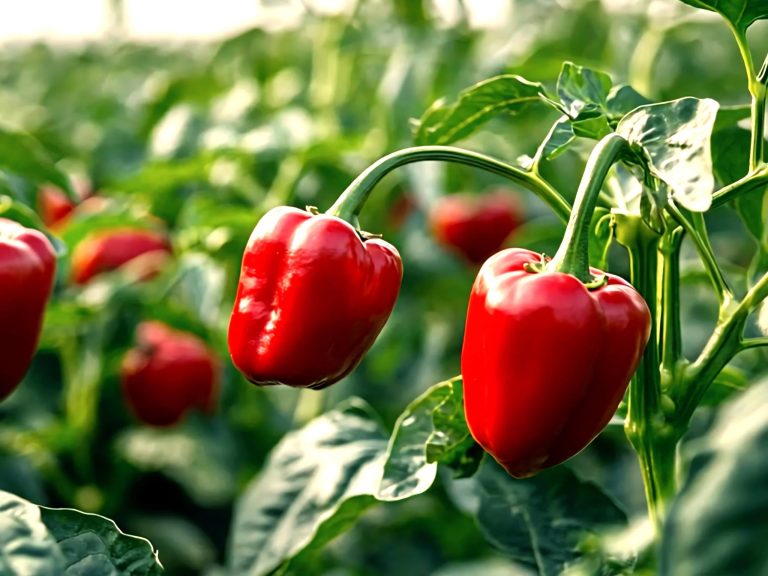
تُزرع مباشرة في التربة
على عكس المكونات الغذائية عالية التكرير، فإن الفلفل الحلو يبدأ كمحصول زراعي. وتؤثر الظروف البيئية طوال فترة زراعته على المنتج النهائي.
يمكن أن تؤدي التغيرات في مناطق الزراعة إلى اختلافات قابلة للقياس بين المحاصيل.
يخضع لعملية التجفيف قبل الطحن
بعد الحصاد، تُجفف الفلفل قبل طحنها لتصبح مسحوق.
يؤدي التجفيف إلى تقليل الرطوبة وتركيز المواد الصلبة الطبيعية الموجودة في الفلفل.
ورغم أن التجفيف ضروري لاستقرار المنتج، إلا أنه يعني أيضًا أن تركيز الملوثات النزرة الموجودة بشكل طبيعي قد يزداد مقارنةً بالخضروات الطازجة.
يُستهلك على شكل مسحوق
بمجرد طحن الفلفل ناعماً، تصبح الثمرة بأكملها جزءاً من المكون النهائي.
على عكس المنتجات التي تُزال منها القشور أو الطبقات الخارجية، يحتفظ مسحوق البابريكا بجميع الأجزاء المخصصة للمعالجة.
ونتيجة لذلك، يصبح التحكم في جودة المواد الخام منذ البداية أمراً بالغ الأهمية.
يُستخدم في العديد من فئات الأغذية
يُستخدم البابريكا في العديد من التطبيقات الغذائية التجارية، ومنها:
- مزيج التوابل
- طلاءات الوجبات الخفيفة
- منتجات اللحوم
- التتبيلات
- الصلصات
- المعكرونة سريعة التحضير
- الوجبات الجاهزة
- منتجات المخابز
- الأطعمة النباتية
ونظرًا لأن دفعة إنتاج واحدة قد تُوزَّع على العديد من المنتجات النهائية، فإن اتساق المكونات يصبح أمرًا بالغ الأهمية بالنسبة للمصنعين الذين يديرون خطوط إنتاج متعددة.
فهم معايير موسيقى الهيفي ميتال الصينية
تنظم الصين مسألة تلوث الأغذية بالمعادن الثقيلة من خلال سلسلة من المعايير الوطنية لسلامة الأغذية.
تحدد هذه اللوائح الحدود القصوى المسموح بها لتركيزات ملوثات محددة في فئات غذائية معينة، وذلك بهدف المساهمة في حماية الصحة العامة ودعم الإدارة المتسقة لسلامة الأغذية على طول سلسلة التوريد.
بالنسبة لمصنعي ومصدري البابريكا، توفر هذه المعايير إطارًا تنظيميًا مهمًا لاختبار المنتجات والتحقق من جودتها.
ومع ذلك، من المهم فهم ما تمثله هذه المعايير فعليًّا.
وهي تحدد أعلى مستوى مقبول قانونًا لبعض الملوثات.
إنهم يفعلون ذلك لا صف كيف ينبغي للموردين تحقيق الامتثال.
إنهم يفعلون ذلك لا تقييم الممارسات الزراعية.
إنهم يفعلون ذلك لا تقييم مدى اتساق عملية التصنيع.
إنهم يفعلون ذلك لا استبدال شروط تأهيل الموردين.
بل إنهم يضعون معايير قبول قابلة للقياس يمكن من خلالها تقييم المنتجات النهائية.
لذلك، ينبغي للمشترين المحترفين أن يتعاملوا مع الحدود التنظيمية باعتبارها أحد مكونات عملية تقييم الموردين الأوسع نطاقاً.
المعادن الثقيلة التي يتم تحليلها عادةً في البابريكا
على الرغم من أن متطلبات الاختبار قد تختلف باختلاف الأسواق المستهدفة ومواصفات العملاء، إلا أن المشترين عادةً ما يراجعون النتائج التحليلية الخاصة بالملوثات التالية.
| المعادن الثقيلة | لماذا يتم رصدها | مصدر المخاطر النموذجي |
|---|---|---|
| الرصاص (Pb) | الملوثات البيئية التي تخضع للمراقبة بموجب لوائح سلامة الأغذية | التربة، والغبار المتطاير في الهواء، والتلوث الصناعي، ومعدات المعالجة القديمة |
| الكادميوم (Cd) | يتم امتصاصه بشكل طبيعي من قبل بعض المحاصيل في ظل ظروف تربة معينة | تركيب التربة، الأسمدة الفوسفاتية |
| الزرنيخ (As) | ملوث بيئي تم تقييمه في العديد من فئات الأغذية | المياه الجوفية، الظروف الجيولوجية الطبيعية |
| الزئبق (Hg) | تخضع للمراقبة بسبب احتمال تعرضها للبيئة | الانبعاثات الصناعية، التلوث البيئي |
لكل عنصر مسارات بيئية مختلفة، كما يتصرف بشكل مختلف خلال مرحلة نمو المحصول.
ولهذا السبب، لا يعتمد الموردون المتمرسون على إجراء رقابي واحد فقط.
وبدلاً من ذلك، فإنهم يجمعون بين الممارسات الزراعية المسؤولة، وتقييم أهلية الموردين، ومراقبة العمليات، والتحقق المختبري، بهدف الحد من المخاطر الإجمالية.
ما الذي يعنيه الامتثال الصيني حقًّا؟
يُثبت التقرير المختبري الذي يُظهر الامتثال لمعايير الصين المتعلقة بالمعادن الثقيلة أن العينة التي خضعت للاختبار كانت مستوفية للمتطلبات التنظيمية السارية وقت إجراء التحليل.
هذه معلومات قيّمة.
لكن ينبغي على المشترين تجنب تفسير التقرير تفسيراً مفرطاً في التعميم.
النتيجة المتوافقة هي لا يثبت تلقائيًا:
- تُظهر كل دفعة إنتاجية نفس الأداء.
- تتبع كل مزرعة تزود السوق بالفلفل نفس الممارسات الزراعية.
- وستُظهر المحاصيل المستقبلية نتائج تحليلية مماثلة.
- لا يمكن أن يحدث التلوث المتبادل أثناء المعالجة.
- تم اختبار كل شحنة على حدة.
اعتبر التقرير المختبري بمثابة لقطة سريعة وليس وثائقيًّا كاملاً.
إنها تلتقط بدقة لحظة زمنية معينة.
فهي لا تصف كل ما حدث قبل أخذ العينة — ولا كل ما قد يحدث بعدها.
ولهذا السبب تطرح فرق المشتريات ذات الخبرة أسئلة إضافية تتجاوز نطاق التقرير التحليلي نفسه.
إنهم يريدون فهم النظام الذي ينتج باستمرار منتجات مطابقة للمواصفات، وليس مجرد التقرير الذي يؤكد نجاح اختبار واحد.
النقاط الرئيسية:
- تحدد معايير المعادن الثقيلة الصينية الحدود القانونية للسلامة، لكنها لا تشكل نظامًا كاملاً لتقييم الموردين.
- تعتمد جودة البابريكا على الإدارة الزراعية، وضوابط المعالجة، وضمان الجودة المستمر — وليس فقط على الاختبارات المعملية.
- يقلل المشترون المحترفون من مخاطر التوريد من خلال فهم الكيفية التي يحقق بها الموردون الامتثال المتسق عبر دفعات إنتاج متعددة، بدلاً من التركيز على شهادة واحدة.
التالي (الجزء الثاني): المصادر الفعلية للمعادن الثقيلة: ظروف المزارع، ومياه الري، وطرق التجفيف، ومعدات المعالجة، ومخاطر التلوث المتبادل، والأسباب التي تجعل بعض الموردين يحققون نتائج أكثر اتساقًا من غيرهم.
الجزء الثاني
من أين تأتي المعادن الثقيلة فعليًّا: فهم سلسلة التوريد الحقيقية
تركز العديد من فرق المشتريات على التقارير المختبرية لأنها سهلة المقارنة.
أفاد أحد الموردين بأن النتائج متوافقة مع المعايير.
وأفاد مورد آخر بأرقام مماثلة.
على الورق، يبدو كلاهما مؤهلاً بنفس القدر.
في الواقع، قد تعمل هذه المنشآت في ظل ظروف إنتاج مختلفة تمامًا.
هذا هو أحد أكبر المفاهيم الخاطئة في مجال توريد المكونات.
نادرًا ما يكون التلوث بالمعادن الثقيلة مشكلة تقتصر على مرحلة التصنيع وحدها. بل إنه نتيجة تراكمية للقرارات المتخذة على طول سلسلة التوريد الزراعية — بدءًا من اختيار الحقل وصولاً إلى المسحوق النهائي الذي يغادر المصنع.
إن فهم مصدر هذه المخاطر يساعد المشترين على طرح أسئلة أفضل وتقييم الموردين بشكل أكثر فعالية.
تبدأ عملية مراقبة المعادن الثقيلة قبل بدء الإنتاج بفترة طويلة
هناك اعتقاد خاطئ شائع مفاده أن المعادن الثقيلة تدخل في المنتج أثناء عملية التصنيع.
أما بالنسبة للبابريكا، فهذا ليس هو الحال عادةً.
تدخل معظم المعادن الثقيلة سلسلة الإنتاج قبل أن تصل الفلفل إلى مصنع المعالجة.
وبحلول الوقت الذي تصل فيه الفلفل الطازج للتجفيف، يكون جزء كبير من التلوث المحتمل قد تحدد بالفعل بناءً على ظروف الزراعة.
يمكن لمصنع المعالجة مراقبة المواد الخام وفرزها والتحقق منها، لكنه لا يستطيع إزالة المعادن الثقيلة التي امتصها المحصول بالفعل.
ولهذا السبب، يبذل الموردون ذوو الخبرة جهودًا كبيرة في إدارة الجودة في المراحل الأولية، بدلاً من الاعتماد فقط على اختبار المنتج النهائي.
تبدأ أنظمة الجودة الأكثر فعالية في الميدان.
موقع المزرعة ونوعية التربة
التربة هي الأساس لإنتاج الفلفل الحلو.
يمتص كل نبات فلفل الماء والمعادن عبر جذوره. وإلى جانب العناصر الغذائية الأساسية، قد يمتص النبات أيضًا كميات ضئيلة من العناصر الموجودة في الطبيعة.
وهذا لا يعني أن كل منطقة زراعية تنطوي على نفس مستوى المخاطر.
هناك عدة عوامل تؤثر على جودة التربة:
- التركيب الجيولوجي الطبيعي
- الأنشطة الصناعية التاريخية
- عمليات التعدين
- الممارسات الزراعية السابقة
- التلوث البيئي طويل الأمد
حتى المناطق الزراعية المجاورة يمكن أن تسفر عن نتائج تحليلية مختلفة، لأن خصائص التربة تتباين بشكل كبير على مسافات قصيرة نسبيًا.
ولهذا السبب لا يعتمد مصنعو البابريكا المتمرسون في تقييم المزارع على الموقع الجغرافي وحده.
وبدلاً من ذلك، يضعون برامج لتأهيل الموردين تأخذ في الاعتبار سجل النمو على المدى الطويل، والظروف البيئية، والأداء الثابت للمواد الخام.
إن مجرد معرفة بلد المنشأ لا يكشف سوى جزء من القصة.
إن معرفة كيفية إدارة منطقة الزراعة توفر معلومات أكثر فائدة بكثير.
جودة مياه الري
الماء هو عامل حاسم آخر لا يحظى بالاهتمام الذي يستحقه.
طوال موسم النمو، تتلقى نباتات الفلفل ريًّا متكررًا.
إذا كانت مياه الري تحتوي على مستويات مرتفعة من الملوثات، فقد تمتص المحاصيل العناصر النزرة تدريجيًّا مع مرور الوقت.
ولذلك، يولي الموردون المسؤولون اهتمامًا كبيرًا لإدارة المياه، لا سيما عند الشراء من المناطق التي قد تختلف فيها جودة المياه الجوفية بين المناطق الزراعية المختلفة.
غالبًا ما يسأل المشترون المحترفون الموردين:
- من أين تأتي مياه الري؟
- هل تتم مراقبة جودة المياه؟
- ما هي وتيرة إجراء الفحوصات؟
- هل توجد ضوابط موثقة لاستخدام المياه في الزراعة؟
تقدم هذه الأسئلة رؤية قيّمة في مجال إدارة المخاطر الوقائية.
الأسمدة والمدخلات الزراعية
تلعب الأسمدة دورًا مهمًا في إنتاج المحاصيل، ولكن يجب أيضًا إدارتها بعناية.
قد تحتوي بعض الأسمدة المعدنية بطبيعتها على كميات ضئيلة من المعادن الثقيلة، ولا سيما الكادميوم، اعتمادًا على المواد الخام المستخدمة في عملية التصنيع.
هذا لا يعني أن الأسمدة غير آمنة.
وهذا يعني أنه ينبغي على الموردين أن يكونوا على دراية بالمدخلات الزراعية المستخدمة في جميع أنحاء شبكتهم الزراعية.
عادةً ما يعمل المزارعون الموثوق بهم في إطار برامج زراعية موثقة تساعد على ضمان أن تظل المدخلات مناسبة لإنتاج الغذاء.
بالنسبة للمشترين، فإن فهم إدارة الأسمدة يوضح ما إذا كان المورد يتحكم بشكل فعال في المخاطر المحتملة بدلاً من الاكتفاء بالرد على المشكلات بعد الحصاد.
التلوث البيئي حول مناطق الزراعة
الحقول الزراعية لا توجد بمعزل عن غيرها.
يمكن أن تؤثر الأنشطة الصناعية المجاورة، وممرات النقل، وعمليات التعدين، والتطوير الحضري، جميعها على الظروف البيئية بمرور الوقت.
فقد يستقر الغبار المتطاير، على سبيل المثال، على المحاصيل خلال موسم النمو.
كما أن التغيرات البيئية تحدث تدريجيًّا.
قد تحتاج منطقة زراعية حافظت على أدائها بشكل ثابت لسنوات عديدة إلى مزيد من الرصد في حال حدوث تغييرات في الأنشطة الصناعية المحيطة بها.
وهذا أحد الأسباب التي تدفع الموردين ذوي الخبرة إلى إعادة تقييم المناطق الزراعية المعتمدة باستمرار، بدلاً من الافتراض بأن الأداء السابق يضمن تحقيق نتائج مماثلة في المستقبل.
ينبغي دائمًا النظر إلى تأهيل الموردين على أنه عملية مستمرة، وليس مجرد موافقة تُمنح لمرة واحدة.
ممارسات الحصاد
لا يُعتبر الحصاد عادةً مصدراً رئيسياً للمعادن الثقيلة، لكن سوء التعامل مع المحاصيل الزراعية قد يؤدي إلى مخاطر إضافية تتعلق بالجودة.
ومن الأمثلة على ذلك:
- معدات الحصاد التالفة
- التخزين غير السليم قبل التجفيف
- الملامسة للأسطح الملوثة
- سوء الظروف الصحية في الميدان
على الرغم من أن هذه العوامل أسهل عمومًا في التحكم فيها مقارنة بالتلوث البيئي، إلا أنها لا تزال تؤثر على جودة المنتج بشكل عام.
تساعد الممارسات الزراعية الجيدة على تقليل التباين غير الضروري إلى أدنى حد ممكن قبل وصول الفلفل إلى منشآت المعالجة.
طرق التجفيف أكثر أهمية مما يدرك الكثير من المشترين
يُعد التجفيف إحدى أهم مراحل إنتاج الفلفل الأحمر.
يحتوي الفلفل الطازج على نسبة عالية من الرطوبة.
يؤدي التجفيف إلى خفض النشاط المائي، وتحسين ثبات المنتج أثناء التخزين، وإعداده لعملية الطحن.
ومع ذلك، تختلف طرق التجفيف اختلافًا كبيرًا من منتج لآخر.
تشمل الأساليب الشائعة ما يلي:
- التجفيف بالهواء الساخن الخاضع للتحكم
- التجفيف في الأنفاق
- التجفيف بالطاقة الشمسية
- التجفيف التقليدي في الهواء الطلق
لكل طريقة خصائص تشغيلية مختلفة.
من منظور سلامة الأغذية، غالبًا ما يهتم المشترون بمسائل مثل:
- هل بيئة التجفيف محمية من الغبار الزائد؟
- كيف يتم التعامل مع المنتج أثناء عملية التجفيف؟
- هل يتم التحكم في درجات حرارة التجفيف وتوثيقها؟
- كيف يتم حماية المنتج قبل التعبئة؟
توفر أنظمة التجفيف الحديثة عمومًا قدرًا أكبر من الاتساق في العملية، وذلك بفضل إمكانية إدارة المتغيرات البيئية بشكل أفضل.
بغض النظر عن التكنولوجيا المستخدمة، تظل عملية التحكم في العملية أكثر أهمية من مجرد معرفة طريقة التجفيف.
يمكن أن تؤثر معدات المعالجة على جودة المنتج
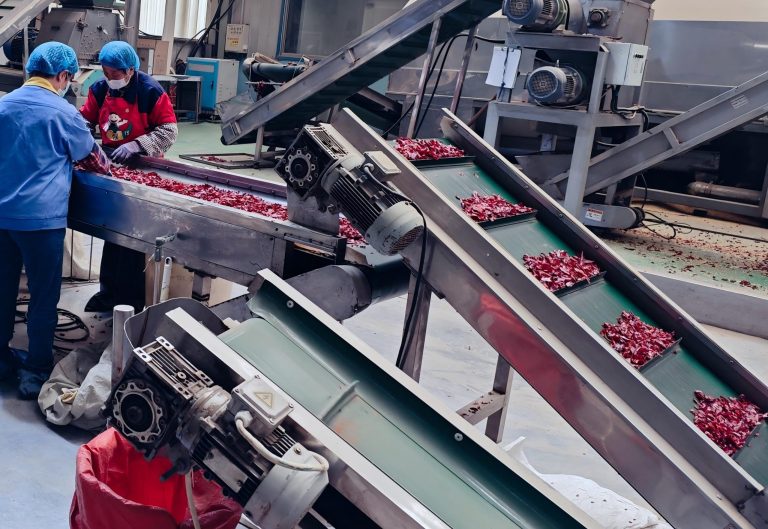
وبمجرد تجفيف الفلفل، يمر عبر عمليات التنظيف، والسحق، والطحن، والتعبئة.
وقد صُممت هذه العمليات بعناية للحفاظ على جودة المنتج.
ومع ذلك، فإن صيانة المعدات لا تقل أهمية عن ذلك.
تعمل أنظمة الطحن في ظل إجهاد ميكانيكي مستمر.
مع مرور الوقت، يحدث تآكل طبيعي.
تقلل المعدات التي يتم صيانتها جيدًا من هذا الخطر من خلال الصيانة الوقائية والفحص والاستبدال المجدول للمكونات البالية.
غالبًا ما يقوم المشترون المحترفون بتقييم ما إذا كان لدى الموردين برامج صيانة موثقة، بدلاً من الاعتماد على المظهر الخارجي للمعدات وحدها في تقييم حالتها.
غالبًا ما تكشف سجلات الصيانة عن معلومات أكثر بشأن التحكم في العمليات على المدى الطويل مقارنة بجولة في المنشأة.
التلوث المتبادل بين دورات الإنتاج
يُعد التلوث المتبادل أحد أكثر مخاطر التوريد التي يتم تجاهلها.
تقوم العديد من منشآت معالجة التوابل بتصنيع منتجات متعددة على خطوط إنتاج مشتركة.
وقد تشمل هذه الأمور ما يلي:
- مسحوق الفلفل الحار
- الفلفل الأسود
- الكركم
- مسحوق الثوم
- خليطات الكاري
- توابل مختلطة
في حالة عدم اتباع إجراءات تنظيف فعالة بين دورات الإنتاج، قد تبقى بقايا المنتجات السابقة داخل أنظمة النقل أو المطاحن أو معدات التعبئة والتغليف.
على الرغم من أن التنظيف يهدف في المقام الأول إلى ضمان سلامة الأغذية وإدارة المواد المسببة للحساسية، فإن برامج التنظيف التي تم التحقق من فعاليتها تُظهر أيضًا الالتزام العام بمعايير العملية.
لذلك، ينبغي على المشترين أن يسألوا الموردين:
- كيف يتم تنظيف خطوط الإنتاج؟
- هل تم التحقق من صحة عملية التنظيف؟
- كيف تتم إدارة جدولة الإنتاج؟
- كيف يتم فصل المنتجات عالية المخاطر؟
عادةً ما تمتلك المصانع التي تطبق ضوابط تشغيلية صارمة إجابات واضحة مدعومة بإجراءات موثقة.
شروط التخزين قبل المعالجة
لا تتم معالجة الفلفل الخام دائمًا فور حصاده.
تؤثر ظروف التخزين قبل الإنتاج على الجودة والاتساق على حد سواء.
ومن بين الاعتبارات المهمة ما يلي:
- التحكم في الرطوبة
- مكافحة الآفات
- التهوية
- تناوب المخزون
- إمكانية التتبع
قد لا تؤدي الممارسات السيئة في مجال التخزين إلى زيادة محتوى المعادن الثقيلة بشكل مباشر، لكنها غالبًا ما تشير إلى أوجه ضعف أوسع نطاقًا في أنظمة إدارة الجودة.
غالبًا ما يلاحظ المدققون ذوو الخبرة أن الشركات التي تتبع أساليب منضبطة في إدارة المستودعات تتمتع أيضًا بمستوى أعلى من الرقابة الشاملة على الإنتاج.
يميل التميز التشغيلي إلى أن يكون متسقًا عبر الأقسام المختلفة.
النقل عبر سلسلة التوريد
يُعد النقل مجالًا آخر لا يحظى إلا باهتمام محدود نسبيًّا.
قد تقطع المواد الخام مسافات طويلة بين المزارع ومرافق التجفيف ومصانع المعالجة ومستودعات التصدير.
يضع الموردون المحترفون إجراءات تساعد في الحفاظ على سلامة المنتجات أثناء النقل.
وقد تشمل هذه الأمور ما يلي:
- مركبات النقل النظيفة
- التغليف المحمي
- رقم تعريف اللوت
- وثائق الشحن
- سجلات التتبع
تقلل الخدمات اللوجستية المدارة بشكل جيد من فرص التلوث، مع تحسين مراقبة المخزون على طول سلسلة التوريد.
لماذا قد يؤدي وجود موردين اثنين إلى نتائج مختلفة تمامًا
لنفترض وجود مصدّرين اثنين للبابريكا.
وكلاهما يدير مصانع حديثة.
وكلاهما حاصلان على شهادات معترف بها في مجال سلامة الأغذية.
وكلاهما يقدمان تقارير معملية متوافقة مع المعايير.
من الخارج، تبدو متطابقة تقريبًا.
ومع ذلك، فإن المورد «أ» يتعامل مع مزارع مرتبطة بعقود طويلة الأجل، ويقوم بمراجعة المدخلات الزراعية، ومراقبة مياه الري، وإجراء اختبارات على المواد الخام الواردة، وتقييم كل دفعة إنتاجية قبل الشحن.
يقوم المورد «ب» بشراء الفلفل من خلال عدد من التجار الموسميين، معتمداً في ذلك بشكل أساسي على توفر المنتج في السوق، ولا يتحقق إلا من المنتج النهائي.
قد يقوم كلا الموردين بشحن منتجات مطابقة للمواصفات اليوم.
ولكن عندما تتغير الظروف الجوية، أو تتغير المناطق الزراعية، أو تصبح جودة المواد الخام أكثر تقلبًا، يكون المورد «أ» عمومًا في وضع أفضل للحفاظ على جودة ثابتة، لأن المخاطر تمت السيطرة عليها في مرحلة مبكرة من سلسلة التوريد.
وهذا يوضح مبدأً هامًّا في مجال المشتريات:
تتحقق الجودة من خلال نظام الإنتاج — ولا تنشأ عن تقرير المختبر.
هل يمكن إزالة المعادن الثقيلة أثناء المعالجة؟
هذا أحد الأسئلة الأكثر شيوعًا التي يطرحها المشترون.
والإجابة العملية هي:
بشكل عام، لا.
بمجرد أن تمتص نباتات الفلفل المعادن الثقيلة أثناء الزراعة، لا يمكن إزالتها ببساطة من خلال عمليات التصنيع الغذائية العادية دون إحداث تغيير جذري في المكون نفسه.
تساهم عمليات التجفيف والطحن والتعقيم والتعبئة في تحسين استقرار المنتج وسلامة الأغذية، لكنها ليست مصممة لإزالة المعادن الثقيلة.
ولهذا السبب، فإن الوقاية أكثر فعالية بكثير من العلاج.
يركز الموردون الأكثر كفاءة على الحد من المخاطر قبل الحصاد من خلال الاختيار الدقيق للمزارع، والإدارة الزراعية، والتحقق من جودة المواد الخام، بدلاً من محاولة حل المشكلات بعد بدء الإنتاج.
من الطرق المفيدة لتصور ذلك هو خبز الخبز.
إذا تم استخدام دقيق رديء الجودة في البداية، فلن تتمكن أي درجة من الدقة في الخبز من تحويله إلى دقيق عالي الجودة.
وينطبق المبدأ نفسه على البابريكا.
تبدأ المنتجات النهائية عالية الجودة بمواد خام مُدارة بشكل جيد.
ماذا يعني ذلك للمشترين المحترفين
لا ينبغي أبدًا النظر إلى الامتثال لمعايير المعادن الثقيلة على أنه مجرد ممارسة مختبرية بحتة.
وبدلاً من ذلك، ينبغي على المشترين تقييم ما إذا كان الموردون قد طوروا نظام جودة قادرًا على إنتاج منتجات مطابقة للمواصفات بشكل متكرر عبر المحاصيل المتغيرة ومناطق الزراعة ومواسم الإنتاج المختلفة.
عادةً ما يُظهر الموردون الأكثر موثوقية قوتهم في عدة مجالات:
- علاقات طويلة الأمد مع مزارعين مؤهلين
- معايير قبول المواد الخام المحددة
- الرصد البيئي والزراعي الروتيني
- عمليات التجفيف والمعالجة الخاضعة للرقابة
- الصيانة الوقائية للمعدات
- التحقق التحليلي الخاص بكل دفعة
- إمكانية تتبع الإنتاج بشكل كامل
- التحسين المستمر للجودة
تُعزز هذه الضوابط التشغيلية الثقة في أن الامتثال هو نتيجة لعملية مُدارة بشكل جيد — وليس مجرد حظ سعيد.
النقاط الرئيسية:
تبدأ مخاطر المعادن الثقيلة قبل إجراء الفحوصات المخبرية بفترة طويلة.
تنشأ معظم حالات التلوث أثناء الزراعة، أو التعرض للعوامل البيئية، أو مناولة المواد الخام، وليس أثناء المعالجة النهائية.
يقوم الموردون المسؤولون بإدارة المخاطر على طول سلسلة التوريد من خلال مراقبة المزارع، ورصد المواد الخام، وصيانة المعدات، والتحقق من إجراءات التنظيف، والتأكد من سلامة كل مرحلة من مراحل الإنتاج.
بالنسبة للمشترين، فإن فهم كيف إن المورد الذي ينتج باستمرار الفلفل الحلو المطابق للمواصفات يُعد في نهاية المطاف أكثر قيمة من عملية المراجعة تقرير اختبار واحد مطابق للمواصفات.
التالي (الجزء الثالث): كيف يتعامل الموردون المسؤولون مع مخاطر المعادن الثقيلة، وكيفية تقييم شهادة تحليل مكونات البابريكا (COA)، والاختبارات التي تجريها جهات خارجية، وتأهيل الموردين، وقوائم مراجعة تدقيق المشترين، وأكثر أخطاء الشراء شيوعًا.
الجزء الثالث
كيف يقيّم المشترون المحترفون الموردين بما يتجاوز شهادة المنشأ
وبحلول الوقت الذي تتسلم فيه فرق المشتريات «شهادة التحليل» (COA)، تكون معظم القرارات المتعلقة بالجودة قد اتُخذت بالفعل.
تم زراعة الفلفل.
اكتمل الحصاد.
تم اختيار المواد الخام.
تم تجفيف المنتج ومعالجته وتعبئته واختباره.
يلخص تقرير لجنة مراجعة الحسابات (COA) النتيجة.
وهو لا يوضح كيف تم التوصل إلى تلك النتيجة.
هذا التمييز يفصل بين عمليات الشراء الروتينية وعملية التأهيل المهني للموردين.
المشترون المتمرسون لا يكتفون بالسؤال فقط “هل هذه الدفعة مطابقة للمواصفات؟”
كما يسألون:
- هل يستطيع هذا المورد تحقيق نفس النتيجة الشهر المقبل؟
- ما هي الإجراءات الرقابية المتبعة قبل إجراء الفحوصات المخبرية؟
- كيف يتصرف المورد عندما تتغير جودة المواد الخام؟
- هل يتم ضمان الجودة خلال العملية أم يتم فحصها في نهايتها؟
تُعد هذه الأسئلة مؤشراً أفضل بكثير على موثوقية الإمداد على المدى الطويل.
كيف يبدو برنامج مراقبة معادن ثقيلة مسؤول
لا تعتمد شركات تصنيع البابريكا الأكثر موثوقية على اختبار المنتج النهائي كإجراء رقابة أساسي.
بل إنهم يضعون طبقات متعددة من الإجراءات الوقائية في جميع مراحل عملية الإنتاج.
على الرغم من أن كل شركة تعمل بطريقة مختلفة، إلا أن نظام الجودة الناضج غالبًا ما يتبع مسار عمل مشابهًا لما يلي:
تأهيل الموردين

↓

مناطق الزراعة المعتمدة

↓

فحص المواد الخام

↓

التحقق المختبري للمواد الواردة

↓

ضوابط التنظيف والمعالجة

↓

اختبار المنتج النهائي

↓

مراجعة الإفراج عن الدُفعات

↓

وثائق التصدير

↓

دعم تتبع العملاء
تعمل كل مرحلة على تقليل المخاطر قبل بدء المرحلة التالية.
يُعد هذا النهج الوقائي أكثر فعالية عمومًا من اكتشاف المشكلات بعد اكتمال عملية الإنتاج فقط.
الخطوة 1: تبدأ عملية تأهيل الموردين من المزرعة
نادرًا ما يشتري المصنعون المحترفون الفلفل دون التحقق من مصدره.
بل إنهم يضعون معايير تأهيل للمزارعين أو موردي المواد الخام.
تشمل مجالات التقييم النموذجية ما يلي:
- تاريخ منطقة الزراعة
- الممارسات الزراعية
- إجراءات الحصاد
- قدرة التتبع
- أداء الجودة في الماضي
- وثائق سلامة الأغذية
كما تقوم بعض الشركات المصنعة بإجراء مراجعات دورية للموردين بدلاً من اعتبار الموافقة وضعاً دائماً.
وهذا أمر مهم لأن الظروف الزراعية تتغير بمرور الوقت.
إن المزرعة التي تحقق أداءً جيدًا باستمرار في الوقت الحالي ينبغي أن تواصل إظهار نفس المستوى من التحكم في مواسم الزراعة المقبلة.
الخطوة 2: فحص المواد الخام الواردة
يُعد فحص المواد الخام مرحلة مراقبة مهمة قبل بدء الإنتاج.
حتى الموردون الموثوق بهم يتعرضون لتقلبات موسمية.
يساعد الفحص عند الاستلام على تحديد المشكلات المحتملة قبل دخول الفلفل الخام إلى مرحلة المعالجة.
قد تشمل إجراءات التحقق النموذجية ما يلي:
- الجودة البصرية
- الرطوبة
- المواد الغريبة
- الهوية
- أخذ العينات لإجراء التحاليل المختبرية
- مراجعة الوثائق
- رقم تعريف اللوت
لا تتطلب كل معلمة إجراء اختبارات معملية لكل شحنة، لكن وجود برنامج فحص منظم يساعد في الحد من التباين غير الضروري في مراحل لاحقة من الإنتاج.
الخطوة 3: مراقبة العمليات أثناء التصنيع
يرتبط التحكم في المعادن الثقيلة ارتباطًا وثيقًا بالانضباط العام في عملية التصنيع.
تُظهر المصانع التي تعمل في إطار أنظمة إنتاج خاضعة للرقابة اتساقًا أفضل بشكل عام، لأن كل مرحلة تتبع إجراءات موثقة.
ومن الأمثلة على ذلك:
- التدفق المنظم للمواد
- تنظيف خط الإنتاج
- صيانة المعدات
- تحديد الدُفعات
- تدريب المشغلين
- توثيق العمليات
تقلل هذه الإجراءات من فرص التلوث مع تحسين إمكانية التتبع.
لا ينبغي أبدًا أن تعتمد إدارة الجودة بشكل كامل على الاختبارات المعملية بعد انتهاء عملية الإنتاج.
الخطوة 4: التحقق من المنتج النهائي
يظل اختبار المنتجات النهائية جزءًا أساسيًا من عملية ضمان الجودة.
ومع ذلك، ينبغي أن تؤكد هذه العملية فعالية الإجراءات بدلاً من أن تعوض عن ضعف الرقابة على الإنتاج.
بناءً على متطلبات العملاء، قد يشمل التحقق من المنتج النهائي ما يلي:
- المعادن الثقيلة
- التحليل الميكروبيولوجي
- الرطوبة
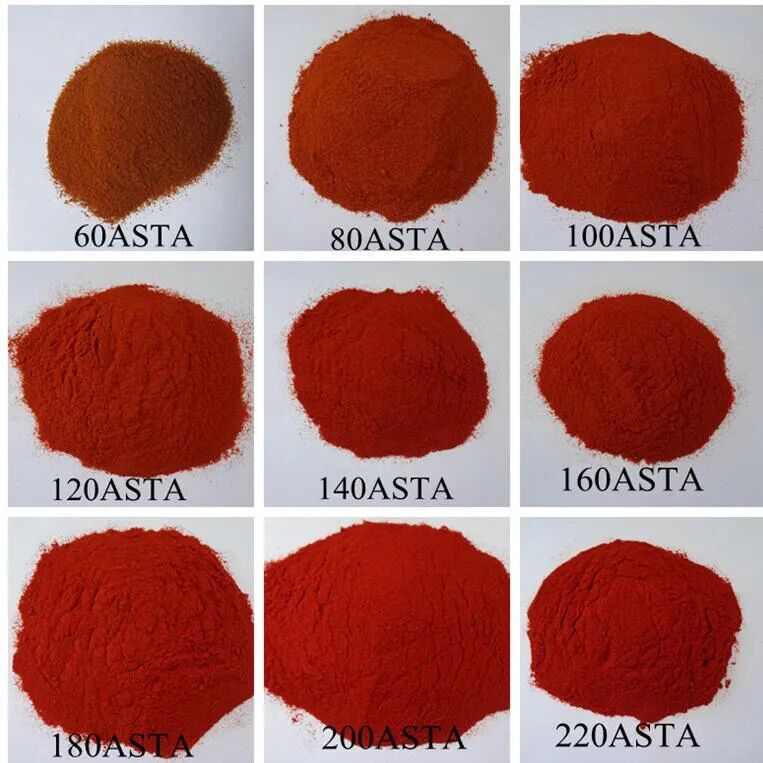
- لون ASTA
- حجم الجسيمات
- المواد الغريبة
- بقايا المبيدات
- هوية المنتج
عندما تتطابق النتائج التحليلية باستمرار مع الأداء السابق، تزداد ثقة المشترين في أن عملية الإنتاج لا تزال تحت السيطرة.
فهم شهادة التحليل (COA)
بالنسبة للعديد من المشترين، يُعد شهادة المنشأ (COA) أول وثيقة يتم مراجعتها خلال عملية الموافقة على المورد.
إنه أمر مهم بالتأكيد.
ومع ذلك، فإن قيمتها تعتمد على مدى الدقة في تفسيرها.
ينبغي أن تجيب خطة العمل (COA) على أكثر من سؤال بسيط واحد.
بدلاً من الاكتفاء بالسؤال:
“هل اجتازت هذه الدفعة الاختبار؟”
كما يسأل المشترون المحترفون:
“ما مدى موثوقية هذا التقرير؟”
غالبًا ما تعتمد الإجابات على تفاصيل يتم تجاهلها أحيانًا.
كيفية قراءة شهادة مطابقة الجودة (COA) الخاصة بـ «بابريكا» كخبير في مجال المشتريات
1. تأكد من رقم الدفعة
يجب أن تحدد كل شهادة منشأ (COA) بوضوح دفعة الإنتاج.
يربط رقم الدفعة تقرير المختبر بما يلي:
- سجلات التصنيع
- سجلات التعبئة والتغليف
- وثائق الشحن
- أنظمة التتبع
وبدون تحديد الدفعة، يصبح التحقق من صحة المستندات أكثر صعوبة بكثير.
2. تحقق من تاريخ الإنتاج
يجب أن تعكس الاختبارات بشكل معقول فترة الإنتاج الفعلية.
إذا كانت التقارير التحليلية أقدم بكثير من تواريخ الإنتاج، فقد يرغب المشترون في معرفة السبب.
تُعزز الوثائق الحديثة عمومًا الثقة أثناء عملية تأهيل الموردين.
3. مراجعة تاريخ أخذ العينات
لا تكون نتائج الاختبار ذات مغزى إلا إذا كانت إجراءات أخذ العينات تمثل دفعة الإنتاج الفعلية.
من بين الأسئلة التي يطرحها المشترون عادةً ما يلي:
- متى تم إجراء أخذ العينات؟
- من الذي جمع العينة؟
- هل كانت العينة ممثلة للدفعة؟
تعد العينات التمثيلية لا تقل أهمية عن دقة المختبر.
4. التحقق من مختبر الاختبار
لا تعمل جميع المختبرات في إطار أنظمة جودة متطابقة.
غالبًا ما يكتب المشترون المحترفون التعليقات التالية:
- اعتماد المختبرات
- القدرة التحليلية
- التحقق من صحة الطريقة
- أنظمة إدارة الجودة
قد توفر المختبرات المستقلة التابعة لأطراف ثالثة مزيدًا من الثقة في التطبيقات عالية المخاطر.
5. فهم المنهج التحليلي
لا تكون للنتيجة العددية قيمة تذكر دون فهم الكيفية التي تم التوصل إليها.
ينبغي أن يكون الموردون المسؤولون قادرين على توضيح ما يلي:
- ما هي الطريقة التحليلية التي تم استخدامها؟
- قدرة الكشف
- عدم اليقين في القياس، حيثما كان ذلك مناسبًا
- المرجع التنظيمي المعمول به
إن الإبلاغ الشفاف يدل على الثقة في عملية الاختبار.
6. مراجعة حدود الكشف
في بعض الأحيان، يركز المشترون فقط على القيم المُعلنة.
وتعد القدرة على الكشف ذات أهمية مماثلة.
إذا كانت حدود الكشف المختبرية مرتفعة جدًّا، فقد تظل التغيرات الطفيفة غير مكتشفة.
وبالتالي، تقوم فرق ضمان الجودة المتخصصة بمراجعة ما يلي:
- حد الكشف (LOD)
- حد القياس (LOQ)
تساعد هذه المعايير في تحديد ما إذا كانت الطريقة المختبرية توفر حساسية كافية.
7. تأكيد معيار المواصفات
يجب أن تحدد كل شهادة مطابقة (COA) بوضوح المواصفة أو اللائحة التي تم استخدامها في عملية التقييم.
ومن الأمثلة على ذلك:
- متطلبات العميل
- سلامة الأغذية على الصعيد الوطني قياسي
- المتطلبات الدولية
- المواصفات الداخلية للشركة
بدون وجود مرجع محدد، يصعب تفسير كلمة “Pass”.
المفاهيم الخاطئة الشائعة حول شهادة المنشأ (COA)
يكفي تقديم شهادة منشأ واحدة مطابقة للمتطلبات لا يعني بالضرورة:
- جميع الشحنات متطابقة.
- تم اختبار كل دفعة.
- كل دفعة إنتاج تأتي من نفس المزرعة.
- وستكون المحاصيل المستقبلية على نفس المنوال.
- تم تقييم نظام الجودة الشامل للمورد.
اعتبر شهادة إتمام الدراسة بمثابة درجة الامتحان النهائي.
تشير الدرجة الجيدة إلى أن الطالب قد حقق أداءً جيدًا في أحد الاختبارات.
وهذا لا يكشف تلقائيًا عن الطريقة التي درسوا بها طوال الفصل الدراسي.
وينطبق المبدأ نفسه على تأهيل الموردين.
متى يكون إجراء الاختبارات من قبل جهة خارجية مناسبًا؟
يقوم العديد من مصنعي الأغذية بإجراء اختبارات تحقق مستقلة بالإضافة إلى مراجعة وثائق الموردين.
يُعد هذا النهج شائعًا بشكل خاص في الحالات التالية:
- الموافقة على الموردين الجدد
- الدخول إلى مناطق توريد جديدة
- إنتاج الأغذية المخصصة للرضع أو الأغذية المخصصة للأشخاص ذوي البشرة الحساسة
- إدارة متطلبات التصدير
- التحقيق في التباين التحليلي غير المتوقع
لا ينبغي أن تحل الاختبارات التي تجريها أطراف ثالثة محل أنظمة الجودة الخاصة بالموردين.
بل إنها توفر مستوىً إضافياً من التحقق.
عندما تتوافق نتائج الاختبارات التي يجريها المورد مع نتائج الاختبارات المستقلة بشكل متسق على مدار الوقت، تزداد ثقة المشتري بشكل طبيعي.
الأسئلة التي يجب على كل مشترٍ طرحها قبل الموافقة على مورد ما
بدلاً من الاكتفاء بطلب عرض أسعار فقط، غالبًا ما تبحث فرق المشتريات ذات الخبرة في كيفية إدارة الجودة على مدار مراحل الإنتاج.
ومن بين الأسئلة المفيدة ما يلي:
مراقبة المواد الخام
- من أين يتم استيراد الفلفل؟
- هل يتبع المزارعون المعتمدون برامج زراعية موثقة؟
- كيف تتم إدارة التغيرات الموسمية؟
رصد المعادن الثقيلة
- ما هي المعادن الثقيلة التي يتم تحليلها بشكل روتيني؟
- هل يتم اختبار جميع دفعات الإنتاج؟
- ما هي وتيرة إجراء اختبارات التحقق؟
- ما هي الطرق التحليلية المستخدمة؟
إدارة الجودة
- كيف تتم الموافقة على المواد الخام؟
- كيف يتم التعامل مع الدُفعات غير المطابقة للمواصفات؟
- ما هي إجراءات التصحيح المتبعة؟
التصنيع
- كيف يتم تنظيف خطوط الإنتاج؟
- كيف يتم توثيق صيانة المعدات؟
- كيف يتم تحديد الدُفعات خلال عملية الإنتاج؟
إمكانية التتبع
- هل يمكن تتبع كل شحنة حتى المواد الخام؟
- ما هي مدة الاحتفاظ بسجلات الإنتاج؟
- هل تتوفر الوثائق الكاملة عند الطلب؟
غالبًا ما يُظهر الموردون الذين يجيبون على هذه الأسئلة بوضوح واتساق مستوىً أعلى من النضج التشغيلي مقارنةً بالموردين الذين يعتمدون على الشهادات فقط.
ما الذي يجب على المشترين الانتباه إليه أثناء عملية تدقيق الموردين
ينبغي أن يتحقق تدقيق المصنع من الكيفية التي يسير بها الإنتاج فعليًّا — وليس مجرد التأكد من وجود الوثائق.
خلال عملية التقييم الميداني، عادةً ما يقوم المشترون بمراجعة ما يلي:
مستودع المواد الخام
- شروط التخزين
- رقم تعريف اللوت
- تناوب المخزون
- مكافحة الآفات
منطقة الإنتاج
- نظافة المعدات
- تدفق المواد
- إجراءات التنظيف
- ممارسات المشغلين
المختبر
- سجلات المعايرة
- القدرة على إجراء الاختبارات
- الاحتفاظ بالعينات
- الوثائق
نظام الجودة
- الإجراءات التصحيحية
- التدقيق الداخلي
- معالجة الشكاوى
- إدارة التغيير
إمكانية التتبع
غالبًا ما يطلب المشترون من فرق الجودة تتبع شحنة واحدة من المنتجات النهائية عبر:
- سجلات الإنتاج
- دفعات المواد الخام
- وثائق الموردين
- سجلات التعبئة والتغليف
تُثبت إمكانية التتبع القوية أن الوثائق تعكس العمليات الفعلية.
الأخطاء الشائعة في مجال المشتريات
حتى فرق المشتريات ذات الخبرة تتخذ أحيانًا قرارات بناءً على معلومات غير كاملة.
ومن بين الأخطاء الأكثر شيوعًا ما يلي:
اختيار السعر الأقل فقط
قد تكون الأسعار المنخفضة عاملًا جذابًا، لكن ينبغي دائمًا النظر إليها جنبًا إلى جنب مع قدرات المورد، وأنظمة الجودة، والاتساق على المدى الطويل.
الشحنة الأقل تكلفة ليست دائمًا الخيار الأكثر اقتصادية في عملية التوريد.
الاعتماد على سجل تاريخي واحد
لا يقدم التقرير التحليلي الواحد سوى نظرة محدودة.
إن مراجعة دفعات الإنتاج المتعددة على مدار فترة زمنية معينة توفر صورة أكثر موثوقية بكثير لأداء المورد.
الافتراض بأن الشهادات تضمن جودة المنتج
تُثبت شهادات سلامة الأغذية وجود أنظمة إدارة.
ولا تضمن الشركة أن كل شحنة ستستوفي تلقائيًا جميع متطلبات العملاء.
تعد الشهادة مؤشراً مهماً — لكنها ليست الحل النهائي.
تجاهل التباين الموسمي
البابريكا منتج زراعي.
تختلف الأحوال الجوية، ومعدلات هطول الأمطار، وموعد الحصاد، وظروف النمو بطبيعة الحال من سنة إلى أخرى.
يتوقع المشترون المحترفون حدوث هذه التغييرات، ويقيّمون الموردين بناءً على مدى فعالية إدارتهم لها.
التركيز على المختبر فقط
تعد الفحوصات المخبرية أمرًا ضروريًا.
ومع ذلك، فإن التقارير المختبرية تصف النتائج بعد الإنتاج.
تبدأ إدارة الجودة الوقائية في مرحلة مبكرة جدًّا.
أفضل الموردين هم أولئك الذين يحلون المشكلات قبل وصول العينات إلى المختبر.
عقلية المشتريات: النظر إلى ما وراء الامتثال
يتمثل الهدف النهائي من التوريد الاحترافي في الحد من عدم اليقين في المستقبل.
المورد الذي يثبت باستمرار:
- شراكات زراعية مستقرة
- الإنتاج الخاضع للرقابة
- التوثيق الشفاف
- بيانات مختبرية موثوقة
- إمكانية تتبع قوية
- التحسين المستمر
سيوفر عمومًا قيمة أكبر على المدى الطويل مقارنةً بالمورد الذي تتمثل ميزته الرئيسية في سعر شراء أقل.
الالتزام مهم.
والاتساق له قيمة أكبر من ذلك.
الهدف من عملية تأهيل الموردين لا يقتصر على مجرد العثور على مورد قادر على إنتاج دفعة واحدة مطابقة للمواصفات.
ويتمثل ذلك في تحديد شريك تصنيعي قادر على تقديم جودة موثوقة عامًا بعد عام، على الرغم من التغيرات في ظروف الحصاد ومتطلبات العملاء والتوقعات التنظيمية.
النقاط الرئيسية
- تعد شهادة التحليل وثيقة تحقق مهمة، لكن لا ينبغي أبدًا أن تحل محل التقييم الشامل للمورد.
- يقوم المشترون المحترفون بمراجعة الأنظمة التي تقف وراء هذه النتائج — إدارة المزارع، ومراقبة المواد الخام، والالتزام بمعايير الإنتاج، وقدرات المختبرات، وإمكانية التتبع، والتحسين المستمر.
- الموردون الذين يستثمرون باستمرار في إدارة الجودة الوقائية يكونون عمومًا أكثر استعدادًا للحفاظ على جودة الفلفل الحلو المتوافقة مع المعايير والموثوقة عبر المواسم المتغيرة ودورات الإنتاج.
التالي (الجزء الرابع): مقارنة بين متطلبات الصين والاتحاد الأوروبي والولايات المتحدة و"كودكس" بشأن المعادن الثقيلة، والاتجاهات التنظيمية المستقبلية، و12 سؤالاً شائعاً من المشترين، والتوصيات النهائية بشأن المشتريات، ومخطط JSON-LD، واستراتيجية الروابط الداخلية لتحقيق أقصى قيمة في مجال تحسين محركات البحث (SEO) ومعايير EEAT.
الجزء الرابع
مقارنة عالمية بين الأنظمة التنظيمية، والأسئلة الشائعة للمشترين، والتوصيات النهائية بشأن المشتريات
وبعد الانتهاء من التقييم الفني لمورد البابريكا، عادةً ما يبقى سؤال أخير:
هل سيتوافق هذا المنتج مع متطلبات السوق المستهدفة؟
ويكتسب هذا الأمر أهمية خاصة بالنسبة للشركات التي تصدر الفلفل الحلو إلى بلدان متعددة. فالمنتج الذي يستوفي المتطلبات التنظيمية لسوق ما قد يظل بحاجة إلى وثائق إضافية أو اختبارات أو تعديلات في المواصفات قبل دخوله إلى سوق آخر.
ولهذا السبب، لا يقتصر المصدّرون المتمرسون على تصنيع المنتجات لمجرد الامتثال لمعيار وطني واحد. بل يقومون بدلاً من ذلك بإنشاء أنظمة جودة قادرة على تلبية متطلبات الأطر التنظيمية المختلفة مع الحفاظ على اتساق الإنتاج.
مقارنة المعايير الصينية بالمتطلبات الدولية الأخرى
تعد الصين واحدة من أكبر الدول في العالم في مجال تصنيع وتصدير المكونات الغذائية، وقد أصبحت لوائحها المتعلقة بسلامة الأغذية متوافقة بشكل متزايد مع المبادئ الدولية لسلامة الأغذية.
ومع ذلك، ينبغي للمشترين أن يدركوا أن كل دولة مستوردة تطبق إطارها التنظيمي الخاص بها.
على الرغم من أن العديد من اللوائح تشترك في نفس الهدف — وهو حماية صحة المستهلك — إلا أن التفاصيل قد تختلف.
تشمل المجالات التي تتباين عادةً ما يلي:
- الحدود القصوى لمستويات الملوثات
- تصنيف المنتجات
- وتيرة الاختبار
- متطلبات التوثيق
- إجراءات التحقق من الواردات
- طرق أخذ العينات
- متطلبات إعداد التقارير المختبرية
وبالنسبة للشركات المصنعة العالمية، يعني هذا أنه ينبغي دائمًا التحقق من الامتثال وفقًا لمتطلبات السوق المستهدفة، بدلاً من الافتراض بأن متطلبات دولة ما تفي تلقائيًا بمتطلبات دولة أخرى.
الصين
القوة
وقد وضعت الصين معايير وطنية شاملة لسلامة الأغذية تشمل الملوثات والمضافات الغذائية والمعايير الميكروبيولوجية ومتطلبات وضع العلامات.
عادةً ما يتمتع كبار المصدرين بخبرة واسعة في تلبية طلبات المستندات الدولية.
الاعتبارات
يُثبت الامتثال للمعايير الصينية التوافق مع اللوائح الصينية، لكن قد يطلب عملاء التصدير إجراء اختبارات أو تقديم وثائق إضافية وفقًا لمتطلبات أسواقهم.
توصية للمشتري
اطلب الوثائق الخاصة بالشحنة والتي تتوافق مع المتطلبات التنظيمية لبلد المقصد.
الاتحاد الأوروبي
القوة
يطبق السوق الأوروبي تشريعات مفصلة في مجال سلامة الأغذية، ويولي اهتمامًا كبيرًا لمراقبة الملوثات، وإمكانية التتبع، ومسؤولية الموردين.
غالبًا ما يطلب المشترون الأوروبيون وثائق فنية مفصلة إلى جانب التقارير التحليلية.
الاعتبارات
قد تكون مواصفات العملاء أكثر تقييدًا من الحد الأدنى للمتطلبات القانونية.
توصية للمشتري
يرجى التأكد من الامتثال للوائح التنظيمية ومواصفات كل عميل على حدة قبل الشحن.
الولايات المتحدة
القوة
تعمل شركات تصنيع الأغذية عادةً في إطار أنظمة إدارة وقائية لسلامة الأغذية، مع إيلاء اهتمام كبير للتحقق من الموردين.
عادةً ما يُطلب تقديم الوثائق الداعمة للضوابط الوقائية.
الاعتبارات
غالبًا ما يضع العملاء الأفراد مواصفات شراء تتجاوز الحد الأدنى من المتطلبات التنظيمية.
توصية للمشتري
فهم الالتزامات التنظيمية ومتطلبات الجودة الخاصة بالعملاء على حد سواء.
كودكس أليمنتاريوس
القوة
يقدم «كودكس» معايير غذائية معترف بها دوليًّا تم وضعها من خلال التعاون العلمي العالمي.
تشير العديد من الدول إلى مبادئ «كودكس» عند وضع اللوائح الوطنية.
الاعتبارات
لا تحل إرشادات «كودكس» محل التشريعات الوطنية تلقائيًا.
قد تضع كل دولة مستوردة على حدة متطلبات قانونية مختلفة.
توصية للمشتري
اعتبر «كودكس» مرجعاً دولياً، مع الحرص دائماً على التأكد من اللوائح المحلية.
منتج واحد، أسواق متعددة
يمكن لمُصدِّر الفلفل الحلو أن يزود عملاءه في الصين وأوروبا وأمريكا الشمالية وجنوب شرق آسيا والشرق الأوسط في آن واحد.
على الرغم من أن البابريكا النهائية قد تبدو متطابقة، إلا أن الوثائق الداعمة غالبًا ما تختلف.
يمكن للعملاء طلب ما يلي:
- أشكال مختلفة لإعداد التقارير المتعلقة بالمعادن الثقيلة
- اختبارات إضافية للكشف عن الملوثات
- المواصفات الخاصة بالعميل
- الإعلانات الخاصة بكل بلد
- توسيع نطاق وثائق التتبع
يقوم المصدرون ذوو الخبرة بإعداد المستندات وفقًا لمتطلبات العملاء، بدلاً من تقديم حزم مستندات متطابقة لكل شحنة.
وغالبًا ما تعكس هذه المرونة مدى نضج نظام إدارة الجودة لدى المورد.
الاتجاهات المستقبلية في مجال مراقبة المعادن الثقيلة
تستمر لوائح سلامة الأغذية في التطور مع تحسن التقنيات التحليلية وزيادة شفافية سلاسل التوريد.
هناك العديد من الاتجاهات في هذا القطاع التي تزداد أهميتها يوماً بعد يوم.
زيادة الشفافية في سلسلة التوريد
يتزايد توقع المشترين من الموردين إثبات مصدر المواد الخام، بدلاً من الاكتفاء بتقديم نتائج المنتج النهائي.
لا تزال مسألة التتبع على مستوى المزرعة تحظى باهتمام متزايد في جميع مراحل سلاسل التوريد الدولية.
تعزيز عمليات التحقق على مستوى الدُفعات
يطلب العديد من المصنعين الآن تقارير تحليلية خاصة بكل دفعة، بدلاً من الاعتماد على وثائق التأهيل السنوية.
يمنح هذا النهج ثقة أكبر أثناء عمليات الشراء الروتينية.
المزيد من المتطلبات الخاصة بالعملاء
بدلاً من القبول بالمواصفات القياسية، يتجه كبار مصنعي الأغذية بشكل متزايد إلى وضع معايير شراء خاصة بهم استنادًا إلى تقييمات المخاطر الداخلية.
قد تتجاوز هذه المتطلبات الحدود الدنيا المنصوص عليها في اللوائح التنظيمية.
التوثيق الرقمي
تسهم إدارة المستندات الإلكترونية في تحسين إمكانية التتبع، وتسريع الاستجابة لطلبات العملاء، وتبسيط عمليات التحقق التنظيمية.
كما تقلل أنظمة الجودة الرقمية من مخاطر حدوث أخطاء في التوثيق.
إدارة الجودة الوقائية
تواصل الصناعة التحول من اكتشاف المشكلات بعد الإنتاج إلى الوقاية منها قبل بدء الإنتاج.
ويؤكد هذا التحول على أهمية الإدارة الزراعية، وتقييم كفاءة الموردين، والتحسين المستمر.
الأسئلة الشائعة
1. هل تحتوي البابريكا بشكل طبيعي على معادن ثقيلة؟
قد تمتص البابريكا، شأنها شأن العديد من المحاصيل الزراعية، كميات ضئيلة من بعض العناصر بشكل طبيعي من التربة والمياه. ولهذا السبب تحدد لوائح سلامة الأغذية الحدود القصوى المسموح بها.
لماذا هذا مهم: وجود مادة ما في الطبيعة لا يعني تلقائيًا أن المنتجات التي تحتوي عليها غير آمنة.
الإجراء الذي يتعين على المشتري اتخاذه: يجب مراجعة التقارير التحليلية جنبًا إلى جنب مع إجراءات مراقبة الجودة لدى الموردين، بدلاً من الاعتماد على الافتراضات.
2. ما هي المعادن الثقيلة التي يتم فحصها بشكل أكثر شيوعًا؟
عادةً ما تقوم شركات تصنيع الأغذية بمراقبة مستويات الرصاص والكادميوم والزرنيخ والزئبق وفقًا للوائح المعمول بها ومتطلبات العملاء.
لماذا هذا مهم: قد تركز الأسواق المختلفة على متطلبات اختبار مختلفة.
الإجراء الذي يتعين على المشتري اتخاذه: تأكد من أن نطاق الاختبارات التي يجريها المورد يتوافق مع السوق المستهدفة.
3. هل يكفي الحصول على شهادة مطابقة واحدة للموافقة على المورد؟
بشكل عام، لا.
تمثل شهادة التحليل الواحدة دفعة إنتاج واحدة.
لماذا هذا مهم: تختلف المنتجات الزراعية بطبيعة الحال من موسم حصاد إلى آخر.
الإجراء الذي يتعين على المشتري اتخاذه: قم بمراجعة شهادات المنشأ المتعددة التي تغطي تواريخ إنتاج مختلفة قبل الموافقة على التوريد طويل الأجل.
4. هل يمكن إزالة المعادن الثقيلة أثناء المعالجة؟
في معظم الحالات، لا يمكن لمعالجة الفلفل الحلو بالطرق العادية التخلص من المعادن الثقيلة التي امتصها نبات الفلفل بالفعل.
لماذا هذا مهم: الوقاية أكثر فعالية بكثير من التصحيح.
الإجراء الذي يتعين على المشتري اتخاذه: تقييم إدارة المزرعة وإجراءات مراقبة المواد الخام بدلاً من الاعتماد على المعالجة وحدها.
5. هل يجب فحص كل شحنة؟
يعتمد تواتر الاختبار على متطلبات العملاء، وتقييم مخاطر الموردين، واللوائح المعمول بها.
يطلب العديد من المشترين إجراء عمليات تحقق دورية من الدُفعات فيما يتعلق بالمكونات الأساسية.
لماذا هذا مهم: يساعد إجراء الاختبارات بانتظام على اكتشاف التباينات غير المتوقعة.
الإجراء الذي يتعين على المشتري اتخاذه: مناقشة برنامج الاختبار الخاص بالمورد خلال مرحلة التأهيل.
6. هل الشهادات كافية لإثبات سلامة الأغذية؟
تشير الشهادات إلى أنه تم تطبيق أنظمة إدارة الجودة.
ولا تضمن الشركة أن كل شحنة تستوفي تلقائيًا جميع المواصفات.
تخيل أن الشهادة تشبه رخصة الطيار. فهي تثبت تلقي التدريب المهني، لكن سلامة الطيران تظل تعتمد على كل رحلة على حدة.
الإجراء الذي يتعين على المشتري اتخاذه: دمج عمليات مراجعة الشهادات مع الوثائق الفنية وعمليات تدقيق الموردين.
7. لماذا يُعد اتساق الدُفعات أمرًا بالغ الأهمية؟
يعتمد مصنعو الأغذية على مكونات ثابتة للحفاظ على جودة منتجاتهم النهائية.
قد يؤثر التباين غير المتوقع على تخطيط الإنتاج ومراقبة الجودة ورضا العملاء.
الإجراء الذي يتعين على المشتري اتخاذه: استعرض الأداء التاريخي بدلاً من التركيز على شحنة واحدة ناجحة.
8. ما هي الأسئلة التي ينبغي على المشترين طرحها قبل الموافقة على مورد الفلفل الحلو؟
استفسر عن:
- مؤهلات المزرعة
- رصد المعادن الثقيلة
- إمكانية التتبع
- قدرات المختبر
- التحقق من صحة عمليات التنظيف
- إجراءات الإجراءات التصحيحية
- وتيرة إجراء الاختبارات الدفعية
لماذا هذا مهم: تكشف هذه الموضوعات عن كيفية إدارة الجودة قبل إجراء الاختبارات المختبرية.
9. ما مدى أهمية التتبع؟
تتيح إمكانية التتبع الكاملة للموردين ربط المنتجات النهائية بسجلات الإنتاج ومصادر المواد الخام.
لماذا هذا مهم: تساعد إمكانية التتبع الفعالة على تسريع التحقيقات في حال ظهور أي مشكلات تتعلق بالجودة.
الإجراء الذي يتعين على المشتري اتخاذه: تأكد من أن الموردين قادرون على تتبع كل دفعة طوال مراحل الإنتاج.
10. هل السعر الأقل هو الأفضل دائمًا؟
ليس بالضرورة.
قد تعكس الأسعار المنخفضة كفاءة تشغيلية حقيقية — أو انخفاضًا في الاستثمار في الجودة.
غالبًا ما يقلل المورد الذي يطبق ضوابط وقائية أكثر صرامة من مخاطر الشراء على المدى الطويل.
تخيل أن عملية اختيار الموردين تشبه شراء المعدات الصناعية.
ليس بالضرورة أن يكون سعر الشراء الأقل هو أقل تكلفة تشغيل.
الإجراء الذي يتعين على المشتري اتخاذه: تقييم القيمة الإجمالية للمصادر بدلاً من السعر وحده.
11. كم مرة ينبغي للموردين مراجعة المخاطر المتعلقة بالمعادن الثقيلة؟
ينبغي أن يكون تقييم المخاطر عملية مستمرة، لا أن يُجرى فقط أثناء مرحلة الموافقة الأولية على المورد.
قد تتغير الظروف البيئية والممارسات الزراعية ومناطق التوريد بمرور الوقت.
الإجراء الذي يتعين على المشتري اتخاذه: أدرج عمليات المراجعة الدورية للموردين ضمن برنامج المشتريات الخاص بك.
12. ما الذي يجعل مورد البابريكا موثوقًا؟
يجمع الموردون الموثوقون بين التوريد الزراعي المسؤول، وضوابط التصنيع الموثقة، والتحقق المختبري الروتيني، والتواصل الشفاف، وإمكانية التتبع الكاملة.
لماذا هذا مهم: عادةً ما يُعد الاتساق مؤشراً أقوى على قدرة المورد مقارنةً بتقرير تحليلي واحد ممتاز.
الإجراء الذي يتعين على المشتري اتخاذه: اختر الموردين الذين يثبتون وجود أنظمة جودة قابلة للتكرار بدلاً من الاعتماد على نتائج اختبارات منفردة.
ملخص المشتريات النهائي
يُعد الامتثال لمعايير المعادن الثقيلة جزءًا أساسيًا من إدارة جودة البابريكا، لكنه لا يمثل سوى مرحلة واحدة من مراحل تقييم الموردين.
يحقق المشترون المحترفون نتائج أفضل في مجال التوريد من خلال النظر إلى ما وراء تقارير المختبرات وفهم أنظمة الإنتاج الكامنة وراءها.
عند تقييم الموردين، تذكر هذه المبادئ الخمسة:
1. الامتثال هو نقطة البداية — وليس خط النهاية.
تُثبت الدفعة المطابقة للمعايير أن دفعة إنتاج معينة قد استوفت المتطلبات المعمول بها. ولا يُعتبر ذلك مؤشراً تلقائياً على الأداء المستقبلي.
2. الوقاية أكثر فعالية من العلاج.
يعمل الموردون الأقوياء على تقليل المخاطر من خلال إدارة المزارع، ومراقبة المواد الخام، والصيانة الوقائية، وممارسات التصنيع المنضبطة.
3. الاتساق يولد الثقة.
تُعد الدفعات المتعددة المطابقة للمعايير على مدار فترة زمنية دليلاً أقوى بكثير من تقرير مختبري واحد ناجح.
4. يجب أن تدعم الوثائق العمليات.
يجب أن تعكس وثائق الجودة كيفية سير العمل في الواقع — لا أن تحل محله.
5. تقلل الشراكات طويلة الأمد من مخاطر التوريد.
يستثمر الموردون الموثوقون باستمرار في الإدارة الزراعية، وإمكانية التتبع، والتحقق التحليلي، وتحسين الجودة.
إحدى الطرق المفيدة لتلخيص عملية الشراء بأكملها هي ما يلي:
يخبرك التقرير المختبري بما حدث. أما نظام إدارة الجودة فيخبرك بالسبب وراء استمرار حدوث ذلك.
بالنسبة لمشتري المكونات المحترفين، فإن فهم هذين الأمرين يوفر أساسًا متينًا لاتخاذ قرارات شراء واثقة.
هل تحتاج إلى دعم فني؟
إذا كان فريق المشتريات لديكم بحاجة إلى معلومات إضافية حول معايير جودة البابريكا، أو اختبارات المعادن الثقيلة، أو الوثائق الخاصة بكل دفعة، أو الامتثال لقوانين التصدير، فيمكن لمتخصصينا الفنيين والتجاريين تقديم دعم مفصل مصمم خصيصًا لتلبية متطلبات التوريد الخاصة بكم.
يمكننا مساعدتكم في:
- مواصفات المنتج
- شهادات التحليل الخاصة بكل دفعة (COAs)
- وثائق اختبار المعادن الثقيلة
- بيانات الامتثال للوائح التنظيمية
- بيانات مكونات المواد المسببة للحساسية
- المواصفات الميكروبيولوجية
- معلومات التتبع
- خيارات التغليف للعملاء الصناعيين
- حلول العلامات التجارية الخاصة والتوريد بالجملة
سواء كنت تقوم بتقييم مورد جديد أو بمراجعة برامج الشراء الحالية، فإن الوثائق الفنية الواضحة تساعد في تقليل عدم اليقين وتدعم اتخاذ قرارات شراء أكثر استنارة.