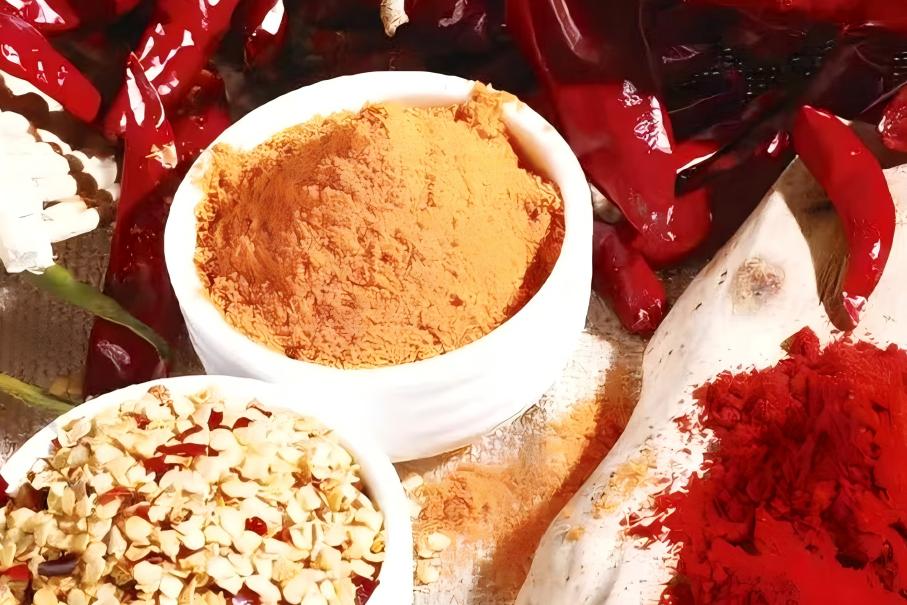
هل مسحوق الفلفل الحار هو نفسه البابريكا؟ لا — وإليك الفرق الحقيقي
TL;DR — What’s the Difference?
No, chili مسحوق و الفلفل الحلو are not the same. Chili powder is a blend of ground dried chilies plus cumin, garlic powder, oregano, and other spices. Paprika is a single-ingredient spice made from ground dried peppers of the الفلفل الحلو family — typically sweet bell peppers or mild chili peppers. They share a similar red color, but their flavor, heat, and use cases are completely different.
Quick Comparison Table
| مقال مميز | Chili Powder | البابريكا |
|---|---|---|
| What it is | Spice blend (chili + cumin + garlic + more) | Single ground pepper |
| Primary pepper | Usually ancho, cayenne, or New Mexico | Sweet bell peppers or mild chilies |
| مستوى الحرارة | Mild to medium (500–2,500 SHU) | Sweet: 0–100 SHU / Hot: up to 1,000 SHU |
| خصائص النكهة | Savory, earthy, warm, with cumin notes | Sweet, fruity, smoky (Spanish), or floral |
| Common uses | Chili con carne, tacos, Tex-Mex | Goulash, deviled eggs, paella, garnish |
| Substitutable? | Not directly — they serve different roles | Not directly — they serve different roles |
What Is Chili Powder, Exactly?
Let me clear something up that tripped me up when I started cooking seriously: “chili powder” in the US grocery store is not just ground chilies. That’s a common misconception.
In North America, قياسي chili powder is a blend invented by Texas chili makers in the late 1800s. A typical jar contains:
- Ground dried chilies (usually ancho, cayenne, or New Mexico) — the base
- الكمون — that warm, earthy note you associate with Tex-Mex
- مسحوق الثوم — savory depth
- الأوريجانو — a subtle herbaceous lift
- Sometimes paprika itself — yes, some brands add paprika for color
- Anti-caking agents and salt — varies by brand
This means chili powder already contains cumin and garlic. If you’re following a recipe that calls for both chili powder و cumin, be careful not to overdo the cumin.
مستوى الحرارة
Most commercial chili powder blends are mild to medium. They sit around 500–2,500 Scoville Heat Units (SHU). For context, a fresh jalapeño is 2,500–8,000 SHU, so chili powder is noticeably milder than a jalapeño.
Regional Variations
I should mention that outside the US, “chili powder” often means pure ground dried chilies — just the pepper, nothing else. In the UK, Australia, and India, what Americans call “chili powder” would be labeled “chili seasoning” or “chili mix.” If you’re reading a British recipe and it says “chili powder,” they probably mean pure ground cayenne or bird’s eye chili.
What Is Paprika, Exactly?
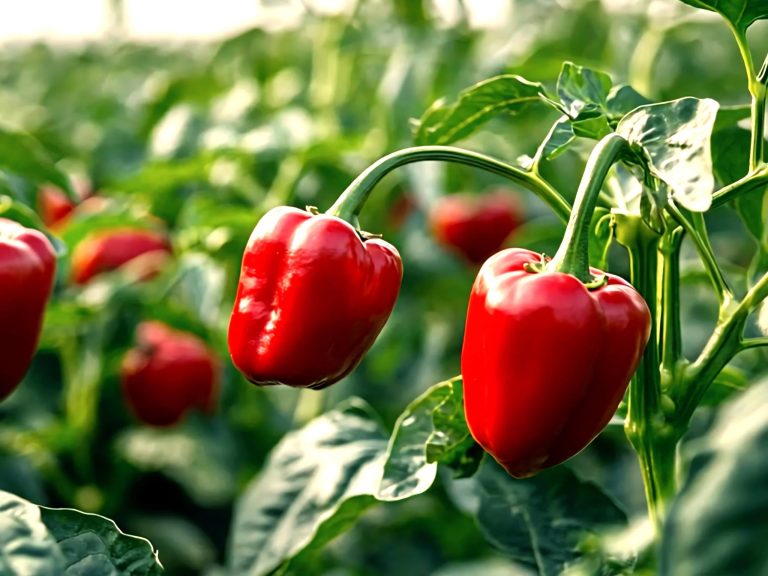
Paprika is much simpler — it’s ground dried peppers, and that’s it. But the type of pepper and how it’s processed creates several distinct varieties.
The Three Main Types
| Type | النكهة | اللون | الأفضل لـ |
|---|---|---|---|
| Sweet (Hungarian) | Mild, sweet, slightly fruity | أحمر فاقع | Garnish, goulash, deviled eggs |
| Hot (Hungarian) | Spicy, warm | Deep red | Hearty stews, rubs |
| Smoked (Spanish / Pimentón) | Smoky, rich, intense | Dark red | Paella, chorizo, BBQ rubs |
Where Paprika Comes From
Hungary and Spain are the two heavyweight producers. Hungarian paprika (édesnemes is the premium sweet variety) has a protected origin status similar to Champagne. Spanish paprika (بيمنتون دي لا فيرا) is traditionally smoke-dried over oak, which gives it that distinctive campfire character.
مستوى الحرارة
Sweet paprika is essentially zero heat (0–100 SHU). Hot paprika ranges from 500–1,000 SHU — still below most chili powders. So if you’re chasing heat, neither sweet paprika nor standard chili powder will get you there. You want cayenne.
Key Differences You Need to Know
1. Chili Powder Is a Team, Paprika Is a Soloist
This is the most important distinction. Chili powder is a blend designed for a specific cuisine (Tex-Mex). If you add chili powder to a Hungarian goulash, you’ll get cumin and garlic where they don’t belong. If you add paprika to chili, you’ll miss the earthy depth that cumin provides.
2. They’re Not Interchangeable in Recipes
I’ve tested this. Swapping one for the other changes the dish dramatically:
- Chili powder → paprika in chili: You lose the cumin-garlic foundation. The chili tastes flat and one-dimensional.
- Paprika → chili powder in goulash: You introduce cumin and garlic. It tastes like Tex-Mex, not Hungary.
- Using them together: This works beautifully in many recipes. I often use 2:1 chili powder to smoked paprika for a deeper, more layered chili.
3. Color vs. Flavor
Paprika is prized for its color — that brilliant red hue that makes deviled eggs look appetizing and brightens a pot of stew. Chili powder tends to be darker, browner, and less visually striking. If a recipe calls for paprika “for color,” never substitute chili powder — your dish will look muddy.
Can You Substitute One for the Other?
In a pinch, yes — but with caveats.
Substituting Chili Powder for Paprika
- Use less — chili powder is stronger and has cumin
- Best for savory dishes like stews, not delicate uses like deviled eggs or garnish
- Ratio: Start with half the amount, then adjust
Substituting Paprika for Chili Powder
- You’ll lose the cumin and garlic notes — add them separately (¼ tsp cumin + ¼ tsp garlic powder per tbsp paprika)
- Add a pinch of cayenne if you want some heat
- Best for mild applications like rubs and sauces
The Ideal Pantry
Keep both on hand. They’re not expensive, and they each bring something the other can’t. If you cook a lot of Tex-Mex, chili powder is non-negotiable. If you make a lot of European dishes (goulash, paella, deviled eggs), paprika is essential.
الأسئلة الشائعة
Can I use chili powder instead of paprika in mac and cheese?
I wouldn’t. Mac and cheese needs paprika’s sweetness and color. Chili powder will add cumin and garlic — it might taste good, but it won’t be classic mac and cheese.
Is smoked paprika the same as chili powder?
No. Smoked paprika is single-ingredient peppers dried over oak fires. The flavor is smoky and rich, but it doesn’t have cumin, garlic, or oregano like chili powder.
What’s hotter: chili powder or paprika?
Standard chili powder (500–2,500 SHU) is hotter than sweet paprika (0–100 SHU) and comparable to hot paprika (500–1,000 SHU). Neither is particularly spicy — for real heat, use cayenne or crushed red pepper.
Does chili powder contain paprika?
Some commercial chili powder blends do include paprika as a filler or color enhancer. Check the ingredient list. But the flavor profile of chili powder is dominated by cumin, not paprika.
What is pure chili powder vs chili powder blend?
Pure chili powder is just ground dried chilies (like cayenne or ancho). The chili powder blend found in most US grocery stores includes cumin, garlic, oregano, and sometimes salt. Always read the label.
Can I make my own chili powder?
Absolutely. Toast and grind dried ancho, guajillo, or New Mexico chilies, then mix 2 tablespoons of that powder with 1 teaspoon cumin, 1 teaspoon garlic powder, ½ teaspoon oregano, and ½ teaspoon smoked paprika. That’s better than any store-bought blend.
خلاصة القول
Chili powder and paprika are different spices that serve different purposes. Chili powder is a Tex-Mex blend built around cumin and chilies. Paprika is a single pepper grind prized for sweetness, color, and (in the smoked variety) deep barbecue character. Keep both in your kitchen — they’re teammates, not twins.