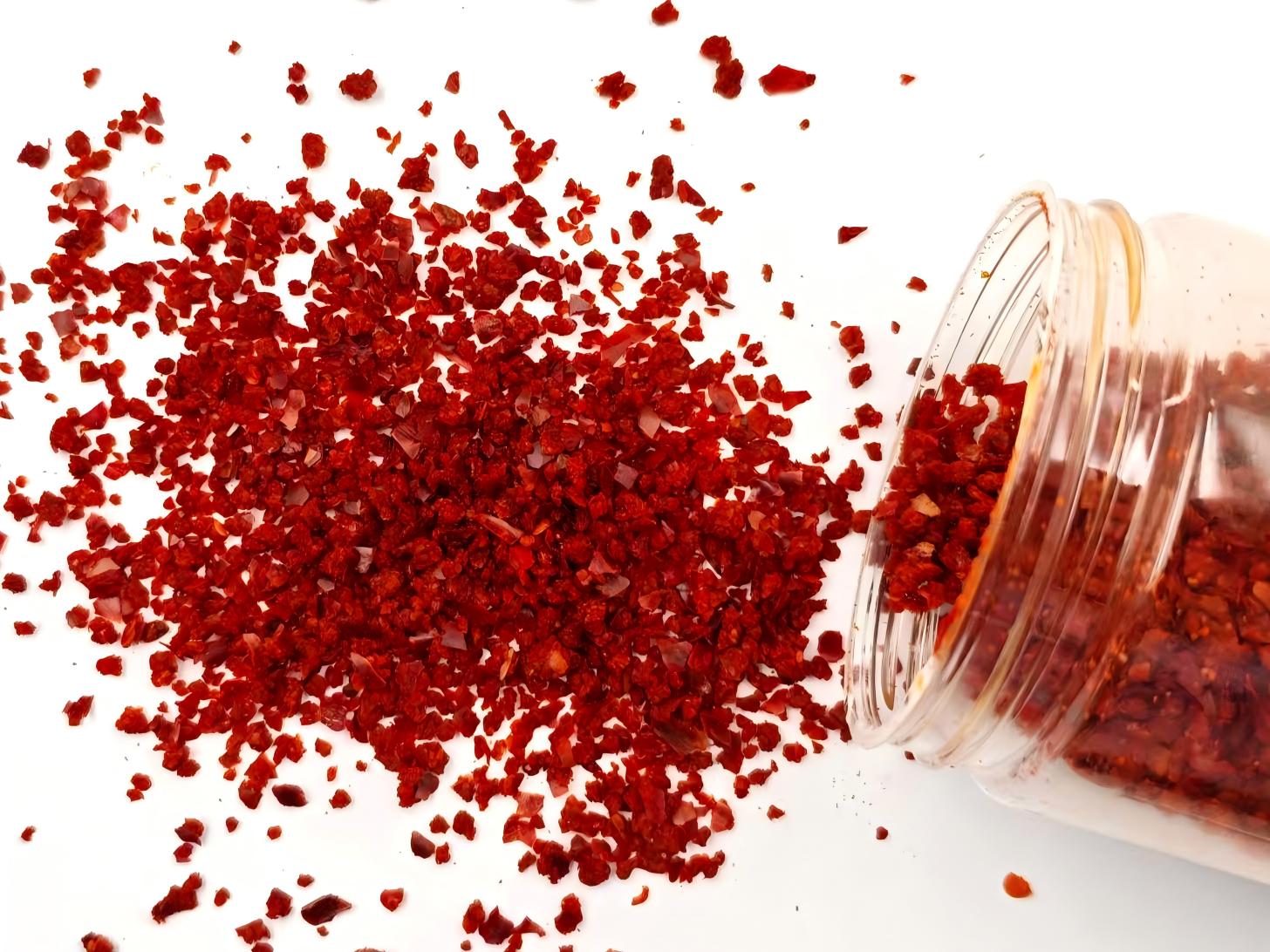
مورد بالجملة لرقائق الفلفل الحلو (الحلو/المعتدل) من الدرجة الممتازة وفق معيار ASTA 120–140 من الصين
تنزيل ورقة مواصفات رقائق البابريكا من الدرجة الممتازة
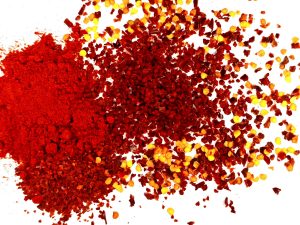
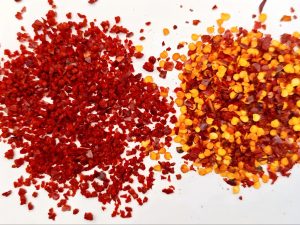
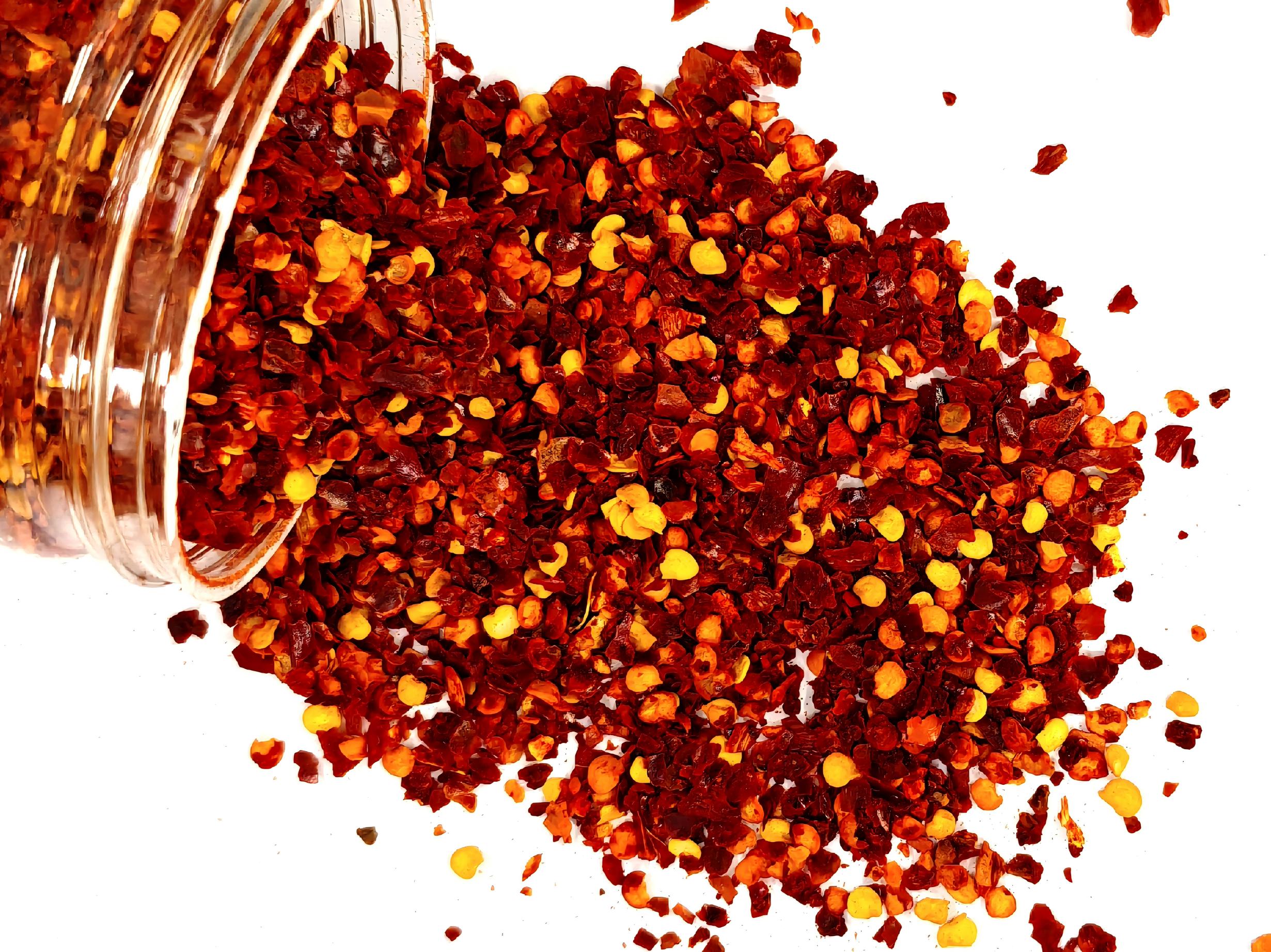
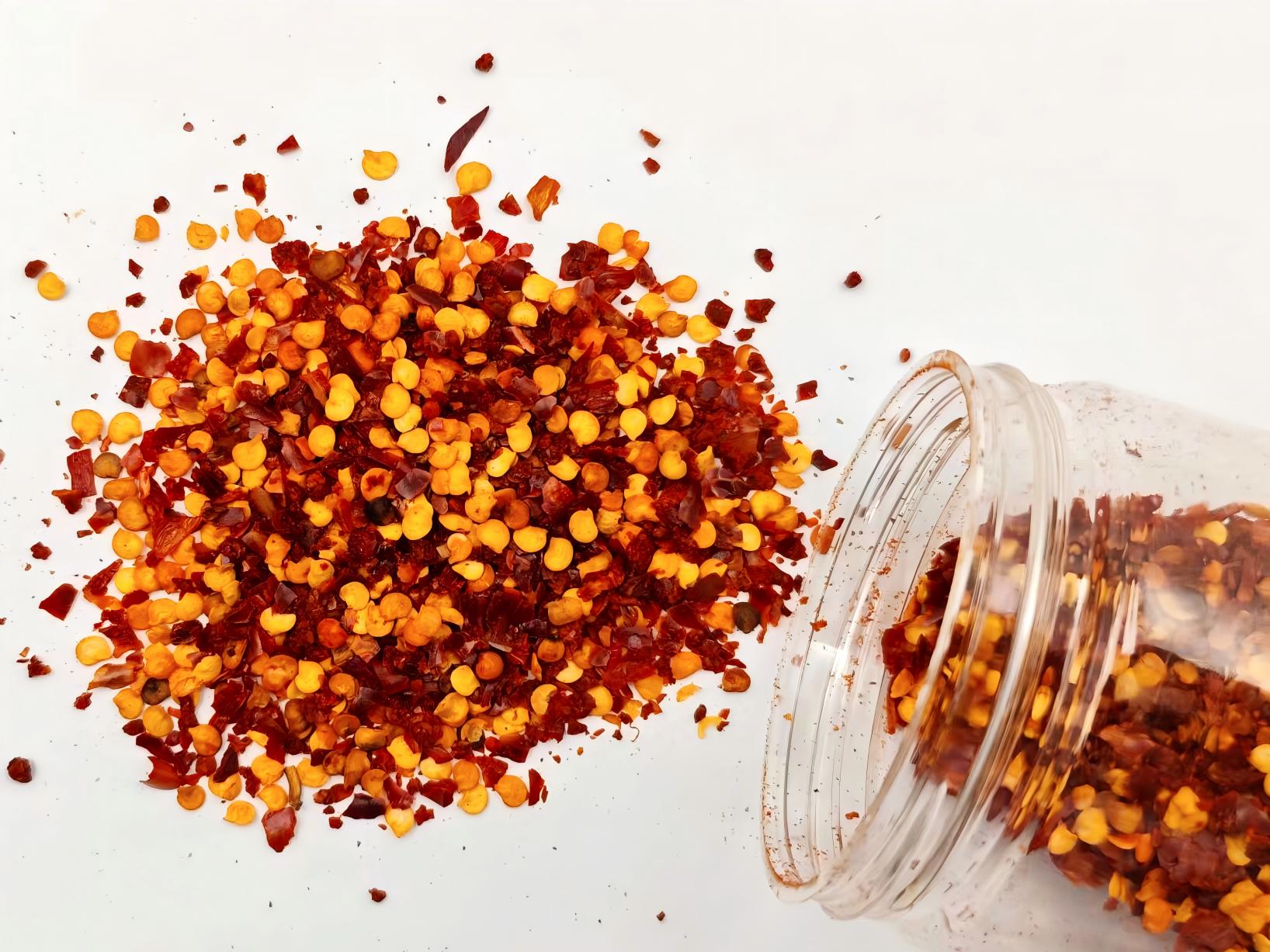
تُعد رقائق الفلفل الحلو ASTA 120–140 مكونًا رئيسيًّا من الفلفل المجفف من فئة التصدير، وهي مصممة خصيصًا لإنتاج الأغذية الصناعي ومصنعي التوابل. ويُستورد هذا النوع بشكل أساسي من شينجيانغ وقانسو في الصين، أو من مزارع خاضعة للرقابة تزرع أصنافًا مجرية، ويوفر مزيجًا متوازنًا من اللون الأحمر الجذاب، ومستوى حرارة معتدل، واستقرارًا في التكلفة.
بصفتنا شركة متخصصة في تصنيع وتصدير البابريكا، نلاحظ في كثير من الأحيان أن هذه الدرجة هي الخيار المفضل لشركات تصنيع الأغذية المتوسطة إلى الكبيرة الحجم التي تحتاج إلى أداء لوني ثابت، ولكنها تضطر في الوقت نفسه إلى التحكم في تكلفة التركيبة لكل طن. وعلى عكس رقائق البابريكا ذات الدرجة الأعلى ASTA 160–200، التي تُستخدم عادةً في المنتجات الفاخرة أو التطبيقات التي تتطلب ألوانًا زاهية، تُعد الدرجة ASTA 120–140 “الدرجة الأساسية” في إنتاج التوابل على مستوى العالم.
في أسواق التصدير، يختار العديد من المشترين هذه الدرجة عندما يعيدون صياغة تركيبات النقانق أو خلطات التوابل أو قواعد الوجبات الجاهزة، ويحتاجون إلى أداء يمكن التنبؤ به في الدفعات الكبيرة. ومن الأخطاء الشائعة في عمليات الشراء الإفراط في تحديد مواصفات ASTA 160+ في التطبيقات التي تؤدي فيها الدرجة 120–140 نفس الأداء بعد الطهي، مما يؤدي إلى ارتفاع غير ضروري في التكاليف.
يتم توريد هذا المنتج في عبوات تصدير سعة 10–25 كجم مع حد أدنى مرن للطلب (3–5 أطنان)، مما يدعم استراتيجيات الشراء سواءً التي تعتمد على تحميل الحاويات أو الشحنات التجريبية.
ASTA 120–140 paprika flakes are medium-color dehydrated sweet or mild chili flakes widely used in industrial food manufacturing. They are selected by food processors for balanced color performance and cost efficiency. This grade is commonly used in sausages, seasoning blends, sauces, and ready-to-eat meals where stable red color and visible texture are required without the premium cost of high-ASTA grades.
نظرة عامة على المنتج
ASTA 120–140 paprika flakes represent one of the most commercially balanced grades in industrial paprika supply chains. From a production standpoint, this grade is achieved by controlling harvest maturity, drying temperature, and grinding consistency to preserve moderate ASTA color intensity while maintaining cost efficiency.
في PaprikaBulk.com, we position this grade as a “standard export workhorse” used across Europe, the Middle East, and North America for mid-tier industrial food manufacturing.
In export markets, we often observe that buyers initially request higher ASTA grades (160–200), assuming “higher is better.” However, once formulation trials are conducted, many food manufacturers downgrade to ASTA 120–140 because the visual difference in finished products (especially in cooked systems like sausages, soups, and sauces) becomes negligible, while cost savings per ton can reach 8–20%.
A common procurement mistake is overpaying for color intensity that gets lost during thermal processing. For example, in sausage production, paprika pigments degrade during smoking and cooking cycles. Therefore, many European meat processors standardize on ASTA 120–140 rather than premium grades.
From a cost-performance standpoint, this grade sits in the “optimal efficiency zone.” Lower ASTA (80–100) is often too pale for export branding requirements, while higher ASTA grades may not justify cost unless used in dry seasoning blends where visible red speckling is critical.
Another important factor is supply stability. ASTA 120–140 is widely produced across Xinjiang and Gansu due to favorable drying conditions and yield efficiency, making it less volatile in pricing compared to specialty high-ASTA batches.
Seasonal variation also matters. During peak harvest months, buyers often secure this grade in container volumes (8–14 tons per 20FT container) to lock pricing before post-season volatility increases.
المواصفات الفنية
| المعلمة | المواصفات |
|---|---|
| اسم المنتج | Paprika Flakes Sweet/Mild |
| قيمة ASTA | 120–140 |
| حجم الجسيمات | 5×5mm or 5–8mm |
| الرطوبة | ≤ 8% |
| Ash Content | ≤ 6% |
| ثاني أكسيد الكبريت (SO₂) | < 10ppm (Non-sulphur) |
| علم الأحياء الدقيقة | TPC ≤ 50,000 cfu/g |
| Pathogens | Salmonella / E. coli not detected |
| التعقيم | Steam or irradiation optional |
| التغليف | 10kg–25kg export bags |
| مدة الصلاحية | 24 شهراً |
| الأصل | Xinjiang / Gansu, China |
| MOQ | 3–5 tons |
الميزات والمزايا الرئيسية
- Balanced ASTA 120–140 color performance for industrial consistency
- Cost-efficient compared to high-ASTA premium grades
- Stable supply from large-scale Chinese cultivation zones
- Suitable for both sweet and mild heat profiles
- Maintains visible flake structure after thermal processing
- Flexible packaging for retail blending or bulk use
- Compatible with EU food safety standards
- Low sulfur option for clean-label product positioning
Each feature directly supports industrial buyers in reducing formulation risk, improving batch consistency, and optimizing ingredient cost.
BUYER GUIDE
Who should buy:
- Sausage and meat product manufacturers
- Seasoning blend producers
- Instant noodle seasoning suppliers
- Ready-meal manufacturers
- Spice packing companies (retail/private label)
Who should NOT buy:
- Premium gourmet spice brands requiring ASTA 160–200 visual intensity
- Cold-application decorative flake products requiring vivid red contrast
Procurement logic:
Many buyers select ASTA 120–140 as a “baseline production grade.” It is often used as the default specification in long-term contracts because it balances sensory color with cost predictability.
Industry insight:
In European sausage manufacturing, we often see procurement teams standardize paprika flakes at ASTA 120–130 because anything above that does not significantly improve final product appearance after smoking.
APPLICATIONS
1. Sausage & Meat Processing
ASTA 120–140 provides stable dispersion in meat matrices. Dosage: 0.3–1.2%. Higher ASTA grades are rarely necessary due to heat degradation.
2. Seasoning Blends
Used in dry spice mixes where moderate red visibility is required. Cost control is a key reason buyers avoid ASTA 160+.
3. Ready Meals & Sauces
Provides background color stability in tomato-based sauces and soups.
4. Snack Seasoning
Used in chips and coated nuts where flake visibility matters but extreme color intensity is not required.
Regional difference:
- EU: prefers standardized 120–140 for meat applications
- Middle East: slightly higher demand for visual intensity
- Southeast Asia: more price-sensitive, often mixes with ASTA 80–100
PROCUREMENT INSIGHT
In real procurement cycles, ASTA 120–140 is typically purchased in annual contracts ranging from 1–5 container loads per SKU. Larger manufacturers may split sourcing between multiple origins to reduce risk.
We often observe three key buying behaviors:
- Cost anchoring behavior: Buyers benchmark against last year’s price rather than current raw material cost
- Over-specification risk: New buyers initially request ASTA 160+ without formulation validation
- Container optimization strategy: Experienced buyers consolidate multiple spice SKUs into a single 20FT container to reduce logistics cost per kg
Seasonal pricing fluctuations are driven by harvest yield and drying conditions. Late-season procurement typically increases cost by 5–12%.
شرح مفهوم «قيمة ASTA»
ASTA measures color intensity of paprika extract and directly affects:
- Visual brightness in finished food
- Dosage efficiency in formulations
- التكلفة لكل وحدة لون
Higher ASTA = more color per gram, but not always better performance in cooked systems.
ASTA GRADE COMPARISON
| ASTA | اللون | التطبيق | Cost Level | Buyer Type |
|---|---|---|---|---|
| 40–80 | منخفض | Budget blends | منخفض | Domestic/basic processors |
| 80–100 | Light red | Low-cost seasoning | منخفض | Price-sensitive buyers |
| 120–140 | Medium red | Industrial standard | Mid | Export manufacturers |
| 140–160 | أحمر قوي | Premium blends | Mid-high | Brand owners |
| 160–200 | Deep red | High-visibility products | مرتفع | Premium seasoning brands |
| 200–240 | Intense red | Specialty uses | Very high | Niche gourmet markets |
MANUFACTURING PROCESS
- Raw pepper sourcing (Xinjiang, Gansu)
- Cleaning and impurity removal
- Color sorting and maturity grading
- Controlled drying (sun/air tunnel)
- Cutting into 5–8mm flakes
- Sterilization (steam default for EU compliance)
- ASTA calibration testing
- Metal detection & microbiology testing
- Export-grade packaging
QUALITY CONTROL
- ASTA color spectrophotometer testing
- Moisture ≤ 8% verification
- Microbial safety compliance
- Heavy metal screening (Pb, Cd, As)
- Pesticide residue control
- نظام تتبع الدُفعات
- Consistency across seasonal harvest lots
INDUSTRY INSIGHTS
- Most buyers overestimate ASTA needs by 20–40%
- Color loss occurs mainly during thermal processing, not production
- Storage humidity is a larger risk than light exposure
- Xinjiang-origin paprika typically offers stronger base color stability
- European buyers prioritize consistency over peak ASTA values
MARKET INTELLIGENCE
- Europe: high standardization, stable pricing contracts
- Middle East: strong demand for color intensity
- Africa: price-driven, mixed-grade usage
- Southeast Asia: smallest-cost optimization behavior
- Latin America: growing demand for standardized imports
EXPORT & LOGISTICS
- 20FT container: 8–14 tons depending on packaging
- Export documents: COA, phytosanitary, certificate of origin
- Packaging: 10kg / 25kg kraft bags with liner
- Load stability optimized for long-haul shipping
- Refrigeration not required
SAMPLE & DOCUMENTATION
- Free product samples available (freight collect)
- COA provided per batch
- Full specification sheet available
- Production and packing photos on request
- Export compliance documents included
WHY CHOOSE PaprikaBulk.com
- Direct manufacturer pricing (no trading margin layers)
- Stable raw material sourcing network
- Export experience across EU, US, Japan markets
- Flexible MOQ for trial orders (3–5 tons)
- Batch consistency across seasonal harvests
- Custom particle size and sterilization options
- Long-term contract supply capability
الأسئلة الشائعة
1. Why choose ASTA 120–140 instead of 160+?
Because in cooked systems, higher ASTA does not significantly improve final color performance.
2. Does higher ASTA always mean better quality?
No, it depends on application and thermal processing.
3. Is this suitable for sausage production?
Yes, it is widely used in European meat processing.
4. What is the main cost driver?
Raw pepper quality and drying yield.
5. Can ASTA be customized?
Yes, through blending and grading control.
6. Does color degrade over time?
Yes, mainly due to heat and humidity exposure.
7. What is the typical MOQ?
3–5 tons depending on destination.
8. Is steam sterilization necessary?
Required for EU compliance in most cases.
9. Can I mix different ASTA grades?
Yes, common in cost optimization strategies.
10. Why is Chinese paprika competitive?
Scale production and stable drying environment.
11. What industries use this most?
Meat processing and seasoning manufacturing.
12. Does flake size affect pricing?
Yes, uniform sizing increases processing cost.
13. Is there sulfur used?
No, this grade is non-sulphur.
14. What is the shelf life?
24 months under proper storage.
15. Can I get samples before ordering?
Yes, samples are available for testing.
For procurement, technical validation, or container pricing:
- Request free samples
- Request COA & specification sheet
- Get bulk pricing (FOB/CIF)
- Discuss annual supply contracts
- Optimize ASTA grade for your formulation
- Request full container quotation