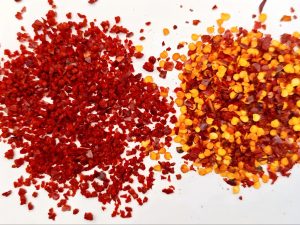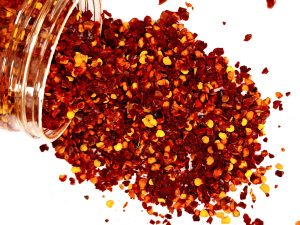
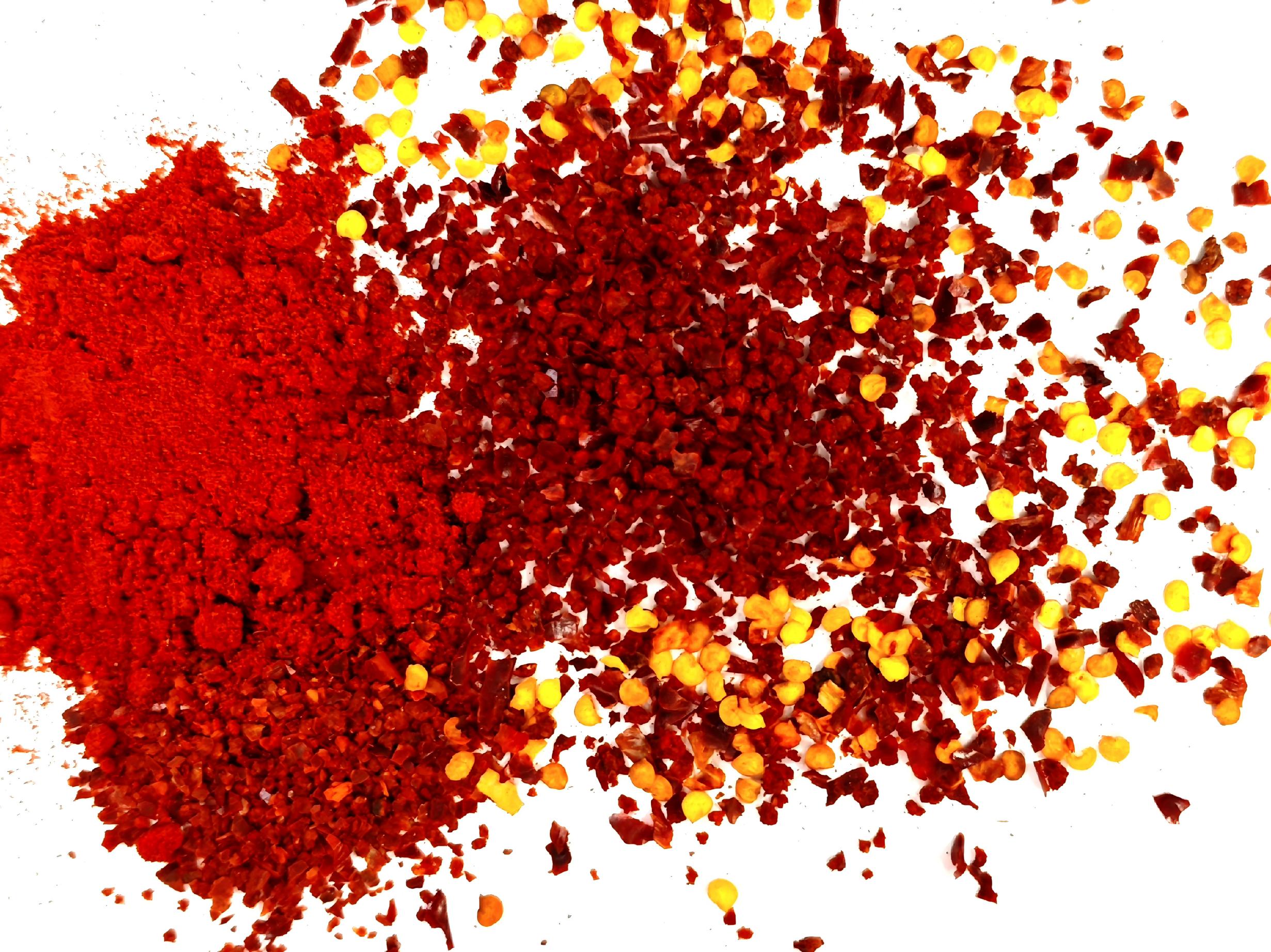
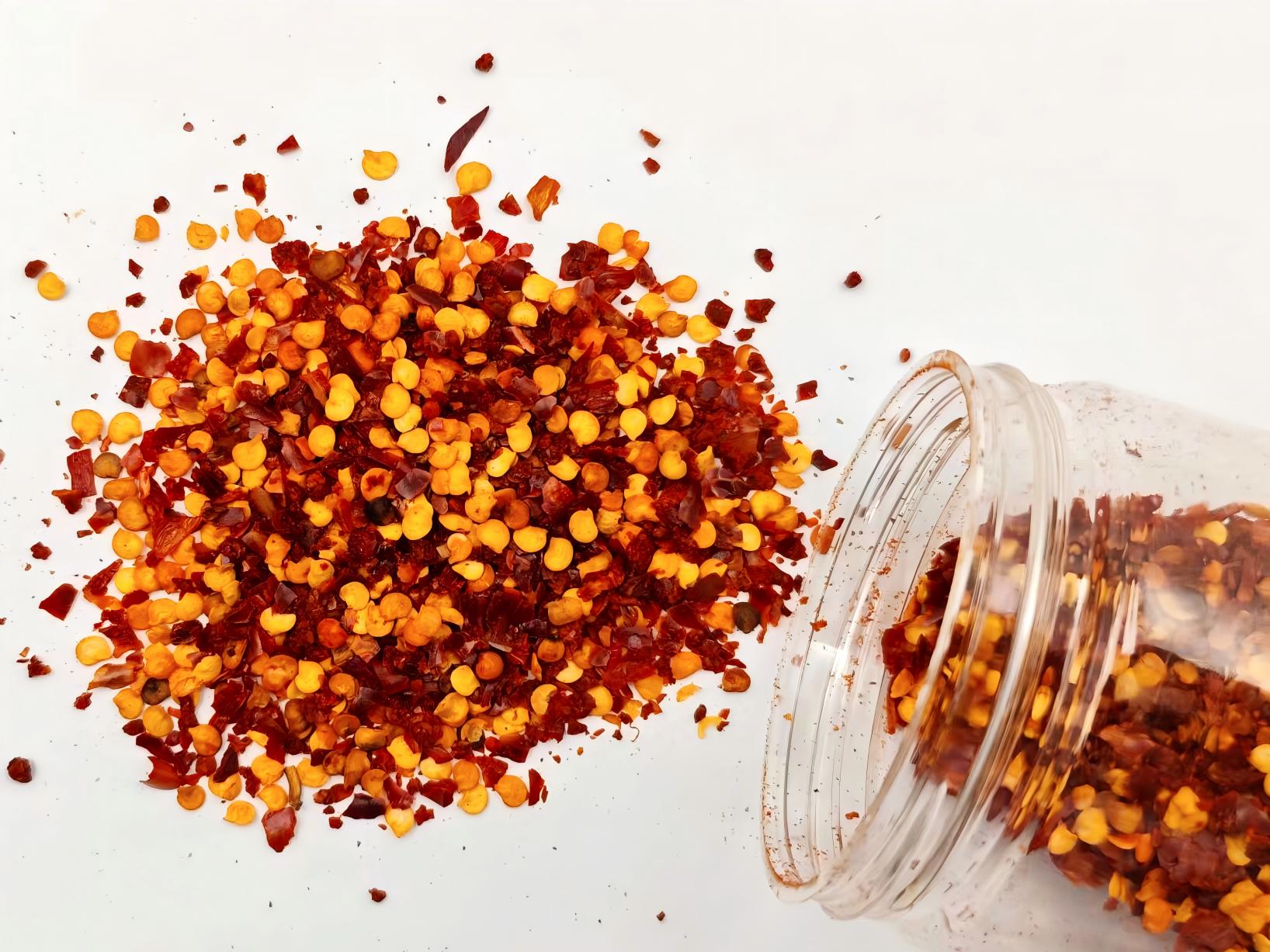
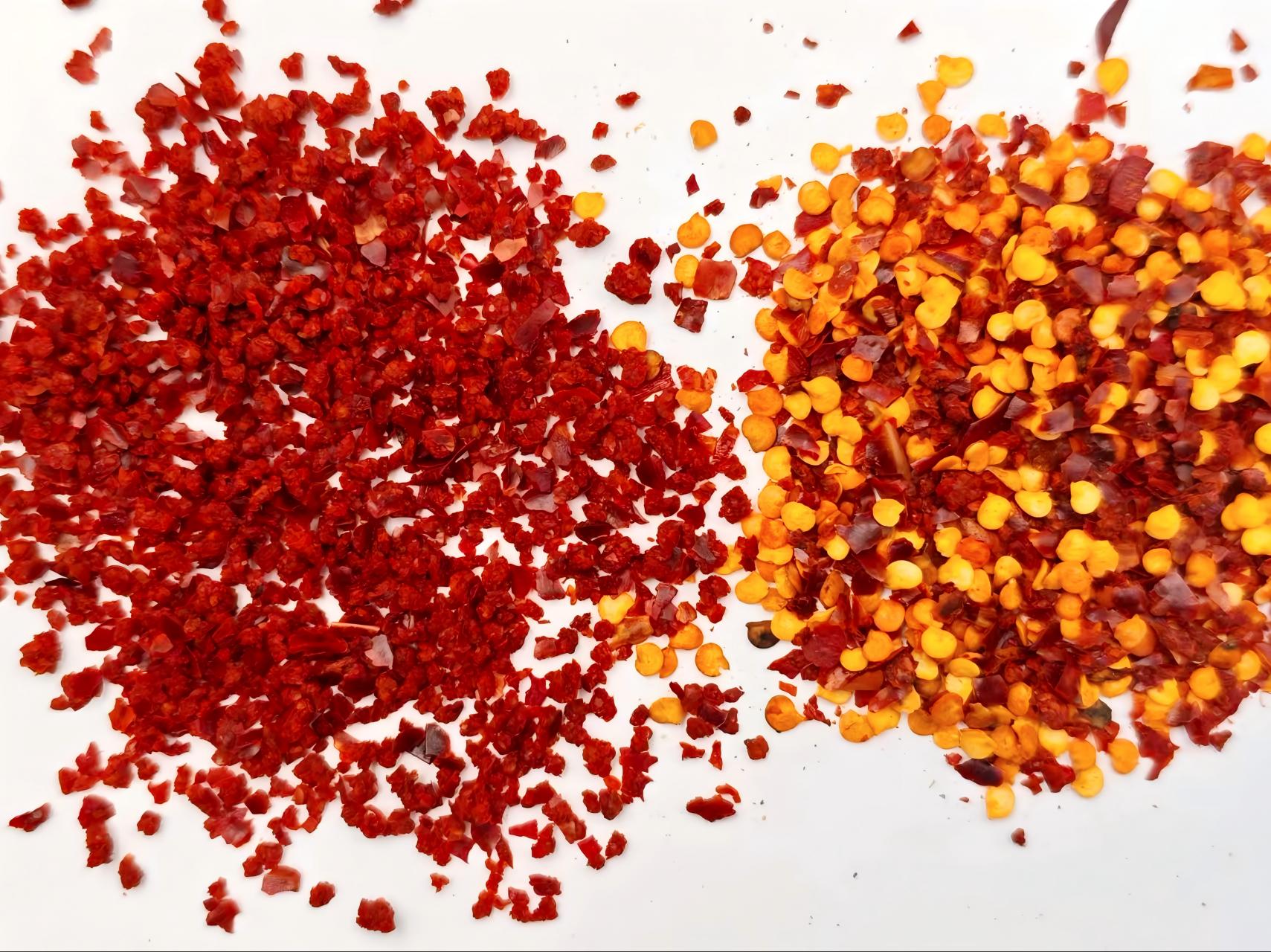
رقائق الفلفل الحلو من الدرجة الخاصة ASTA 160–180
ورقة مواصفات رقائق البابريكا (درجة خاصة / درجة ممتازة)
تُعد رقائق الفلفل الحلو ASTA 160–180 مكونًا غذائيًّا عالي الجودة من الدرجة الزخرفية، مصممة للاستخدامات التي تتطلب بروزًا بصريًّا في صناعة الأغذية الحديثة. وعلى عكس رقائق الفلفل الحلو الصناعية المستخدمة في التتبيل بكميات كبيرة أو مزج الألوان، تركز هذه الدرجة على سلامة الرقائق وجاذبيتها البصرية وتقديمها وفقًا لمعايير «الملصق النظيف».
بصفتنا شركة متخصصة في تصنيع وتصدير البابريكا، نلاحظ في كثير من الأحيان أن العلامات التجارية الغذائية الراقية تختار هذه الدرجة، حيث تمنح “التأثير البصري على الرف” أولوية على تكلفة الكيلوغرام. وفي أسواق التصدير، لا سيما أوروبا واليابان، غالبًا ما يختار المشترون الانتقال من فئة ASTA 120–140 إلى فئة 160–180 عندما يتحولون من استخدامات التوابل الصناعية إلى المنتجات الفاخرة الجاهزة للبيع بالتجزئة.
من الأخطاء الشائعة في مجال المشتريات اعتبار جميع رقائق البابريكا متطابقة من الناحية الوظيفية. وفي الواقع، يتم تصنيع هذه الدرجة بطريقة مختلفة: حجم جسيمات أكبر (8–12 مم)، ومحتوى أقل من المسحوق الناعم، وحدود ميكروبيولوجية أكثر صرامة. من وجهة نظر الإنتاج، يتطلب الحفاظ على سلامة الرقائق عملية تجفيف أكثر لطفًا، وتقطيعًا دقيقًا، ومراقبة أكثر صرامة لعملية الغربلة، مما يؤدي مباشرةً إلى زيادة التكلفة ولكنه يضمن مظهرًا ممتازًا.
يُستخدم هذا المنتج على نطاق واسع في إضافات السلطات، ومخاليط الجبن، وتزيين الوجبات الجاهزة، وعبوات التوابل الفاخرة التي تحمل علامات تجارية خاصة.
ASTA 160–180 paprika flakes are premium-grade large-cut dehydrated red pepper flakes used mainly for visual decoration in high-end foods. They are selected by EU, US, and Japanese food brands for salads, ready meals, cheese products, and gourmet packaging where color visibility and flake integrity matter more than cost efficiency or bulk flavor contribution.
نظرة عامة على المنتج
ASTA 160–180 premium paprika flakes represent a high-specification decorative segment in the global paprika supply chain. Unlike standard industrial grades (ASTA 80–140), this product is not primarily designed for bulk flavor contribution, but for visual performance, texture integrity, and clean-label retail presentation.
From a manufacturing standpoint, achieving ASTA 160–180 consistency requires strict control over raw pepper selection, ripeness uniformity, and low-temperature dehydration. At PaprikaBulk.com, we typically reserve this grade for export customers serving EU retail brands, Japanese food service suppliers, and premium private label manufacturers.
In export markets, we often observe a clear segmentation in buyer behavior:
- Industrial processors prioritize cost per ASTA unit (lean toward 120–140)
- Premium retail brands prioritize visual consistency and flake size uniformity
Many food manufacturers choose this grade when their product is sold in transparent packaging or where paprika flakes are directly visible (e.g., salad kits, cheese toppings, gourmet spice jars). In these cases, ASTA value alone is not the deciding factor—flake geometry and fragmentation rate become equally important.
A common procurement mistake is upgrading ASTA value without upgrading flake specification. For example, buyers may request ASTA 180 but still use 5×5mm industrial flakes, resulting in poor visual consistency in final packaging.
From a cost-performance perspective, this grade is intentionally positioned at a premium level. It is not optimized for cost per ton but for aesthetic yield per gram. Even small improvements in flake integrity significantly increase perceived product value at retail level.
المواصفات الفنية
| المعلمة | المواصفات |
|---|---|
| اسم المنتج | Premium Paprika Flakes |
| قيمة ASTA | 160–180 (up to 200 batch peak) |
| حجم الجسيمات | 8×8mm / 10×10mm large flakes |
| اللون | Deep red, high saturation |
| الرطوبة | ≤ 7% |
| الرماد | ≤ 5% |
| ثاني أكسيد الكبريت (SO₂) | Not detected (Non-sulphur) |
| علم الأحياء الدقيقة | TPC ≤ 10,000 cfu/g |
| Pathogens | Not detected |
| التعقيم | التعقيم بالبخار |
| التغليف | 5kg × 2/carton or 10kg bulk bag |
| مدة الصلاحية | 24 شهراً |
| الأصل | Xinjiang premium cultivation zones |
| MOQ | 2–3 tons |
الميزات والمزايا الرئيسية
- Large 8–12mm flake size enhances retail visual impact
- High ASTA 160–180 ensures deep red premium appearance
- Extremely low fine powder content improves packaging cleanliness
- Designed for direct-visible food applications
- Steam sterilized for EU clean-label compliance
- Stable color performance in dry applications
- Suitable for high-margin retail branding products
- Strict microbial limits for premium export markets
BUYER GUIDE (CRITICAL INSIGHT)
Who should buy:
- Premium spice brands
- Ready meal manufacturers (EU/Japan)
- Cheese & dairy topping producers
- Gourmet retail packaging brands
- Hotel & catering premium supply chains
Who should NOT buy:
- Bulk seasoning manufacturers
- Cost-driven sausage producers
- Industrial color blending factories
Procurement logic:
Many buyers upgrade to ASTA 160–180 when shifting from “functional ingredient” to “branding ingredient.” In other words, paprika becomes part of product identity, not just formulation.
A frequent mistake is over-specifying ASTA while ignoring flake size uniformity, which is more important in visible applications.
APPLICATIONS
1. Salad & Ready Meal Decoration
Used as visible topping. Dosage: 0.5–2g per serving.
High ASTA ensures color contrast in cold-chain packaging.
2. Cheese & Dairy Products
Used in cheese coatings and flavored butter systems.
Higher ASTA improves shelf visual appeal under refrigeration.
3. Gourmet Spice Jars
Large flakes improve perceived premium value in retail jars.
Regional differences:
- EU: strict clean-label + visual uniformity required
- Japan: extremely high demand for flake consistency
- Middle East: prefers deeper color saturation in visible products
PROCUREMENT INSIGHT (EXPERT LEVEL)
In premium paprika procurement, annual volumes are typically smaller but higher value:
- Typical order size: 2–10 tons per shipment
- Container utilization: often mixed SKUs in 20FT containers
- Buyers prioritize consistency over lowest price
We often observe three procurement behaviors:
- Brand-driven procurement
Buyers upgrade ASTA due to packaging redesign, not formulation change. - Visual QA rejection risk
Even small flake fragmentation causes batch rejection in EU retail supply chains. - Seasonal locking strategy
Premium buyers lock contracts pre-harvest to secure flake uniformity batches.
Cost optimization here is not about lowering ASTA—it is about stabilizing flake geometry yield.
شرح مفهوم «قيمة ASTA»
ASTA measures pigment concentration, but in premium flakes:
- Flake size becomes equally important
- Visual density in packaging outweighs dosage efficiency
Higher ASTA = deeper red tone
But in retail packaging = visual uniformity matters more
ASTA GRADE COMPARISON
| ASTA | Type | التطبيق | Buyer Type |
|---|---|---|---|
| 40–80 | Industrial low grade | Bulk blending | Price buyers |
| 80–120 | Standard seasoning | Food factories | Mid-tier processors |
| 120–140 | Industrial workhorse | Meat/seasoning | Export manufacturers |
| 140–160 | Enhanced color | Semi-premium | Brand OEM |
| 160–180 | Premium decorative | Retail visual foods | Premium brands |
| 180–240 | Ultra premium | niche gourmet | Luxury food brands |
Upgrade logic: visual branding shift
Downgrade logic: cost pressure + hidden use (blending)
MANUFACTURING PROCESS
- Premium raw pepper selection (low defect rate)
- Controlled ripening harvest
- Gentle washing & sorting
- Low-temperature dehydration
- Precision flake cutting (8–12mm control)
- Multi-stage sieving (remove fines)
- Steam sterilization (non-irradiation default)
- ASTA calibration testing
- Visual uniformity inspection
- Export-grade packaging
QUALITY CONTROL
- ASTA spectrophotometer testing
- Flake integrity ratio inspection
- Moisture ≤ 7%
- Microbial limits strict (10,000 cfu/g max)
- Heavy metal screening (EU compliance)
- OTA & PAH third-party testing
- نظام تتبع الدُفعات
INDUSTRY INSIGHTS (NO GENERIC CONTENT)
- Flake fragmentation is the #1 rejection reason in EU retail supply
- Higher ASTA does NOT fix poor visual uniformity
- Steam sterilization reduces color loss compared to irradiation in premium segments
- Harvest timing affects flake strength more than ASTA value
- Japanese buyers reject even minor size inconsistency (<5% deviation tolerance)
MARKET INTELLIGENCE
- Europe: strict visual QA + clean-label requirement
- USA: private label growth driving demand
- Japan: highest consistency standards globally
- Middle East: prefers deep red saturation
- Latin America: emerging premium retail adoption
EXPORT & LOGISTICS
- Packaging: 5kg × 2 cartons / 10kg bulk
- Container: 8–10 tons per 20FT
- Export docs: COA, Phytosanitary, Origin, BRC/ISO certificates
- Shelf stability: low moisture prevents clumping
- No cold-chain required
SAMPLE & DOCUMENTATION
- Free samples available
- COA per batch
- Full specification sheet
- Production inspection photos
- Third-party lab reports on request
WHY CHOOSE PaprikaBulk.com
- Premium-grade dedicated production line
- Strict flake integrity control system
- Export experience in EU/Japan retail chains
- Stable ASTA 160–180 batch management
- Custom flake sizing capability
- Clean-label compliance (no irradiation default)
- High-end retail supply reliability
الأسئلة الشائعة
1. Why is ASTA 160–180 used for decoration instead of seasoning?
Because visual impact matters more than dosage efficiency in retail foods.
2. Is higher ASTA always better?
No, flake integrity is equally important in decorative applications.
3. Why do EU buyers prefer this grade?
Because of strict visual uniformity and clean-label requirements.
4. What is the biggest procurement risk?
Flake fragmentation and inconsistent sizing.
5. Is irradiation used?
No, steam sterilization is standard for premium grade.
6. Can this be used in sausages?
Not recommended due to cost inefficiency.
7. What is typical MOQ?
2–3 tons.
8. Does ASTA affect taste?
Minimal impact in decorative usage.
9. Why is this more expensive?
Due to flake integrity control and yield loss.
10. Can size be customized?
Yes, 8–12mm standard range adjustable.
11. Is it suitable for private label jars?
Yes, one of the primary applications.
12. Does color fade?
Yes, but slower under dry storage conditions.
13. What causes rejection in EU markets?
Fine powder contamination and size inconsistency.
14. Is this organic?
Optional certified batches available.
15. Can I mix with lower ASTA grades?
Not recommended for premium retail products.