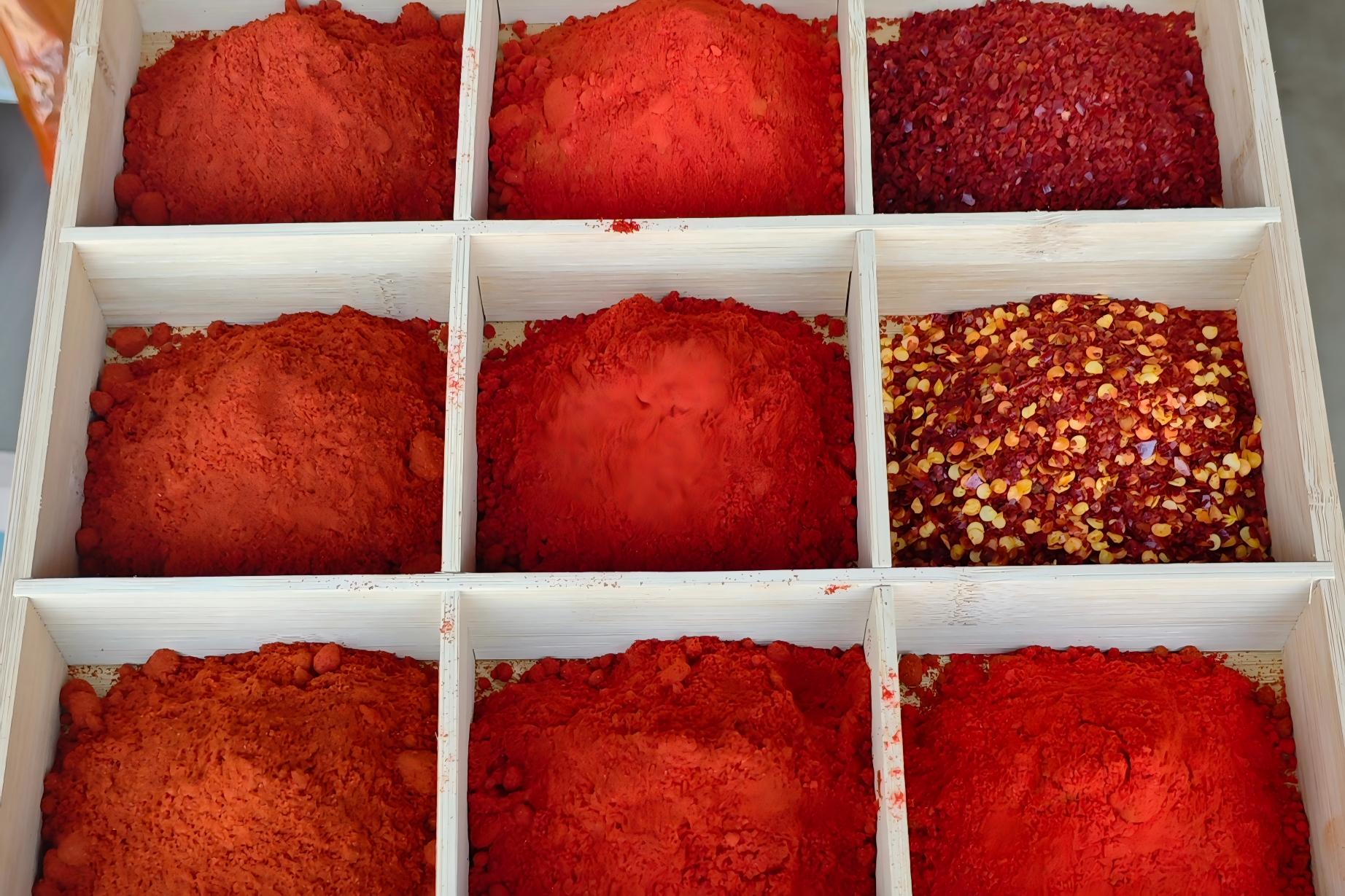
Smoked Paprika vs Paprika: What’s the Difference and When to Use Each
TL;DR — What’s the Difference Between Smoked Paprika and Regular Paprika?
Smoked paprika is regular paprika that has been dried over smoldering wood fires, giving it a distinctive smoky aroma and flavor. The peppers themselves are similar — the difference is all in the drying process.
Regular paprika (sweet or hot) is made by drying peppers in the sun or in dehydrators. Smoked paprika — also called pimentón — is made by slowly drying peppers over oak wood fires, which infuses them with natural smoke compounds.
In short: Same pepper family, different drying method, completely different flavor profile.
Quick Comparison Table
| Feature | Regular Paprika | Smoked Paprika |
|---|---|---|
| Flavor | Sweet, mild, earthy | Deep, woody, campfire-like |
| Aroma | Fruity, peppery | Intense, smoky, bacon-like |
| Heat | None (sweet) to medium (hot) | Mild (usually) |
| Color | Bright red | Deep brick red |
| Origin | Hungary (most famous) | Spain (La Vera region) |
| Drying method | Sun or dehydrator | Oak wood smoke |
| Key dishes | Goulash, deviled eggs, garnish | Chorizo, paella, BBQ rubs |
What Is Regular Paprika?
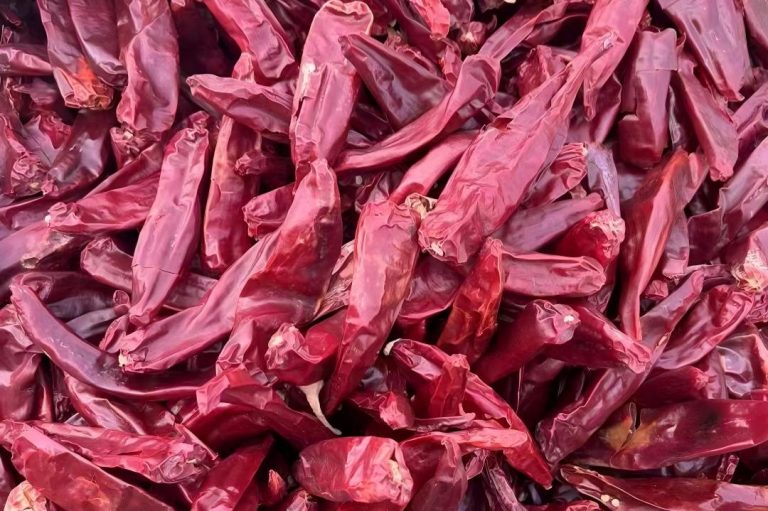
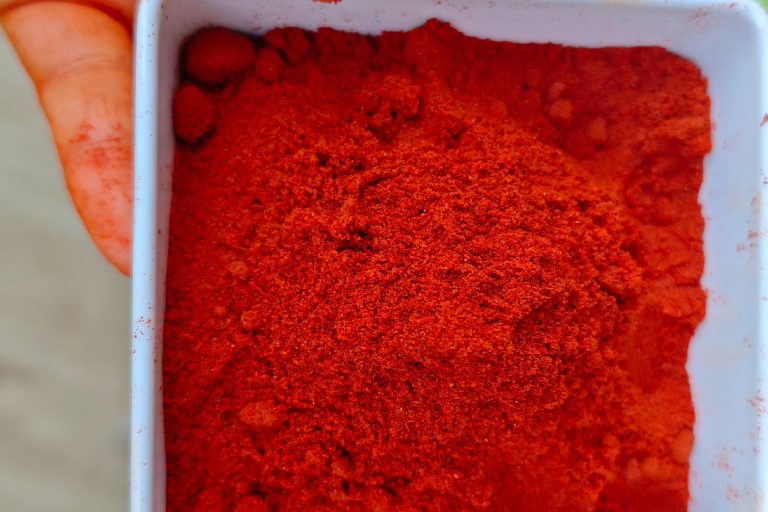
Regular paprika — the kind most people keep in their spice rack — is a ground powder made from dried Capsicum annuum peppers. It’s typically sweet and mild, though hot varieties exist.
How Regular Paprika Is Made
The process is straightforward:
- Peppers are harvested when fully ripe (deep red)
- They’re dried in the sun or in industrial dehydrators
- The dried peppers are ground into a fine powder
- The powder is sifted and packaged
Key difference: No smoke is involved at any stage. The flavor comes entirely from the pepper itself.
Flavor Profile
Regular sweet paprika has a:
- Mild, slightly sweet pepper flavor
- Fruity undertones
- Earthy, vegetal notes
- Very low to no heat
What Is Smoked Paprika?
Smoked paprika — pimentón in Spanish — is a specialty spice from the La Vera region of Spain. It’s protected by a Denominación de Origen Protegida (DOP), meaning only paprika produced in that region using traditional methods can legally be called Pimentón de La Vera.
How Smoked Paprika Is Made
The critical difference is the drying method:
- Peppers (Capsicum annuum varieties like Ocales, Jaranda, Jariza, Bola) are harvested ripe
- They’re transported to drying rooms called secaderos
- Peppers are arranged on wire racks over smoldering oak fires
- They’re slow-smoked for 10-15 days, absorbing smoke compounds
- The now-smoked peppers are ground into powder
Key stat: Traditional La Vera smoking takes 10-15 days — compared to 2-5 days for sun-dried paprika. This extended process is why smoked paprika has such a concentrated, complex flavor.
Why Smoked Paprika Tastes Like Bacon
Smoked paprika’s bacon-like aroma comes from phenolic compounds — specifically guaiacol and syringol — that are produced when wood burns. These are the same compounds found in smoked meats, which is why smoked paprika is such a popular vegetarian substitute for bacon flavor.
Personal note: I’ve used smoked paprika to make vegan “bacon” with coconut flakes — it worked surprisingly well because of those phenolic compounds.
The Three Types of Smoked Paprika
Just like regular paprika, smoked paprika comes in three varieties:
| Type | Spanish Name | Heat Level | Best Uses |
|---|---|---|---|
| Sweet Smoked | Pimentón Dulce | None | Paella, chorizo, roasted vegetables |
| Bittersweet Smoked | Pimentón Agridulce | Mild | Stews, marinades, braised meats |
| Hot Smoked | Pimentón Picante | Medium | Spicy chorizo, heavy rubs, chili |
When to Use Each: A Chef’s Guide
Use Regular Paprika When:
- You want color without smoke flavor: Deviled eggs, potato salad
- Hungarian-style dishes: Goulash, paprikash — these rely on the sweet pepper flavor
- As a garnish: Regular paprika’s bright red color looks better on finished dishes
- You’re making a light sauce: Smoked paprika can overwhelm delicate cream sauces
Use Smoked Paprika When:
- You want a BBQ-style flavor: Rubs, marinades, BBQ sauces
- Spanish-style dishes: Paella, chorizo, patatas bravas
- You’re adding depth to soups and stews: Even a teaspoon transforms a chili
- Vegetarian/vegan cooking: Adds meaty, savory depth without meat
- You want a shortcut to smoke flavor: Easier than firing up a smoker
Can You Substitute One for the Other?
Not directly. If you substitute:
- Smoked for regular: Your dish will taste smoky (fine for BBQ, wrong for goulash)
- Regular for smoked: Your dish will lack the smoky depth entirely
Pro tip: If you only have regular paprika but need a hint of smokiness, add ⅛ teaspoon of liquid smoke per tablespoon of paprika. It’s not the same, but it gets you closer.
Where to Buy Quality Paprika
| Type | What to Look For | Approx Price |
|---|---|---|
| Hungarian sweet paprika | Szegedi or Kalocsai brand | $5-8 per tin |
| Spanish smoked (dulce) | La Chinata, El Rey (DOP La Vera) | $6-10 per jar |
| Spanish smoked (picante) | Same brands, look for picante label | $6-10 per jar |
| Bulk sweet paprika | Great for everyday cooking | $2-4 per jar |
FAQ
Can I use smoked paprika and regular paprika interchangeably?
No — they have completely different flavor profiles. Smoked paprika adds a wood-fired depth; regular paprika adds mild, sweet pepper flavor. Choose based on what your recipe needs.
Is smoked paprika hotter than regular paprika?
Not inherently. Both come in sweet and hot varieties. Sweet smoked paprika (pimentón dulce) has no heat, while hot smoked paprika (pimentón picante) is mildly spicy. The “smoke” and “heat” are independent characteristics.
What’s the best smoked paprika brand?
For authentic flavor, look for DOP-certified Pimentón de La Vera brands like La Chinata and El Rey. These are the real deal. Generic supermarket “smoked paprika” often uses artificial smoke flavor.
Why do some recipes call for both smoked and regular paprika?
Because they serve different purposes. The regular paprika provides sweet pepper flavor and color, while the smoked paprika adds depth. Recipes like Spanish chorizo and certain stews benefit from both.
Can I make my own smoked paprika?
Yes, if you have a smoker. Use red bell peppers or Hungarian pepper varieties, smoke at 150-180°F for 2-3 hours, then dehydrate fully at 135°F. Grind and store. The result won’t match 15-day La Vera smoking, but it’s still delicious.
How should I store paprika?
Store both types in airtight containers away from heat, light, and moisture. Smoked paprika loses its intensity faster than regular paprika — use within 6 months for best flavor. Refrigeration can extend shelf life.
Bottom Line
The difference between smoked paprika and regular paprika is all in the drying process, not the pepper itself.
- Regular paprika = sun or heat-dried = sweet, mild pepper flavor
- Smoked paprika = oak smoke-dried = intense, woody, bacon-like flavor
Keep both in your pantry. Regular paprika is your everyday go-to for color and mild pepper flavor. Smoked paprika is your secret weapon for adding depth and a BBQ-style kick. They’re different tools for different jobs — and a good cook knows when to reach for each.
Written by a home cook and food science enthusiast. First published July 2026.